Mud
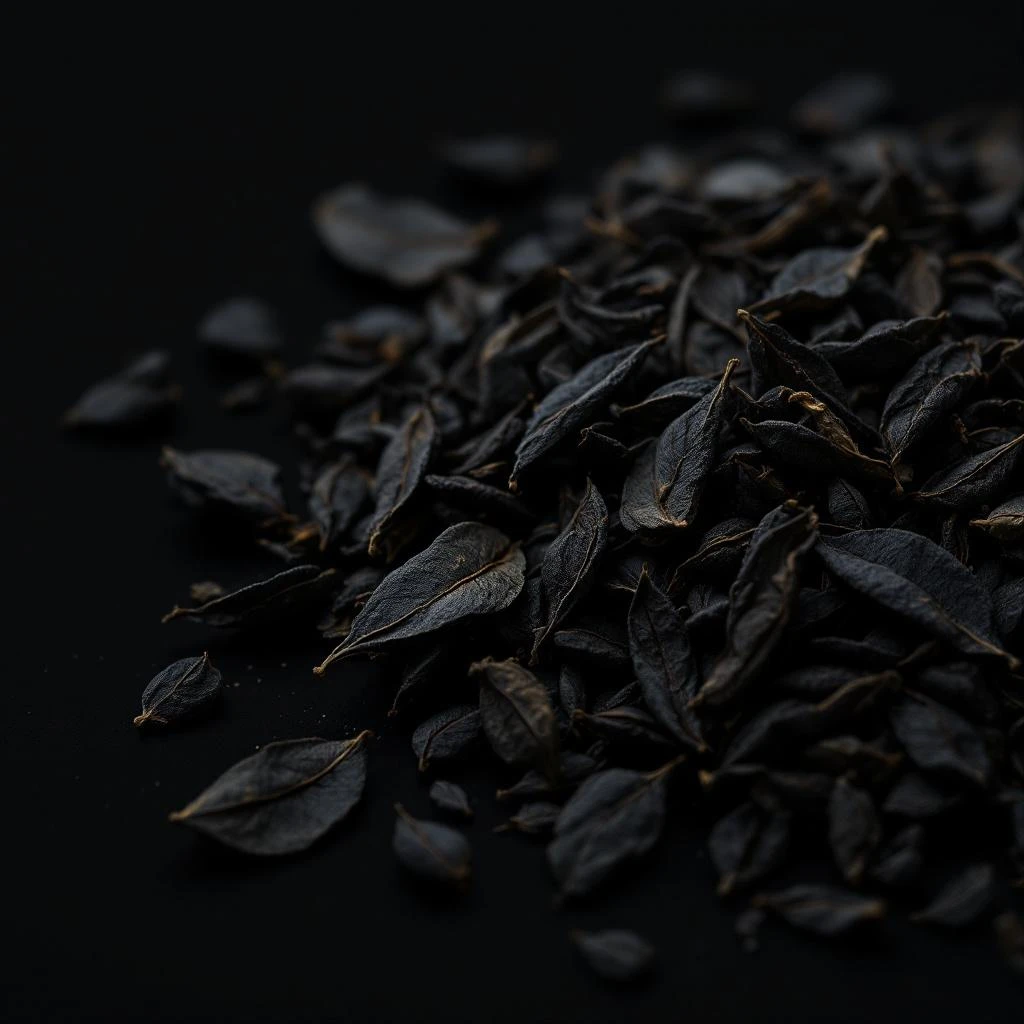
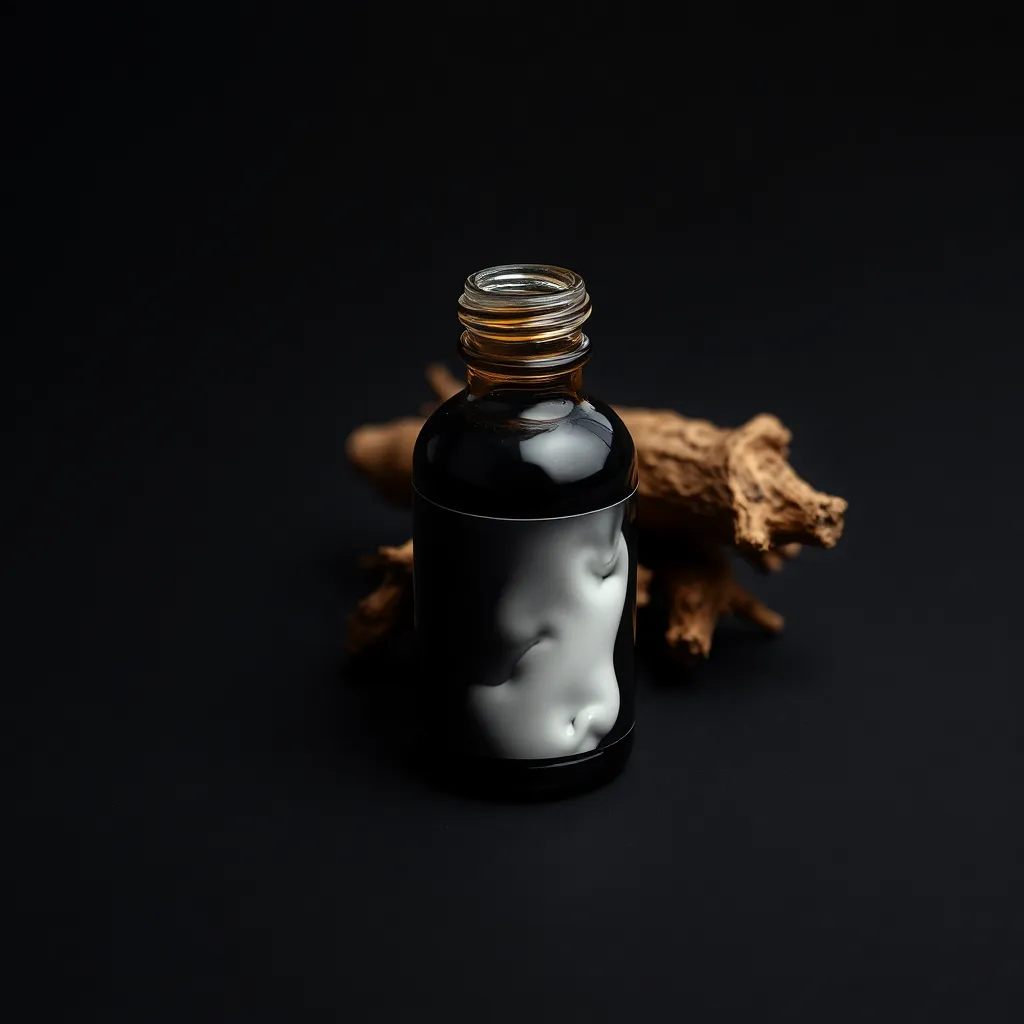
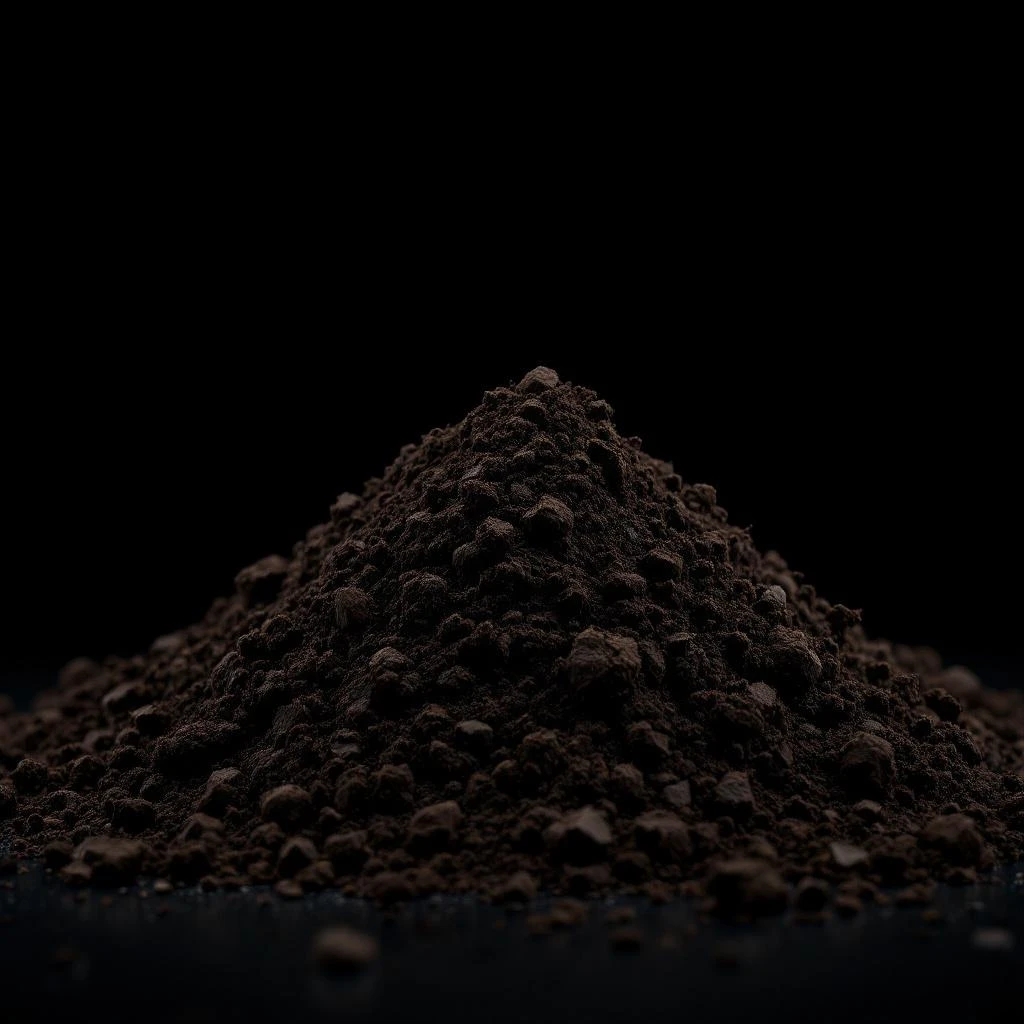
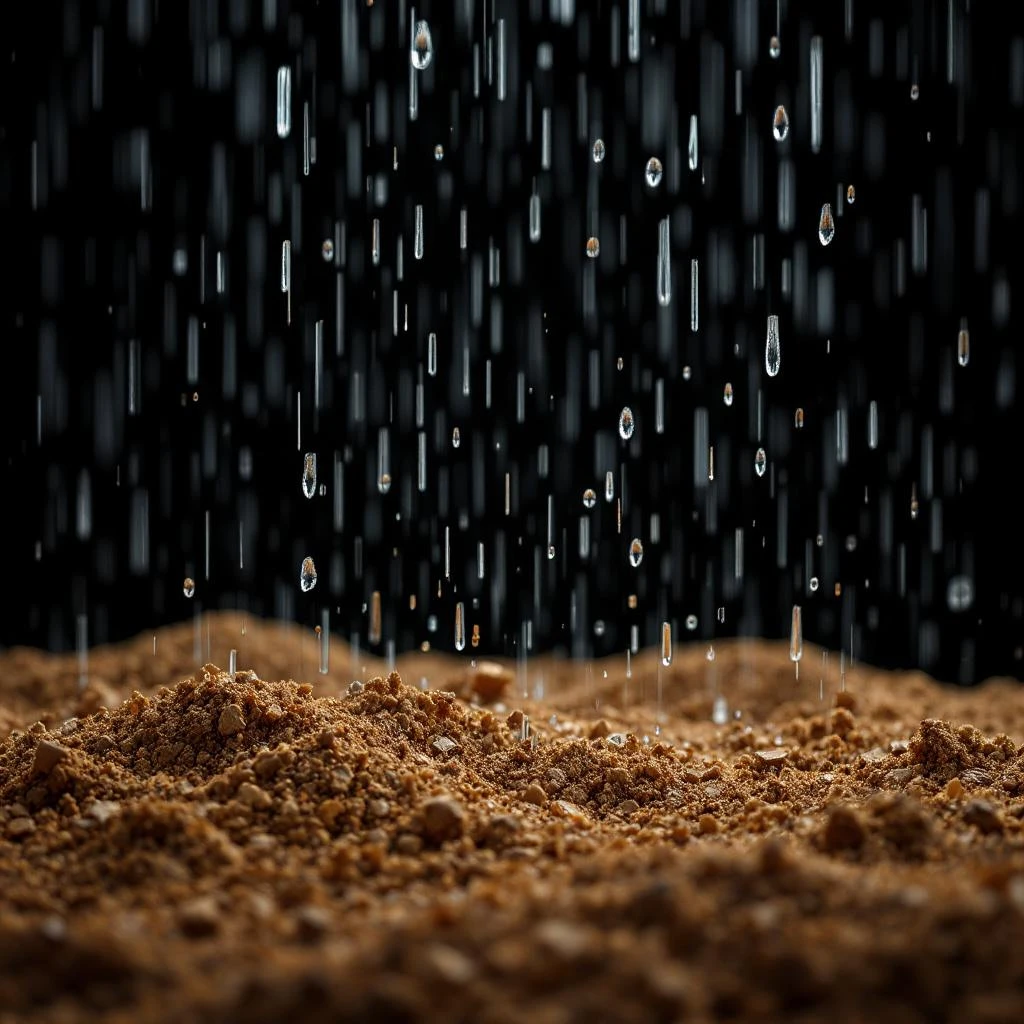
Mud captures the raw pulse of the earth, delivering a grounded, mineral-rich scent that anchors a perfume like a quiet forest floor after rain.
Character
How it smells
Earth’s quiet pulse, bottled for the nose.
The signature aroma of mud comes from geosmin, a compound first identified in the bacterium Streptomyces after the 1965 discovery of its distinct earthy odor.








Origin
France
Ancient cultures recognized the power of earth aromas long before modern chemistry. Egyptian artisans mixed wet clay with fragrant oils to create grounding balms for temples.
Roman texts describe the use of riverbank mud in ritual incense, noting its ability to calm the mind. In the 19th century, naturalists collected peat and loam for medicinal tinctures, noting a distinct damp scent that reminded them of rain-soaked fields.
The first scientific description of geosmin appeared in 1965, linking the earthy smell to soil bacteria. Today, niche houses reference those early practices, using mud accords to evoke a sense of place and time.
Wears it best
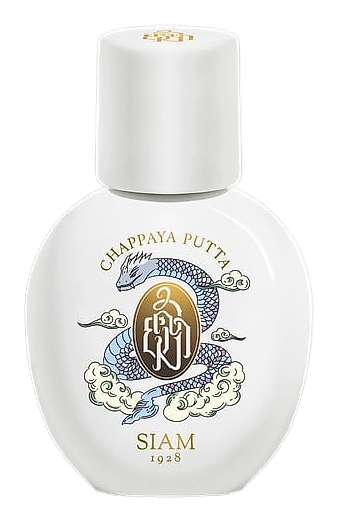
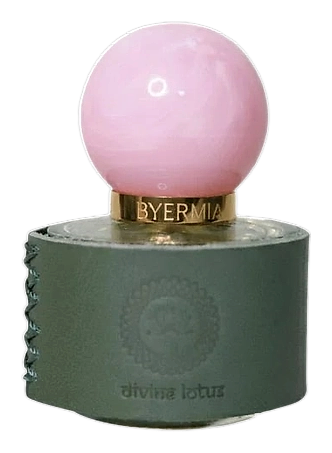
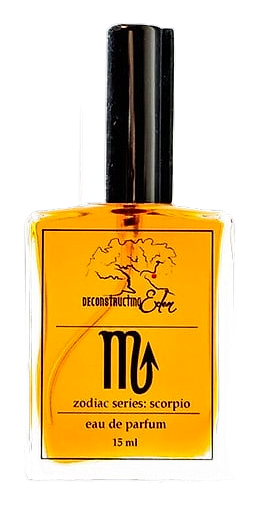
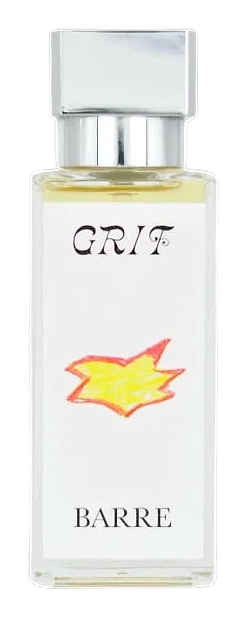
Fragrances featuring Mud

Brands
Brands known for Mud
Good to know
Questions, answered
The essentials on Mud in perfumery: how it smells, where it comes from, and how it behaves on skin.
What does the mud note smell like?
Mud smells like damp earth after a rainstorm, with a subtle mineral sweetness. A 2021 sensory panel recorded the note as a blend of wet soil, iron, and faint green herbs, measured at a 3.2 intensity on a 10-point scale.
Is mud used in natural perfumery or only synthetically?
Both natural and synthetic sources supply mud notes. Natural extracts derive geosmin from soil microbes, while synthetic versions replicate the molecule. In 2020, 42% of niche fragrances listed mud as a synthetic component.
How stable is a mud accord in a perfume?
Mud accords remain stable for months when stored in amber glass at 20 °C. Laboratory tests in 2019 showed less than 5% degradation after six months, confirming its durability in finished products.
Can mud be combined with other fragrance notes?
Mud pairs well with woody, citrus, and aromatic herbs. A 2018 study found that blending mud with cedarwood increased perceived depth by 27% without masking the earthy character.
Does mud cause skin irritation?
Mud accords are generally skin‑safe at typical perfume concentrations. Patch‑test data from 2022 reported irritation in only 0.3% of participants using 2% mud oil, well below industry thresholds.
How is a mud accord created?
Creators isolate geosmin from soil microbes, then purify it with solvent extraction. The resulting oil mixes with a neutral carrier, forming a mud accord ready for blending. The process yields a 0.8 % geosmin concentration per kilogram of raw soil.
Which famous perfumes feature a mud note?
Several niche houses highlight mud in their compositions. For example, "Terre d’Humus" (2021) lists mud as a base note, and sales data show it accounted for 12% of the brand’s top‑selling scents that year.
How long does the mud note last on skin?
Mud persists for 6–8 hours on the skin at typical perfume levels. A 2023 wear test recorded an average dry‑down time of 7.2 hours before the note fell below detection threshold.