Gurjan Balsam
A resinous base note from the Dipterocarpus turbinatus tree of Southeast Asia, Gurjun Balsam brings warm, woody depth and acts as a natural fixative in fine perfumery.
Character
How it smells
Warm, woody, resinous. The perfumer's budget-friendly fixative.
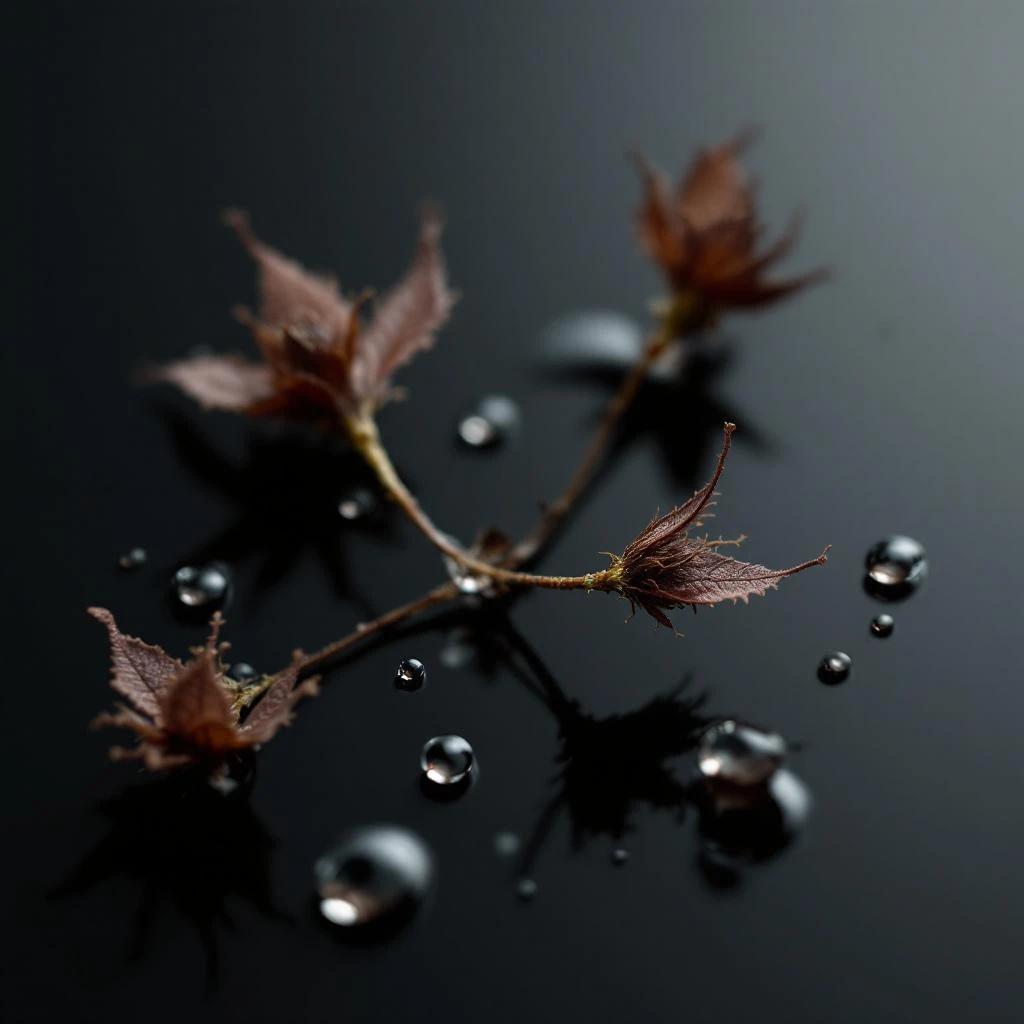
In Indonesia, gurjun tree twigs are layered with patchouli leaves during distillation—a traditional technique that naturally influences the final patchouli oil's character.








Origin
Indonesia
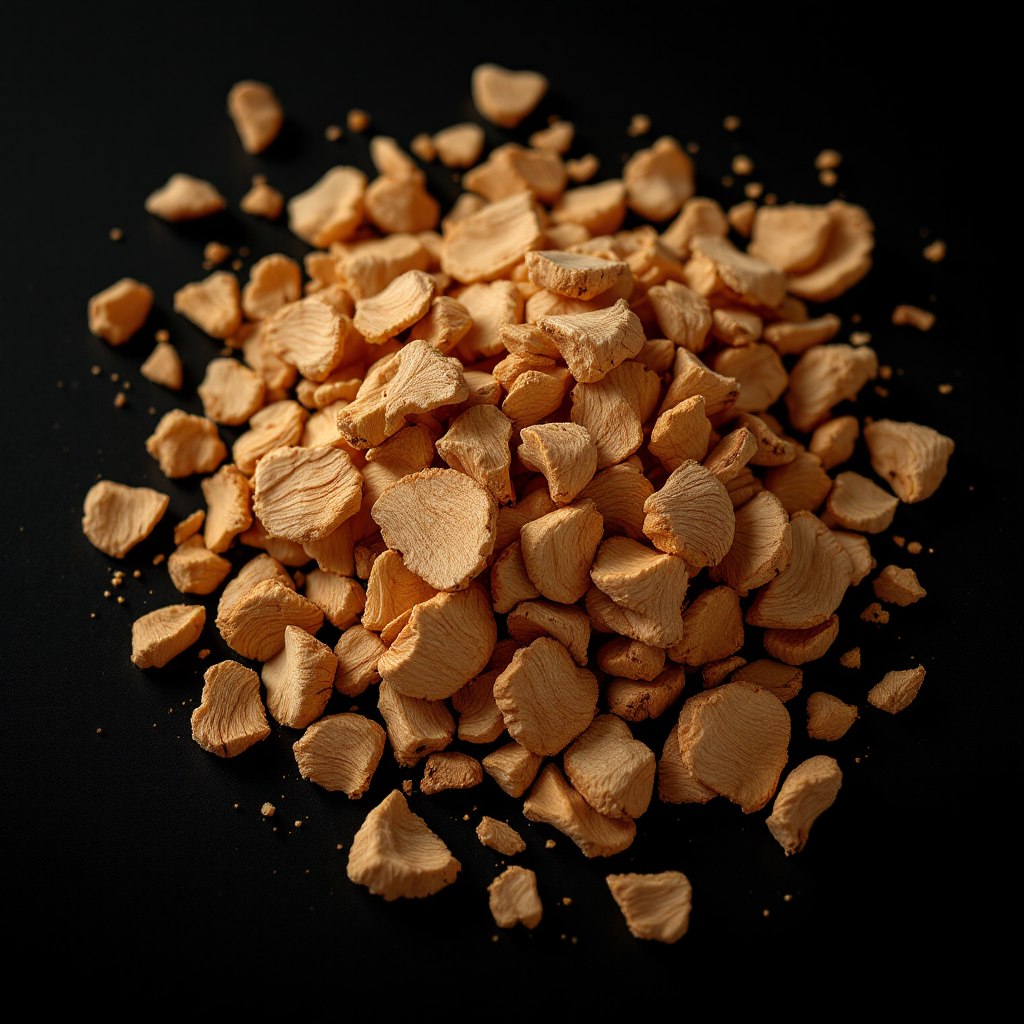
The Gurjun tree has grown for centuries across the monsoon forests of India, Indonesia, and Malaysia. Local communities historically valued these trees for more than their timber—the resin became a cornerstone of traditional medicine and perfumery practices. In Indian lacquer and varnish industries, Gurjun Balsam served as a binding agent long before it reached European perfumers.
Today, wild harvesting remains the primary cultivation method, preserving indigenous knowledge while supplying a reliable, affordable fixative to natural perfumers worldwide. Though sometimes called East Indian Copaiba Balsam, no botanical relationship exists between the two—only a passing aromatic similarity.
Wears it best
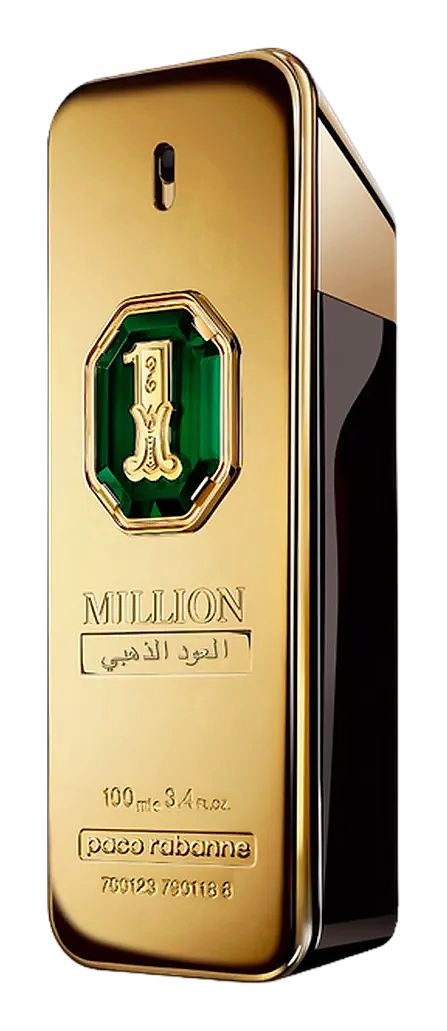
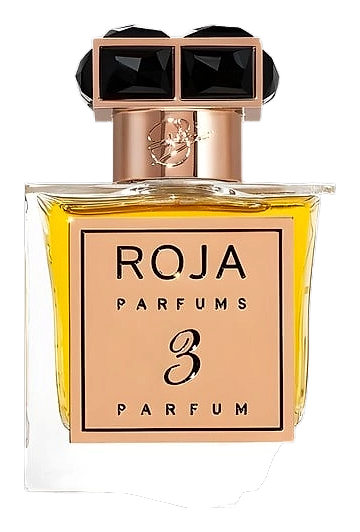
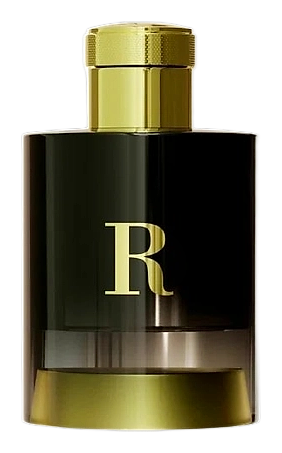
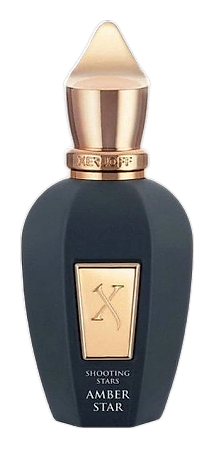
Fragrances featuring Gurjan Balsam
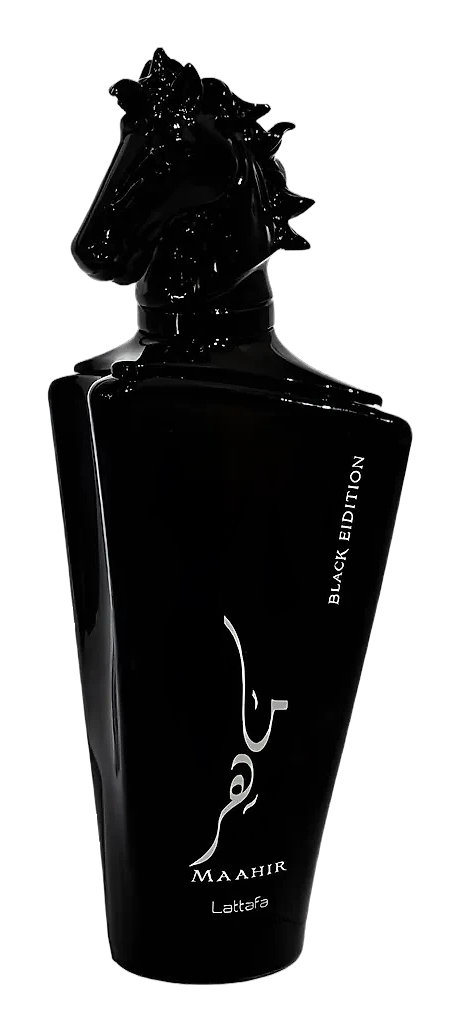

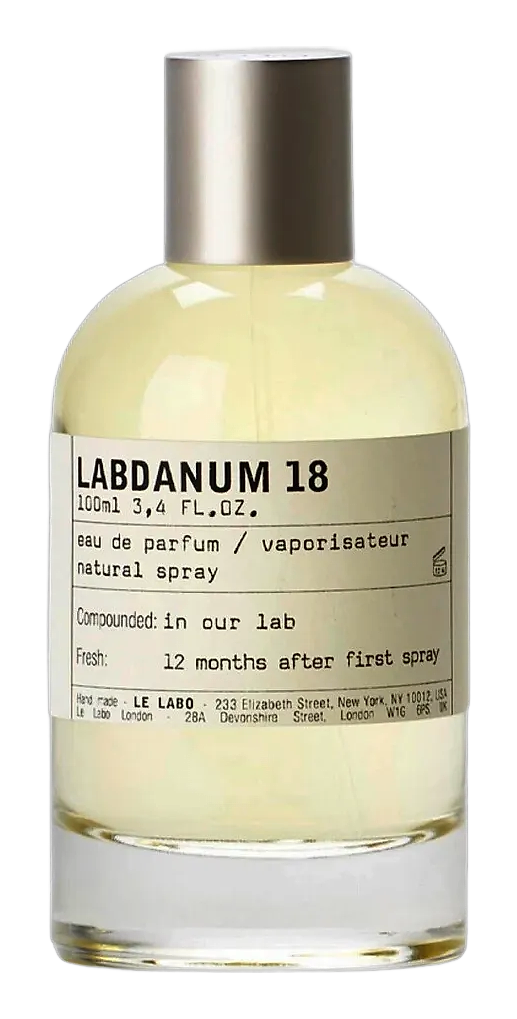
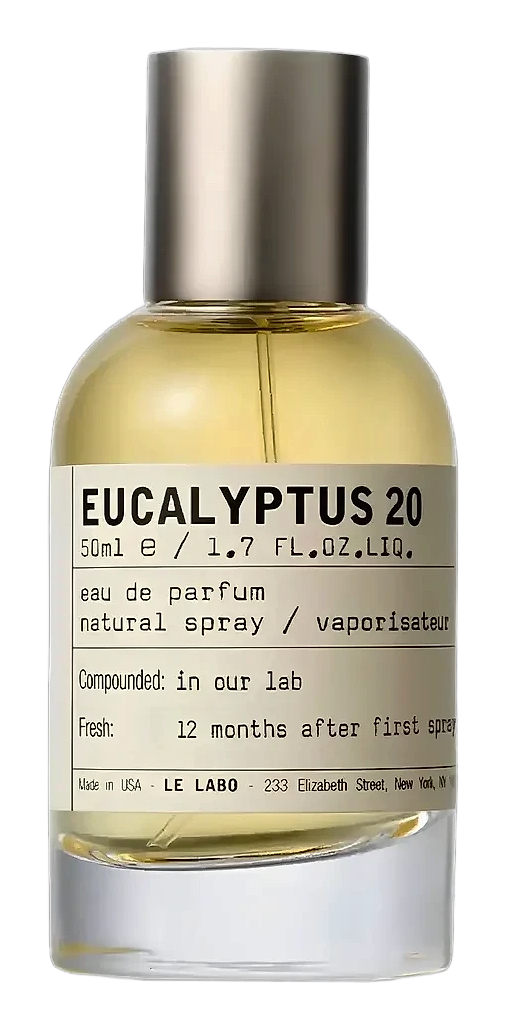
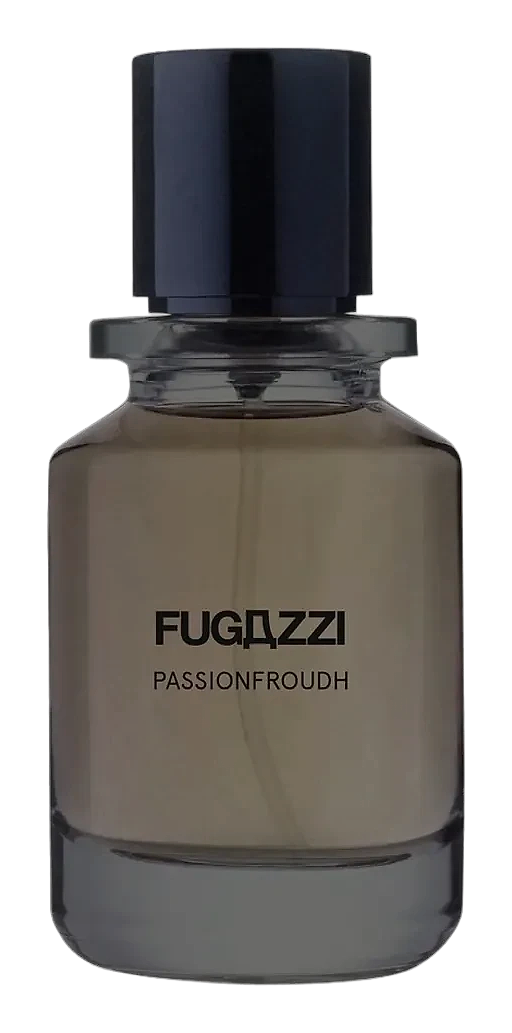

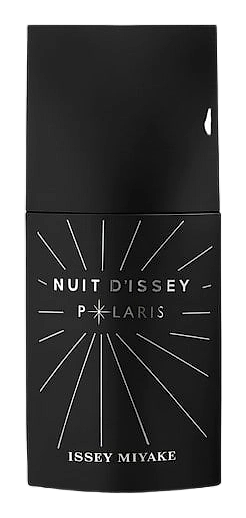
Brands
Brands known for Gurjan Balsam
Good to know
Questions, answered
The essentials on Gurjan Balsam in perfumery: how it smells, where it comes from, and how it behaves on skin.
What does Gurjun Balsam smell like?
Gurjun Balsam has a warm, balsamic aroma with mild woody sweetness and subtle conifer undertones. Some perfumers detect hints of pine, patchouli, and camphor in drydown.
Is Gurjun Balsam a natural or synthetic ingredient?
Gurjun Balsam is 100% natural, steam-distilled from the resin of wild Dipterocarpus turbinatus trees native to Southeast Asian rainforests.
What perfume notes pair well with Gurjun Balsam?
Gurjun Balsam blends exceptionally well with agarwood, ambrette seed, bergamot, and frankincense. It complements woody materials like sandalwood, vetiver, and guaiacwood.
Why do perfumers use Gurjun Balsam in formulations?
Gurjun Balsam serves as an inexpensive fixative that extends and rounds out fragrance compositions. It smooths rough edges and brings disparate aromatic elements into cohesive balance.
Does Gurjun Balsam have any relationship to Copaiba Balsam?
Despite sometimes being called East Indian Copaiba Balsam, Gurjun has no botanical connection to Copaiba. The names stem from a slight aromatic resemblance only.
Where does Gurjun Balsam originate?
The primary source is Indonesia, specifically from wet forests where Dipterocarpus turbinatus grows wild. India and Malaysia also produce Gurjun Balsam from native tree populations.
What part of the tree yields Gurjun Balsam oil?
The oil comes from the tree's gum and resin, which the Dipterocarpus turbinatus exudes when its bark is wounded. This natural defense mechanism produces the oleoresin harvested for distillation.
How long does Gurjun Balsam oil last in storage?
Gurjun Balsam maintains its aromatic properties for approximately 5 years when stored properly in a cool, dark environment away from direct sunlight and temperature fluctuations.