Rain Notes
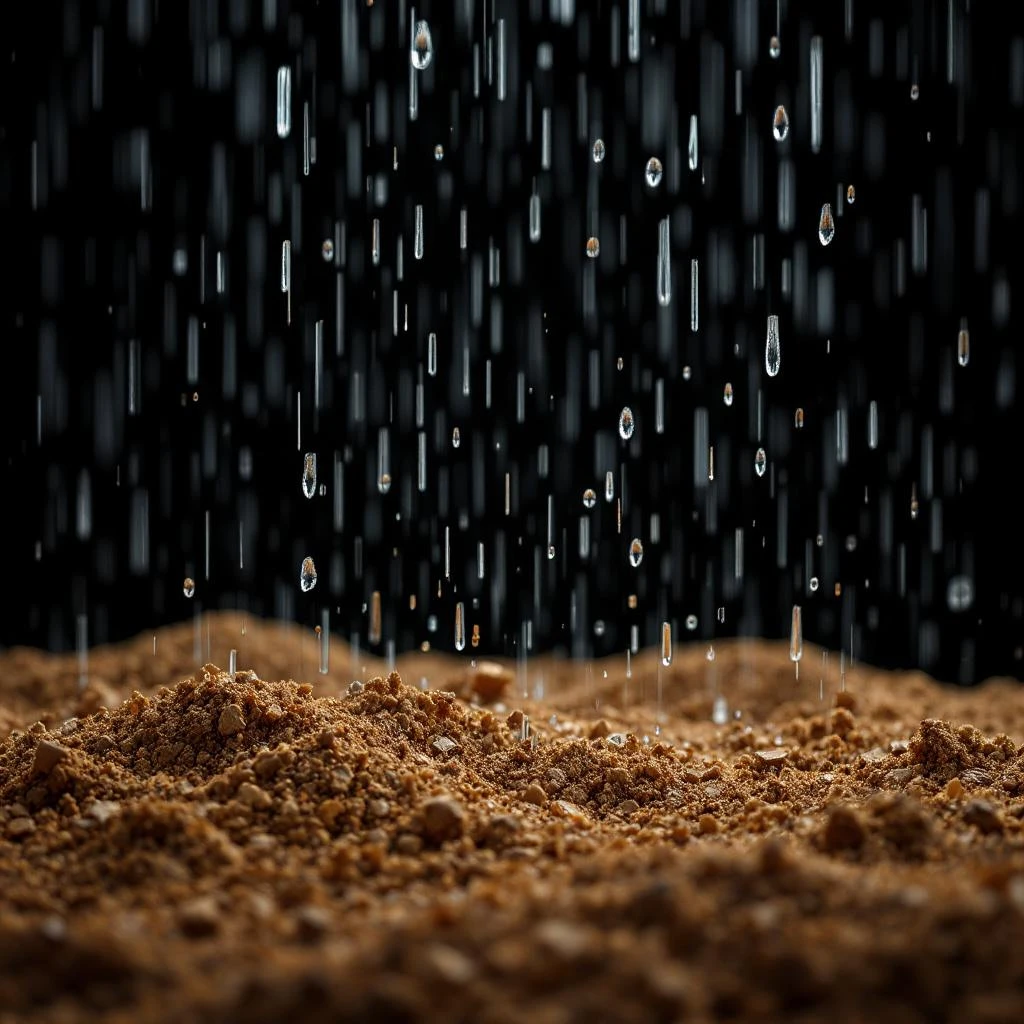
Rain Notes capture the memory of water meeting earth, recreating that moment when storm meets soil. Perfumers blend petrichor, ozone, and wet botanicals into accords that exist nowhere in nature yet feel deeply familiar.
Character
How it smells
The scent of water meeting the world.
The word petrichor, describing rain's earthy smell on dry ground, entered English dictionaries only in 2015.






Origin
Global development
Perfumery's fascination with elemental forces stretches back centuries, but rain as a distinct concept emerged in the late 20th century. Before this, perfumers referenced rain indirectly through green notes and earth tones. Modern fragrance houses began systematically exploring rain's olfactory dimensions during the 1990s, spurred by advances in synthetic chemistry.
Headspace technology allowed researchers to analyze actual rain-hit surfaces, giving perfumers data to reconstruct these scents artificially. Today rain notes appear across niche and designer fragrances, often tied to themes of renewal, cleanse, and atmospheric tension.
Wears it best
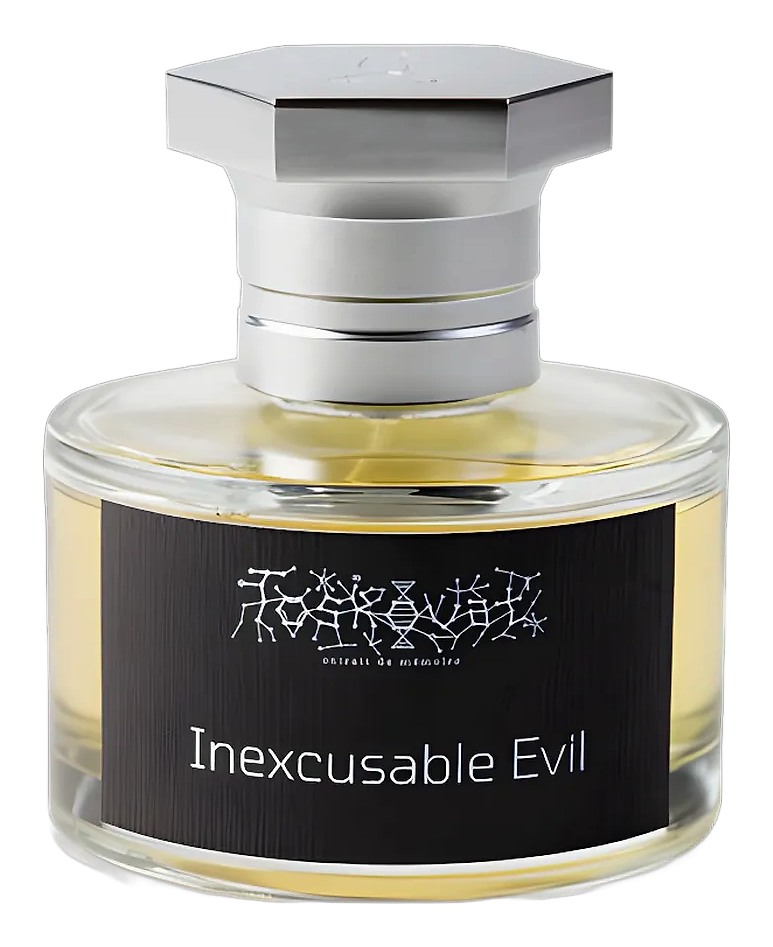
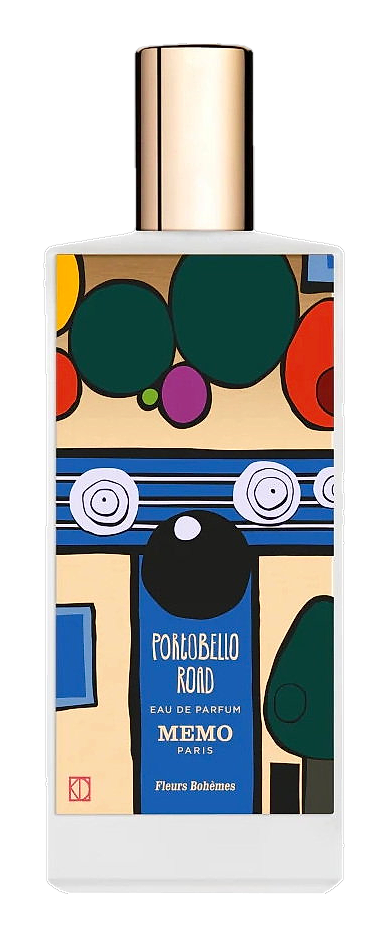
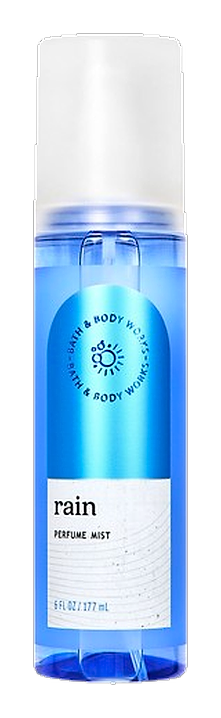
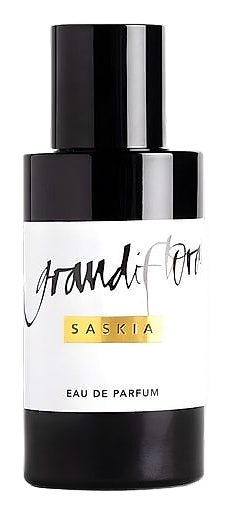
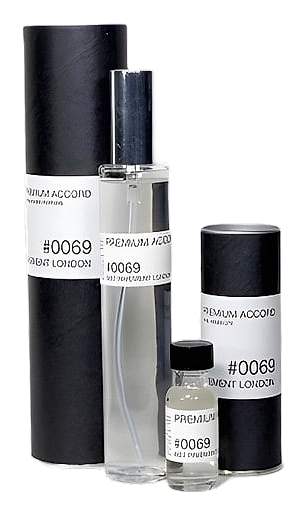
Fragrances featuring Rain Notes






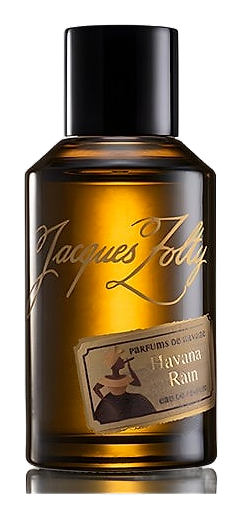
Brands
Brands known for Rain Notes
Good to know
Questions, answered
The essentials on Rain Notes in perfumery: how it smells, where it comes from, and how it behaves on skin.
What exactly are Rain Notes in perfumery?
Rain Notes are synthetic accords that recreate the scent experience of rainfall. They combine materials like geosmin, ozonic compounds, and wet green elements to evoke rain meeting earth, pavement, or vegetation. No natural extraction produces rain scent, so perfumers compose these notes from multiple ingredients.
Is there a natural Rain Notes ingredient?
No natural ingredient captures rain's scent in isolation. The characteristic smell of approaching rain comes from multiple sources: geosmin from soil bacteria, ozonic compounds from lightning, and oils released from vegetation. Perfumers must reconstruct these elements synthetically.
What gives rain its distinctive smell?
Petrichor, the earthy scent released when rain hits dry soil, comes primarily from geosmin produced by soil bacteria called actinomycetes. Additional scent layers come from plant oils absorbed by dry earth and ozonic compounds generated by lightning during storms.
How do perfumers create Rain Note accords?
Perfumers build Rain Notes by combining synthetic molecules like Calone and norlimbanol for ozonic qualities, geosmin derivatives for earthy depth, hedione for fresh green notes, and various bases representing wet stone or vegetation. The composition varies based on the rain scene the perfumer aims to evoke.
What variations of Rain Notes exist?
Perfumers create distinct rain interpretations: Petrichor emphasizes wet earth and soil; Thunderstorm adds ozone and electric intensity; Wet Garden highlights crushed vegetation and florals; Spring Shower captures lighter, fresher rainfall. Each variant combines different base materials to achieve its specific character.
Which fragrance families commonly use Rain Notes?
Rain Notes appear most often in aquatic, green, and ozonic fragrance families. Modern chypres and florientals also incorporate these accords, particularly in creations aiming for atmospheric or atmospheric-clean scent profiles.
When did Rain Notes become prominent in perfumery?
Rain Notes gained prominence in the 1990s alongside the aquatic fragrance boom, with designers like Issey Miyake's L'Eau d'Issey (1992) pioneering ozonic aquatic interpretations. Advances in synthetic chemistry during this period enabled the creation of more convincing rain accords.
What materials pair well with Rain Notes?
Rain Notes combine effectively with transparent florals like iris and violet for wet garden interpretations, with woody notes like vetiver and cedar for forest floor scenes, and with clean musks for contemporary aquatic fragrances. The pairing depends on whether the perfumer aims for rural petrichor or urban drizzle.