The Story
Why it exists.
The beginning
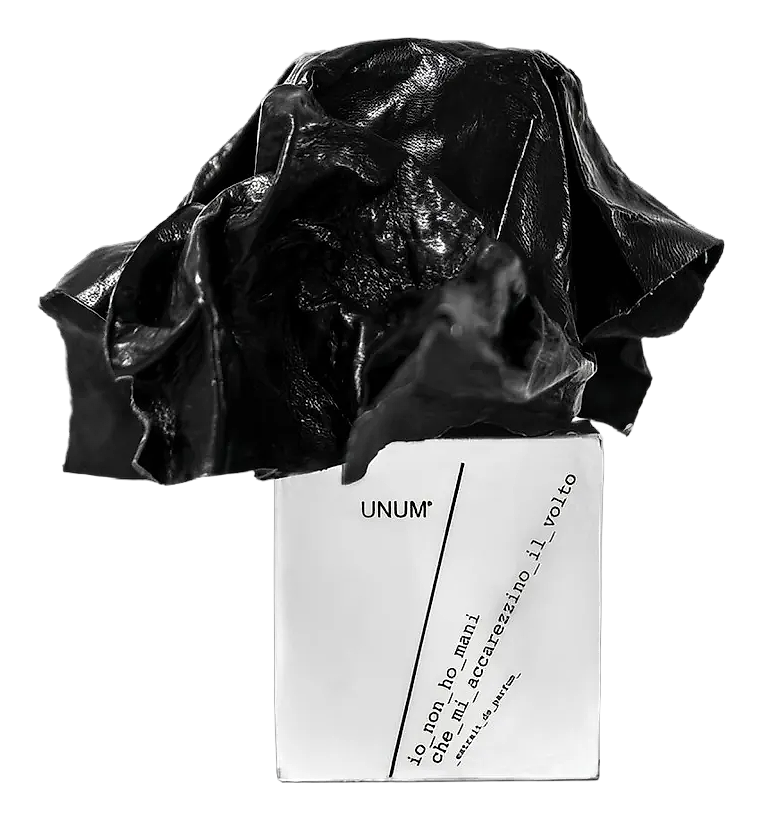
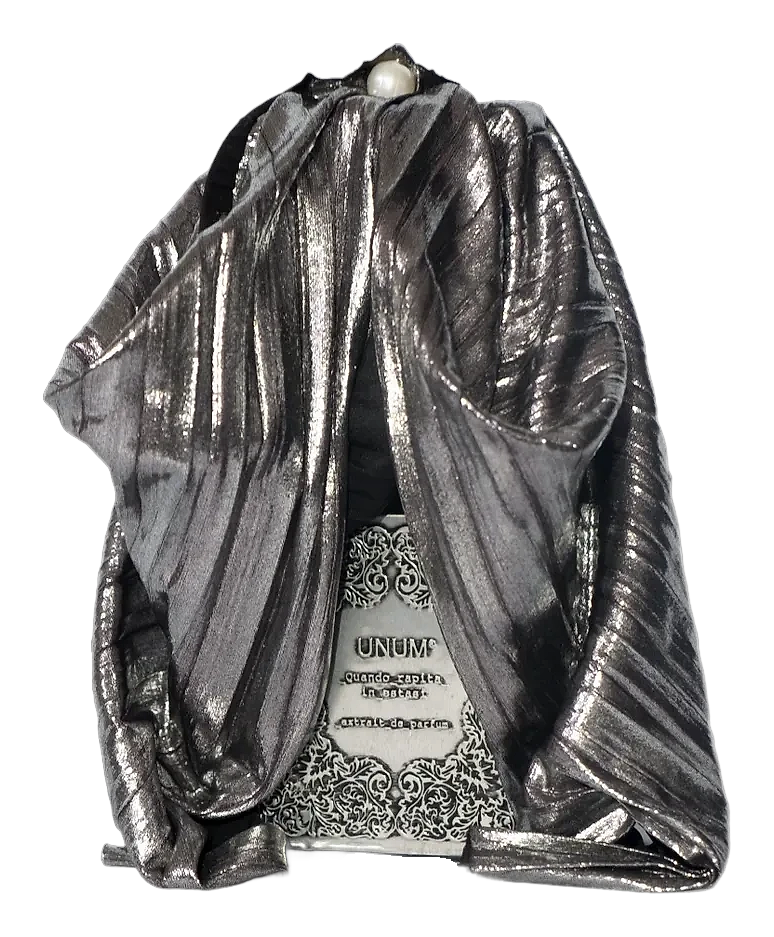
The name comes from the Italian for 'when taken in ecstasy', drawn from an aria in Donizetti's Lucia di Lammermoor. More specifically: the 'madness aria,' the scene that made Maria Callas immortal at La Scala in the 1950s. The fragrance translates that moment, the crescendo before the break, the beauty that tips into something unhinged. The brief was opera as olfactory experience: incense for the cathedral acoustics, lily of the valley for the stage flowers, a peach-sweet heart that reads almost medicinal, almost wounded. What began as a sketch of theatrical ecstasy became a full composition, a scent that stages something private, then makes it public.
What makes this structure unusual is the placement of peach, not at the opening where fruity notes typically announce themselves, but sitting deep in the heart, cushioned between clove's warm spice and the balsamic weight of fir and labdanum. It doesn't arrive as a fresh fruit note. It arrives as a memory of sweetness, slightly dazed, slightly too late. The double dose of frankincense, top and base, means the incense never fully leaves. It's the room you're standing in, not the thing you sprayed.
The evolution
The opening arrives heavy. Frankincense dominates from the first breath, smoke curling thick and resinous. Cedarwood provides structure beneath it, dry, slightly pencil-shaving in its early minutes before softening against the skin. Lily of the valley appears as a green whisper, fleeting, almost lost in the smoke. The handoff happens around 20 minutes: clove emerges from the heart alongside peach, the spice and fruit braiding together in a way that feels almost accidental, as if they wandered in from a different fragrance entirely. The drydown is where this lives. Hours three through eight, the balsamic fir and labdanum anchor everything, with vetiver and patchouli providing earth and darkness. Tonka bean and vanilla arrive last, a quiet warmth that keeps the smoke company without softening it. The next morning: faint resin on skin, the ghost of incense in fabric.
Cultural impact
Since its 2019 debut, Quando rapita in estasi has earned a devoted following among those who want incense done differently, not incense as atmosphere but incense as character. The niche perfume community has noted its unusual structure: the peach heart that arrives late, the smoke that never fully dissipates, the vanilla warmth that feels earned rather than tacked on. It's the kind of fragrance that sparks conversation precisely because it doesn't play it safe.