The Story
Why it exists.
The beginning
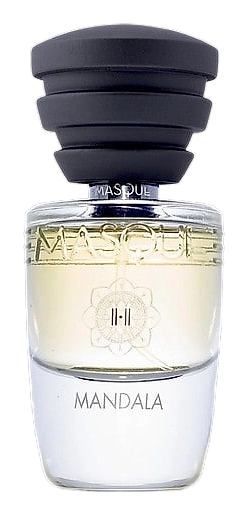
Christian Carbonnel designed Mandala as an olfactory translation of a sacred space, specifically the contemplative atmosphere one might encounter in a place dedicated to spiritual practice. Light, rarefied air. Utter silence. Prayer wheels turning slowly. The fragrance is named for the mandala itself: a geometric symbol of the universe, representing wholeness and the path toward enlightenment. Carbonnel worked within Masque Milano's Opera collection to create something that would transport the wearer somewhere else entirely, not through fantasy, but through the actual sensation of being somewhere sacred and still. The release arrived with a press release describing cows lazily lying on grass, monks' overtone singing, and two notes chanting in perfect peaceful harmony.
What makes Mandala unusual is its dual nature. The opening is assertive to the point of startling, nutmeg and angelica arrive with a sharp, almost medicinal intensity that catches many wearers off guard. But beneath that immediate impact lies a sophisticated structure built around the interplay of frankincense and labdanum. Frankincense appears twice in the pyramid: once at the top, once in the heart, creating a continuous thread of sacred smoke that never fully dissipates. The ambergris in the base is doing something subtle and animalic, the kind of material that adds depth without screaming for attention. Oakmoss provides a green, earthy counterpoint to the warmth.
The evolution
The opening announces itself immediately: a kaleidoscope of nutmeg and angelica with frankincense smoke curling beneath. It's intense, almost medicinal, with a shuddering quality that grabs attention. Thirty minutes in, the cardamom and clove begin to warm the composition, and the labdanum adds a sticky balsamic sweetness that starts to soften the edges. By the second hour, the cedar has emerged as a quiet anchor, tempering the spice with something woodier and more grounded. The drydown is where Mandala becomes itself, sandalwood and myrrh weaving together over a base of oakmoss and ambergris that adds animalic depth without crossing into raunchiness. This phase lasts. The fragrance offers above-average longevity, becoming increasingly intimate as time passes.
Cultural impact
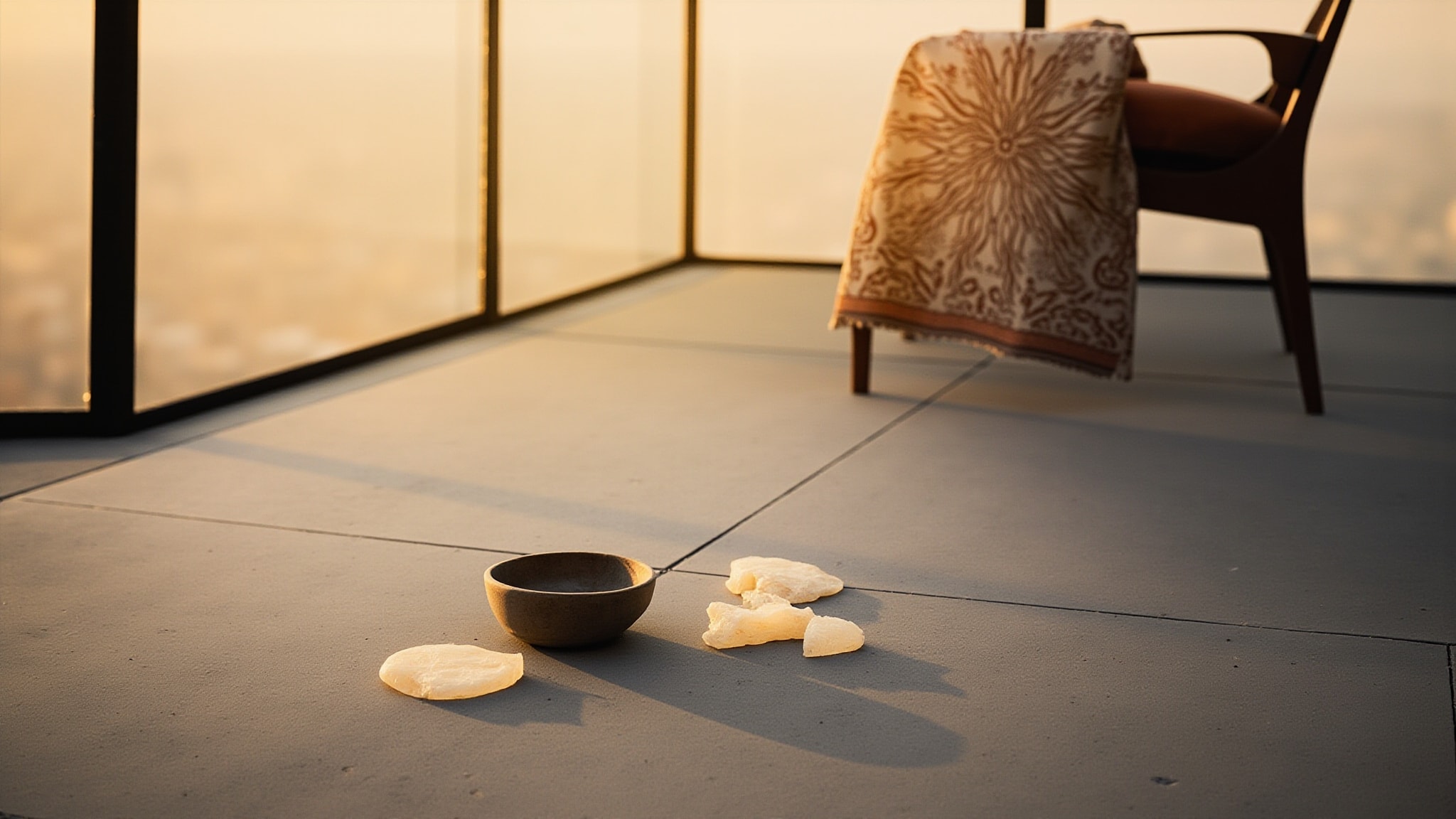
Mandala draws from the ceremonial tradition of burning aromatic resins in spiritual practices across the Middle East and Mediterranean. The name references a geometric symbol of cosmic significance, reinforcing the fragrance's meditative character. Frankincense has been traded for millennia along ancient caravan routes, valued not only as perfume but as a bridge between the physical and sacred realms. This fragrance channels that heritage into a modern context, offering wearers a connection to traditions that stretch back through centuries of human spiritual expression.