The Story
Why it exists.
The beginning
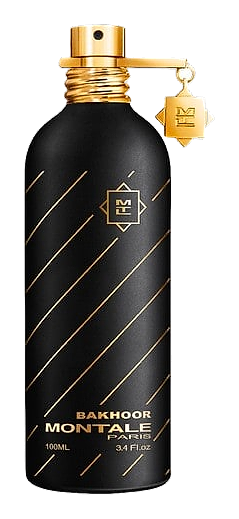
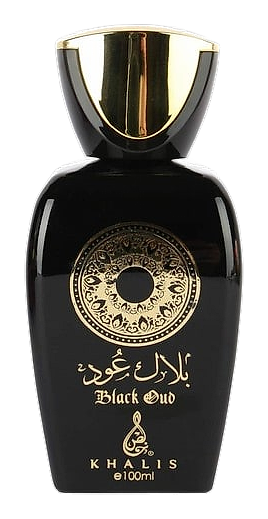
Laurent Mazzone founded his Paris house in 2010 with a simple conviction: fragrance should capture emotional moments, not chase seasonal trends. Black Oud arrived in 2012 as a statement of intent, an attempt to translate something primal and ancient into wearable form. The name says it plainly: this is oud stripped of polish, darkness without apology. Mazzone described the idea as an immersion into Indonesian depth, where agarwood originates and the material carries centuries of sensory history. The press release speaks of diving into the most darkness, of cedar and amber following in the trail of cumin and incense. What emerges is not a polite oud, it's one that asks something of the wearer.
The note architecture does something interesting: it layers complexity without losing coherence. Incense, cumin, and nutmeg open the composition like smoke threading through a dark room, warm, but never loud. The heart is pure agarwood, dense and slightly sweet, with labdanum holding everything in place like warm resin that keeps the structure from floating away. The base is where most fragrances save their best material, and here the ingredients earn their place: sandalwood and cedar bring warmth and cream, amber adds resinous depth, and the animalics, civet and castoreum, complete the picture. They're present without being aggressive, the kind of animalic that suggests skin rather than screaming it.
The evolution
The opening announces itself like incense curling through a dark room, nutmeg and cumin warming the air, not quite announcing themselves but settling into the space. Then the oud takes over in the heart, dense and smoky, with labdanum anchoring everything into a warm resinous core. The transition is smooth but the character shifts: what started as warmth becomes something darker, more layered. The drydown is where civet and castoreum meet the amber, sandalwood, and vanilla, animalic without aggression, intimate and close to the skin, lingering for hours. The cedar keeps its presence through the late hours, a quiet reminder of the structure beneath. What surprises is the staying power, the scent doesn't fade so much as deepen, becoming part of the wearer's space rather than occupying it. Designed for someone who understands that presence doesn't require volume.
Cultural impact
Black Oud arrived in 2012 at a moment when the Western perfume market was rediscovering oud's dramatic potential. The fragrance entered a landscape where consumers had grown more adventurous, seeking perfumes that broke from the safe, synthetic compositions of the late 20th century. This release tapped into a broader cultural moment where luxury goods, particularly in fragrance, were expected to communicate authenticity and artistic vision rather than mere pleasantness. The oud trend, largely driven by Middle Eastern perfume traditions entering Western consciousness, created fertile ground for Black Oud's animalic approach.