The Story
Why it exists.
The beginning
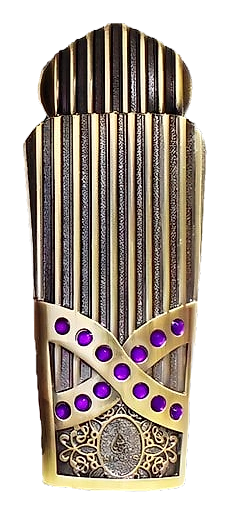
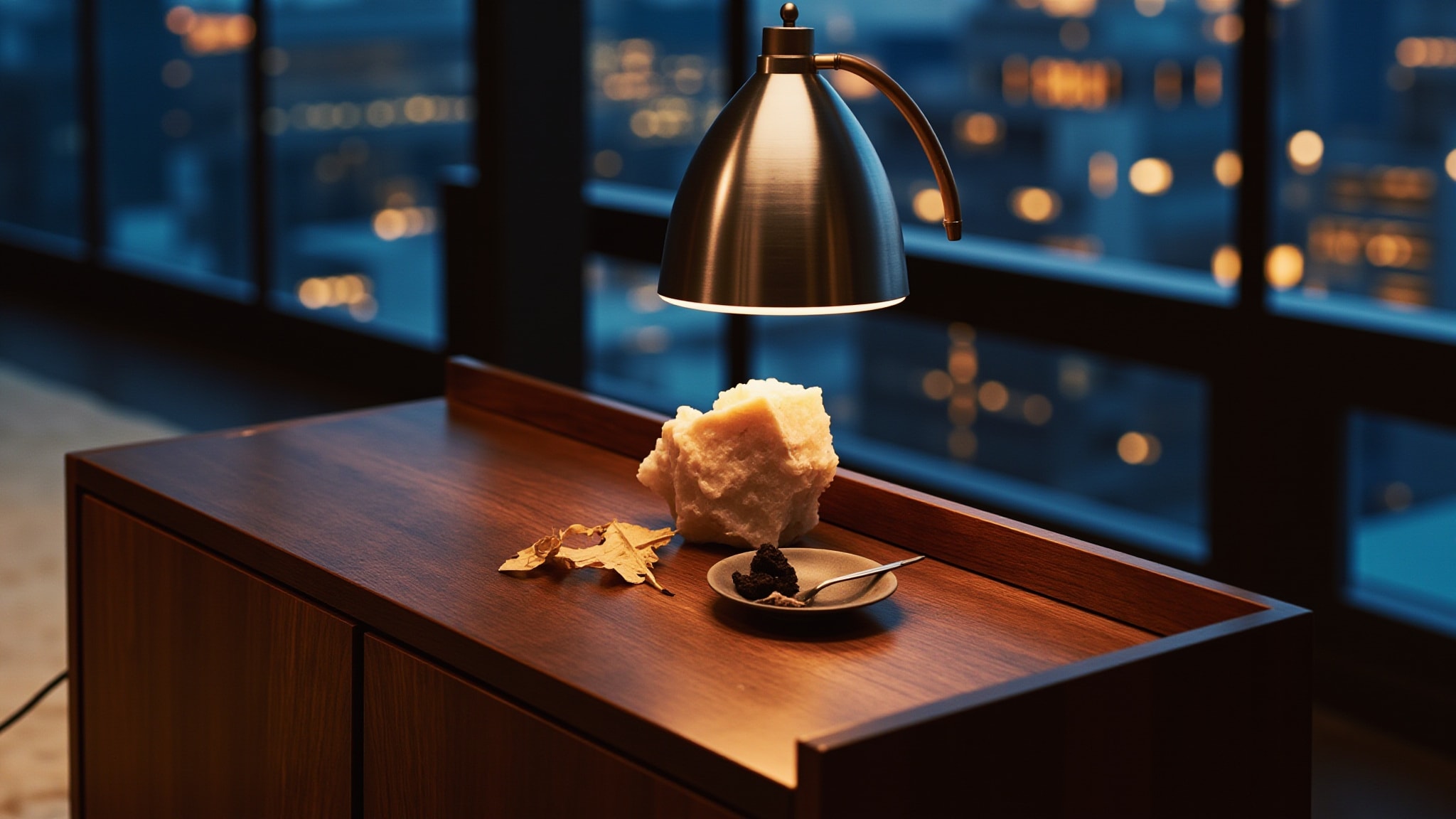
Faris Al Arab translates loosely as 'Knight of the Arabs' or 'Horseman of the Arabs,' a title that carries the weight of desert tradition and Arabian legacy. The name evokes honor, lineage, and the kind of quiet authority that doesn't need to raise its voice. From Khalis, the composition lives squarely in that space, a unisex oriental spicy that doesn't chase trends. It leans on the raw materials that Arabian perfumery has built its identity around: patchouli, musk, vanilla, and the sharp mentholated kick of camphor. Together these notes sketch a portrait of something rooted in tradition rather than borrowed from it, a fragrance that wears its regional heritage openly.
What makes Faris Al Arab distinctive is its refusal to soften the edges. The combination of camphor with patchouli and vanilla creates an unusual tension: the cooling, almost medicinal clarity of camphor sitting alongside the dense, earthy depth of patchouli, with vanilla acting as a binding warmth underneath. It's a structure that reads as both ancient and architectural, a scent that knows exactly what it is.
The evolution
The opening belongs to camphor, whose sharp clarity hits immediately, a cold, mentholated lift that feels bracing against the skin before any other note makes its presence felt. It carries a slightly medicinal edge, the kind of clean coolness that suggests camphor trees and the resinous air around them, before the patchouli begins to surface from underneath, dragging vanilla with it. As the composition moves through its early phase, it settles into its main register: musky, woody, with that persistent camphor still threading through like a cold current running beneath warmer waters. The spicy notes add heat without sweetness, a dry warmth rather than anything gourmand or food-like. Over the heart of the wear, the woody notes become more prominent, grounding everything in something that smells like dry timber and resin.
Cultural impact
Faris Al Arab arrives from Khalis, a house whose catalog leans into oriental perfumery as its core vocabulary. The composition reflects a clear allegiance to the raw materials that have defined regional fragrance making for generations, particularly the bold combinations of camphor, patchouli, musk, and vanilla that read as distinctly rooted in Arabian tradition. Its camphor-led opening, patchouli-musk heart, and vanilla-woody drydown place it firmly within a recognizable lineage of Middle Eastern fragrances that value clear material identity over delicate restraint.