The Story
Why it exists.
The beginning
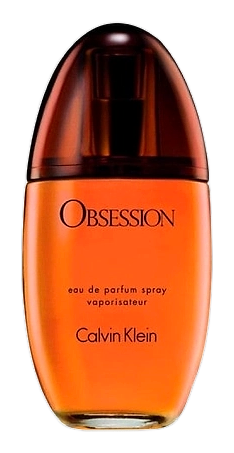
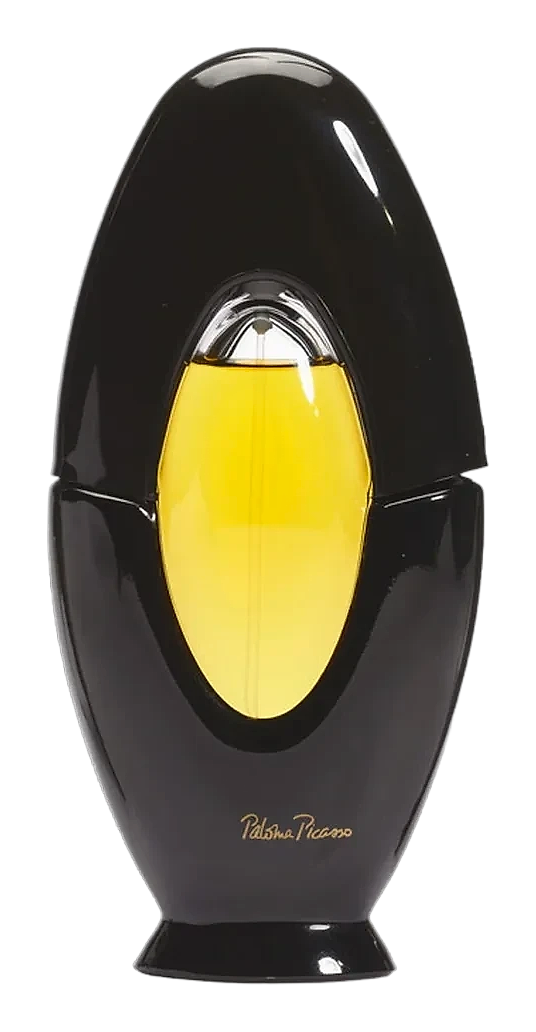
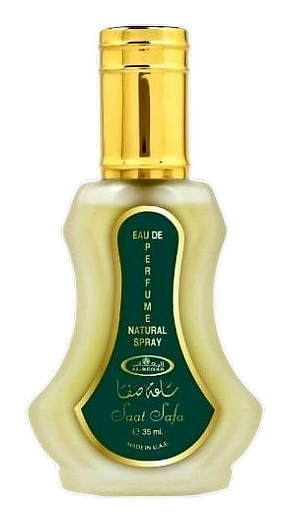
Saat Safa draws from a specific corner of perfumery history, the great mossy rose chypres of the 1980s, those uncompromising fragrances that announced themselves before introductions finished. Al Rehab, the Saudi house founded in 1975 on the principle that quality shouldn't require a luxury price tag, wanted to build a bridge between that Western powerhouse tradition and Arabian oriental craft. The name itself, Saat Safa, speaks to hours spent, time accumulated, a scent that earns its keep.
What makes Saat Safa unusual is its structural honesty. Modern orientals often soften their oud, sandalwood, and amber into a pleasant haze. Here, the moss acts as a skeleton, holding everything upright long after lesser fragrances would have melted into skin. The saffron doesn't apologize for its medicinal, almost polarizing spice. It's that confrontational quality, combined with the accessibility Al Rehab is known for, that sets this apart from safer oriental flankers.
The evolution
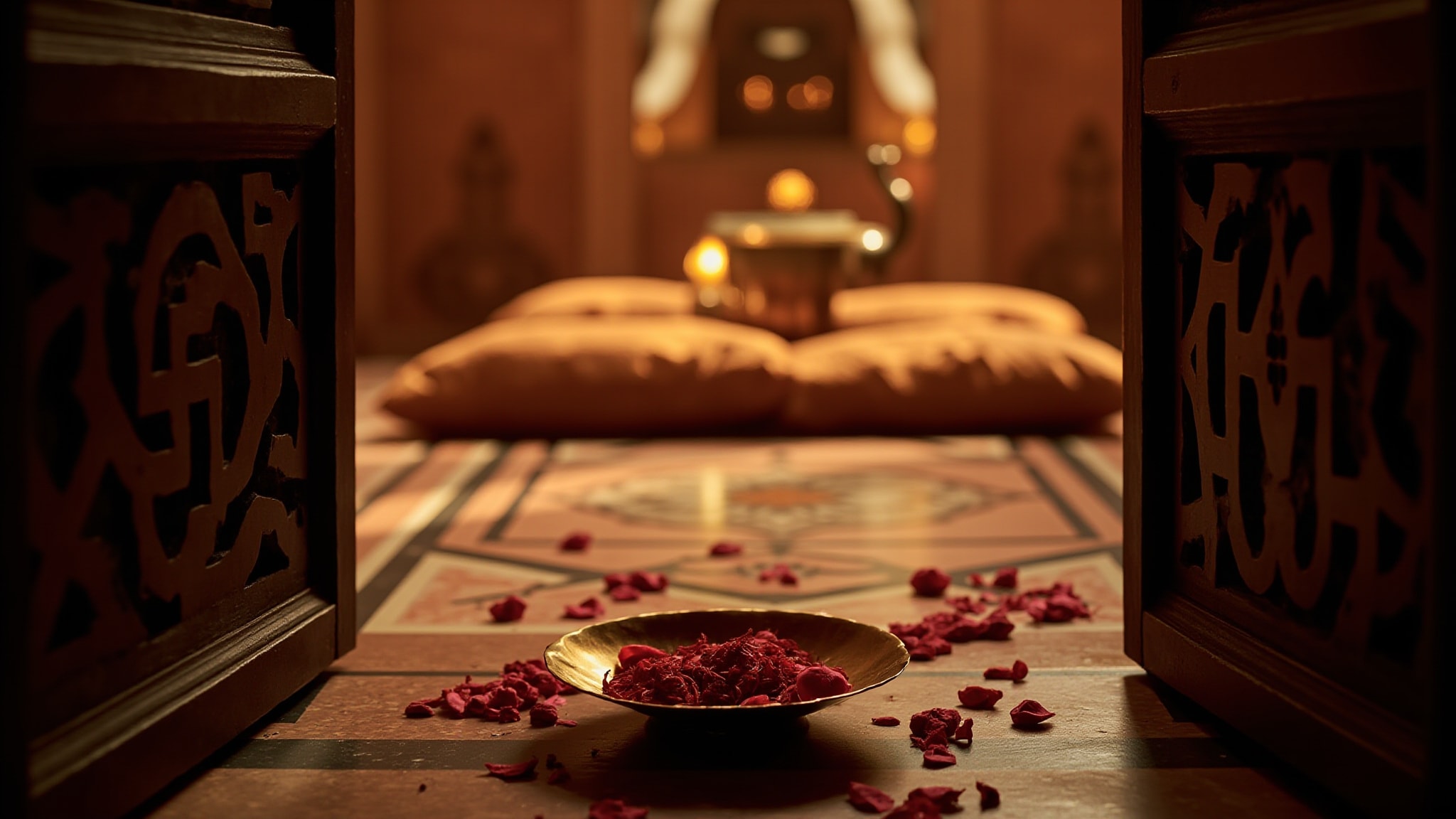
The opening arrives like a declaration. Saffron, oud, and citrus collide in something almost sharp enough to sting, but only for the first ten minutes. Then the rose blooms, wet and dense, not the polished rose of Western florals but something with more presence, more weight. Jasmine follows, sweet and slightly indolic, pushing the composition toward its richest phase. By hour three, the moss takes over. It doesn't politely surround the other notes, it undercuts them, providing an earthy, green-black counterweight to all that sweetness. Amber and patchouli warm the base, and the whole thing settles into something that smells like it belongs on skin, not in a bottle on a shelf. Eight to ten hours later, what's left is a skin-close whisper of oud, musk, and that persistent moss. On fabric, it lingers until the next wash.
Cultural impact
Saat Safa occupies an interesting space, it appeals to fragrance enthusiasts who remember the bold, uncompromising chypres of the 1980s but want them filtered through Arabian oriental sensibilities. It's not trying to compete with French luxury houses. Instead, it speaks directly to anyone who's been searching for that vintage richness without the vintage price.