The Story
Why it exists.
The beginning
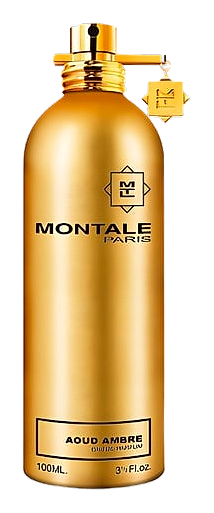
Pierre Montale built this fragrance around two of his most treasured materials: oud and amber. The year was 2006. He had created a space where intensity and longevity were treated as virtues rather than flaws, and this composition reflected that conviction. Aoud Ambre brings together the richness of these two materials, letting them speak for themselves without apology. The rose that appears in the heart of the composition is bold and present, refusing to play a supporting role to the base materials.
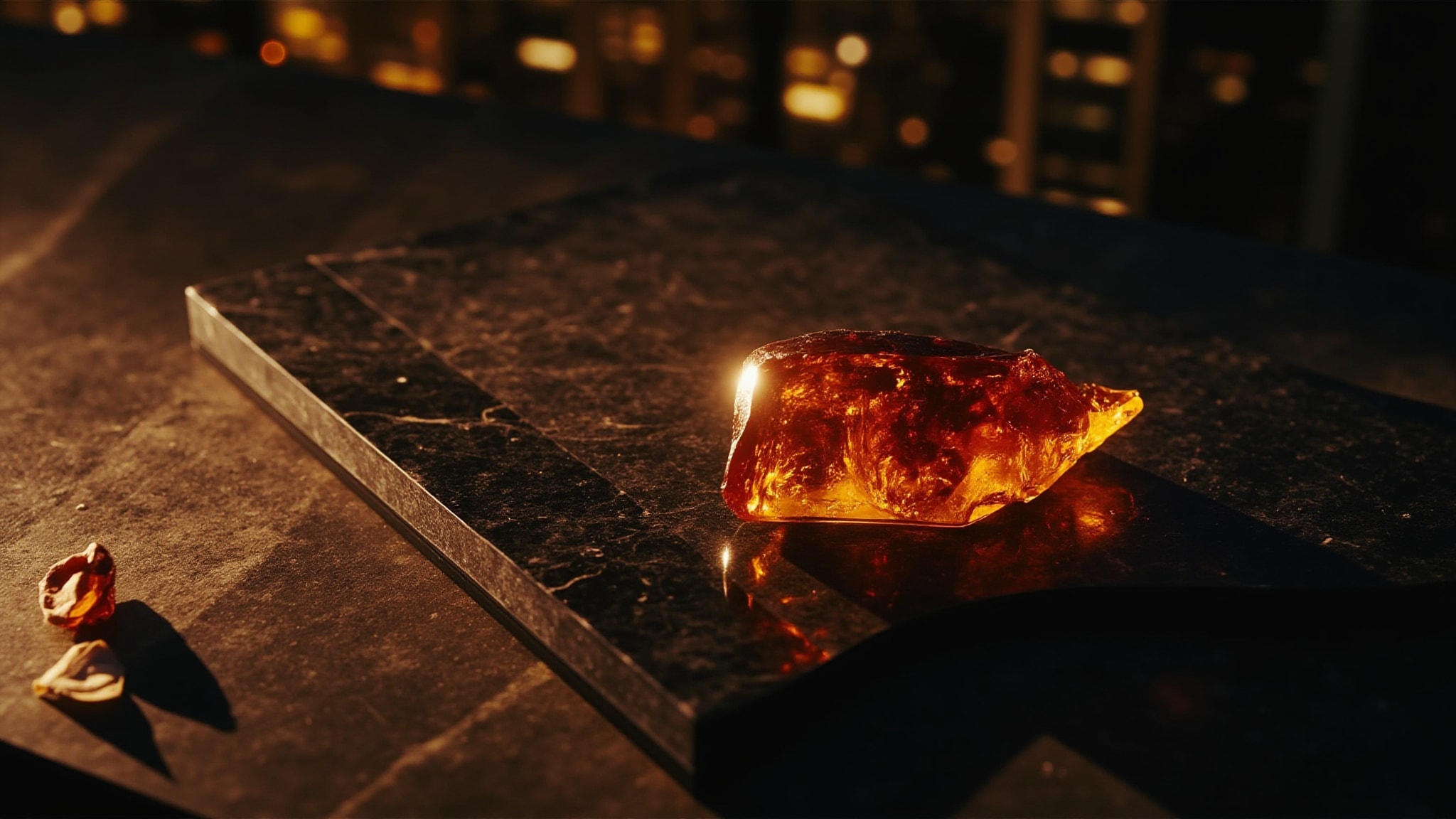
What makes Aoud Ambre unusual is its structural logic. Most oud fragrances announce their star ingredient immediately, letting it dominate from the opening. Here, the amber acts as a staging ground, warm, resinous, almost sweet, that lets the rose assert itself before the oud arrives to anchor everything. The French labdanum adds a mineral, almost leathery undercurrent that keeps the sweetness from becoming decorative. It's a composition built for people who appreciate the architecture of a fragrance, not just its first impression.
The evolution
The opening hits amber-first, resinous, golden, slightly honeyed. Within twenty minutes the rose walks in, and it's a real rose, not a rose-water approximation. Petal-soft but unapologetic. The oud arrives as a settling, deep, resinous wood that integrates with the amber rather than overwhelming it. As the composition develops, the rose recedes while the oud expands, leaving on skin a warm, animal-adjacent wood that holds its presence. The drydown reveals how these materials have blended into something cohesive and lasting.
Cultural impact
Aoud Ambre occupies an interesting position in Montale's catalog: it's one of their earlier compositions, and it has maintained a following among those who appreciate oud-amber compositions. The fragrance is noted for its balance, finding a way to present these rich materials without tipping into excess. For many enthusiasts, it represents a reference point within the house's offerings, a composition where the interplay between oud and amber feels resolved rather than competitive. Its continued recognition suggests it struck a chord that endures beyond trend cycles.