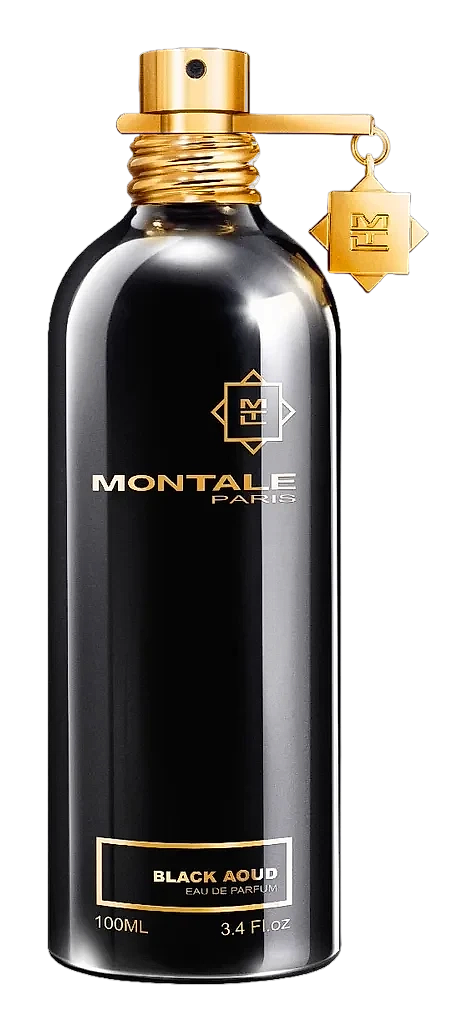

The Story
Why it exists.
Pierre Montale created fragrances for Saudi royalty before founding his Paris house. His time in the Arabian Peninsula shaped his craft, turning a deep fascination with agarwood into the foundation of everything he built. Black Aoud translates an ideal he kept encountering in the East: not simply oud, but the way oud and rose complete each other. The velvety texture of the rose sits at the center, bold and undeniable, while Cambodian oud anchors the composition with a presence that never lets go. This is oud that speaks in a language of warmth rather than aggression, a dark floral richness that feels complete from the first spray.
If this were a song
Community picks
Gymnopédie No. 1
Erik Satie
The Beginning
Pierre Montale created fragrances for Saudi royalty before founding his Paris house. His time in the Arabian Peninsula shaped his craft, turning a deep fascination with agarwood into the foundation of everything he built. Black Aoud translates an ideal he kept encountering in the East: not simply oud, but the way oud and rose complete each other. The velvety texture of the rose sits at the center, bold and undeniable, while Cambodian oud anchors the composition with a presence that never lets go. This is oud that speaks in a language of warmth rather than aggression, a dark floral richness that feels complete from the first spray.
What makes Black Aoud unusual in the oud-rose genre is its restraint. Rather than leading with the resinous, almost tar-like intensity that defines many Oriental oud fragrances, it opens with unexpected brightness: mandarin citrus cutting through the composition before the rose fully arrives. The rose itself is treated as the protagonist, not a supporting note, but the dominant character. Cambodian oud grounds it, yes, but it is the velvety texture of the rose that earns the first sentence of every review. The body remains medium rather than heavy, the drama present without the weight.
The Evolution
The opening belongs to mandarin. Tart, almost sour, it arrives with a clarity that feels almost accidental, like the opening of a different fragrance entirely. Then the rose comes. Not all at once, but as a gradual softening, the citrus warming as it recedes and the floral emerges. This is where Black Aoud earns its name: the rose reads as dark, not sweet. Cambodian oud and Indonesian patchouli arrive together, adding earth and resin without turning the composition heavy. The sillage builds. Projection is noticeable. For the next several hours, this is a fragrance that announces itself. The drydown settles into warmth: French labdanum and sandalwood forming a base that reads as almost creamy, with musk underneath. What started as mandarin brightness has become a warm, resinous hum that stays close to the skin but lingers for hours.
Cultural Impact
Black Aoud arrived as one of the defining oud-rose compositions in the modern Western market. It changed expectations in the genre, showing how oud could be used without drowning in it. The velvety rose keeps the intensity from becoming aggressive. For many wearers, this is the entry point into oud, the fragrance that showed heavy materials could still feel wearable.
The House
France · Est. 2003
Montale is the Parisian perfume house that brought the opulent soul of the Middle East to the West. Founded by a perfumer who once created scents for Arabian royalty, the brand is famous for its intense, long-lasting fragrances built around precious materials like oud, rose, and amber.
If this were a song
Community picks
This fragrance sounds like a dimly lit room, warm light, heavy fabric, the kind of silence that holds sound differently. The opening is all bright strings and something percussive and unexpected. Then the rose arrives and everything goes low. Cello and oud in the same room. A slow burn that doesn't resolve quickly. The drydown is sustained drone, warm, almost golden, something that hums under everything else.
Gymnopédie No. 1
Erik Satie