
The Story
Why it exists.
The beginning
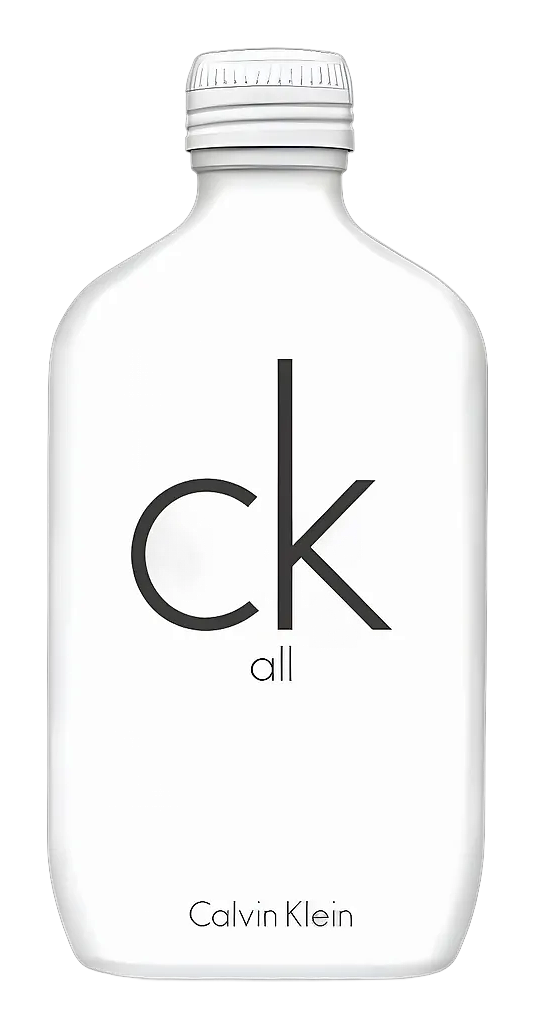
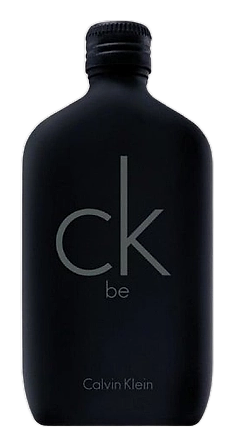
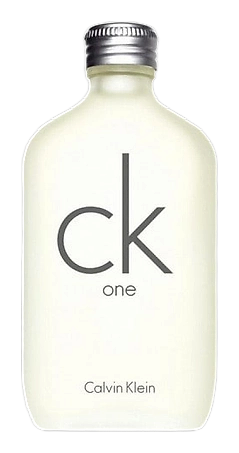
CK One arrived in 1994 with a single ambition: to smell like nothing that had come before. Alberto Morillas and Harry Frémont built the composition around a green tea accord that read as almost medicinal in its clarity, a clean counterargument to the conventions of its era. What emerged happened to work on anyone. That was the point. Bergamot and papaya opened bright, their citrus quality cutting through with an almost effervescent quality. Jasmine and violet added softness, their florals tempered by the green tea foundation so they never tip into sweetness. Musk and amber kept things grounded, providing the warmth that makes the fragrance feel worn rather than worn out. The formula was economical, every note had a reason to be there. Nothing decorative. Nothing wasted.
What makes CK One hold up is restraint. The green tea accord acts as both top note and foundation, it threads through the entire composition like a bassline, keeping the citrus from screaming and the florals from cloying. The florals stay cool and watery rather than lush. The musk stays close to skin rather than projecting. The composition could have easily leaned into heavier, sweeter territory. It doesn't. That discipline is why it still works.
The evolution
The opening hits like crushed citrus peel and wet stone, bergamot, mandarin, a whisper of papaya that doesn't quite ripen. The green tea arrives fast, cutting through before sweetness can settle. Within fifteen minutes, jasmine and lily of the valley soften the edges. Violet adds a cool, powdery quality without tipping into talc. The heart lasts roughly ninety minutes of clean, watery florals before musk and amber take over. By hour three, it's skin-warm and intimate, present enough to notice if someone leans in, invisible to the rest of the room. By hour five, it becomes memory. Wears clean. Leaves no trace. That's the arc. That's the appeal.
Cultural impact
CK One didn't just sell, it changed the conversation. One of the first fragrances openly marketed as unisex, it helped normalize gender-neutral scent for an entire industry. The 2010 Fragrance Hall of Fame award validated what wearers already knew: this wasn't a gimmick. It was a genuinely well-constructed fragrance that proved mass-market didn't have to mean mass-boring. Three decades later, it remains a benchmark. Not because of nostalgia. Because the formula still works.