The Story
Why it exists.
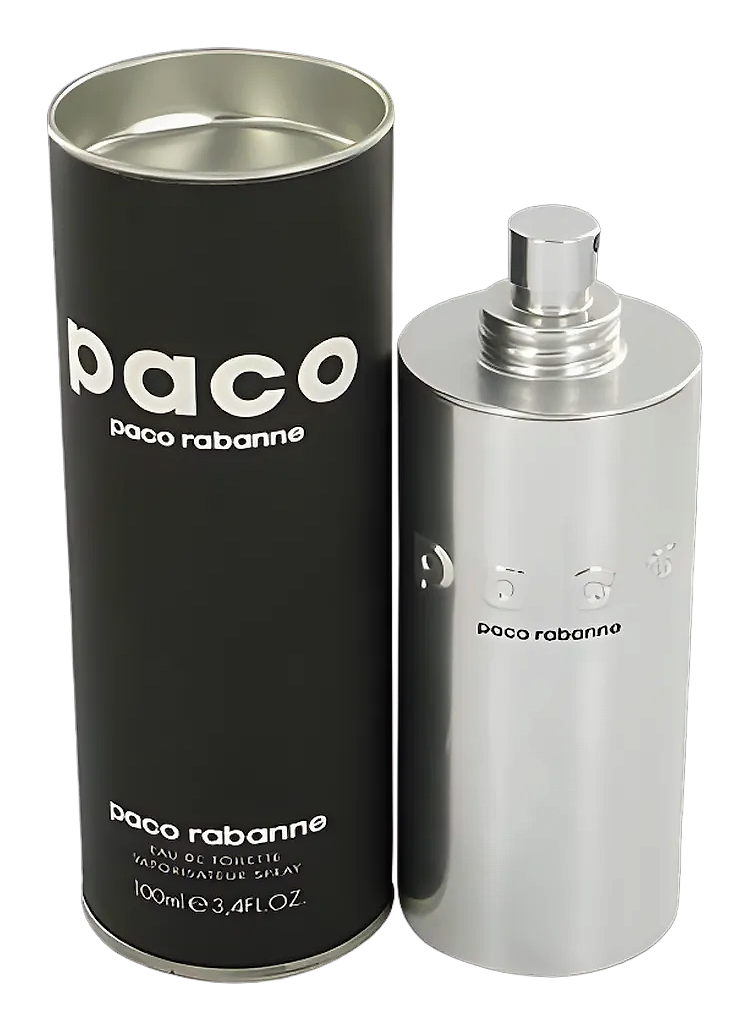
Rosendo Mateu built Paco as a deliberate move away from the aquatic zeitgeist. By 1995, marine notes had colonized department store counters. Every brand was chasing something clean and abstract. Mateu made a different bet: tea as the central note. Uncommon then. Uncommon now. Bergamot opens bright, mint cuts sharper, citrus lifts into shimmer, but underneath all of it, the tea stays put. Astringent, botanical, alive. The perfumer wasn't building a freshie. He was building a fresh scent that refused to be simple. Citrus without the wipe-clean aftershave trap. Green without the fougere masculinity that dominated masculine fragrance at the time. Mateu reached for something specific: the sharp clarity of tea, held open by the citrus around it, warmed by what comes after. That tension is the whole brief. The name matters too. 'Paco' is nickname, shorthand, the way you'd call someone close. Not a place. Not a mood. A person.
If this were a song
Community picks
Coffee & TV
Blur
The Beginning
Rosendo Mateu built Paco as a deliberate move away from the aquatic zeitgeist. By 1995, marine notes had colonized department store counters. Every brand was chasing something clean and abstract. Mateu made a different bet: tea as the central note. Uncommon then. Uncommon now. Bergamot opens bright, mint cuts sharper, citrus lifts into shimmer, but underneath all of it, the tea stays put. Astringent, botanical, alive. The perfumer wasn't building a freshie. He was building a fresh scent that refused to be simple. Citrus without the wipe-clean aftershave trap. Green without the fougere masculinity that dominated masculine fragrance at the time. Mateu reached for something specific: the sharp clarity of tea, held open by the citrus around it, warmed by what comes after. That tension is the whole brief. The name matters too. 'Paco' is nickname, shorthand, the way you'd call someone close. Not a place. Not a mood. A person.
Tea as a perfume note sits in strange territory. Not floral. Not citrus. Not woody. It crosses categories in a way that can feel abstract or familiar depending on execution. What Mateu understood was that tea needed support, not cover, but company. The bergamot and mint in the top notes aren't decorative. They lift tea's natural bitterness into something bright and aromatic, preventing it from going flat or medicinal. This is why the opening feels shimmering rather than austere. Then comes the heart's quiet argument with itself. Nutmeg is a spice that usually pushes masculine. Jasmine pushes feminine. Together here, they cancel into warmth without direction. Neither takes over. Neither retreats.
The Evolution
The opening arrives fast. Bergamot hits first, bright and immediate, followed by mint and citrus rolling in together. The tea is there from the start, but mint overtakes it in the first ten minutes. That's the initial surprise: the mint doesn't fade cleanly into the heart. It competes. The citrus and bergamot carry the first thirty minutes while mint steps back slowly. The heart announces itself quietly. Jasmine over nutmeg, warm, slightly spiced, not heavy. The nutmeg doesn't pierce. It softens. By the middle hour, the fragrance has settled into something unexpectedly warm for an opening that read so sharp. Cedar arrives in the base. Then sandalwood. The drydown reads clean-woody rather than amber-warm, and it stays there for the remaining hours. The oakmoss makes one last appearance around hour three, noticeable as a green undertone before the woods smooth it out. That moment is the tell: this isn't a fragrance that forgot where it started. The green thread carries through. On most skin types, you're looking at 4-6 hours.
Cultural Impact
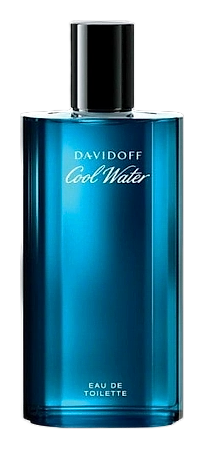
Launched in 1995, Paco arrived in a market oversaturated with aquatic notes. Fragrances like Cool Water and Aqua Move dominated the counters, and the marine trend showed no sign of exhausting itself. Perfumer Rosendo Mateu made a different choice: tea as the structural anchor, lifted by citrus and mint rather than oceanic chemicals. This was not merely a different marketing angle but a genuine alternative method for achieving freshness. The 1995 debut positioned it as a fresher approach to the marine trend, though it never reached the commercial ubiquity of those competitors. Nearly three decades later, the tea-forward approach still distinguishes it from the crowd, and that restraint proved influential.

The House
France · Est. 1966
Rabanne is a Paris-based fashion and fragrance house founded by Spanish-born designer Francisco Rabaneda Cuervo, known professionally as Paco Rabanne. The house established itself in perfumery through a partnership with Spanish fragrance company Puig, beginning with the 1969 launch of Calandre. The brand's olfactory identity draws from its fashion heritage: architectural construction, metallic materials, and provocative design language that challenged 1960s fashion conventions. Rabanne built a portfolio of over 85 fragrances spanning multiple decades, from aldehydic florals and aromatic fougeres to orientals and fresh aquatic compositions. The house's gold ingot-shaped bottle for 1 Million (2008) became one of the most recognizable fragrance silhouettes in global retail. Nadia Dhouib was appointed General Manager in April 2022 after serving at Galeries Lafayette, tasked with unifying the brand's fashion and fragrance voices and expanding audience reach. In mid-2023, the house rebranded from Paco Rabanne to simply Rabanne, completing that consolidation.
If this were a song
Community picks
Some fragrances sound like the moment before a city wakes up. Coffee brewing. A window cracked. The first real breath before the day takes over. Paco has that quality: calm, clear, present without volume. You don't hear it from across the room. You notice it when someone sits next to you.
Coffee & TV
Blur