The Story
Why it exists.
The beginning
O Boticário opened as a pharmacy in Curitiba in 1977, growing into one of Brazil's largest fragrance houses by blending South American botanical heritage with accessible, contemporary compositions. Insensatez arrived in 1995 under the hand of perfumer Louis Truc, representing a Brazilian attempt to bottle a specific kind of ease, the sensation of a warm morning, humidity in the air, something ripe and refreshing nearby. The name itself, Portuguese for foolishness or folly, suggests the perfume is not meant to be taken too seriously, it is an indulgence, a surrender to sensory pleasure without apology.
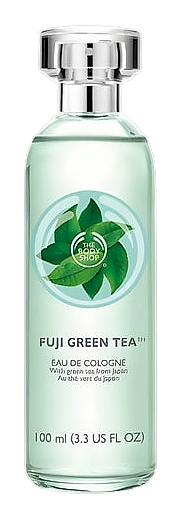
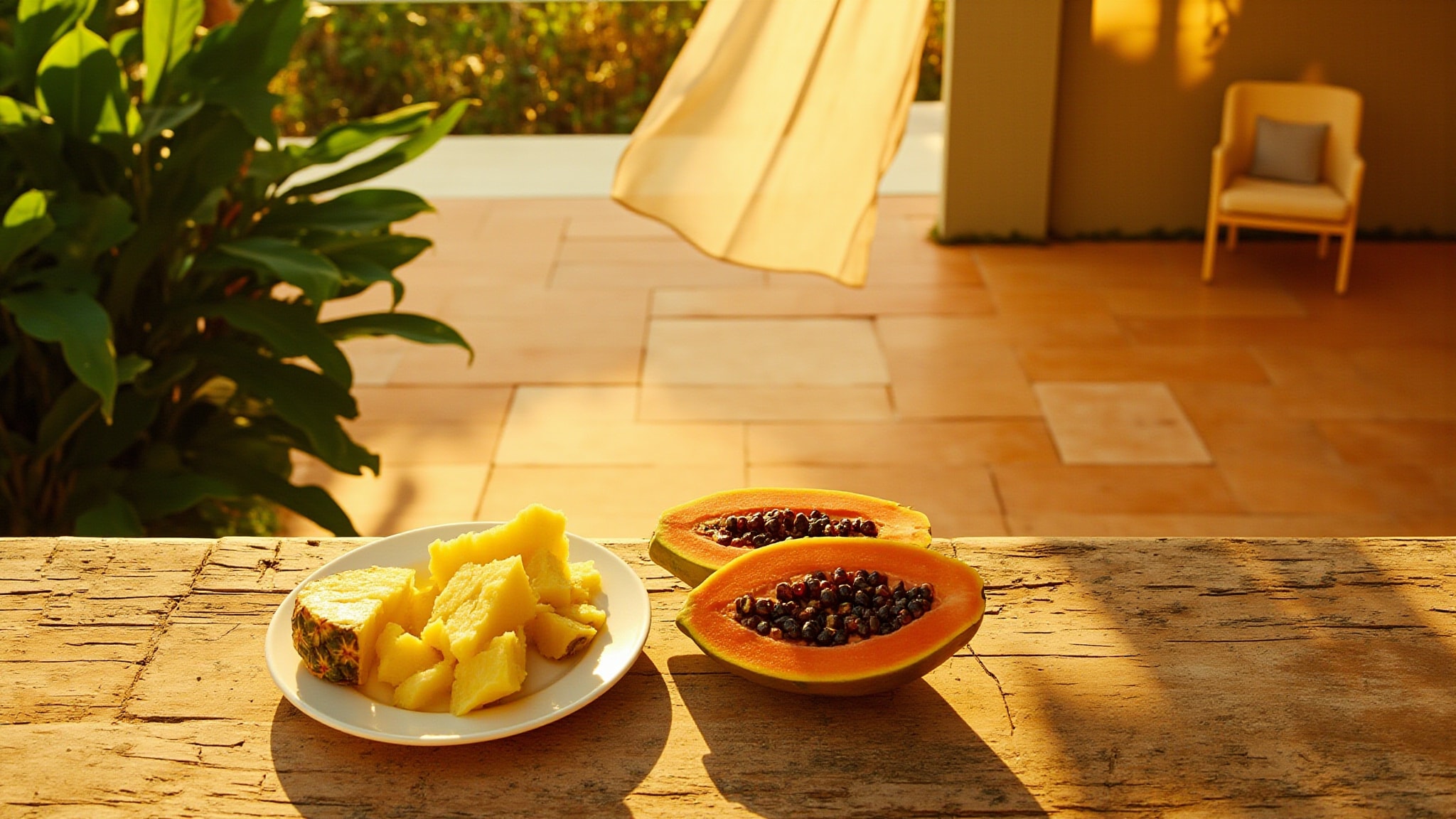
The note structure here reflects a philosophy of contrast: bright tropical sweetness against green botanical restraint. Papaya and pineapple establish the warm-weather character while green tea adds a modern, slightly austere twist typical of Louis Truc is approach. Musk in the drydown acts as a bridge, smoothing the transition from fruity opening to earthy base and ensuring the fragrance reads as cohesive rather than disjointed. For those building a wardrobe around tropical-floral scents, pairing this with a simple citrus or green cologne on rotation creates a natural progression across seasons.
The evolution
Insensatez begins with bergamot and mandarin orange offering an immediate citrus sparkle before papaya and pineapple swoop in to lend the opening a tropical fullness that feels soft and ripe. Within the first 15 minutes the heart emerges: green tea brings a quietly bitter, watery green quality, while jasmine, lily of the valley, rose, and violet layer in to create an airy botanical feel. As the heart matures the fruity brightness begins to recede and the drydown takes over: musk adds clean warmth, oakmoss introduces an earthy green depth, and woody notes settle into skin for a grounded, understated finish that endures for hours.
Cultural impact
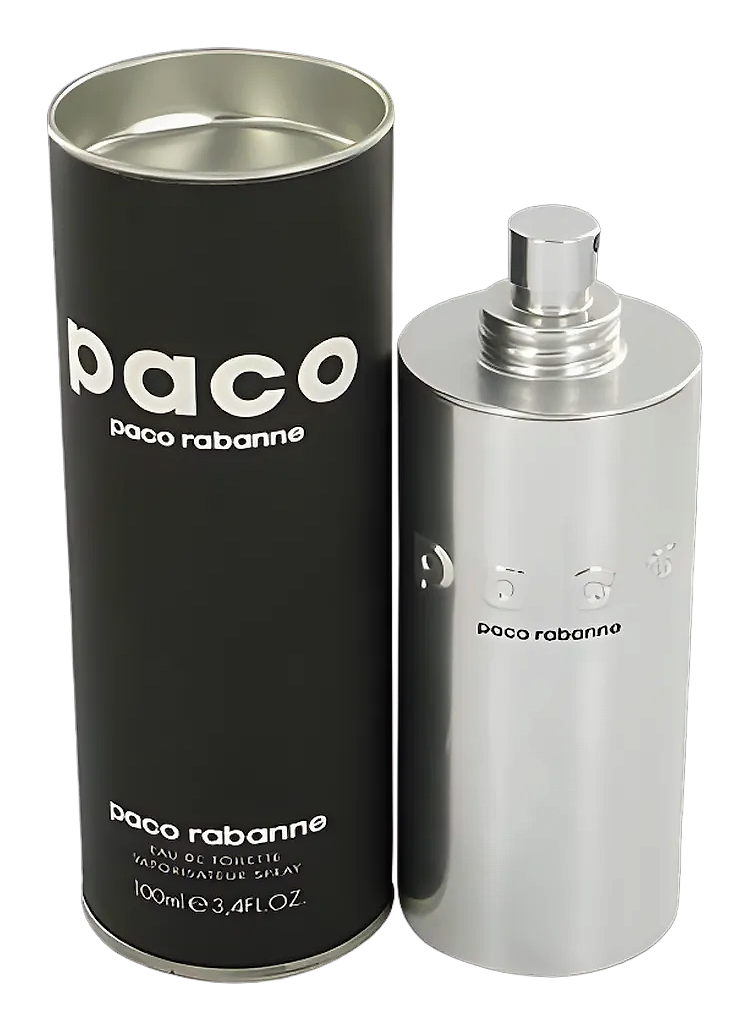
Insensatez found its audience early: people who wanted something better than drugstore fragrance but didn't want to spend luxury money. The 1995 launch positioned it alongside the wave of fresh, gender-neutral compositions that CK One had popularized, and in Brazil, it became that region's version of that global concept. Today it holds a quiet cult following: nostalgic for those who wore it in the nineties, discovered fresh by a new generation who findCK One too ubiquitous. The tropical-fruity-green-tea combination is unusual enough to be distinctive but accessible enough to be wearable. It sits outside the trends, neither the heavy ambers of the 2010s nor the oud wave. Just a clean, Brazilian morning that keeps showing up.