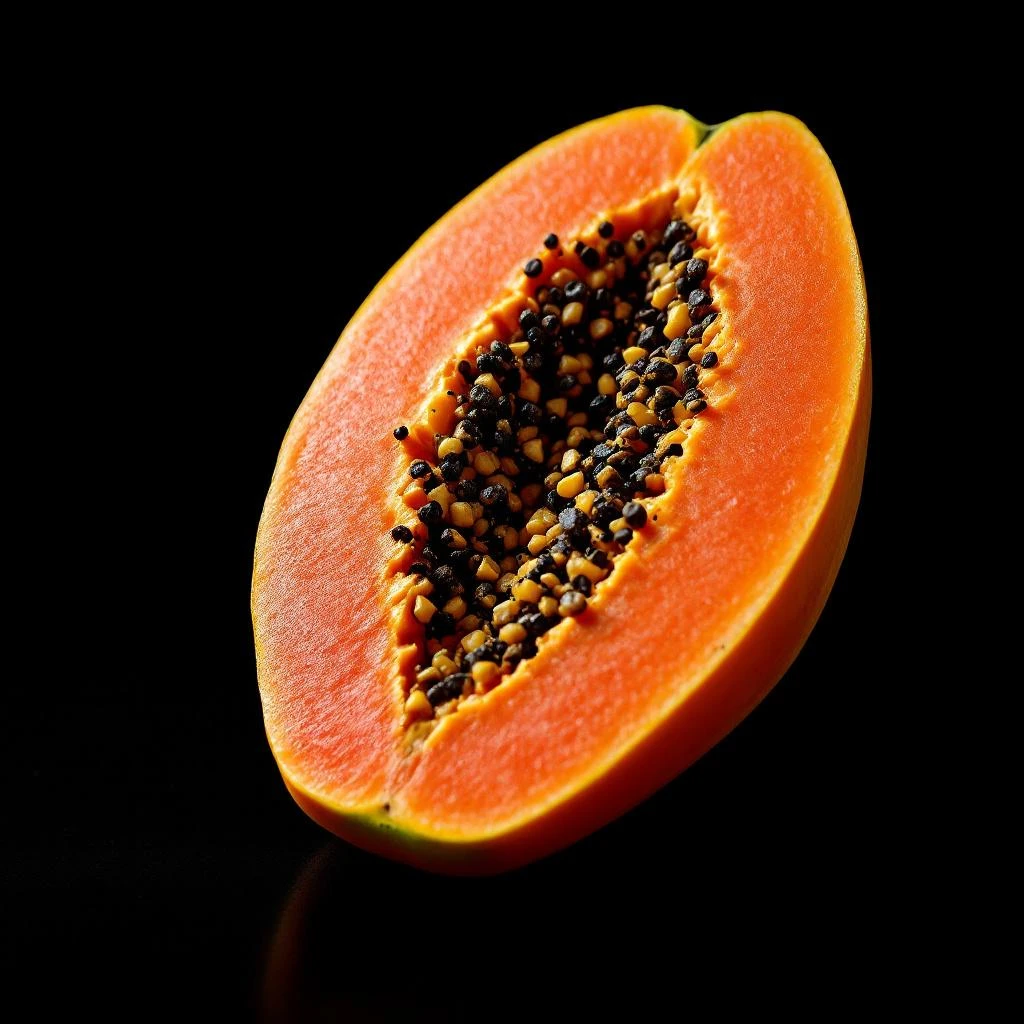
Papaya
Papaya delivers tropical sweetness with musky, lactonic warmth and hints of coconut. As a heart note, it brings sun-ripened allure and exotic character to fragrance compositions.
Character
How it smells
Tropical sweetness captured from sun-ripe fruit.
Papaya contains papain, an enzyme so powerful that indigenous peoples used the fruit's latex to tenderize meat for centuries.






Origin
Mexico
Papaya originated in Central America and southern Mexico, where indigenous cultures relied on it as both food and medicine. Ancient healers used the fruit and its latex to treat digestive ailments, a practice still recognized today. The fruit spread across tropical regions through Spanish and Portuguese trade routes during the 16th and 17th centuries, establishing itself in Southeast Asia, India, and West Africa.
Its introduction to perfumery came much later, as extraction techniques advanced and demand for exotic tropical notes grew in contemporary fragrance design. Modern tropical and fruity-floral perfumery embraced papaya in the 1990s and 2000s, when demand for sunlit, exotic accords made its creamy, slightly musky character commercially valuable.
Wears it best
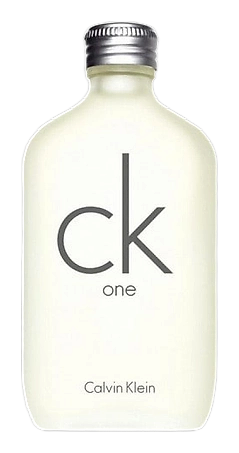
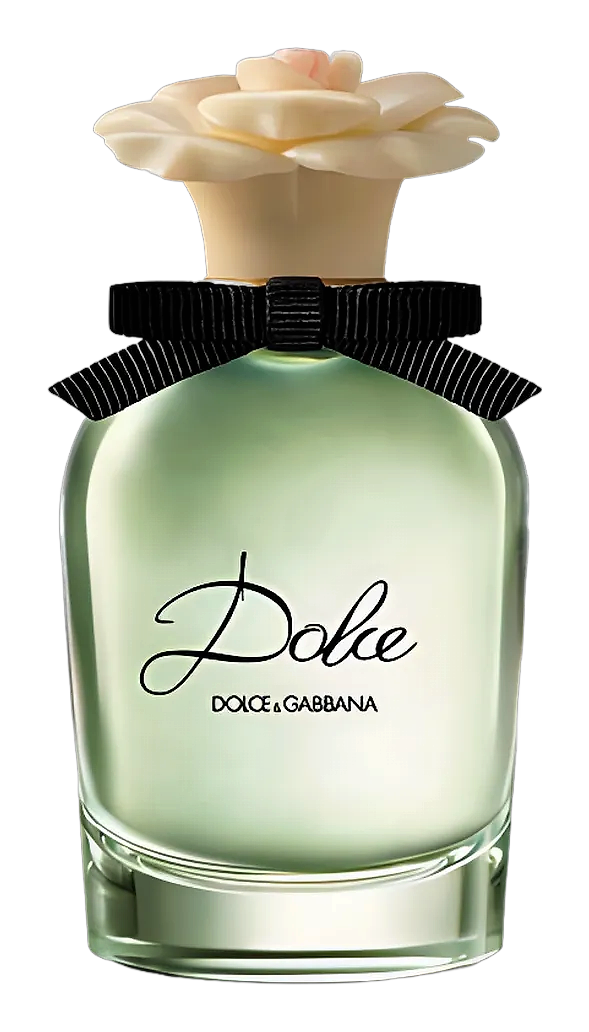
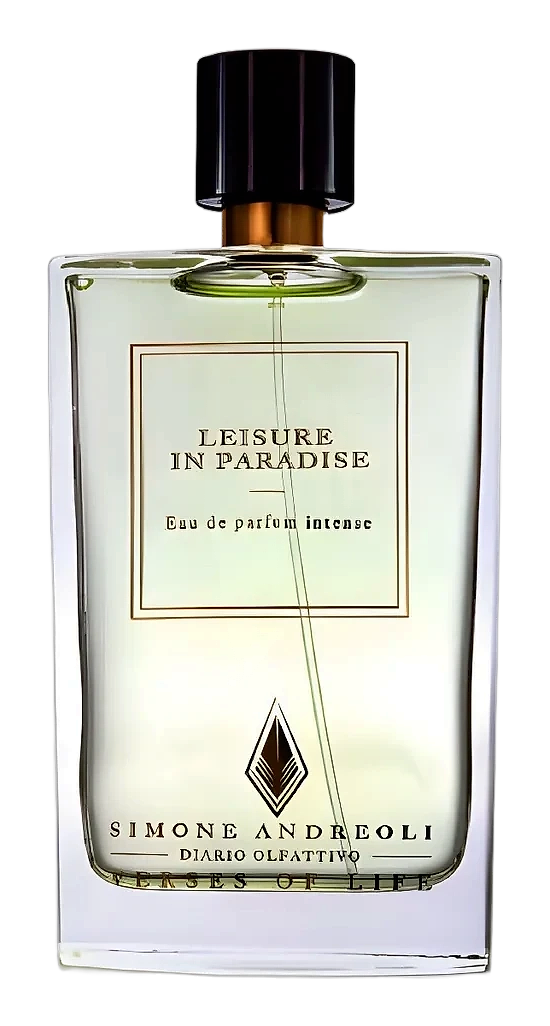
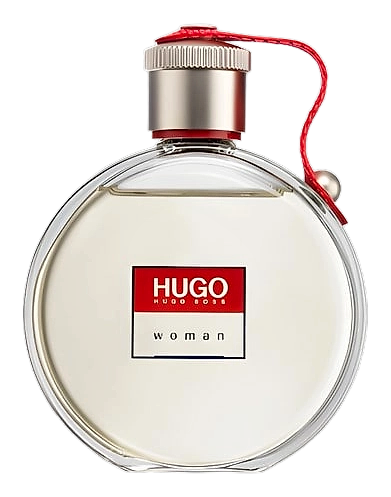
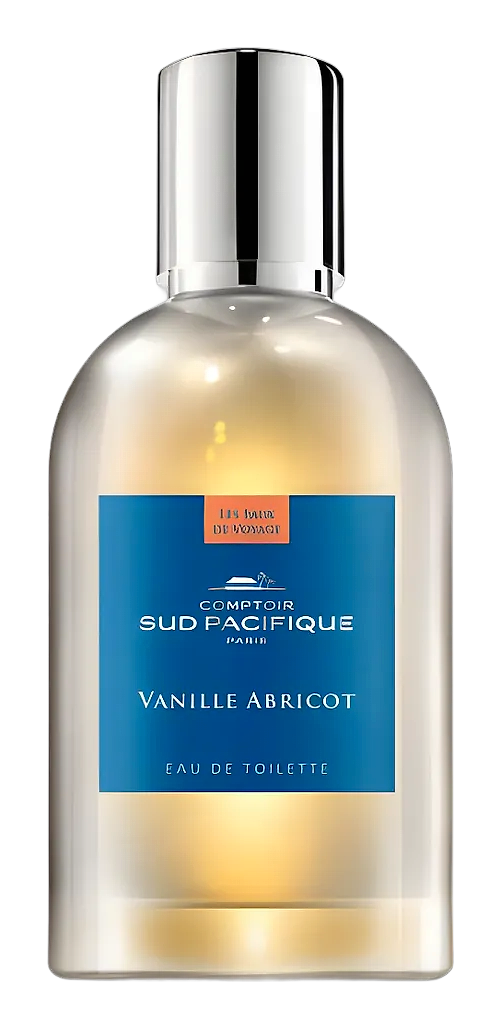
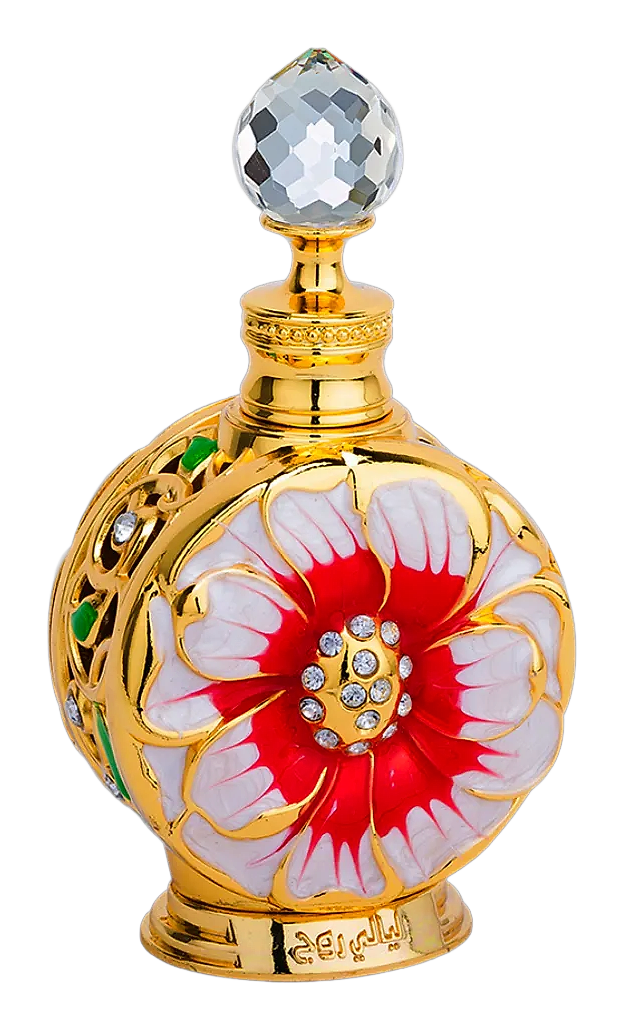
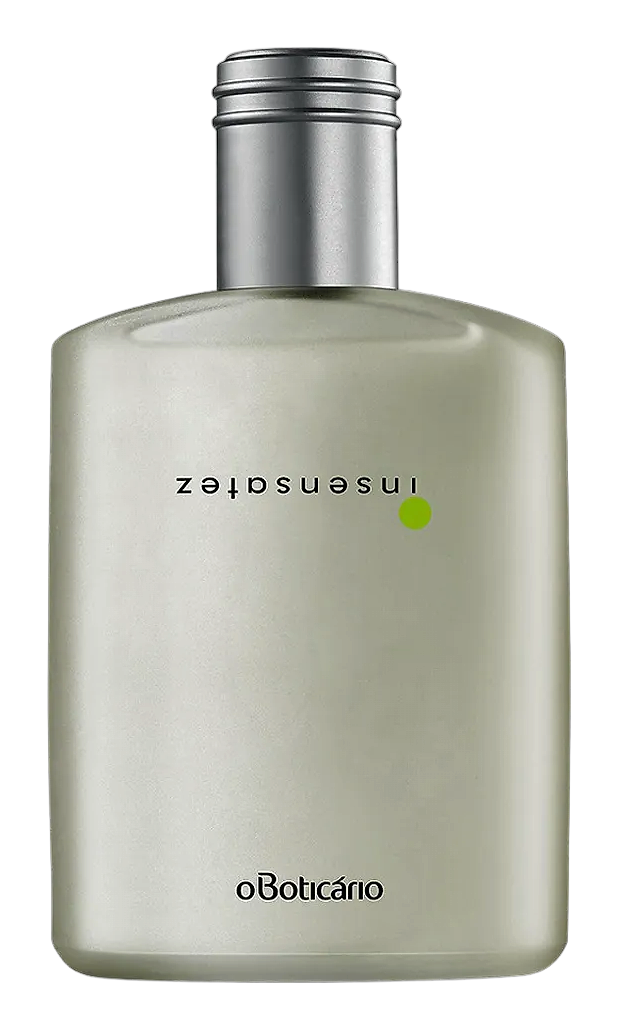
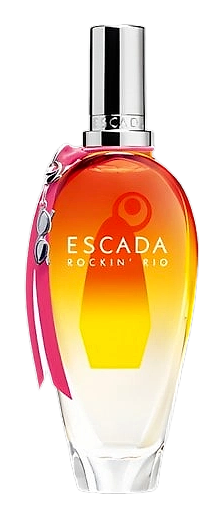
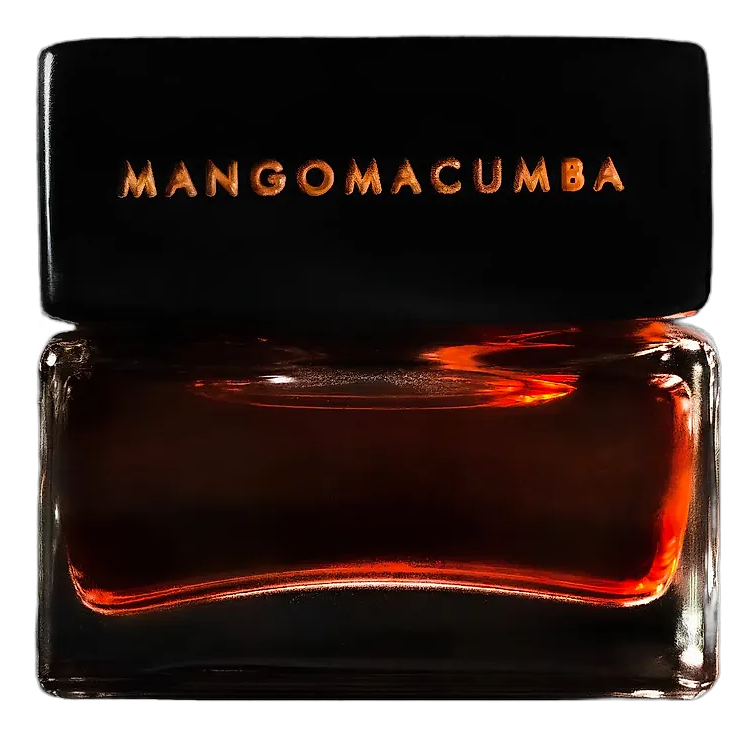
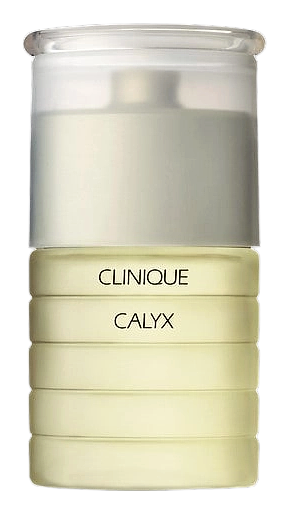
Fragrances featuring Papaya


Brands
Brands known for Papaya
Good to know
Questions, answered
The essentials on Papaya in perfumery: how it smells, where it comes from, and how it behaves on skin.
Is papaya used as a natural or synthetic ingredient in perfumery?
Most papaya notes in perfumery are synthetic reconstructions. Natural papaya absolute is difficult to obtain because the fruit contains high water content and delicate aromatic compounds. Perfumers combine lactones and fruity molecules to recreate the sweet, musky tropical character of ripe papaya.
What aroma characteristics does papaya bring to fragrance?
Papaya contributes a sweet, musky tropical scent with lactonic warmth and subtle coconut undertones. The note evokes sun-ripened fruit and warm climates. It works particularly well as a heart note, adding depth and exotic sweetness without overwhelming lighter compositions.
Which fragrance families pair well with papaya?
Papaya harmonizes naturally with citrus, tropical florals like ylang-ylang and frangipani, and other tropical fruits. It appears frequently in fruity, tropical, and island-style fragrance constructions. The note suits both feminine and masculine compositions, especially summer fragrances seeking exotic warmth.
What is papain and does it affect the fragrance?
Papain is a proteolytic enzyme found in papaya latex and unripe fruit. It breaks down proteins and accounts for the fruit's traditional use as a meat tenderizer. In perfumery, papain itself is not used, but this enzyme-rich quality explains why papaya features prominently in skincare and digestive remedies beyond fragrance.
Where do perfumers source papaya for fragrance production?
Major papaya-producing nations include Mexico, India, Brazil, Indonesia, and Nigeria. Mexico, as the fruit's place of origin, supplies premium specimens. For synthetic reconstructions, fragrance laboratories develop papaya accord molecules independently of geographic sourcing constraints.
How does papaya function within a fragrance structure?
Papaya operates as a heart note, introducing immediate sweetness and tropical character after the top notes fade. The note provides warmth and sun-ripened quality, creating an impression of tropical abundance. It works alongside other fruity, floral, or citrus elements to build an exotic atmosphere.
How does papaya differ from other tropical fruits in perfumery?
Papaya carries a distinctive lactonic, musky quality that sets it apart from brighter tropical fruits like mango or passion fruit. Its creamy, coconut-like undertones provide a softer, more sensual tropical impression than sharper fruit notes. This unique profile offers perfumers a specific tropical dimension.
When did papaya first appear in perfumery?
Papaya is a relatively recent addition to perfumery compared to traditional ingredients. Its incorporation grew as consumers increasingly sought exotic tropical experiences in fragrance. Modern fruity and tropical fragrance trends have elevated papaya from novelty to established note in contemporary perfumery.