
The Story
Why it exists.
The beginning
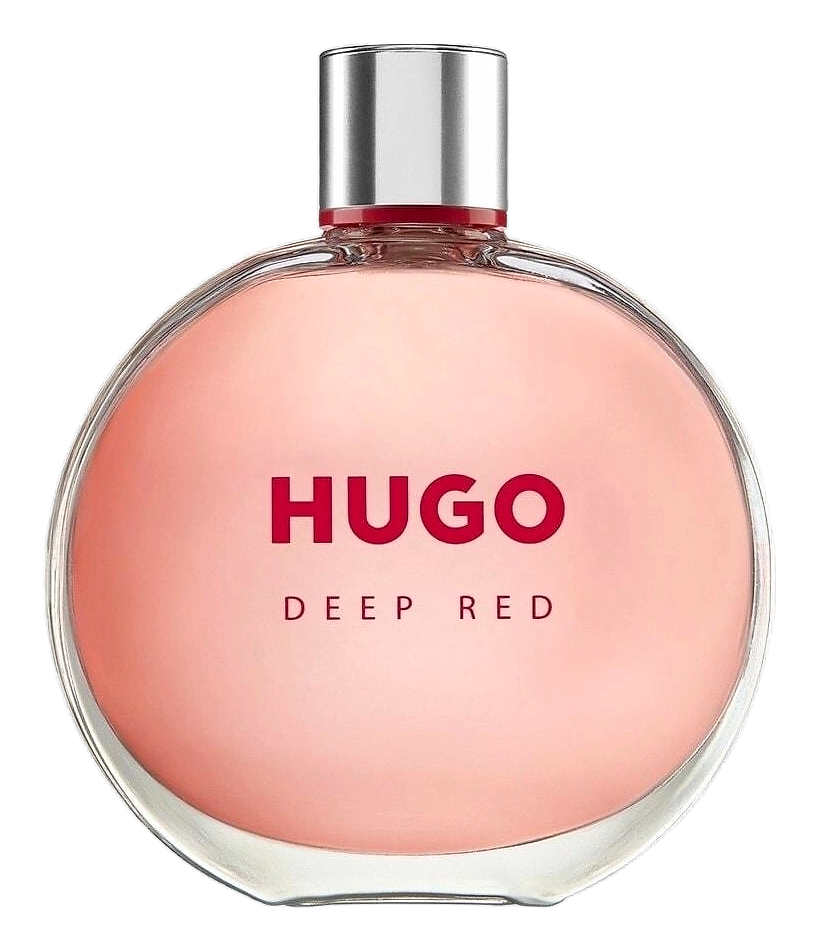
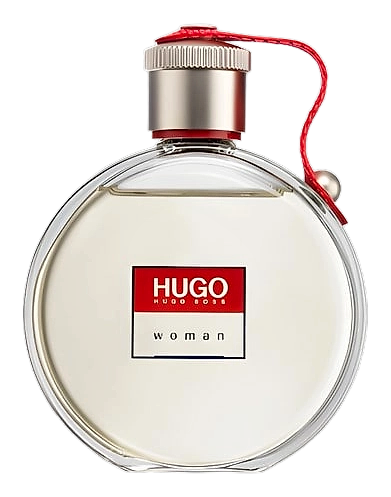
Ursula Wandel created Hugo Woman in 1997, a period when women's professional presence was shifting from exceptional to expected. The fragrance was positioned alongside the brand's 'Don't imitate, innovate' ethos, a directive that applied as much to the scent as to the woman wearing it. Wandel built the composition around a tension: bright, transparent fruit notes at the opening, grounded by a warm woody base that kept the scent from feeling frivolous. The aquatic element (water hyacinth) added a modernity that distinguished it from the heavier florals dominating the era. It was a fragrance for showing up, not to social occasions, but to meetings, to decisions, to rooms that hadn't seen someone like you before.
What makes the structure interesting is the hand-off between the transparent opening and the warm base. The fruit is crisp and direct, Granny Smith apple, melon, a hint of papaya, but Wandel doesn't let it stay superficial. The water hyacinth in the heart adds a cool, almost dewy quality before the florals bloom. Then the cedar and sandalwood arrive, with vanilla and orchid softening the wood. It's a composition that earns its confidence: fresh enough for daytime, warm enough to linger. The resinous notes in the base give it staying power without heaviness, the drydown is intimate, not loud. For a 1997 EDT, it holds up remarkably well.
The evolution
The opening arrives quickly, Granny Smith apple, melon, a tropical whisper of papaya. The cyclamen and blackcurrant give it a green, slightly tart edge that keeps the fruit from being sweet. Oakmoss adds a subtle earthiness beneath the brightness. Within fifteen minutes, the water hyacinth takes over, pushing the scent into cool, aquatic territory. The white lilies and jasmine bloom warm against that coolness, an unexpected contrast. The orris root introduces powdery elegance. The drydown is where Hugo Woman earns loyalty. Cedar and sandalwood anchor everything, but the orchid and vanilla create something soft and intimate. The amber and resin keep it close to skin for hours. On fabric, it lasts longer, the drydown can persist into the next day if you spray on clothes.
Cultural impact
Hugo Woman arrived at a specific cultural moment, late 1990s, when professional women's presence in corporate spaces was shifting from novel to normalized. The fragrance's crisp fruit and transparent aquatic notes read as modern and competent, while the warm drydown kept it from feeling cold or unapproachable. It wasn't trying to smell expensive or exclusive, it smelled like someone who belonged. The 'Don't imitate, innovate' tagline captured the attitude perfectly. For women navigating corporate environments that hadn't quite figured out how to make space for them, Hugo Woman was a quiet assertion: I'm here, I know what I'm doing, and I didn't get the memo saying I should smell like something softer.