Melon
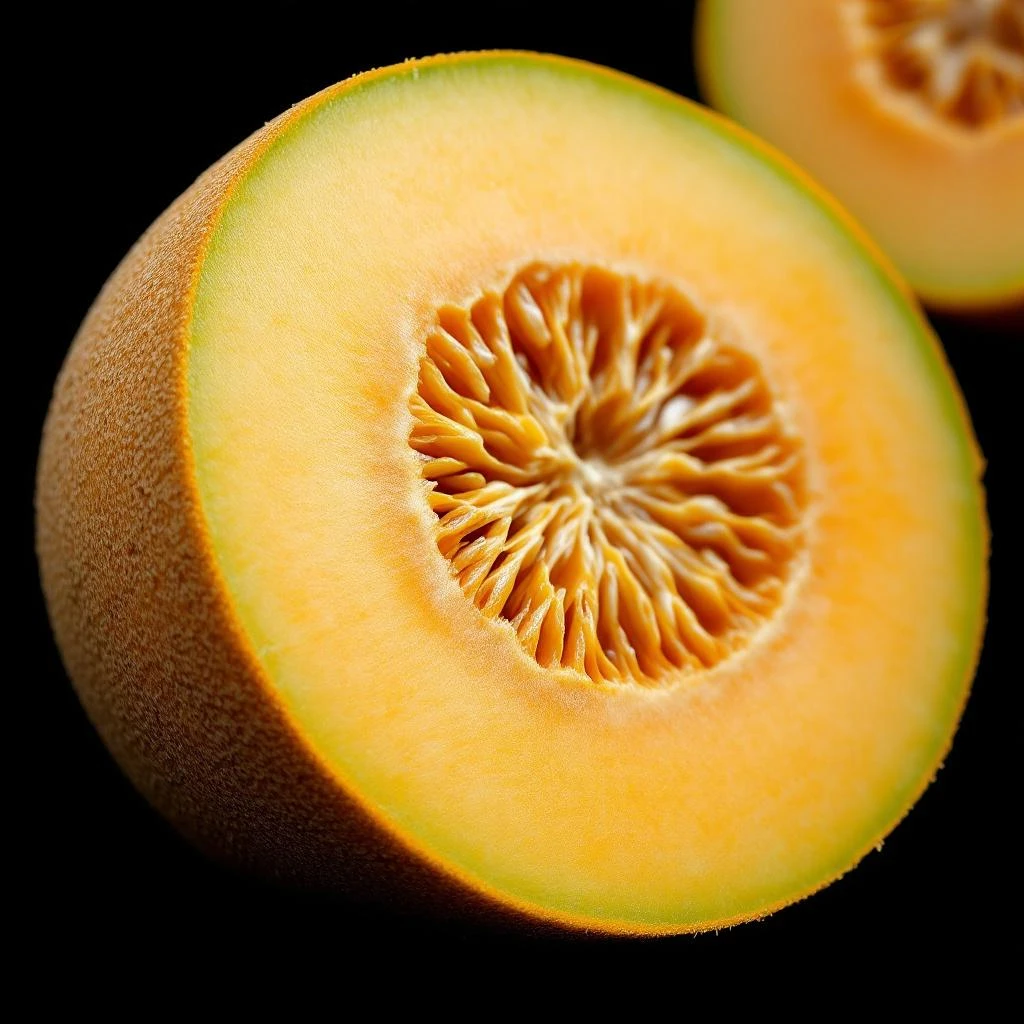
Melon brings cool, sweet, and watery freshness to fragrances. As a perfumery note, it captures the essence of summer hydration, pairing green cucumber facets with soft fruit flesh. Derived from the Cucurbitaceae family, it delivers instant refreshment.
Character
How it smells
Summer's cool sweetness, bottled since ancient Egypt.
Melon belongs to the Cucurbitaceae family, alongside cucumbers and squash.








Origin
Africa
Humans have cultivated melon for thousands of years, with ancient Egyptian and Mesopotamian civilizations growing it along the Nile and Tigris-Euphrates river valleys. These early civilizations prized melon for its cooling properties in hot climates, laying cultural groundwork for its association with refreshment. The fruit remained primarily culinary for centuries, gracing tables and cooling summer meals across the Mediterranean and Asia.
Melon made its transformative entry into Western perfumery in the 1980s, when advances in synthetic organic chemistry produced aroma chemicals capable of replicating its delicate, watery freshness. The rise of aquatic and fresh fragrance families created perfect conditions for melon notes to flourish. Natural melon absolute, though extracted from Cucurbitaceae varieties using volatile solvents, never became mainstream due to extraction challenges and cost.
Today, synthetic melon compounds drive its use in modern perfumery, carrying forward an ingredient with ancient roots into contemporary scent creation.
Wears it best
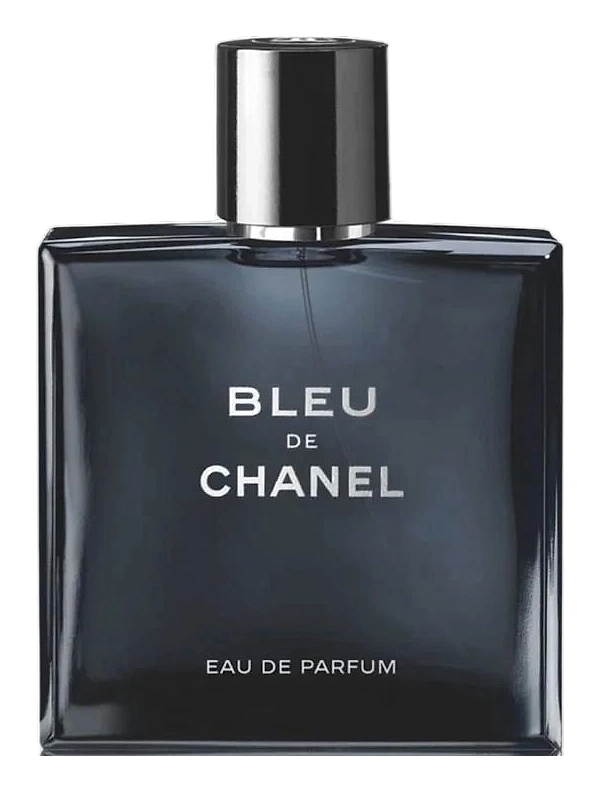
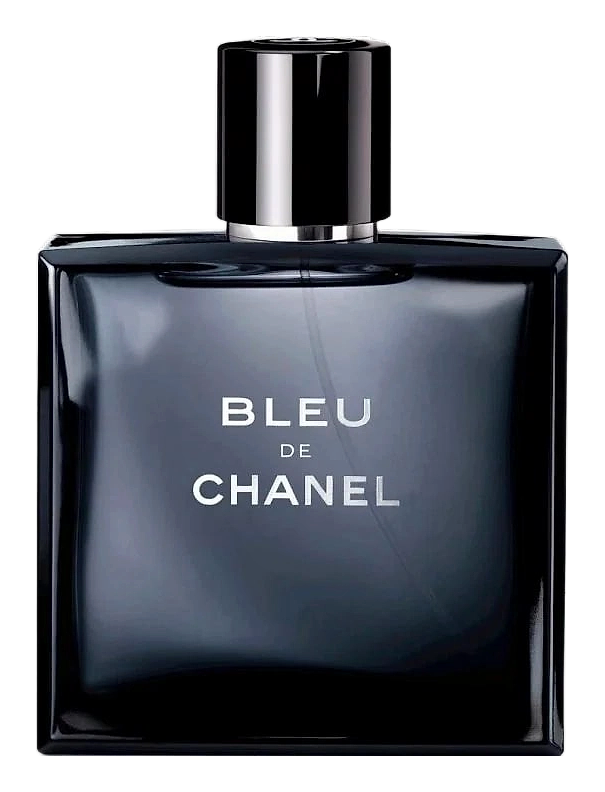
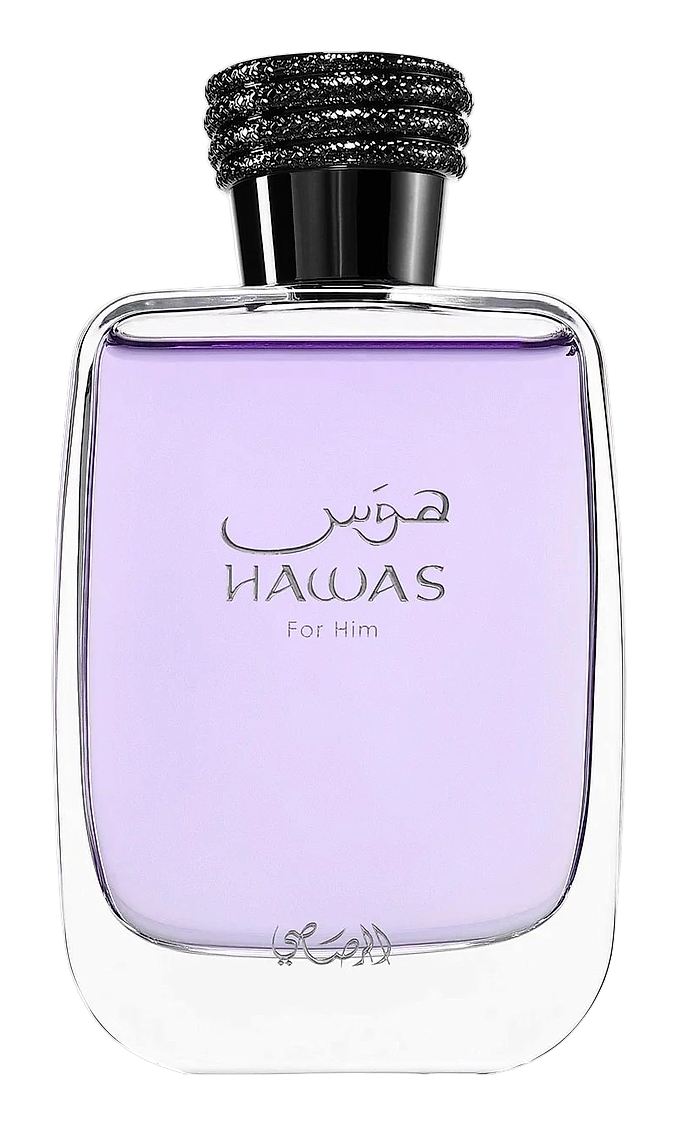
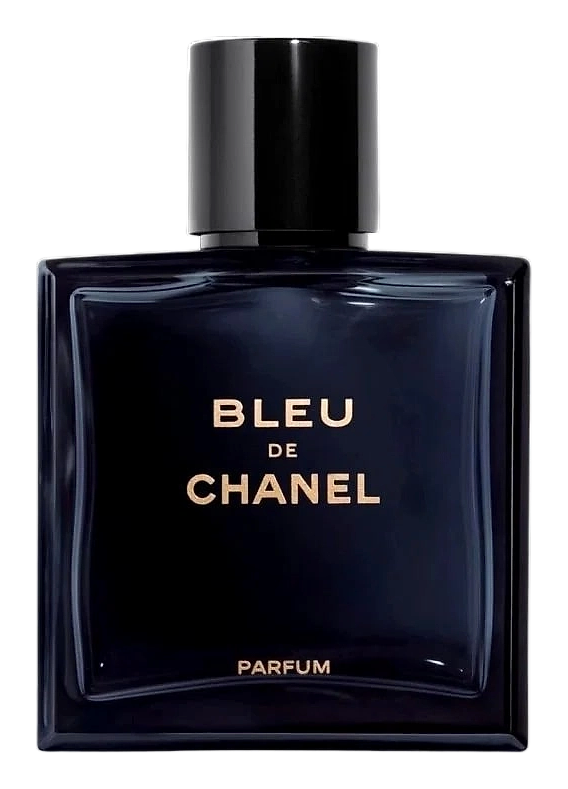
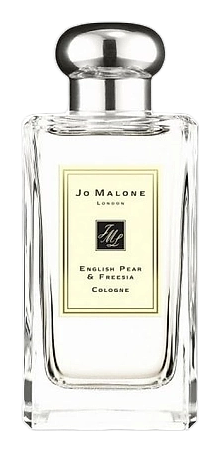
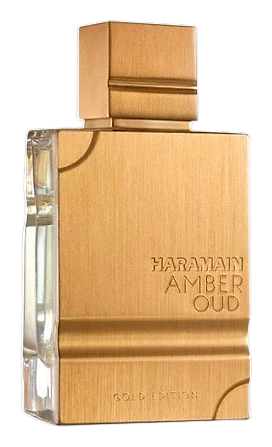
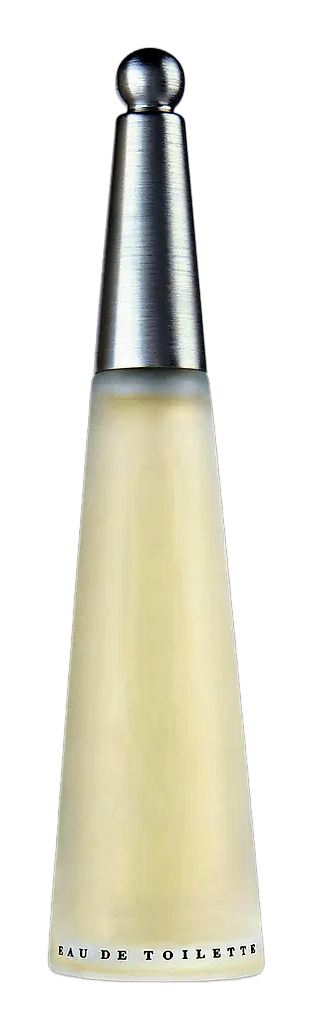
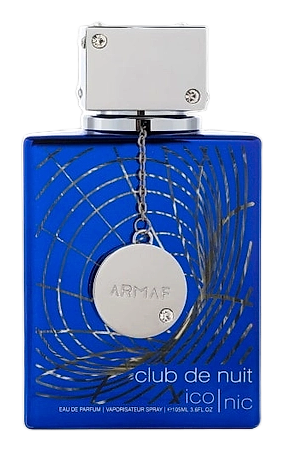
Fragrances featuring Melon



Brands
Brands known for Melon
Good to know
Questions, answered
The essentials on Melon in perfumery: how it smells, where it comes from, and how it behaves on skin.
What does melon smell like in perfume?
Melon in perfume smells fresh, watery, and subtly sweet. It combines green cucumber-like facets with soft, ripe fruit flesh tones. The effect is cool and hydrating, evoking the sensation of biting into a chilled slice of cantaloupe on a summer day.
Is melon a natural or synthetic ingredient in perfumery?
Most melon notes in perfumery are synthetic. Melon fruit contains up to 90 percent water, making natural oil extraction impractical. Modern aroma chemistry produces synthetic compounds that accurately replicate the fresh, green, and fruity character of natural melon.
What fragrances pair well with melon notes?
Melon harmonizes naturally with aquatic, green, and citrus notes. It blends seamlessly with cucumber, mint, and green tea for ultra-fresh compositions. Paired with white musks and light florals like lily of the valley, melon creates soft, skin-like summer fragrances.
What types of fragrances use melon notes?
Melon appears predominantly in fresh, aquatic, and fruity fragrance families. It is especially common in summer releases, gender-neutral scents, and lifestyle fragrances. Melon also shows up in clean skin-care style perfumes where a cool, watery character is desired.
When did melon become popular in perfumery?
Melon notes gained prominence in the 1980s and 1990s alongside the rise of fresh aquatic fragrances. Advances in synthetic chemistry during this period made reproducible melon aroma materials available to perfumers for the first time.
What is the botanical family of melon?
Melon belongs to the Cucurbitaceae family, which includes cucumbers, squash, pumpkin, and gourds. This botanical connection explains why melon notes often evoke subtle cucumber facets in fragrance compositions.
Are there any classic fragrances featuring melon?
Jean-Paul Gaultier Classic Men from 1995 features one of the most recognizable melon top notes in fragrance history. The melon freshness in this iconic masculine fragrance helped cement the note as a staple of modern perfumery.
Does natural melon absolute exist in perfumery?
Yes, natural melon absolute exists and is produced through solvent extraction of Cucurbitaceae fruit. However, it remains extremely rare and expensive. Its use is limited to niche or high-end fragrances, while the majority of melon notes in the market are synthetic.