
The Story
Why it exists.
The beginning
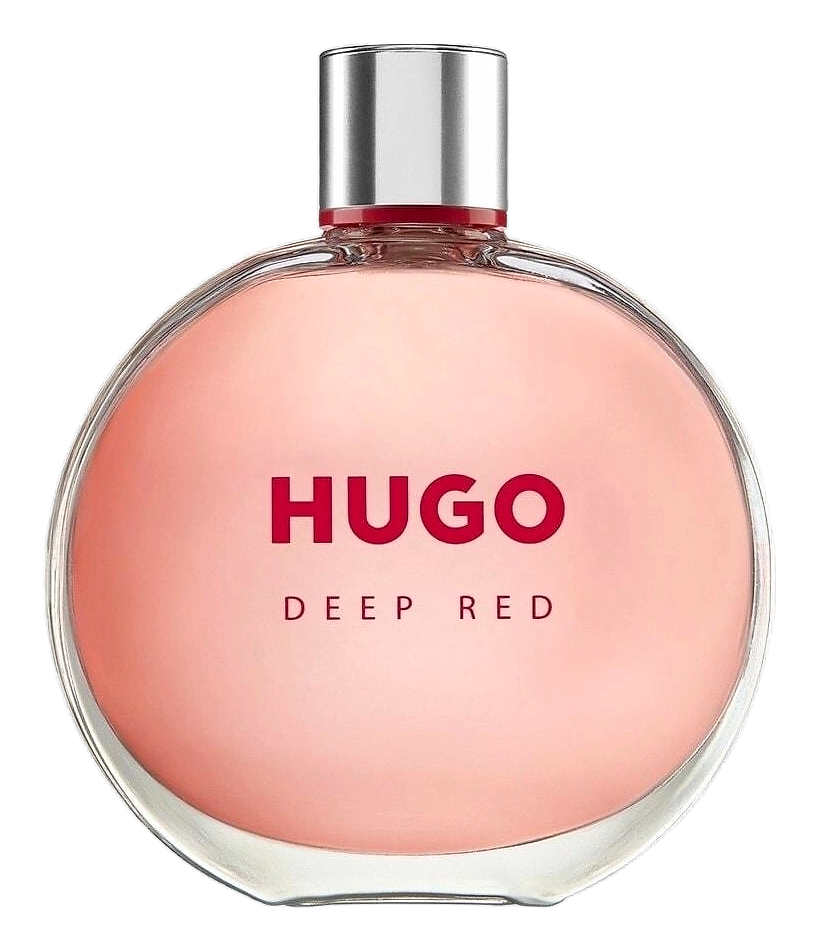
In 2001, perfumers Béatrice Piquet and Alain Astori created Deep Red with a mandate to make a statement. Hugo Boss approaches fragrance the way it approaches tailoring, with precision and structured elegance, and Deep Red embodies that philosophy. The opening burst of blackcurrant and blood orange set the tone immediately, a bold fruit basket that doesn't apologize for being sweet. The brief asked for something that could hold attention across a room without feeling excessive, and the result reflects the brand's commitment to polished, intentional design.
The note selection reflects a specific intent: blackcurrant and citrus provide an immediately appealing opening that grabs attention, while ginger keeps things sharp and contemporary. The heart layers tropical florals with spice, creating an interesting tension between richness and energy. The drydown leans into warmth and intimacy with vanilla and sandalwood, making the fragrance feel complete. This structure means Deep Red works as both a statement scent and a close-skin fragrance depending on the hour, a versatility that justifies its enduring popularity.
The evolution
The fragrance opens with blackcurrant, blood orange, clementine, mandarin, and pear, creating an immediate and vibrant presence. This fruity opening is sweet but never syrupy, thanks to the brightness of the citrus notes. As the top notes recede, ginger emerges in the heart, threading through with a sharp, spicy character that prevents the sweetness from becoming overwhelming. Freesia, hibiscus, and tuberose join alongside ginger flower, building a floral heart that feels modern and tropical rather than powdery. The transition to the drydown is seamless, with vanilla taking over as the dominant note, supported by sandalwood, musk, and cedarwood for warmth and depth. The fragrance evolves from bright fruit to spiced florals to warm, creamy woods, maintaining complexity throughout.
Cultural impact
Deep Red arrived in 2001 as part of Hugo Boss's broader push into women's fragrance, a category the house had approached cautiously compared to its menswear success. At the time, fruity-florals were shifting toward bigger, sweeter constructions, and Deep Red found a middle path: bright enough to feel modern, warm enough to last. It developed a loyal following among women who wanted something that worked from the morning meeting through the evening out, not a projection fragrance, but a presence one.