Ginger Flower
Ginger brings a vibrant, spicy warmth to perfumery that few ingredients can match. Extracted from the aromatic rhizomes of a tropical flowering plant, this note delivers fresh citrus top notes balanced against deeper earthy warmth, creating fragrances that feel both energizing and grounding.
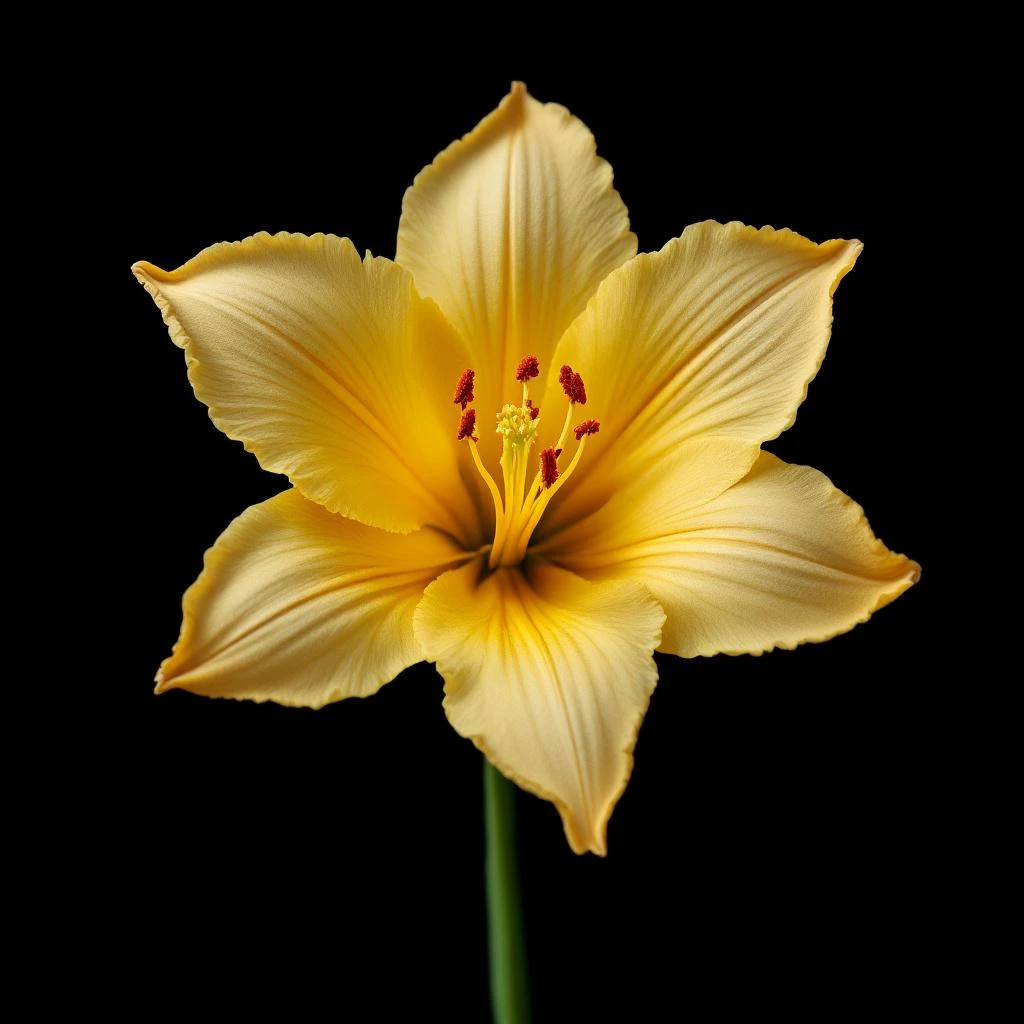
Character
How it smells
Fresh, spicy warmth with citrus and earthy depth.
Ginger has been cultivated for over 5,000 years, making it one of the oldest spices in continuous human use.





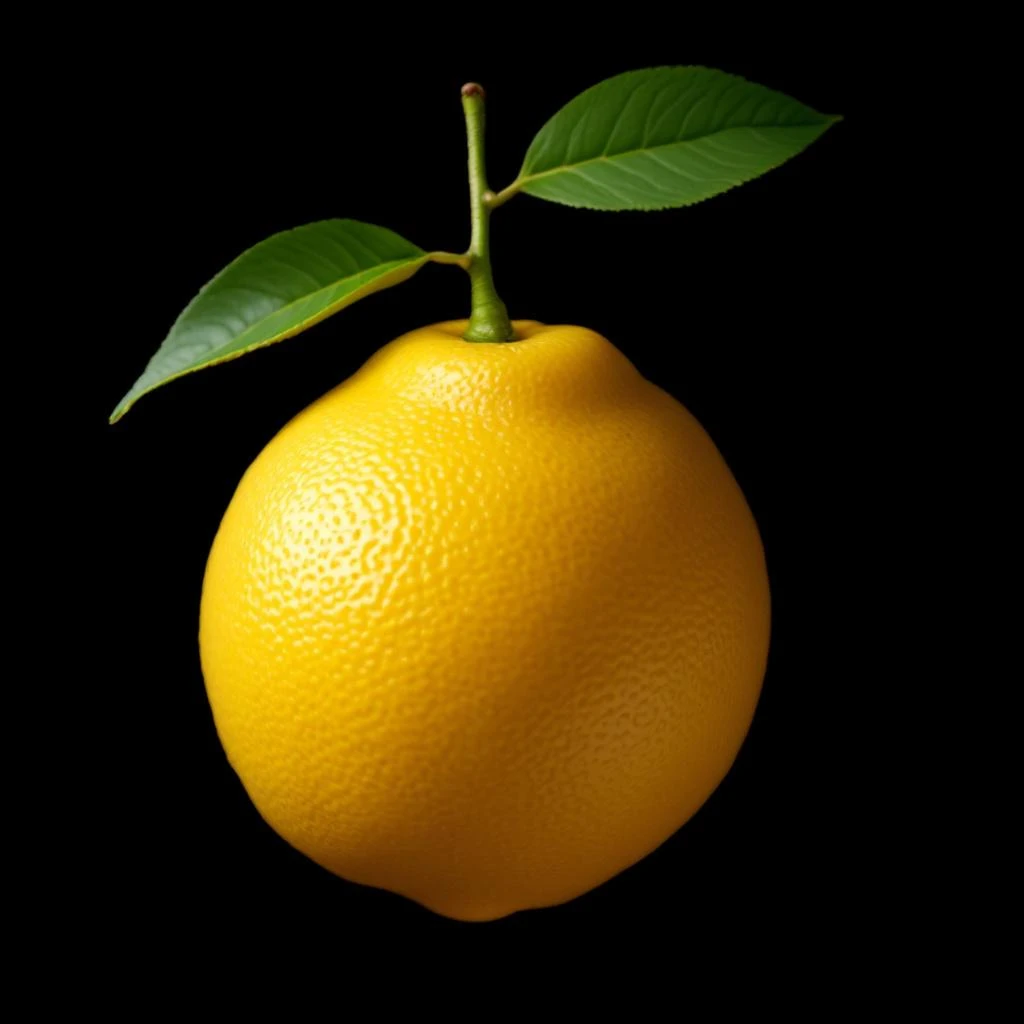
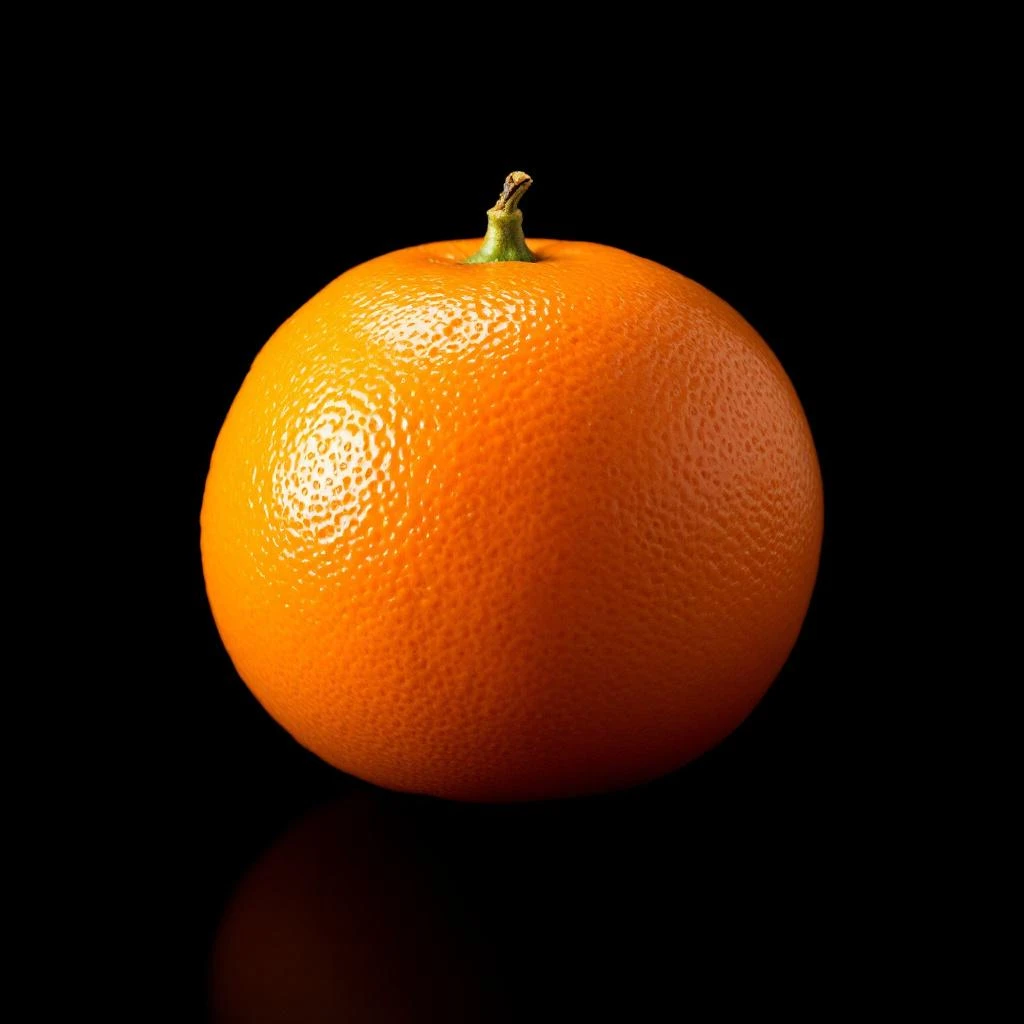


Origin
India
Ginger originated in Southeast Asia and has been cultivated for at least 5,000 years, with archaeological evidence found at ancient Indian trading sites. The spice traveled along early trade routes to Rome, where Pliny the Elder documented its medicinal uses. Ancient Ayurvedic texts described ginger as a universal remedy, prescribing it for digestive ailments and joint pain.
Chinese medicine incorporated ginger for its warming properties, while Arabian traders introduced it to East Africa. By the medieval period, ginger graced European apothecary shelves and spice cabinets alike. Perfumery adopted ginger several hundred years ago when distillation techniques improved, allowing perfumers to capture its aromatic essence.
Today, India remains the largest producer, though China, Japan, and Laos also cultivate distinct varieties prized by perfumers for their unique olfactory characteristics.
Wears it best
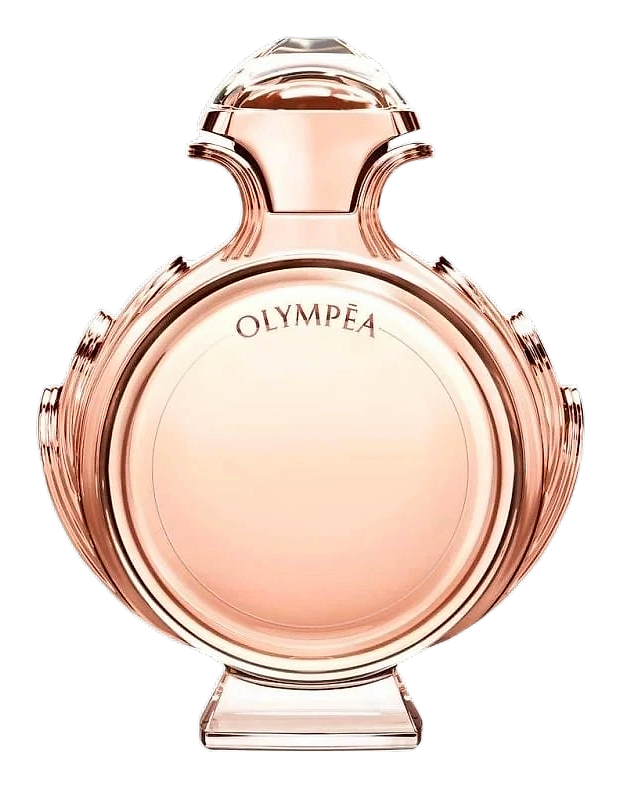
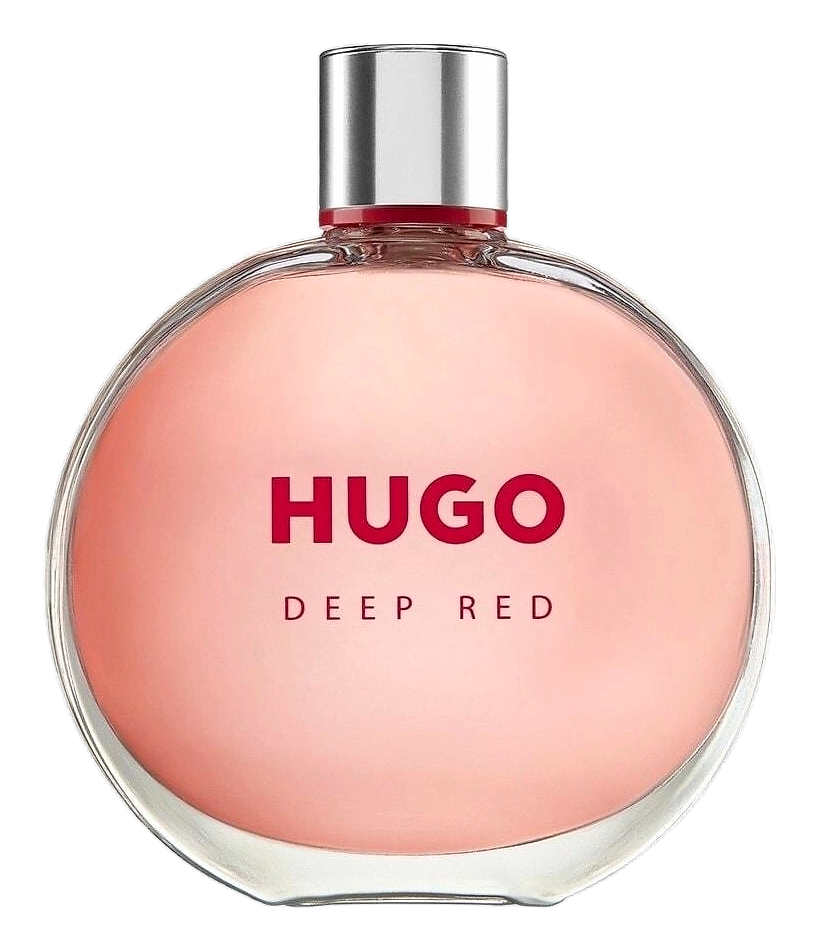
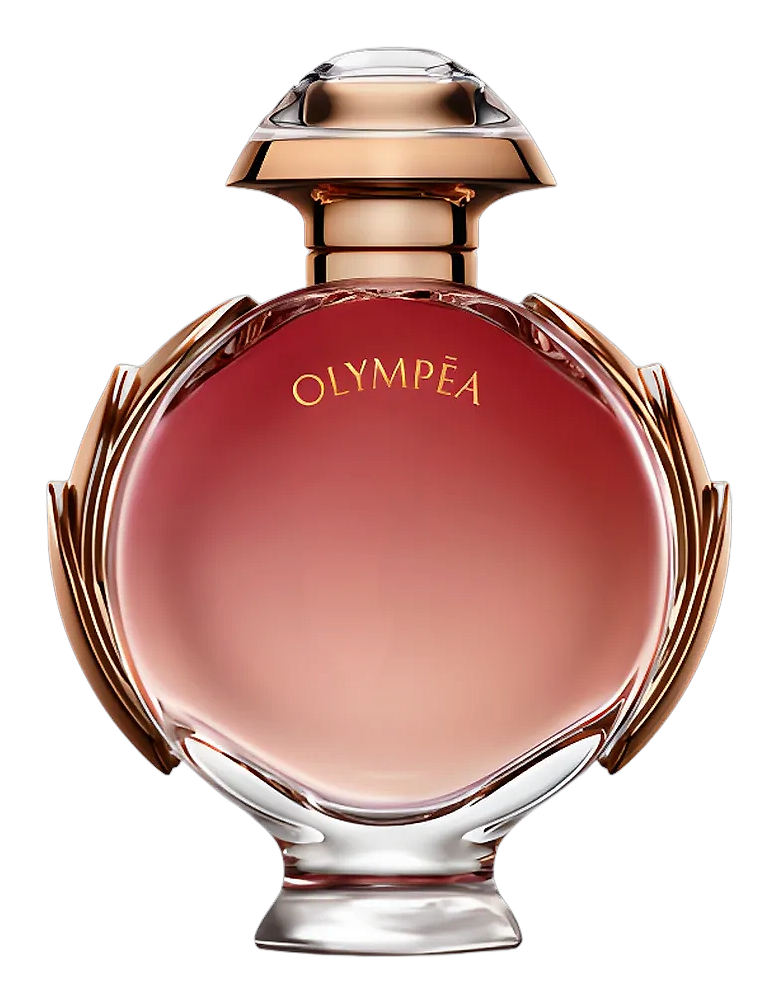
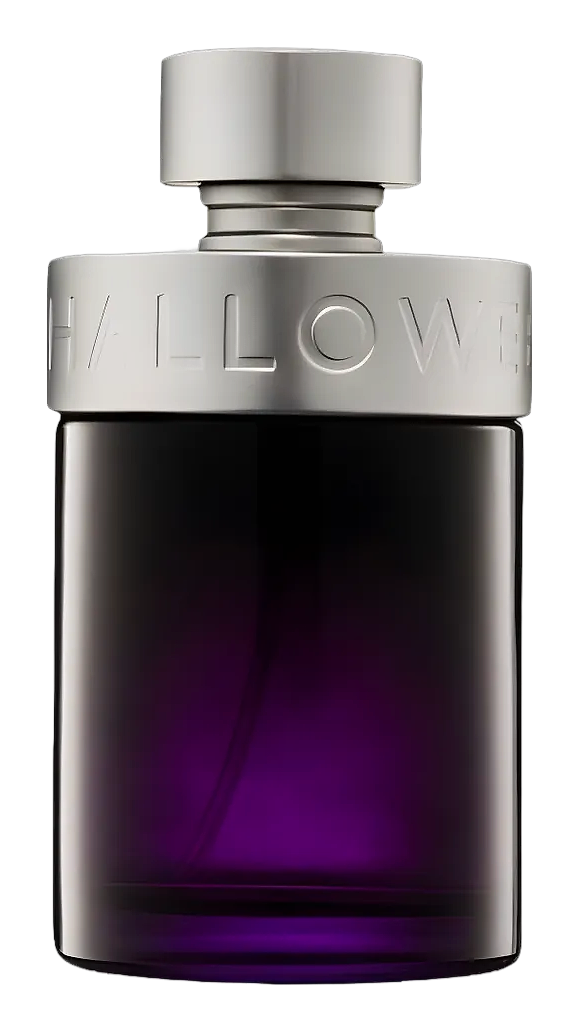
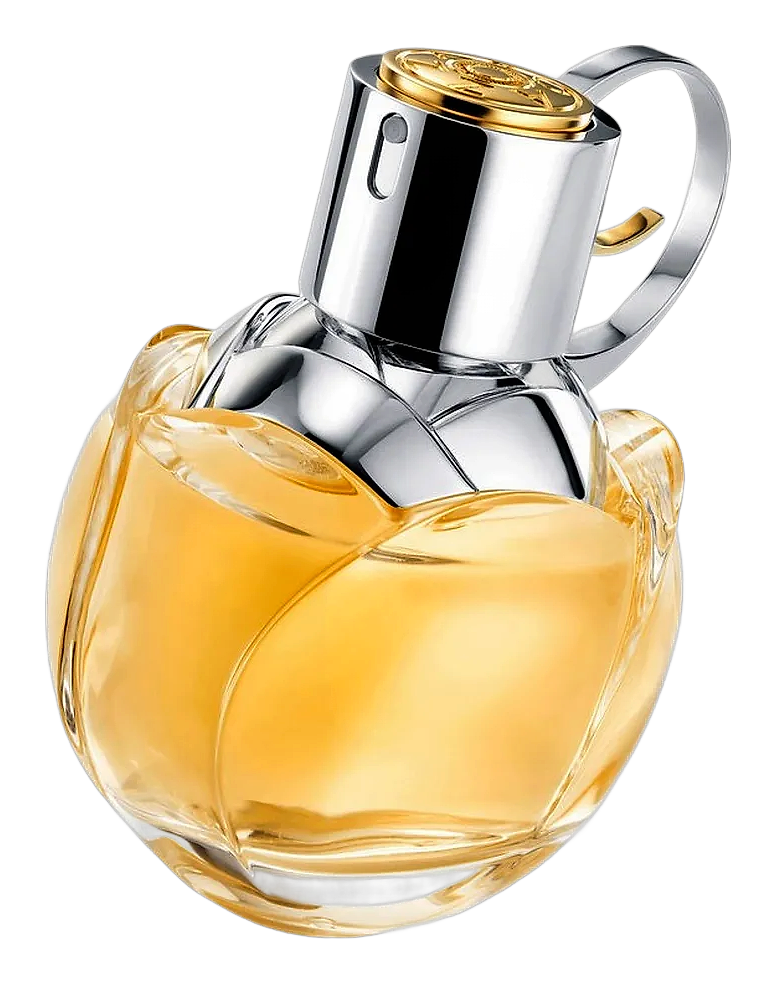
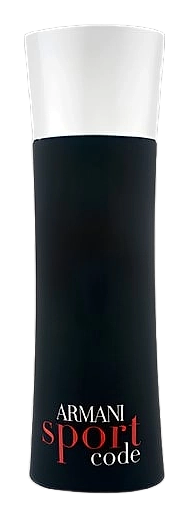
Fragrances featuring Ginger Flower


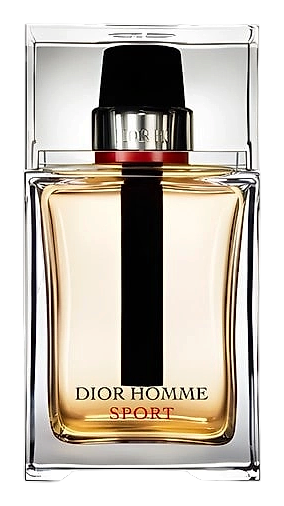
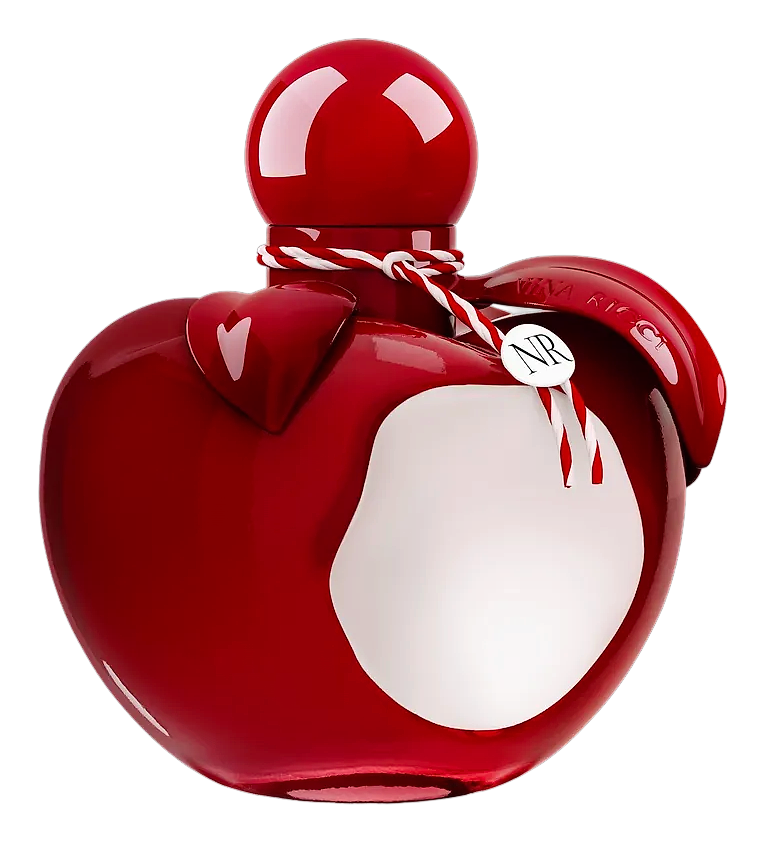
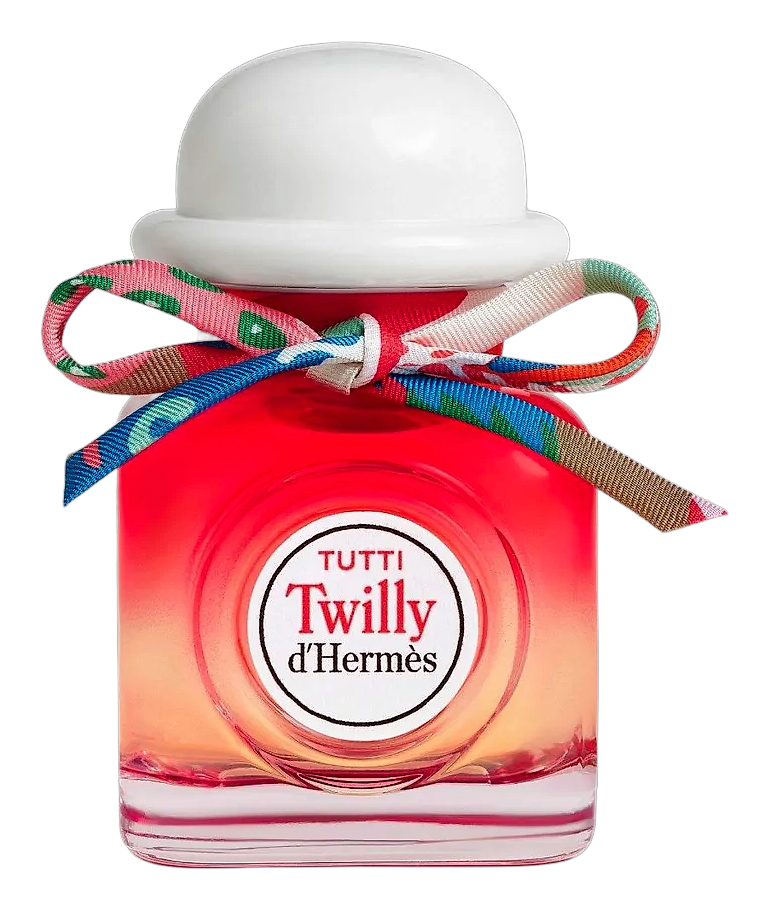
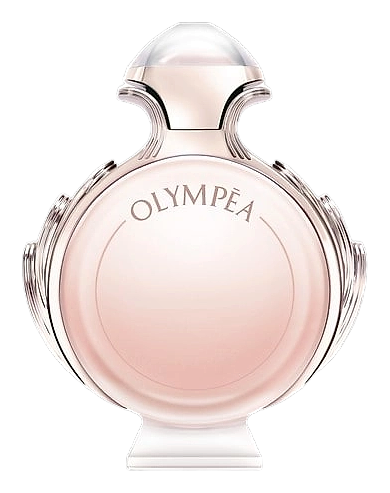
Brands
Brands known for Ginger Flower
Good to know
Questions, answered
The essentials on Ginger Flower in perfumery: how it smells, where it comes from, and how it behaves on skin.
What does ginger flower smell like in perfume?
Ginger brings a bright, spicy character with fresh citrus top notes and warm earthy undertones. It reads as energizing yet grounded, adding lift and depth simultaneously.
Is ginger flower a natural or synthetic ingredient?
Natural ginger oil comes from steam-distilled rhizomes. Synthetic ginger compounds exist for cost and consistency, but natural ginger offers more complex aromatic layers.
Where does ginger oil originate?
India leads global production, though China, Japan, and Laos also cultivate ginger. Tropical climates with volcanic soil produce rhizomes with the richest aromatic profiles.
How long has ginger been used in perfumery?
Ginger entered perfumery several hundred years ago when distillation technology advanced. Historical use spans 5,000 years as a culinary and medicinal spice first.
What part of the ginger plant is used for fragrance?
Perfumers extract oil from the rhizomes, the underground stem structures. These fleshy root-like organs store the plant's aromatic compounds and essential oils.
How is ginger oil extracted for perfume?
Steam distillation passes pressurized steam through fresh or dried rhizomes. The steam captures volatile compounds, which condense and separate into essential oil.
What fragrance families use ginger?
Ginger appears across oriental, fresh, and spicy fragrance families. It pairs well with citrus, florals, woods, and resins, adding energy and warmth to compositions.
Does ginger note smell like culinary ginger?
The aromatic profile mirrors fresh ginger root closely. Bright, zesty citrus notes dominate initially, followed by warm spicy depth that lingers on the skin.


