
The Story
Why it exists.
The beginning
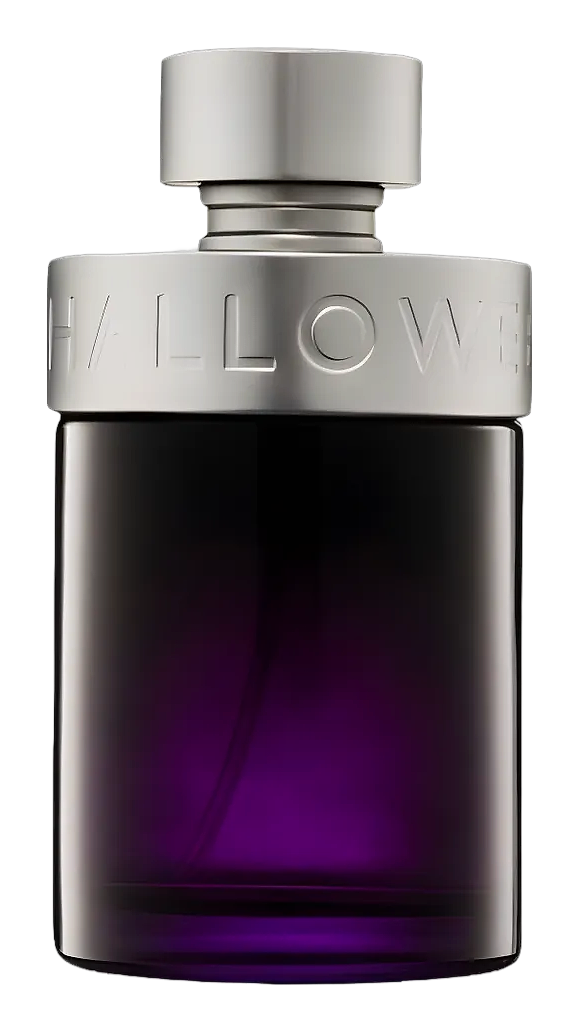
Nicolas Beaulieu crafted Halloween Man in 2012 for the Spanish house founded by fashion designer Jesús del Pozo. Del Pozo's brand philosophy centers on mystery, self-expression, and the tagline 'Believe in Your Magic,' framing fragrance as personal discovery rather than conformity. Beaulieu, working with this mandate, created a scent that embodies confident individuality through its contrast of bright citrus openings and deep, sensual collectors. The fragrance rejects mainstream predictability in favor of something memorable and distinctive.
The note structure reflects a philosophy of contrast: bright, almost aggressive freshness meeting warm, intimate depth. Mandarin and violet leaf represent the brand's belief in self-expression through initial impact, while vanilla and leather speak to the discovery beneath the surface. The martini note, unconventional but effective, embodies the brand's rejection of fragrance conventions. This is fragrance as statement, as magic, as self-belief made sensory.
The evolution
The opening hits with mandarin orange's immediate citrus punch, quickly joined by violet leaf's cool green presence and basil's herbal sharpness. The martini note arrives as a sophisticated twist, giving the top section a cocktail-party confidence. As time progresses, cinnamon takes command of the heart, warming the composition while orange blossom softens the edges with delicate sweetness. Lavender and ginger flower add complexity, the latter providing exotic spice that prevents the heart from becoming predictable. By the drydown, vanilla and ambergris create a warm, enveloping embrace while leather grounds the entire composition, giving it lasting masculinity.
Cultural impact
Halloween Man arrived in 2012 as part of a brand with Spanish roots, founded by Jesús del Pozo in 1997. The release marked a calculated expansion beyond the Halloween line's feminine heritage, targeting the growing men's oriental market. At a mid-range price point, it offered accessible luxury in a category traditionally dominated by higher-priced designer houses. The martini note was distinctive for its time, borrowing from contemporary mixology trends that permeated popular culture during the early 2010s. Community reception on perfume forums demonstrated sustained interest, with users praising its ability to balance sweetness with herbal freshness, a combination that positioned it as a bridge fragrance between seasons and occasions.