Martini
The Martini accord captures the crisp, aromatic soul of the classic cocktail—juniper-sharp gin meets dry vermouth's botanical complexity, finished with a flash of citrus and an olive's briny edge.

Character
How it smells
A dry, aromatic cocktail note with botanical depth.
The first martini recipe appeared in 1900, though the drink's gin and vermouth lineage stretches back to 17th-century Dutch jenever.





Origin
Multiple origins
The Martini's story begins with jenever, the Dutch gin that British soldiers sampled during the Eighty Years' War. British sailors brought jenever home, eventually inspiring London's dry gin. Meanwhile, Italian and French producers were developing aromatized wines—vermouth—infused with wormwood, cinchona, and dozens of herbs.
The first recognizable martini cocktail appeared around 1900, likely in California. By the 1940s, it had become the icon of sophistication. Fragrance creators began interpreting the Martini's aromatic vocabulary in the late 20th century, drawn to its juxtaposition of crisp spirits, bitter botanicals, and salt.
The note represents something rare in perfumery: a scent born entirely from human culture rather than nature, yet evoking genuine sensory pleasure.
Wears it best
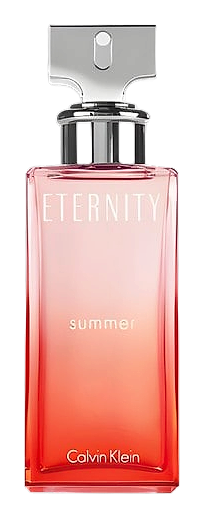
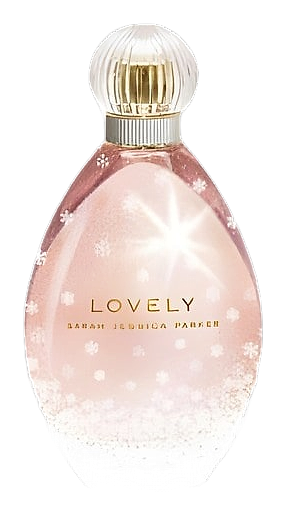
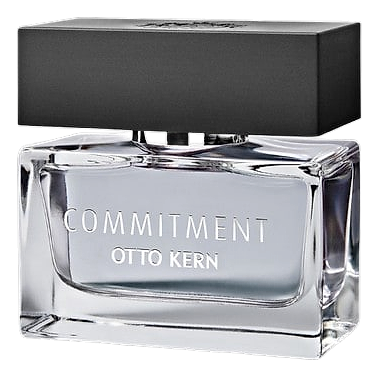
Fragrances featuring Martini

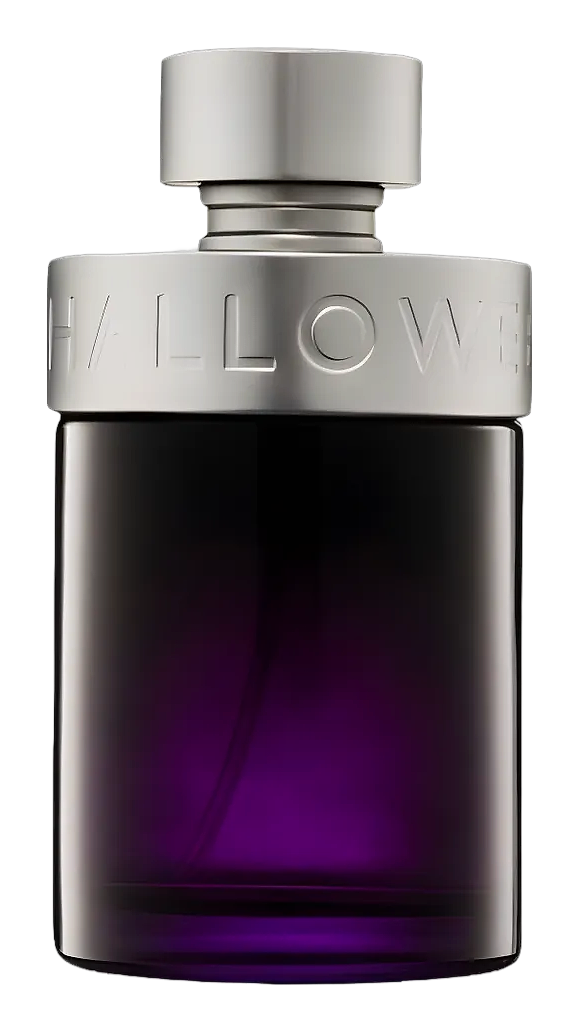
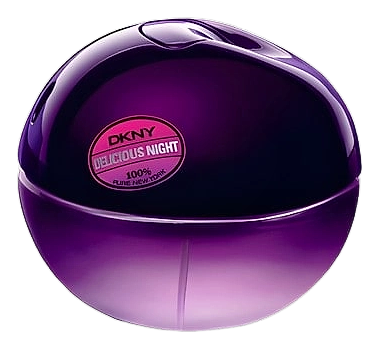
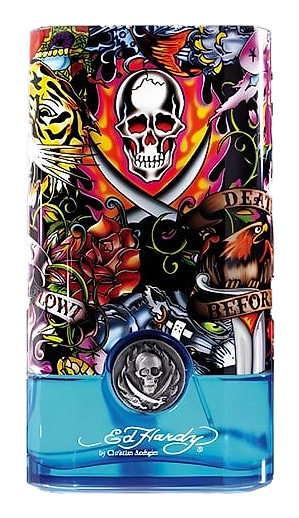
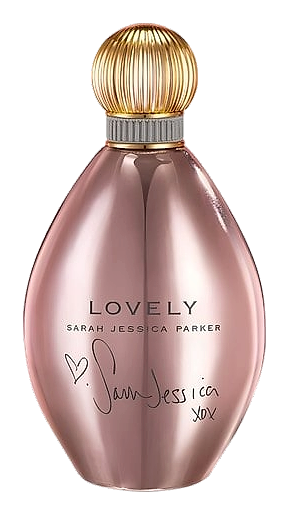

Brands
Brands known for Martini
Good to know
Questions, answered
The essentials on Martini in perfumery: how it smells, where it comes from, and how it behaves on skin.
What does the Martini note smell like?
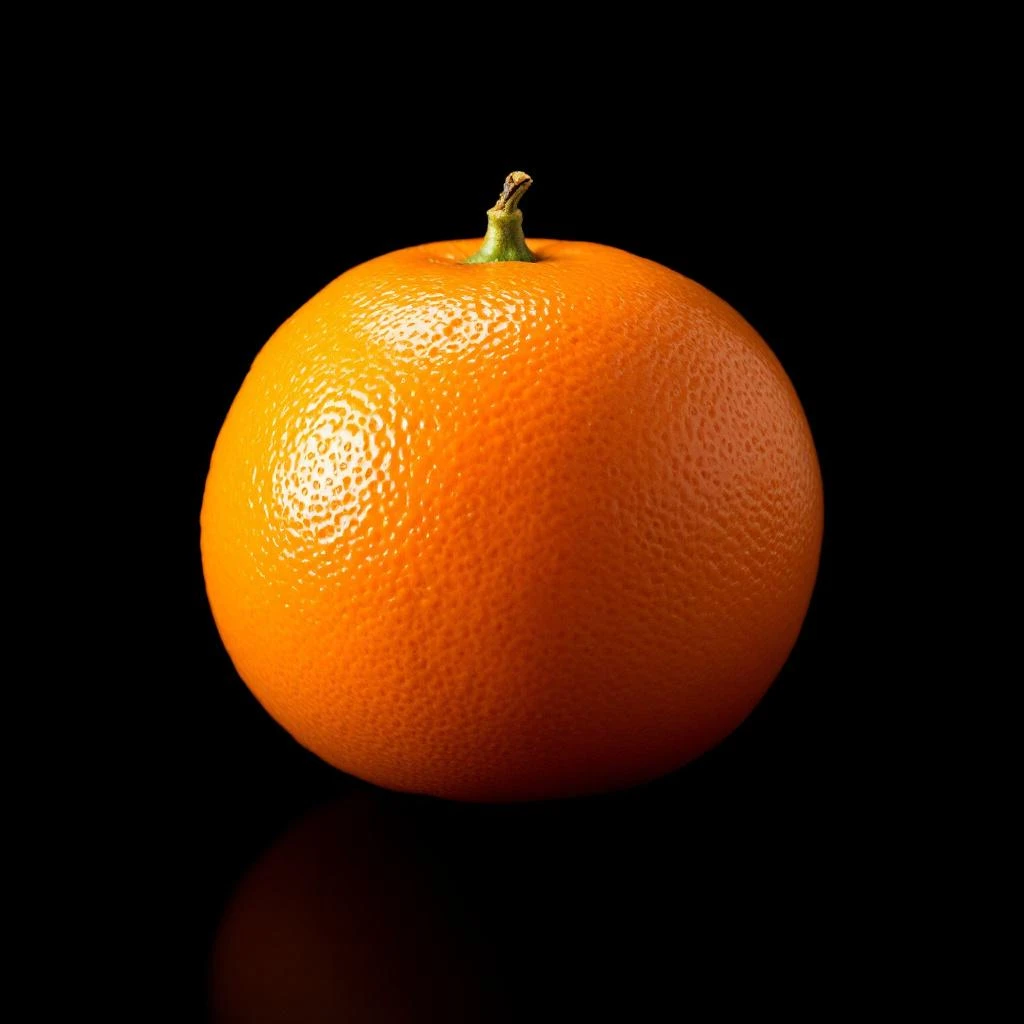
The Martini note combines juniper's sharp, conifer-like freshness with citrus brightness, herbal bitterness from wormwood, and a subtle briny quality reminiscent of olives. The overall impression is dry, aromatic, and sophisticated.
Is Martini a natural fragrance ingredient?
No. Martini is an accord—a crafted combination of multiple aromatic materials designed to evoke the cocktail's scent profile. No single natural ingredient smells exactly like a martini.
What ingredients create the gin character in a Martini accord?
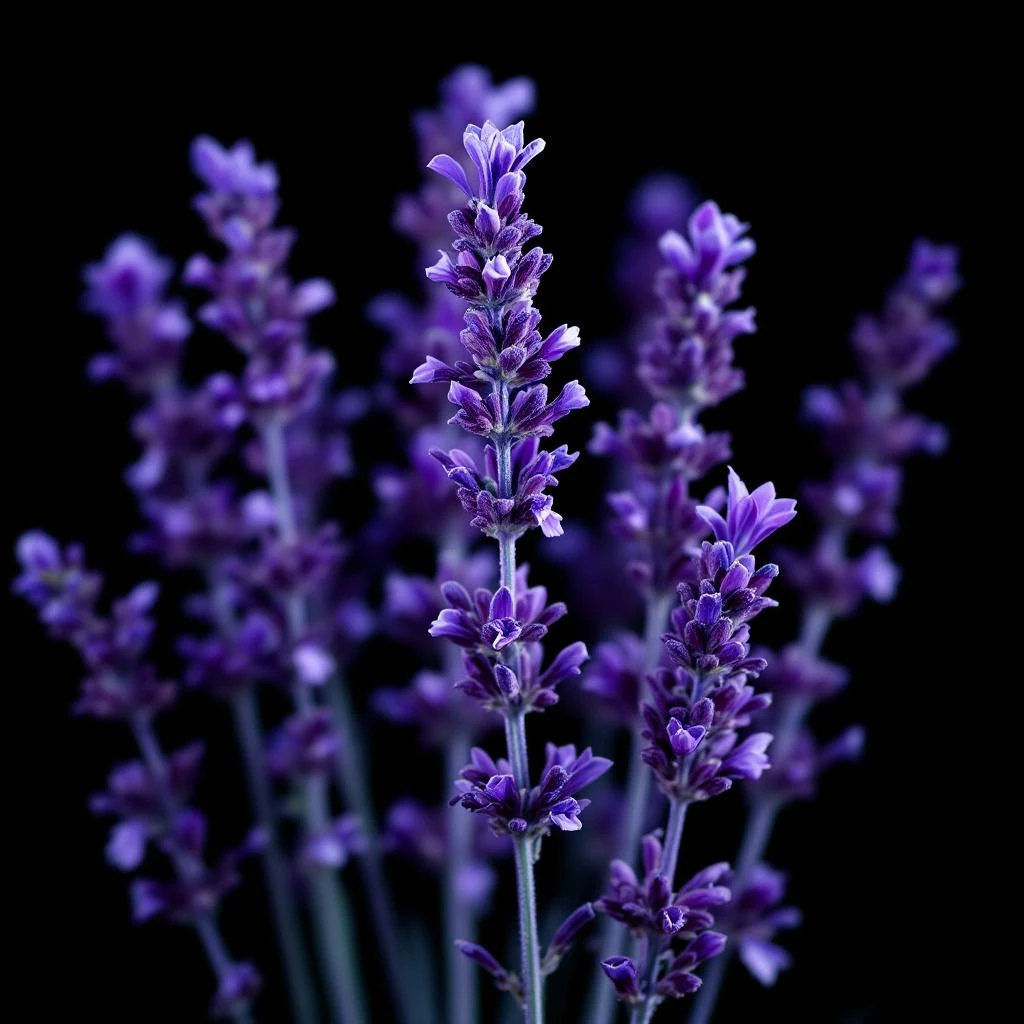
Juniper berry oil provides the primary gin character. Distilled from fermented and steam-distilled berries, it delivers the distinctive piney, slightly citrusy aroma that defines London Dry Gin.
What gives vermouth its aromatic signature in perfumery?
Artemisia, particularly wormwood, supplies vermouth's characteristic bitter-herbal note. Perfumers use artemisia absinthium extract or synthetic analogues to capture this complex, medicinal quality.
Which perfumes feature the Martini note prominently?
Several niche fragrances incorporate Martini-inspired accords. Valentino Uomo Born in Roma Coral displays this character, as does Givenchy Gentleman Boisée. The cocktail note appears frequently in contemporary masculine and unisex compositions.
Does a dirty martini add different elements to the accord?
Yes. A dirty martini introduces olive brine notes, which perfumers approximate using salt-accented aromatic compounds or natural materials like ambergris and certain marine aromatics. This adds depth and an umami-like savoriness.
Why do perfumers create cocktail-themed notes like Martini?
Cocktail notes tap into emotional and cultural associations beyond natural ingredients. The Martini evokes glamour, wit, and mid-century sophistication. These narrative elements enrich fragrance storytelling and consumer connection.
Can I find Martini-scented products beyond perfume?
The Martini accord appears in candles, room diffusers, and bath products. These applications benefit from the note's clean, sophisticated character and strong cultural recognition.