
The Story
Why it exists.
The beginning
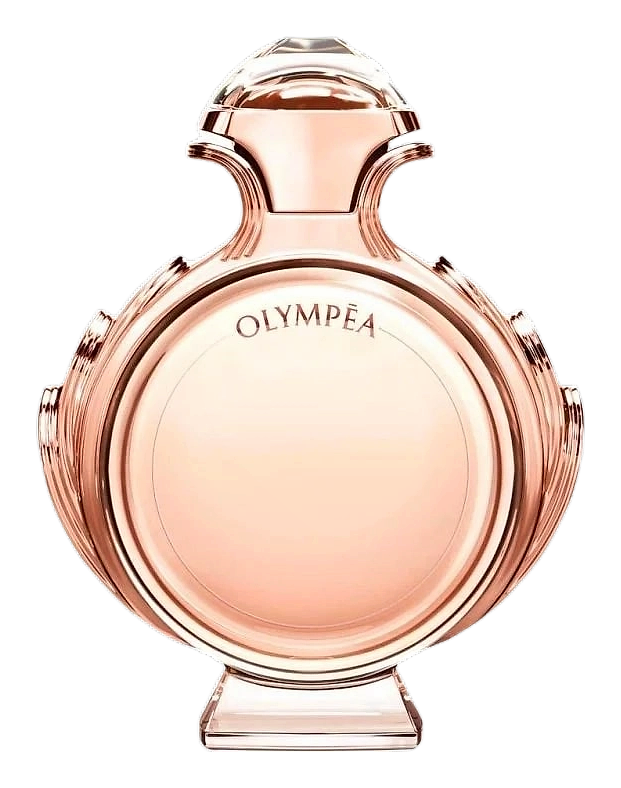
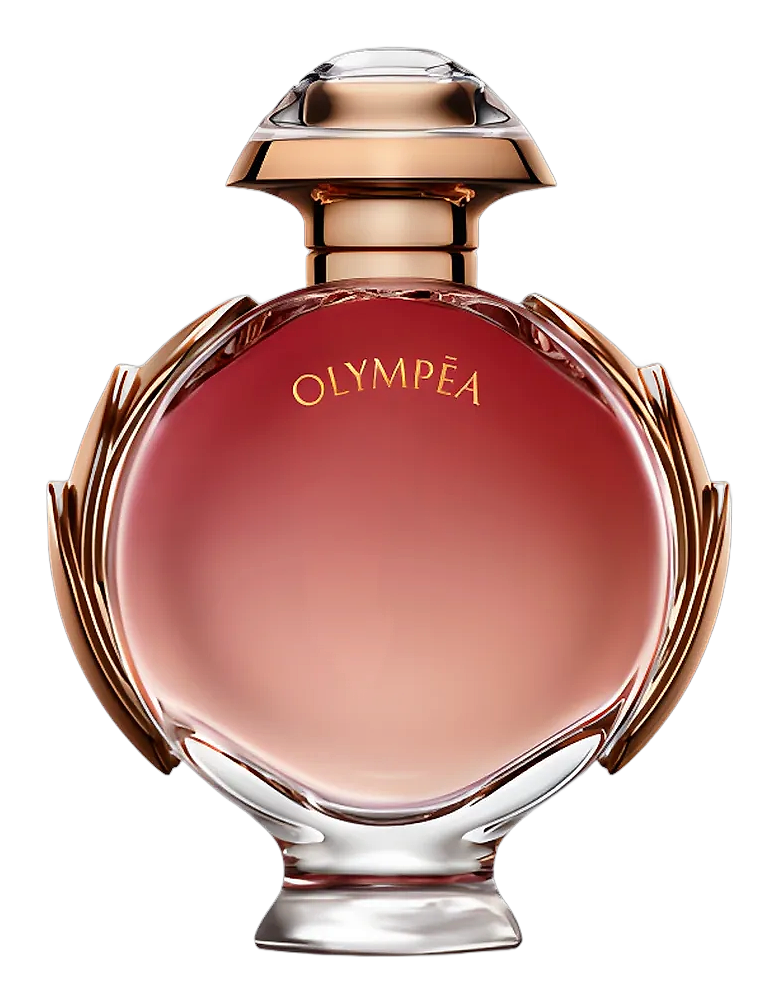
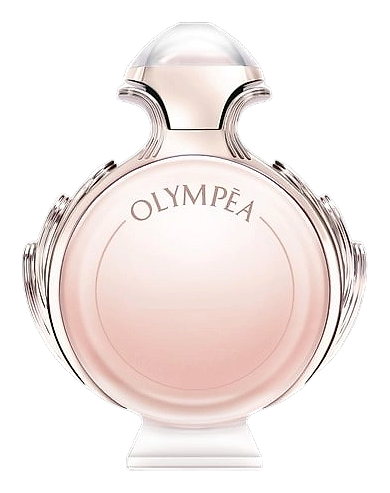
Rabanne launched Olympéa in 2015, a fragrance built around the idea of athletic competition, victory, the thrill of the finish line. The house developed a follow-up with an aquatic direction in mind, working with four perfumers, Fanny Bal, Anne Flipo, Dominique Ropion, and Loc Dong, to build something that would outlast the category standard. The answer was salted vanilla, a material that smells like skin left in warm salt water, mineral and sweet at once. The combination of that salted vanilla with ambergris and cashmere wood creates a base that feels warm and animal rather than sweet and edible. Olympéa Aqua became the aquatic that actually stays interesting after the first hour, when most aquatics have already faded into forgettability.
The salted vanilla is the point. Not dessert-sweet vanilla, the kind that sits in the background and plays support. Combined with ambergris and cashmere wood, it creates a base that smells like skin warmed by sun and sea, not like a bakery. That's the difference. Most aquatics use salt as a freshness trick, a top-note gimmick that disappears within the first hour. Here salt is structural, it changes how the vanilla reads throughout the wear, keeps it mineral and animal rather than sugary.
The evolution
The top lands crisp, bergamot, petitgrain, a flash of grapefruit. The aquatic notes aren't linear here; they ripple. After the opening settles, the ginger flower arrives clean and almost spicy, followed by jasmine and peach. Rose keeps everything slightly floral and rounded. The florals don't announce themselves loudly. They soften the citrus, make it warmer and more inviting. As the heart develops, the citrus recedes and the salted vanilla takes over, not replacing the florals so much as underselling them. The drydown is cashmere wood and sandalwood, a close warmth that stays intimate and near the skin. The ambergris threads through the whole base, giving it an animal quality that keeps it from smelling purely clean.
Cultural impact
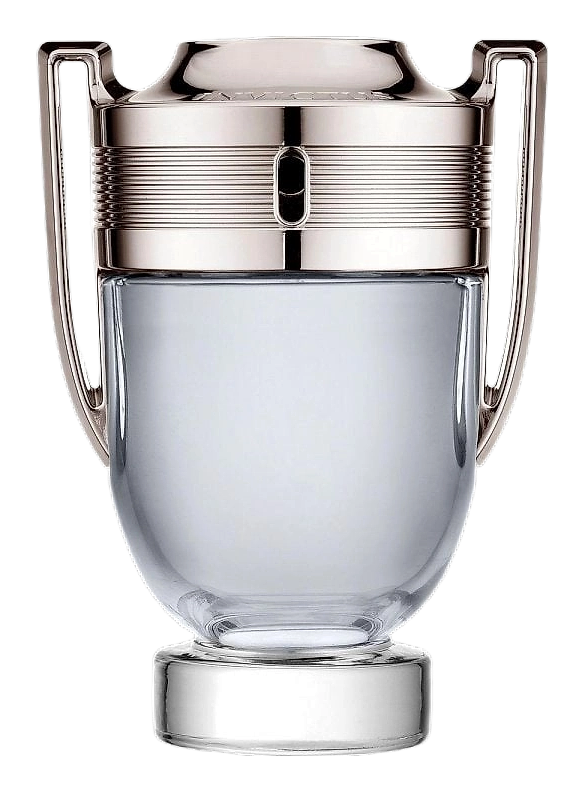
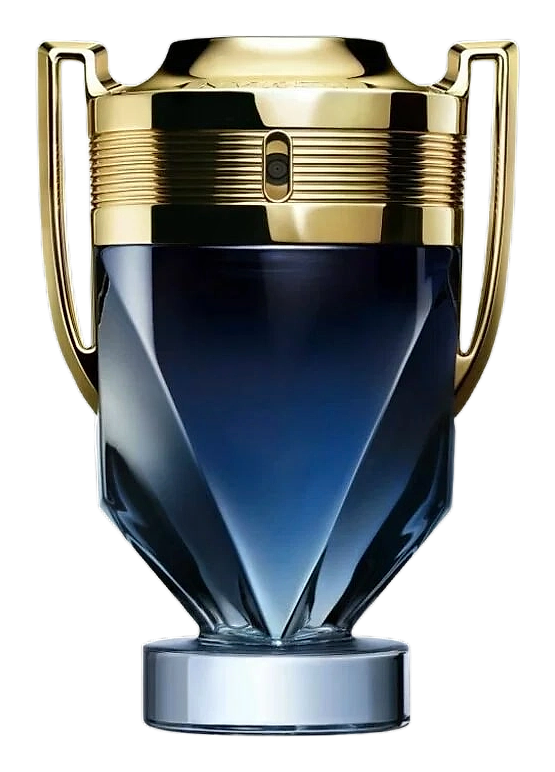
Rabanne built the original Olympéa around athletic competition and victory. Olympéa Aqua arrived in 2016 alongside Invictus Aqua. The salted vanilla in the base was a departure from category conventions, a choice that made the aquatic feel grounded rather than borrowed. Where most aquatic fragrances lean into clean, soapy freshness, this one went somewhere else entirely, building a base that smells like skin that has been in the water, warm and mineral and sweet in a way that has nothing to do with dessert.
The House
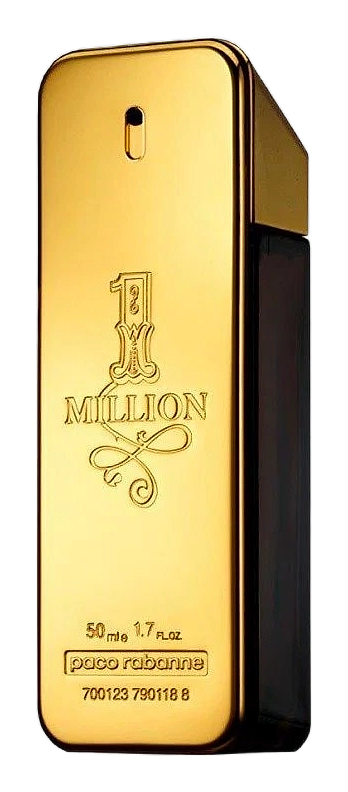
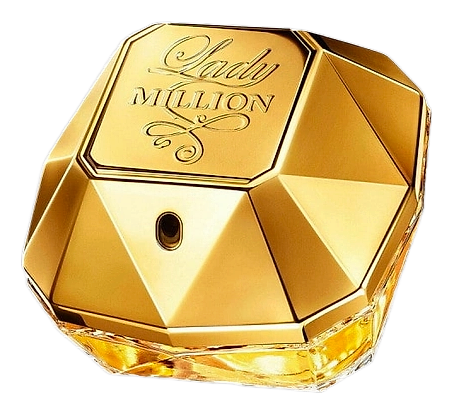
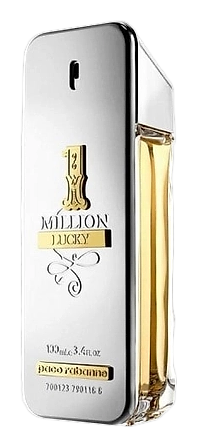
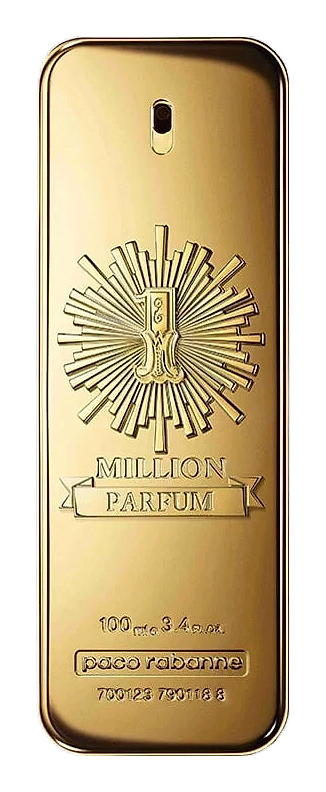
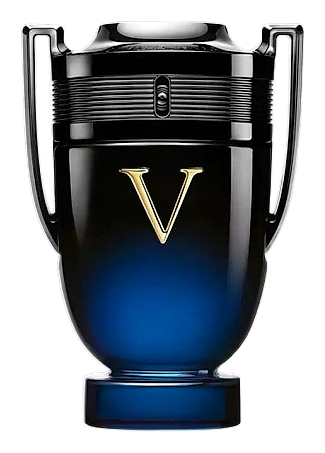
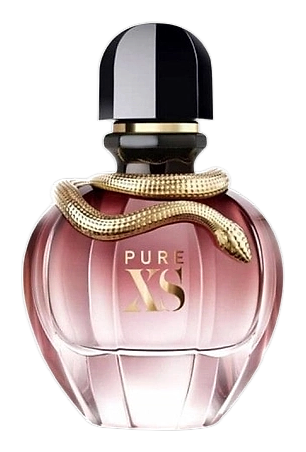
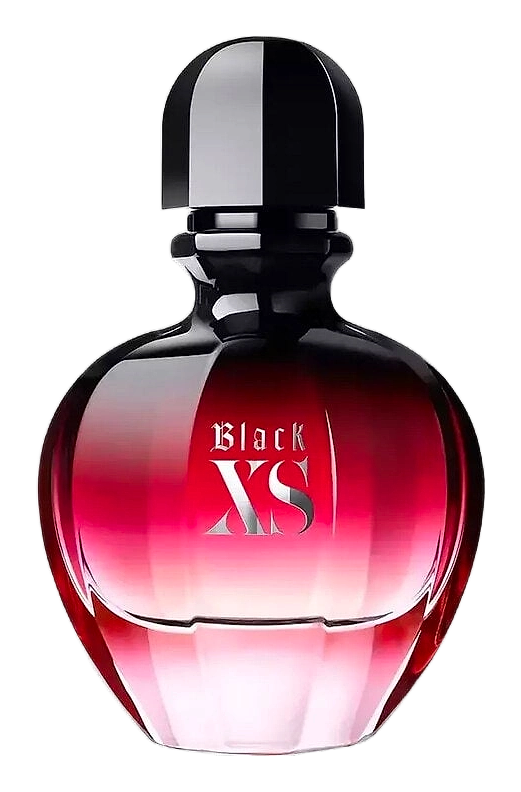
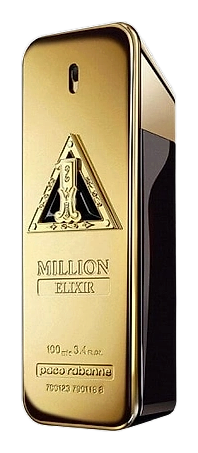
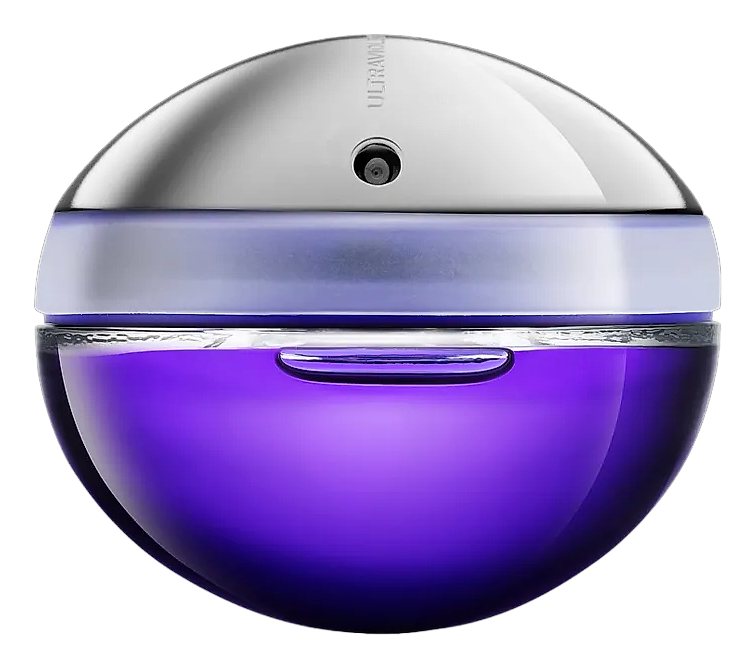
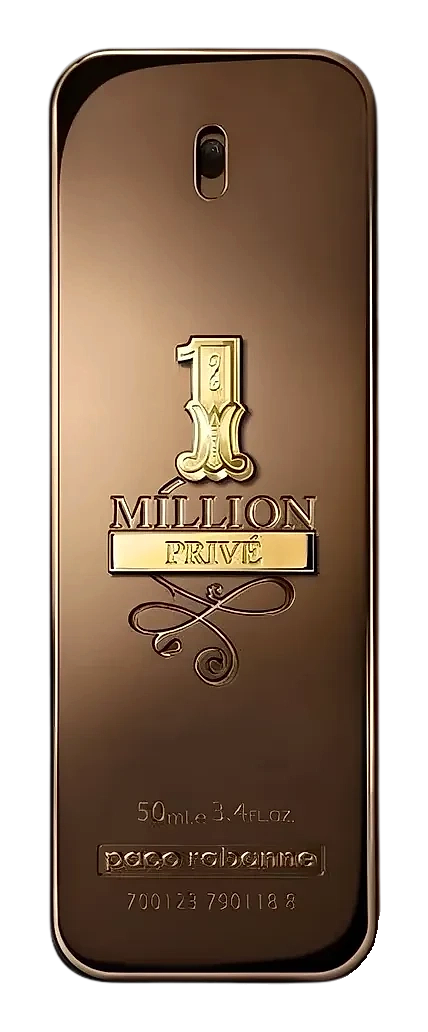
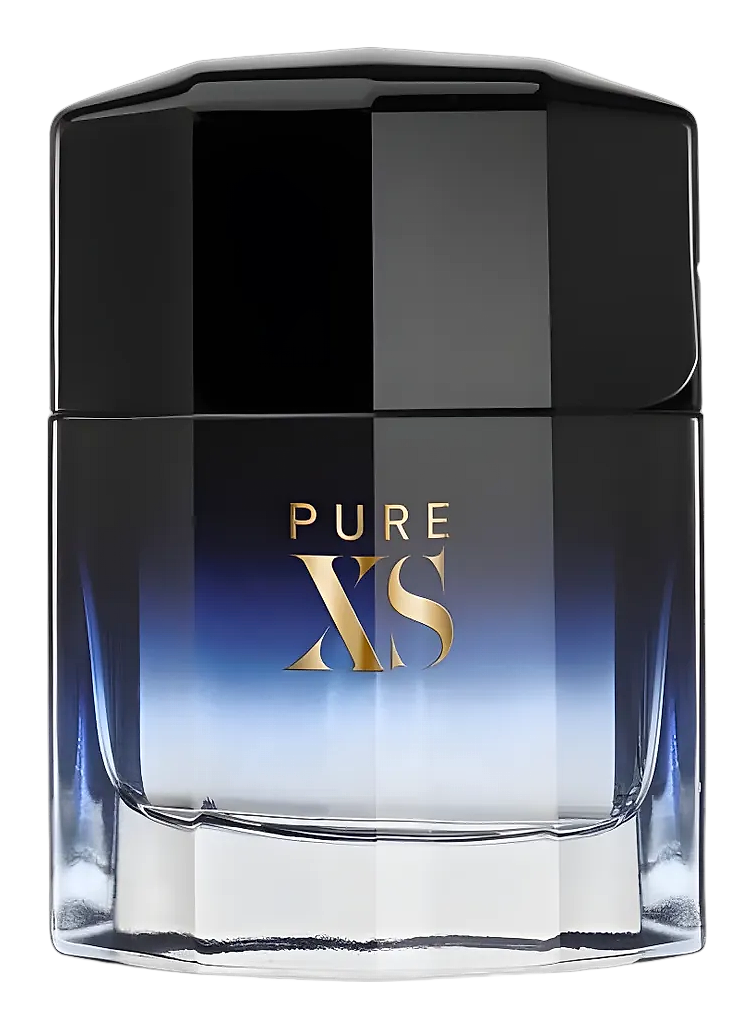
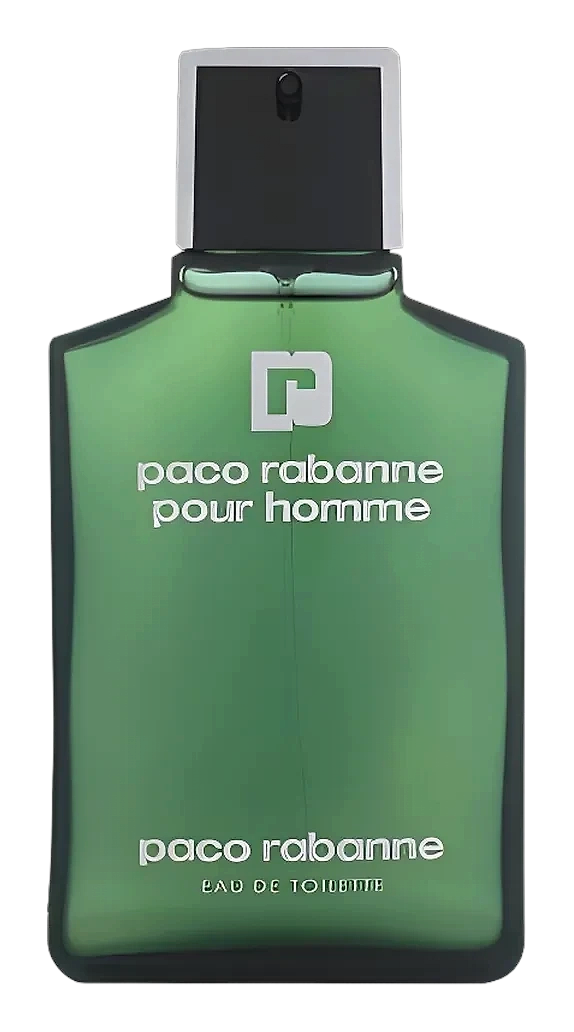
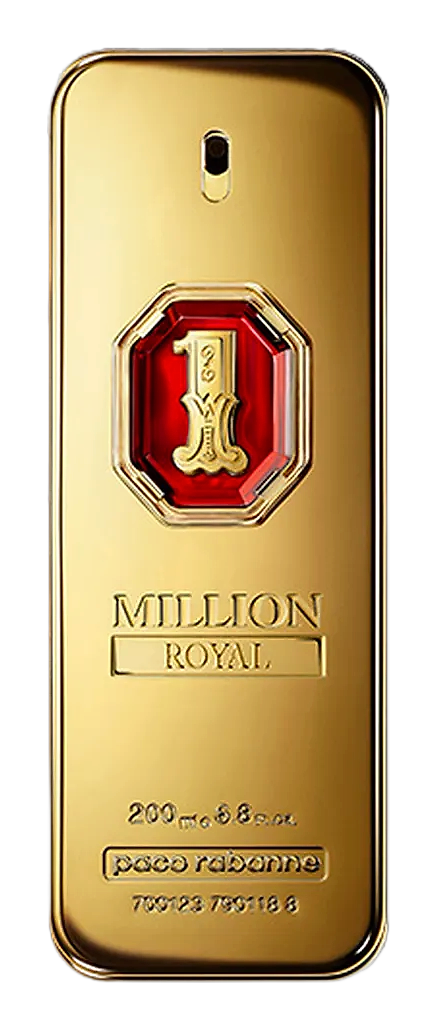
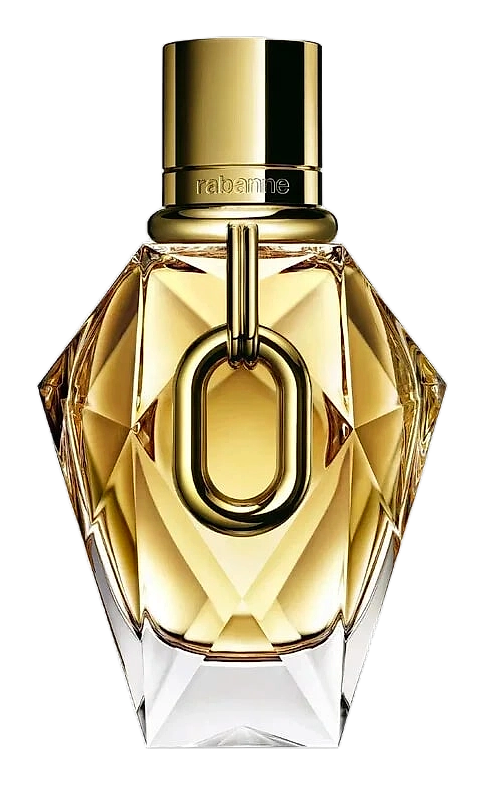
RabanneRabanne is a Paris-based fashion and fragrance house founded by Spanish-born designer Francisco Rabaneda Cuervo, known professionally as Paco Rabanne. The house established itself in perfumery through a partnership with Spanish fragrance company Puig, beginning with the 1969 launch of Calandre. The brand's olfactory identity draws from its fashion heritage: architectural construction, metallic materials, and provocative design language that challenged 1960s fashion conventions. Rabanne built a portfolio of over 85 fragrances spanning multiple decades, from aldehydic florals and aromatic fougeres to orientals and fresh aquatic compositions. The house's gold ingot-shaped bottle for 1 Million (2008) became one of the most recognizable fragrance silhouettes in global retail. Nadia Dhouib was appointed General Manager in April 2022 after serving at Galeries Lafayette, tasked with unifying the brand's fashion and fragrance voices and expanding audience reach. In mid-2023, the house rebranded from Paco Rabanne to simply Rabanne, completing that consolidation.
The Creator
Loc DongDong's tropical upbringing gave him an unusually personal relationship with raw materials. Where other perfumers reference botanicals through abstractions, he knows these materials from memory, from childhood, from his hands in Vietnamese soil.