










































Heritage
A house, in its own words
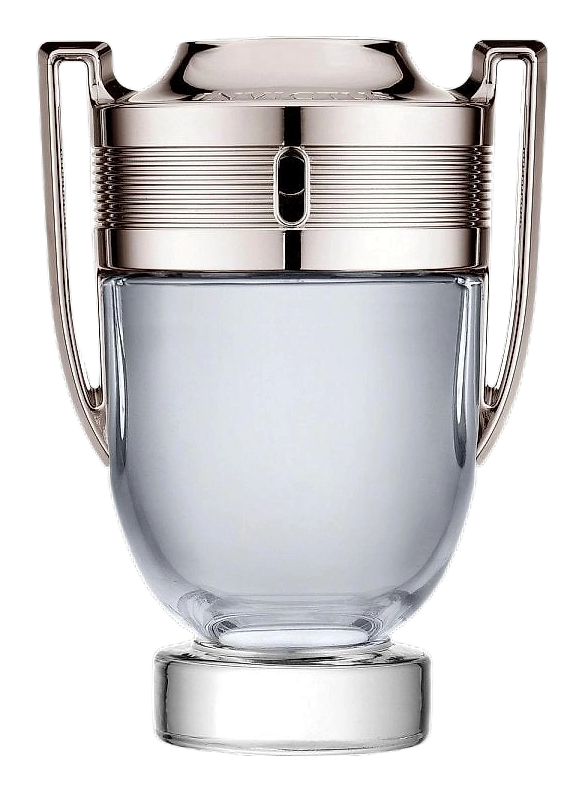
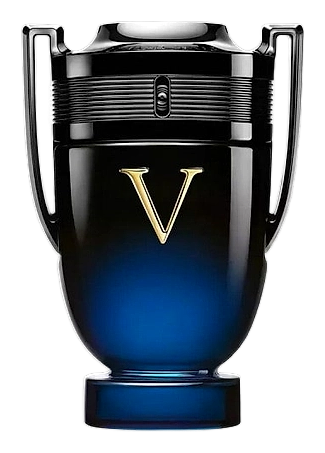
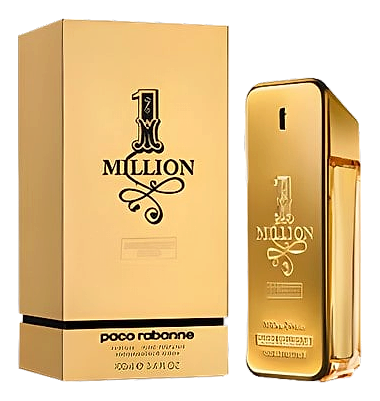
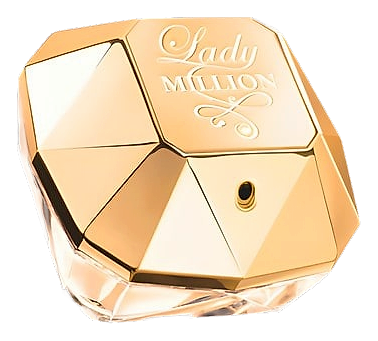
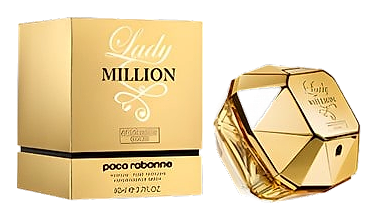
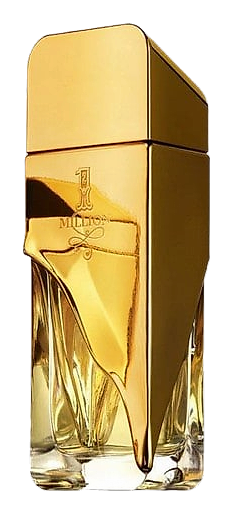
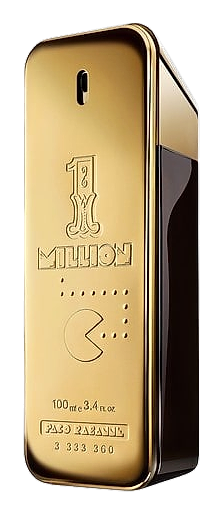
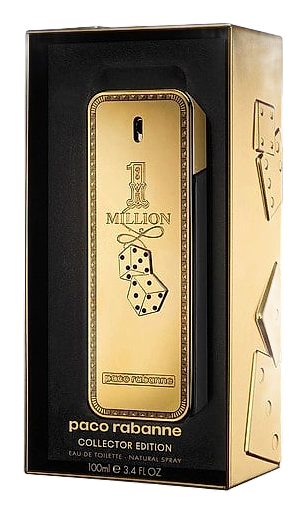
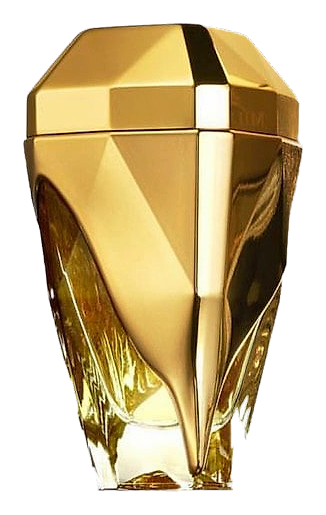
Francisco Rabaneda Cuervo, born in 1934 in Pasaia on Spain's Basque coast, arrived in Paris as a child refugee during the Spanish Civil War. He trained formally as an architect at l'Ecole Nationale des Beaux-Arts while supplementing his income with fashion sketches for Dior and Givenchy, and shoe designs for Charles Jourdan. After his studies, Rabanne worked for over a decade for Auguste Perret, France's leading reinforced concrete developer. That structural engineering background profoundly shaped his approach to fashion construction. In 1966 he founded his own fashion house in Paris, quickly gaining notoriety for designs built from unconventional industrial materials including metal chain mail, plastic links, and paper. These creations sparked fierce controversy within the Parisian fashion establishment. The notoriety, however, attracted a different kind of partnership. In 1968 Rabanne signed a licensing agreement with the Spanish fashion and fragrance company Puig (founded 1914 by Antonio Puig and the Castello family in Barcelona). The following year, 1969, saw the launch of Calandre, the house's debut fragrance, a collaboration that marked the beginning of Rabanne's fragrance division. The partnership deepened steadily, with Puig acquiring the house entirely in 1986. Rabanne continued overseeing fragrance development into his later years. His final contribution was 1 Million (2008), which emerged as the house's most commercially successful scent. He passed away in February 2023 at age 88. Rabanne articulated his approach to fragrance with characteristic directness: 'I like my fragrances to be fresh first, then structured, full of vibrations and contrasts.' That statement captures a philosophy built around sensory impact and deliberate tension between elements rather than smooth, unified compositions. From its very first fragrance, the house pursued a strategy of provocation. Calandre (1969) combined aldehydes with floral notes in a composition that felt industrial and architectural, almost like a structural component. The house's approach has always been to take unconventional materials and unexpected contrasts, and make them feel classic rather than eccentric. Marcel Carles, who worked on Calandre, recalled the brief as almost cinematic: imagining a rich young man arriving in an E-type Jaguar. That sense of dramatic arrival informs the entire fragrance line. Rabanne described wanting vibrations and contrasts, not gentle transitions. Over nearly six decades and 85-plus fragrances, the house has maintained that willingness to be bold, to lean into propositions that some customers find challenging and others find exhilarating. The result is a portfolio that attracts consumers across generations, drawn to the house's provocative sensibility rather than any single house style. The 1 Million line, for instance, carries a distinctly edible, assertive character, while Lady Million pivots toward warmth and sensuality, and Invictus addresses a sportier, fresher market. Each extension takes a recognizable brand identity and pushes it into different emotional territory.