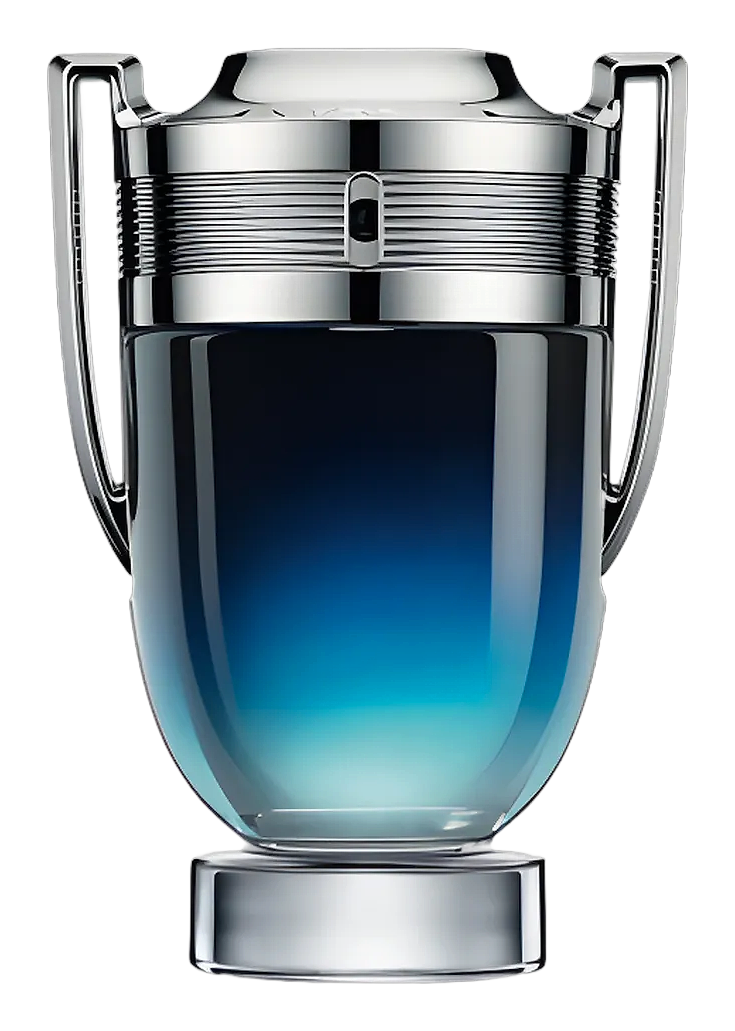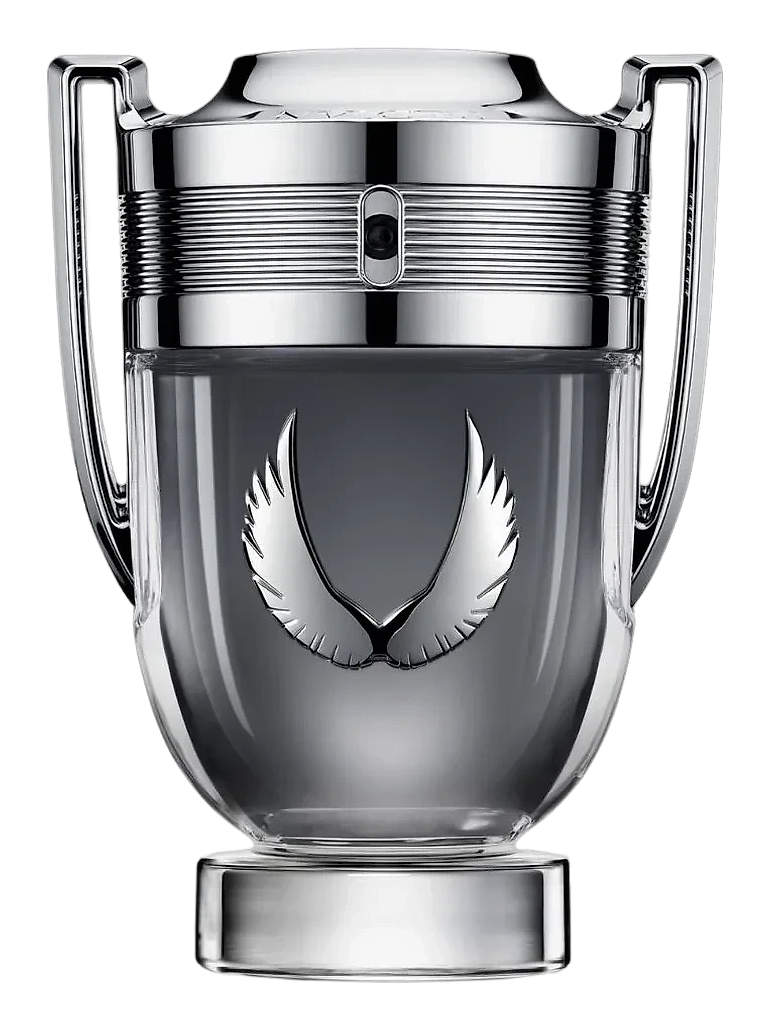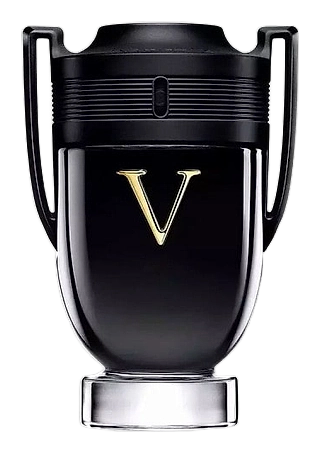

The Story
Why it exists.
The beginning
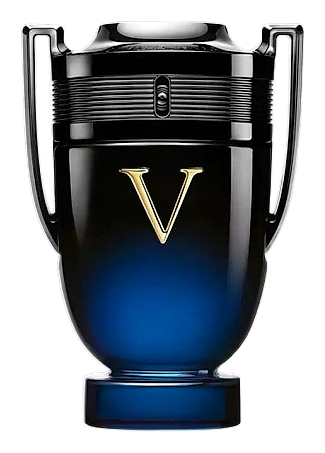
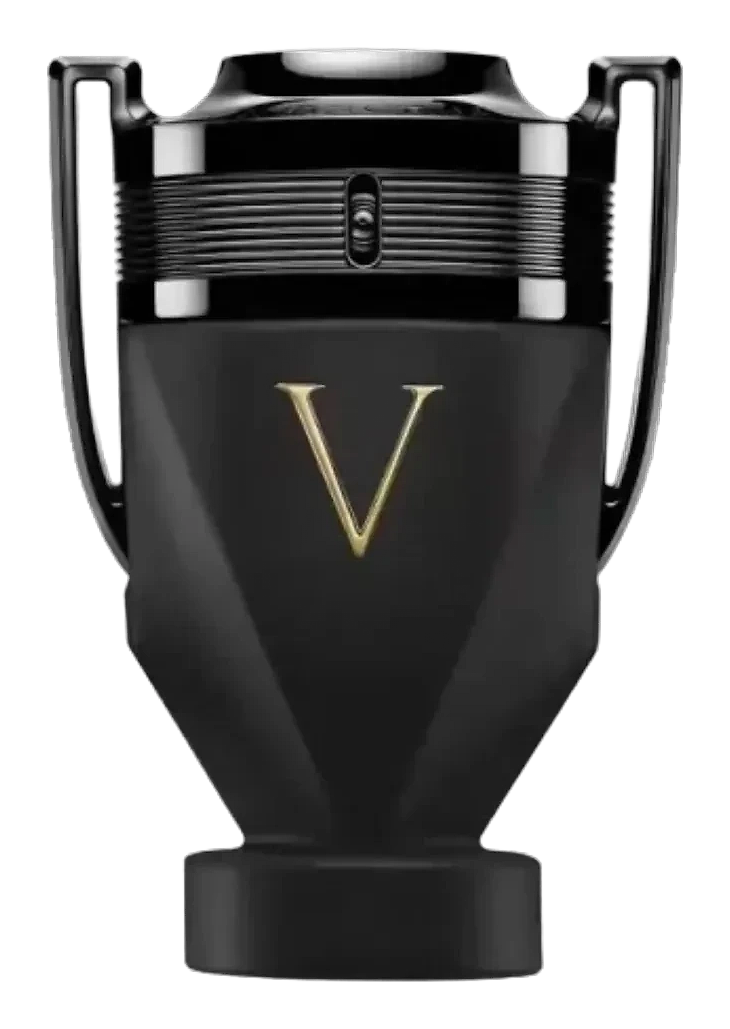
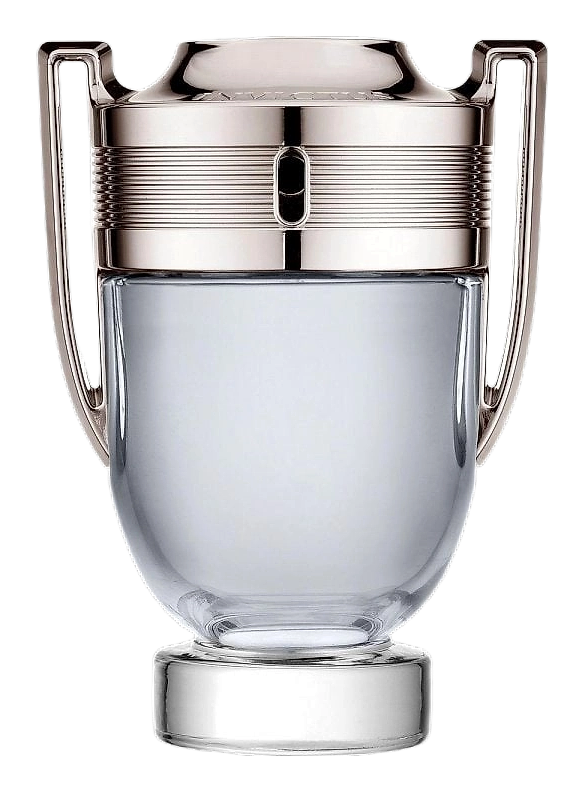
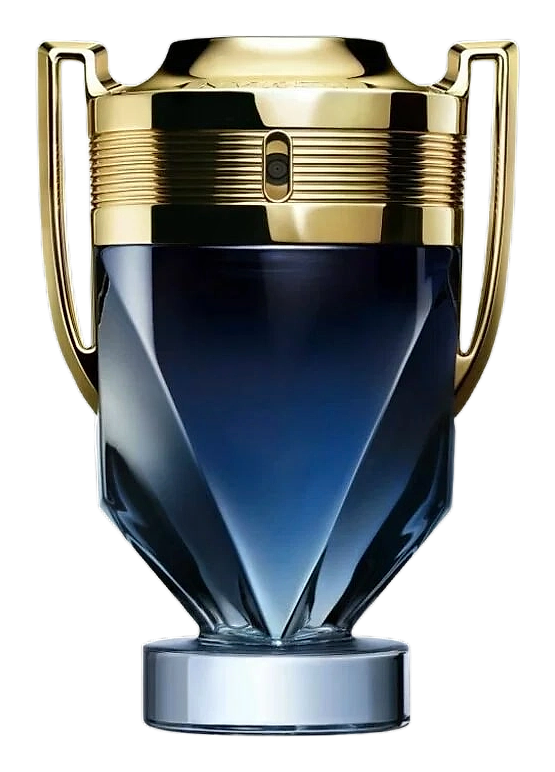
Rabanne, the Paris fashion house founded in 1966 by Spanish-born Paco Rabanne, built its identity on confrontation: chain mail forged from industrial materials, plastic plates threaded into gowns, metal welded into garments that refused to hide the body. That same confrontational spirit runs through the fragrance line developed under parent company Puig. Invictus arrived as a counter-argument to polite perfumery, a collision of freshness and sensuality that refused to apologize for its ambitions. Perfumer Caroline Dumur worked from that original blueprint, that now-famous clash of aquatic electricity and warmer impulses, and pushed it into denser territory with the Parfum concentration.
The note philosophy here prioritizes contrast over harmony. The aquatic-lavender opening creates immediate tension, a freshness that refuses to stay gentle. Violet leaf and myrtle in the heart add structure through their aromatic, slightly bitter qualities, deliberately countering any sweetness that might develops. The musk-cashmeran-sandalwood base provides the human warmth that grounds the earlier electricity, creating a complete arc from confrontation to intimacy that mirrors the brand's fashion identity. These pairings are chosen not for comfort but for a kind of perfumed assertiveness.
The evolution
The new Invictus Parfum arc moves from oceanic confrontation to aromatic precision to lingering warmth. In the opening, aquatic notes provide a sharp, almost metallic freshness that recalls ocean spray at night, immediately tempered by lavender's herbal clarity and pink pepper's fleeting citrus spark. The heart introduces a cleaner, more clinical register as soap takes center stage, violet leaf lending its green, slightly bitter facets while myrtle adds an aromatic quality that borders on medicinal. This middle section feels deliberate, almost laboratory-clean. The transition into the drydown softens everything through musk and Cashmeran, the warmth wrapping the earlier sharpness in something skin-close and intimate. Sandalwood arrives last, its creamy wood presence anchoring the composition in something that persists for hours without apology.
Cultural impact
The 2024 Invictus Parfum release landed in a market that had already processed its feelings about the original Invictus, some love it, some are over it. This concentrated version is for those who want more: more presence, more density, more confrontation. The black soap note continues to polarize, which is exactly what Rabanne intended. The brand has never been interested in universal approval.
The House
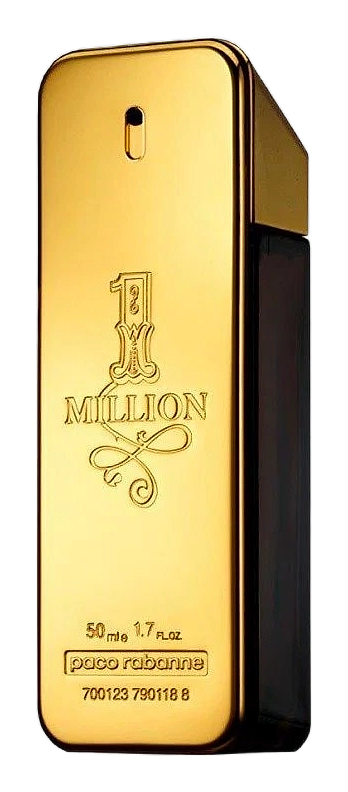
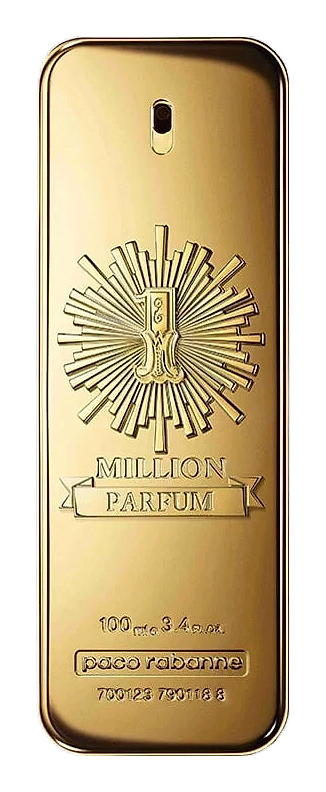
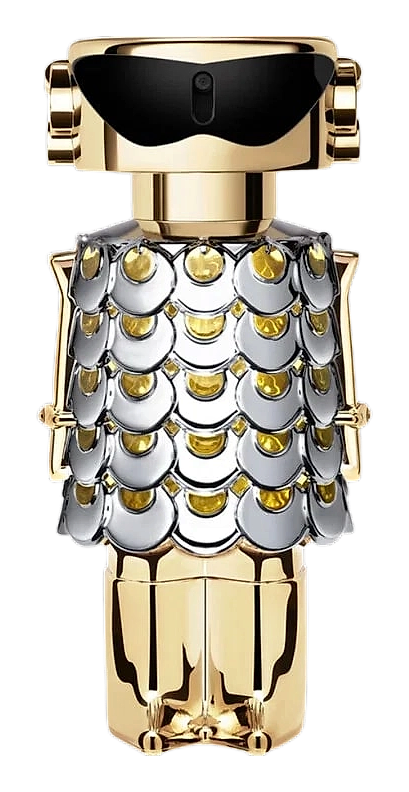
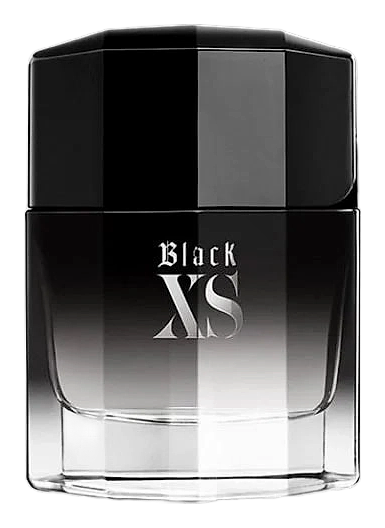
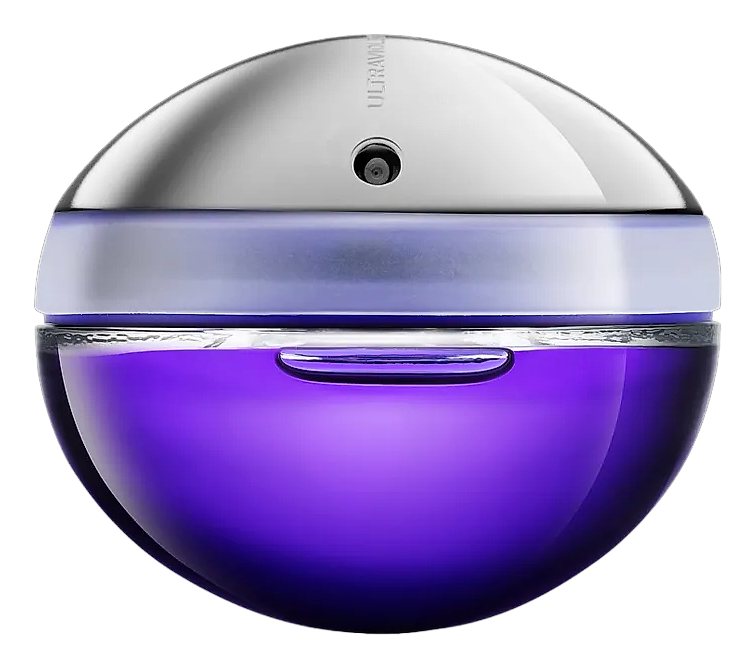
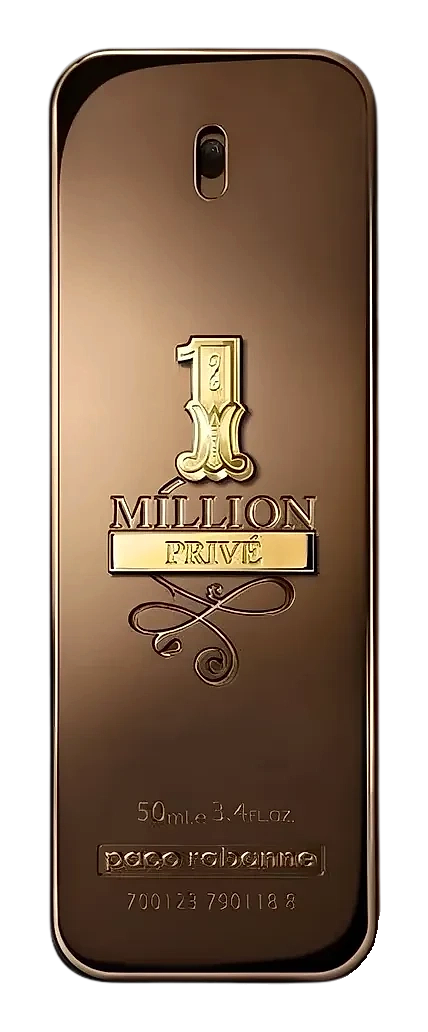
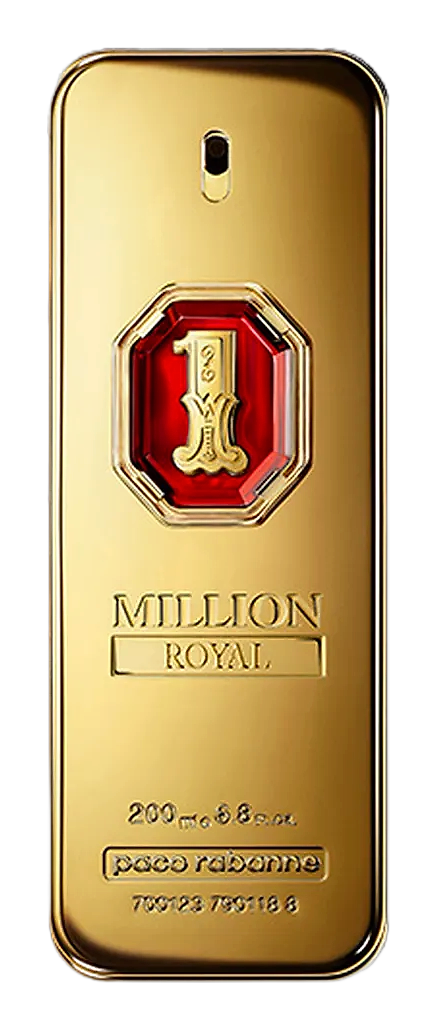
RabanneRabanne is a Paris-based fashion and fragrance house founded by Spanish-born designer Francisco Rabaneda Cuervo, known professionally as Paco Rabanne. The house established itself in perfumery through a partnership with Spanish fragrance company Puig, beginning with the 1969 launch of Calandre. The brand's olfactory identity draws from its fashion heritage: architectural construction, metallic materials, and provocative design language that challenged 1960s fashion conventions. Rabanne built a portfolio of over 85 fragrances spanning multiple decades, from aldehydic florals and aromatic fougeres to orientals and fresh aquatic compositions. The house's gold ingot-shaped bottle for 1 Million (2008) became one of the most recognizable fragrance silhouettes in global retail. Nadia Dhouib was appointed General Manager in April 2022 after serving at Galeries Lafayette, tasked with unifying the brand's fashion and fragrance voices and expanding audience reach. In mid-2023, the house rebranded from Paco Rabanne to simply Rabanne, completing that consolidation.
The Creator
Caroline Dumur & Anne FlipoCaroline favors bold structures built on a clear hierarchy. She often starts with a dominant natural note—jasmine, oud, or cedar—then weaves in a synthetic accent that adds depth or sparkle.