Soap
Soap is a clean, crisp fragrance note that evokes the sensation of freshly laundered fabric and warm skin. In perfumery, it captures that timeless moment of freshness—the scent of a bar lifted to the nose, the memory of linen dried in sunlight.
Character
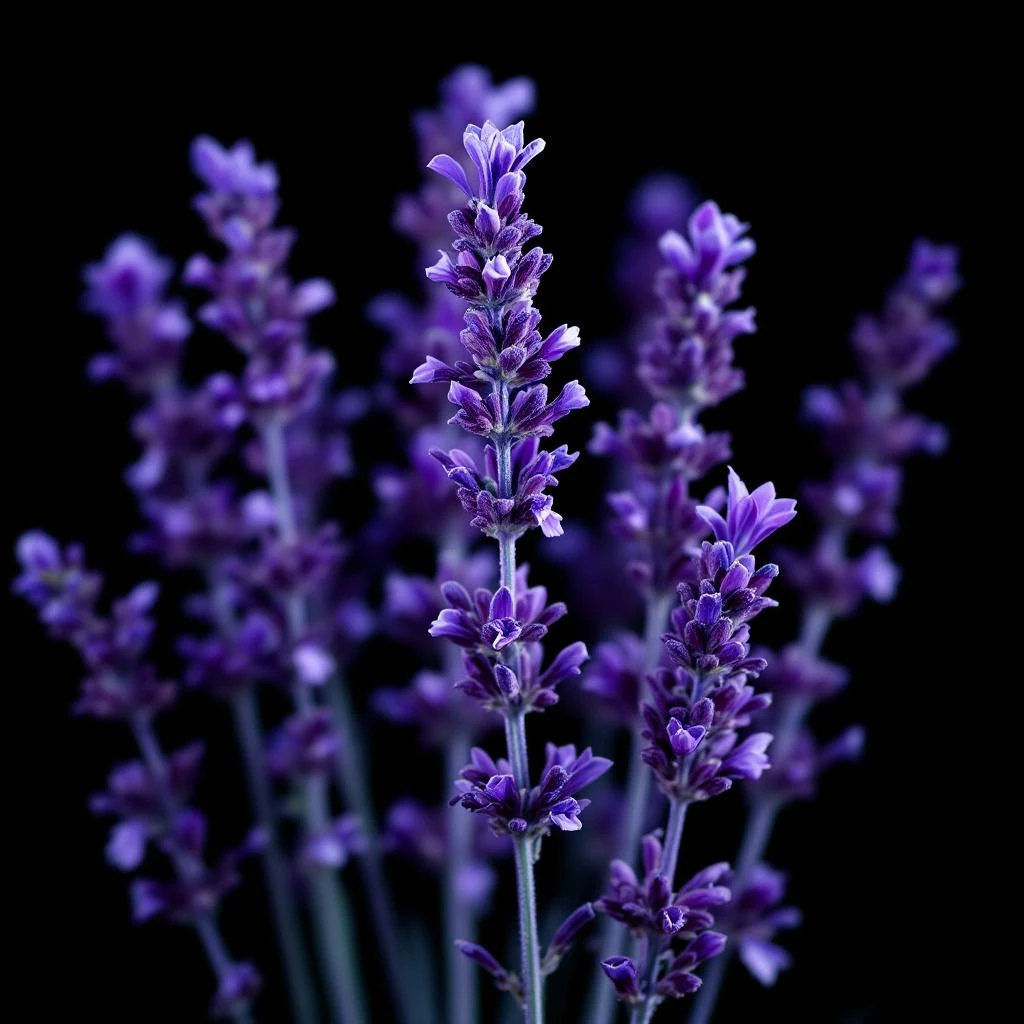
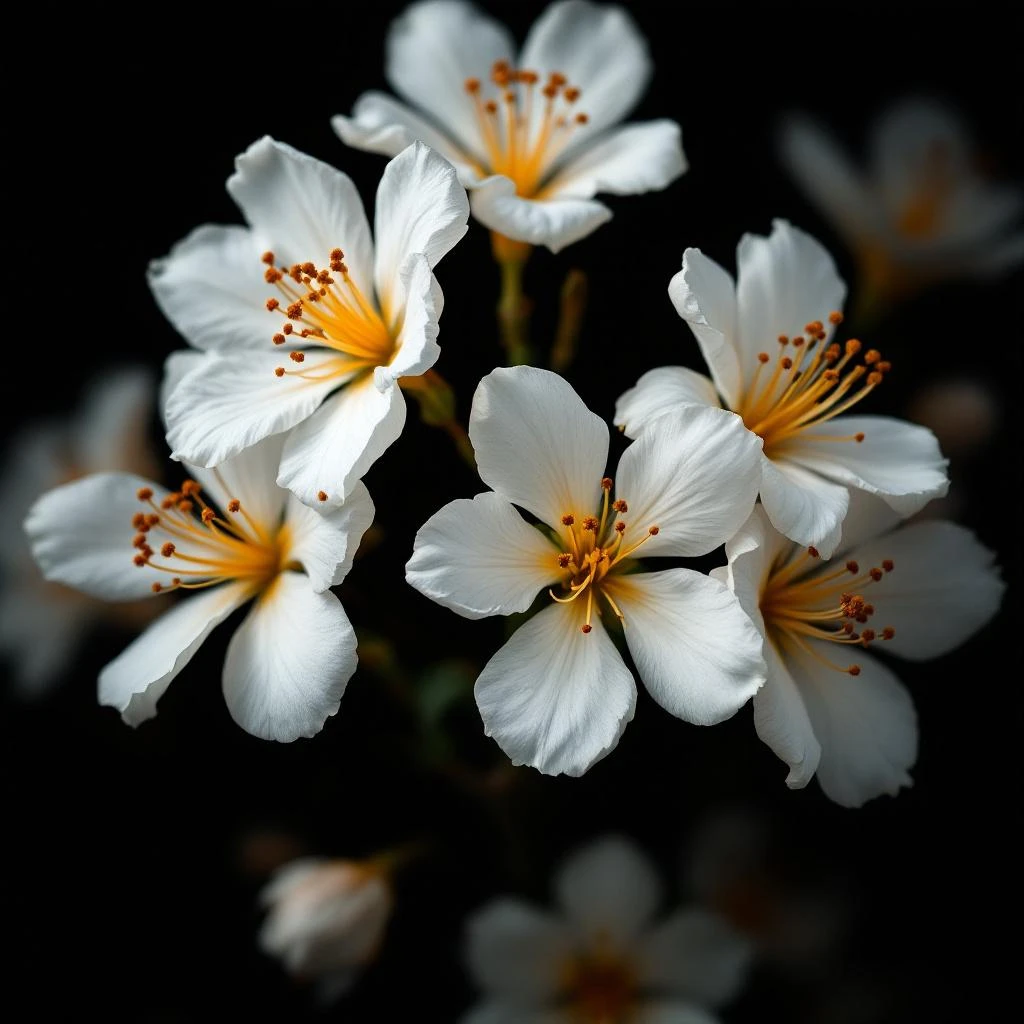
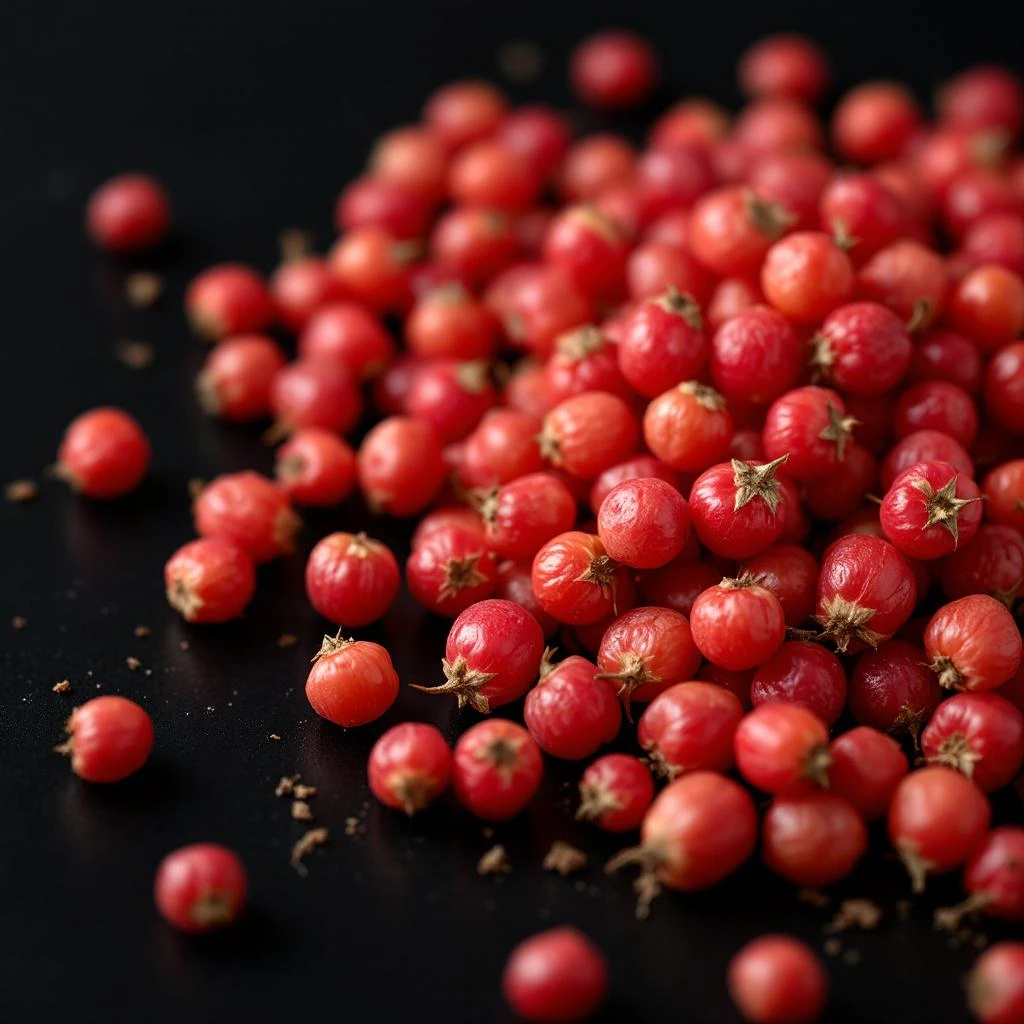
How it smells
The scent of purity and fresh beginnings
The word 'soap' may derive from ancient Celtic 'saipo,' meaning a magical substance used for washing.






Origin
France
Soap-making dates to ancient Babylon around 2800 BC, when people discovered that mixing fats with wood ash produced a cleansing substance. Egyptians refined these techniques by 1550 BC, combining animal and vegetable oils with alkaline salts for both hygiene and medicinal applications. The Arabic world advanced soap production significantly in the 7th century, introducing vegetable oil bases and aromatic additions.
By the 16th century, European perfumers in Grasse, France, began incorporating scented soaps into fragrance traditions, creating luxury toilet soaps that paired cleansing with lasting perfume. This marriage of soap and fragrance eventually inspired perfumers to extract that fresh, clean character directly into bottled scents.
Wears it best
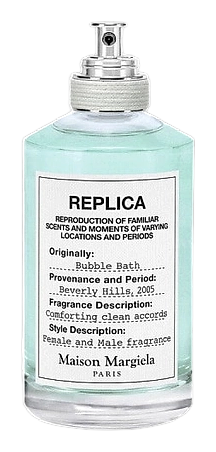
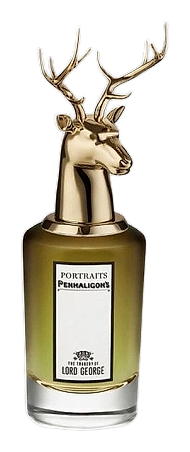
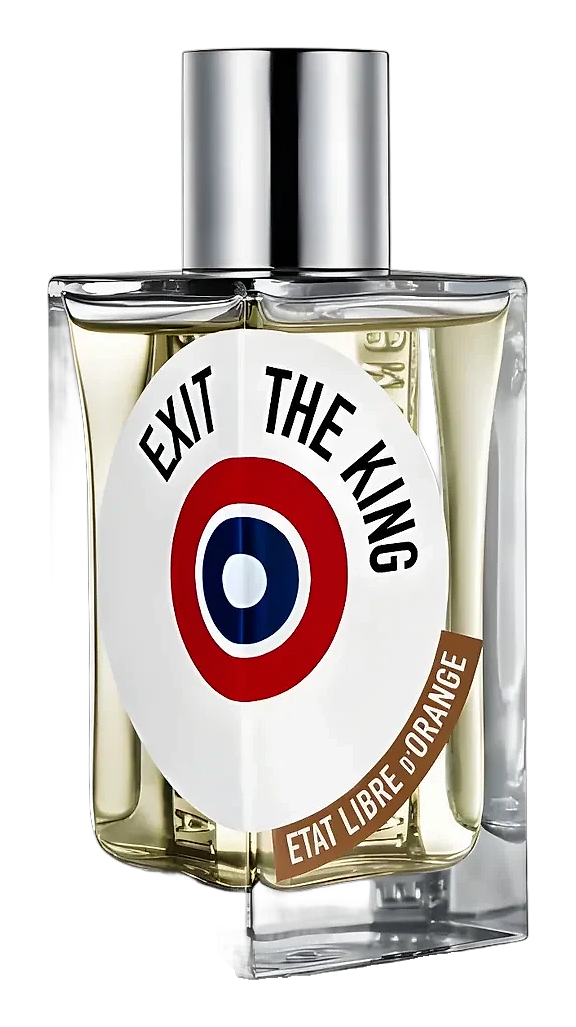
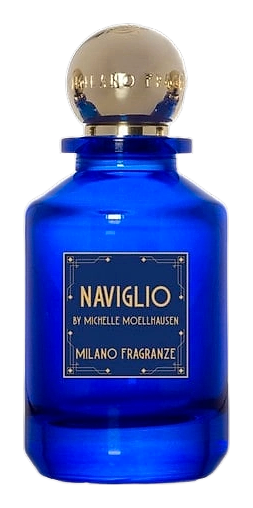
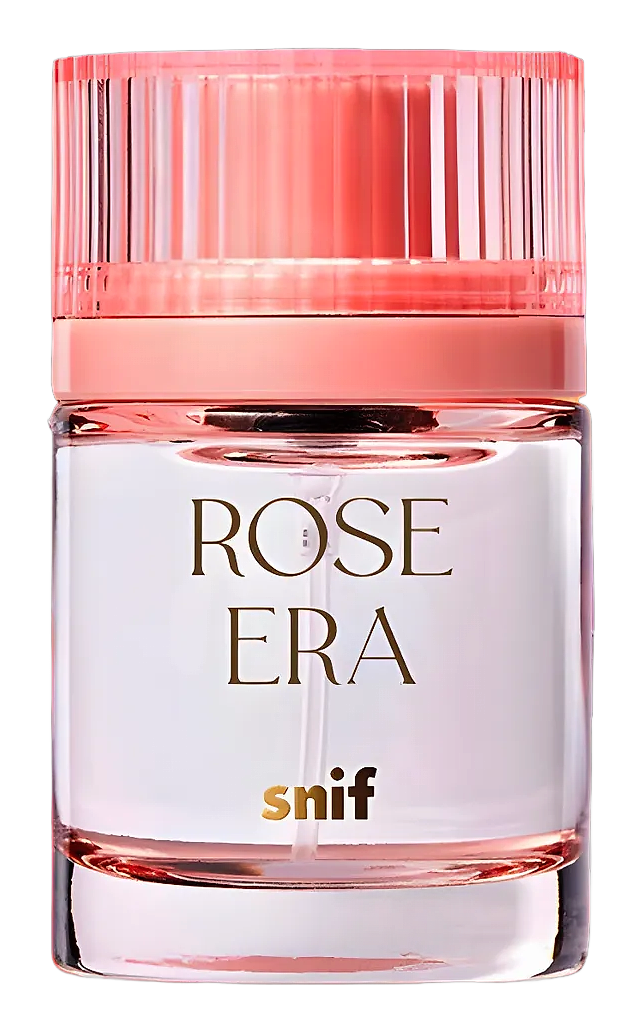
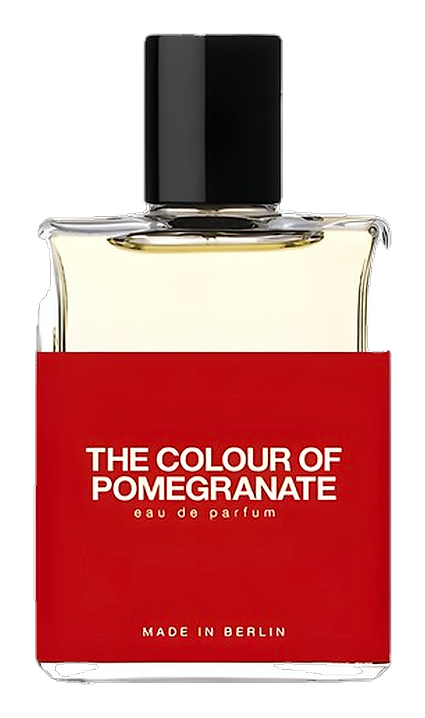
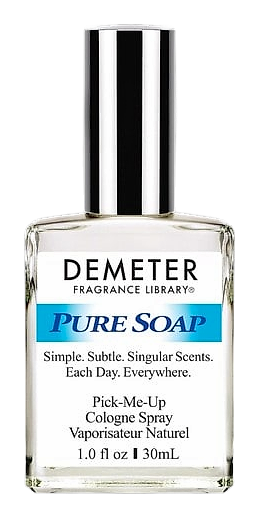
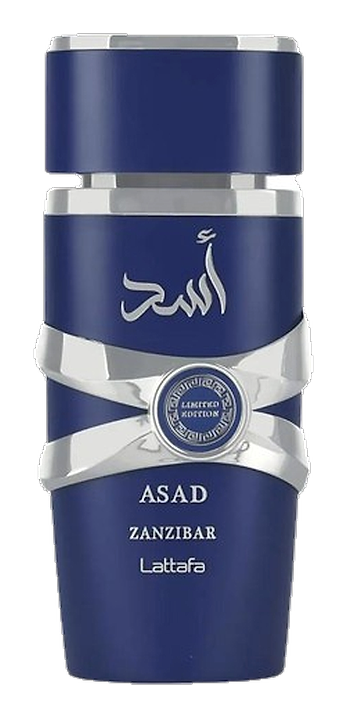
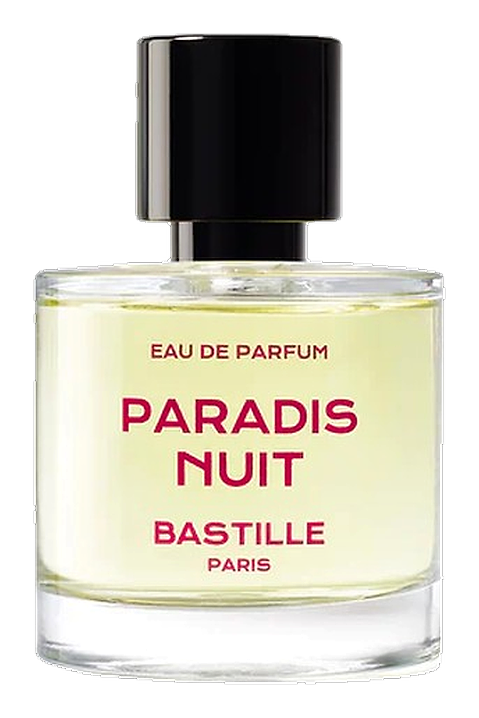
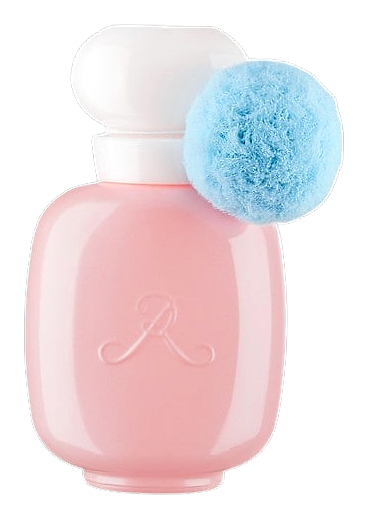
Fragrances featuring Soap


Good to know
Questions, answered
The essentials on Soap in perfumery: how it smells, where it comes from, and how it behaves on skin.
What gives the soap note its characteristic fresh scent?
Aldehydic compounds provide that signature sparkling, waxy quality in soap notes. These synthetic molecules create the impression of cleanliness and lathering without containing actual soap.
Is the soap note natural or synthetic?
The soap note is typically synthetic. Perfumers combine laboratory-created molecules like calone, norlimbanol, and white musks to achieve that clean, skin-like aroma.
What fragrance families commonly use soap notes?
Soap notes appear across fresh, clean, and aldehydic fragrance families. They bridge modern minimalist scents and classic chypre or fougère compositions alike.
Does soap in perfumery contain actual soap?
No. Soap notes in fragrance bottles contain no soap whatsoever. The effect is achieved entirely through synthetic aromatic compounds that mirror the scent of clean skin and fresh linen.
How does the soap note interact with other fragrance elements?
Soap notes typically serve as a bridge between citrus top notes and musky base notes. They provide clean anchoring that prevents heavier ingredients from overwhelming a composition.
Which famous perfumes established the soap note as desirable?
Chanel No. 5 (1921) pioneered the use of aldehydes to create a clean, soapy quality that influenced countless subsequent fragrances. Clean perfumes of the 2000s further popularized the note.
Can soap notes work in evening fragrances?
Soap notes are surprisingly versatile. When combined with deeper musks, oud, or amber, they can lend a refined cleanliness to evening compositions rather than reading as merely casual or daytime.
Why do consumers respond positively to soap notes in fragrance?
The soap note triggers associative memories of cleanliness and comfort. Studies in olfactory psychology suggest humans link certain fresh, musky scents with health, hygiene, and personal care.