
The Story
Why it exists.
The beginning
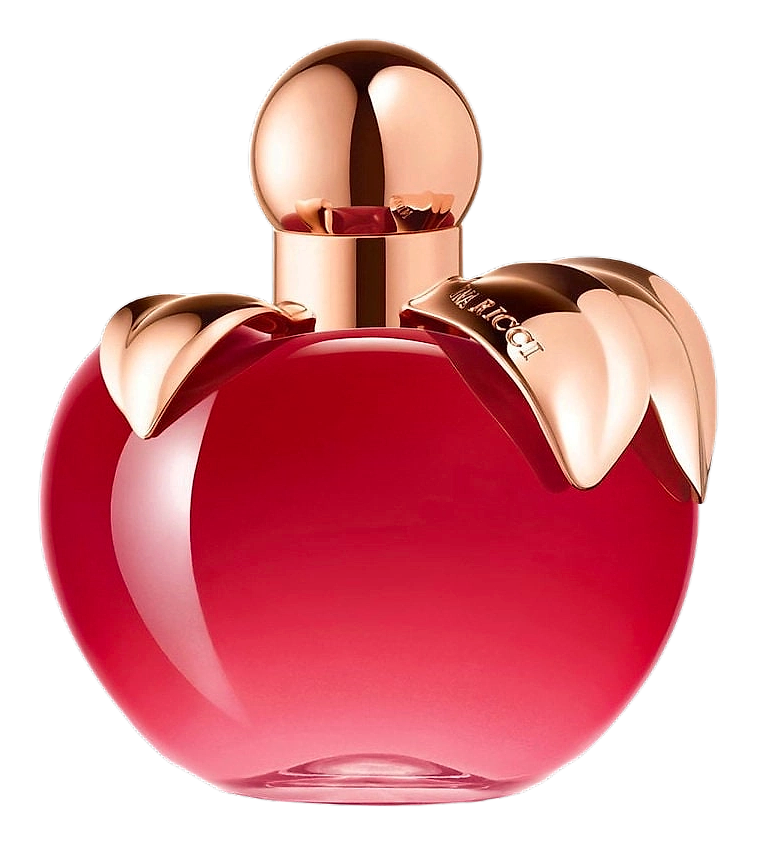
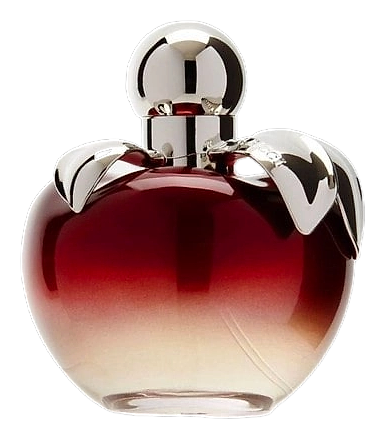
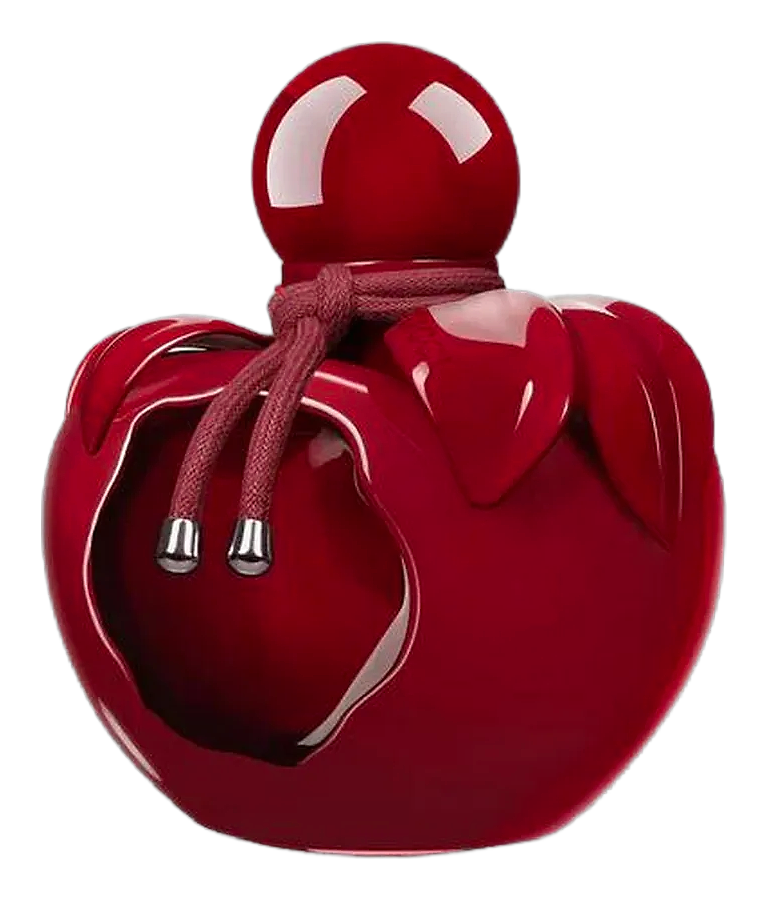
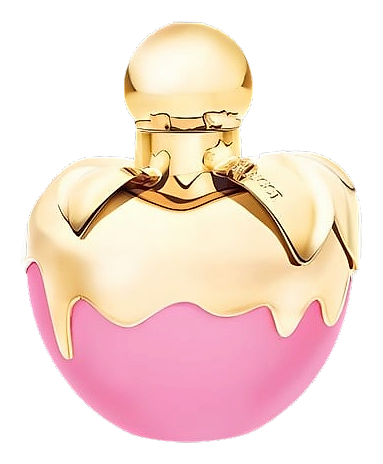
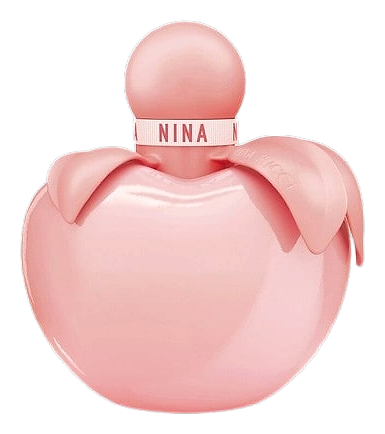
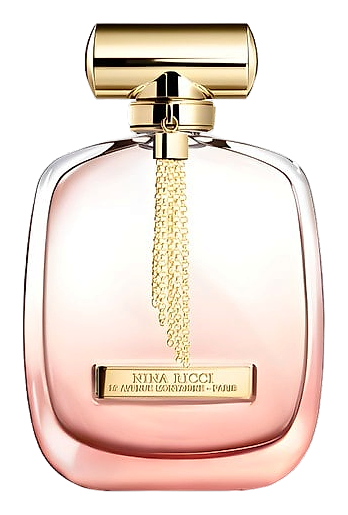
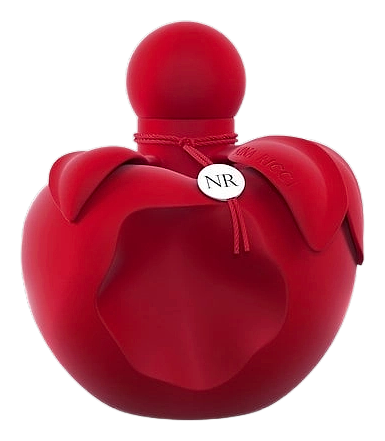
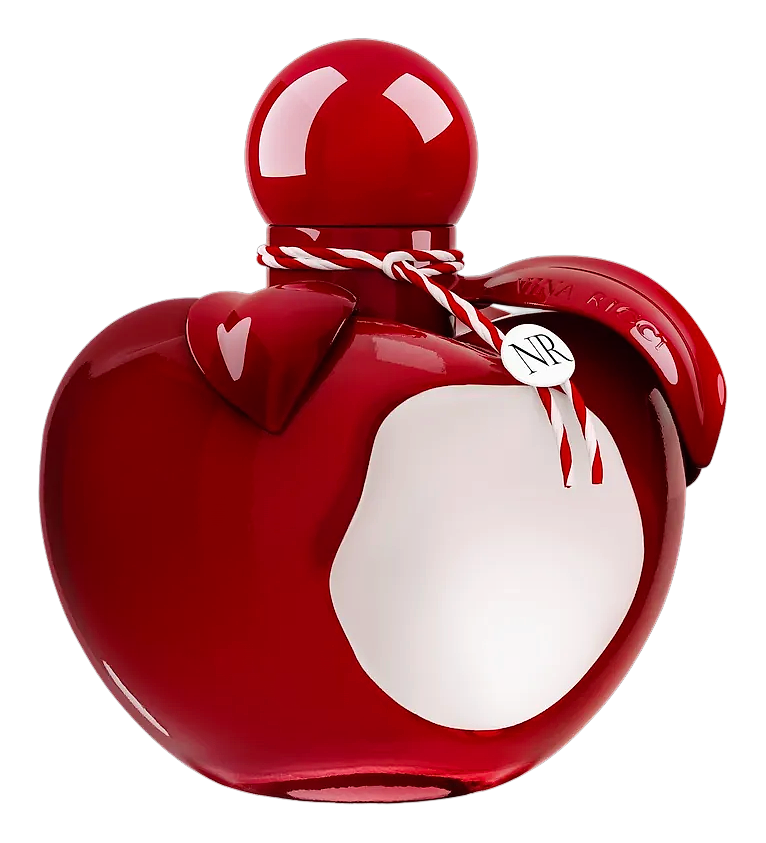
Nina Rouge arrived in 2019 as part of the Les Belles de Nina collection, a line built around the idea that Nina Ricci's romantic heritage could speak a younger language. The perfumer worked the brief and delivered something immediate: raspberry, citron, ginger flower, gardenia, caramel, Bourbon vanilla. Six notes that read clean on paper and hold together on skin. The composition opens with bright raspberry, tart and juicy, before the citron adds its acidic edge. As the top notes settle, the ginger flower emerges with a clean spiciness that keeps the gardenia from becoming too heavy. The base of caramel and Bourbon vanilla wraps everything in warmth, soft and intimate. The perfumer wasn't reinventing. He was translating Nina Ricci into something she could wear to brunch.
The ginger flower is what makes this interesting above the neck. Gardenia on its own tends toward indolic creaminess, lush, tropical, sometimes heavy. The ginger flower brings a clean, slightly spiced brightness that cools the gardenia instead of competing with it. The result reads as floral without tip-toeing around it. The caramel and Bourbon vanilla base then does what caramel and vanilla always do: stays close, warm, skin-like. It's the combination that makes Nina Rouge work as an everyday fragrance rather than a special-occasion one.
The evolution
The opening hits like a raspberry soda, bright, tart, immediate. Citron ups the acidity before the raspberry sugars it. Thirty minutes in, the ginger flower asserts itself and the composition shifts. Not softer, different. The gardenia is there but suddenly tempered by something cleaner and almost green. Around the second hour, the caramel and vanilla arrive from underneath. Not loud. Just warm. The drydown is skin-close, low to the ground, the kind that someone standing next to you might catch before they see your face. Longevity varies from person to person based on skin chemistry and the environment, with many finding it a comfortable wear that doesn't require reapplication.
Cultural impact
Nina Rouge fits into the Les Belles de Nina collection as an accessible, approachable expression of the house's floral heritage. The house built its identity on romantic florals and refined structure, and Nina Rouge carries that DNA but translates it into something more casual and immediate. The perfumer's approach here reads as composed, confident work that prioritizes wearability over novelty. Nina Rouge invites discovery without demanding attention.
The House
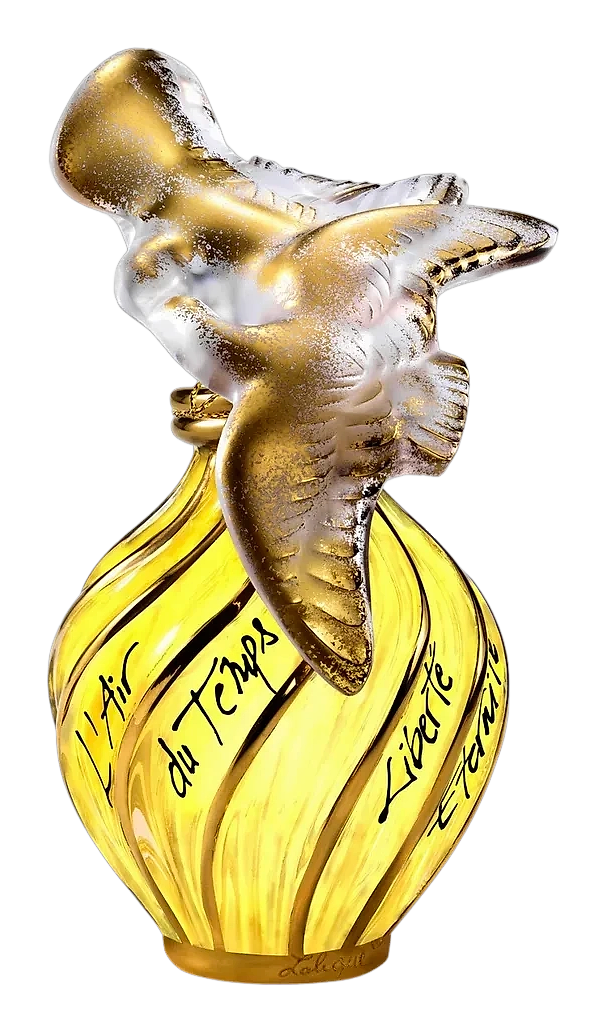
Nina RicciNina Ricci is a Parisian fashion house founded in 1932 by Italian-born designer Maria "Nina" Ricci and her son Robert Ricci. The house began as a couture salon on Rue Haussmann, quickly establishing a reputation for refined, feminine gowns with romantic sensibility. Robert established an in-house perfume division in 1941, though the first fragrance would not arrive until 1946. That inaugural scent, Coeur Joie, marked the beginning of a partnership with Lalique that would define the house's olfactory identity. The house introduced its most celebrated fragrance, L'Air du Temps, in 1948, a scent that remains in production decades later. Puig acquired Nina Ricci in 1998, bringing the house under the same ownership that manages Carolina Herrera and Jean Paul Gaultier. Today, the fragrance collection spans from timeless classics to contemporary offerings like the Nina line, maintaining the house's commitment to feminine elegance.
The Creator
Olivier Cresp & Marie SalamagneCresp's signature style often features a blend of fresh, clean notes with warm, comforting accords. He's known for his masterful use of fruit notes, particularly fig and berries, which he often combines with florals and musks to create scents that are both inviting and sophist…