Citron zest
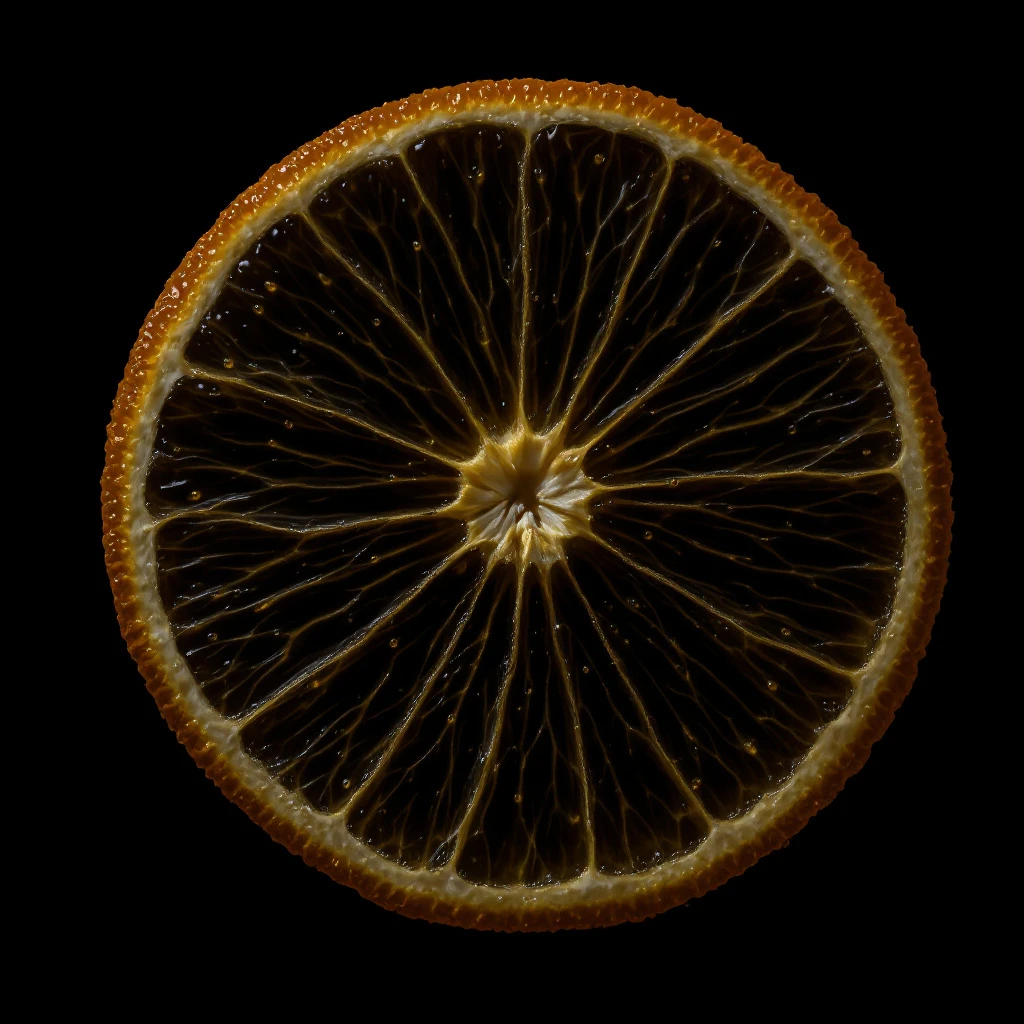
The bright, sun-dried outer peel of citrus fruits. Citron zest captures the essential oils of the fruit's rind, delivering an immediate burst of effervescent freshness that opens countless modern fragrances.
Character
How it smells
Sun-kissed citrus brightness captured in every note.
Citron ranks among the oldest citrus fruits, with written records dating back to Mesopotamian cuneiform tablets from 800 BCE.







Origin
India
Citrus limon originated as hybrids in northeastern India and Burma, with cultivation spreading westward through trade routes into the Mediterranean by around 1000 CE. Ancient texts from Mesopotamia document citron fruit by 800 BCE, marking it among the first citrus species used by humans. The citron variety held particular significance in ancient Jewish tradition, where it featured in the Sukkot festival for over two millennia.
Mediterranean cultures adopted citrus for perfumery during the Renaissance, when perfumers first pressed orange and lemon peels to capture their aromatic oils. By the 19th century, lemon oil had become a staple of fine fragrance, valued for its ability to lift heavier base notes and create an impression of cleanliness and vitality that endures in contemporary perfumery.
Wears it best
Fragrances featuring Citron zest
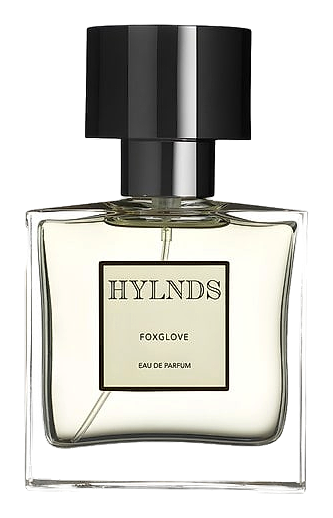
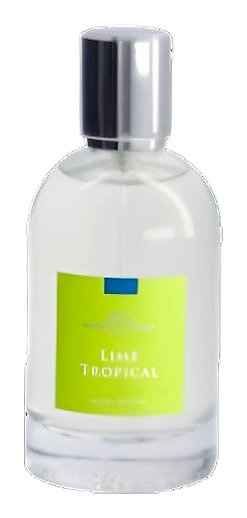
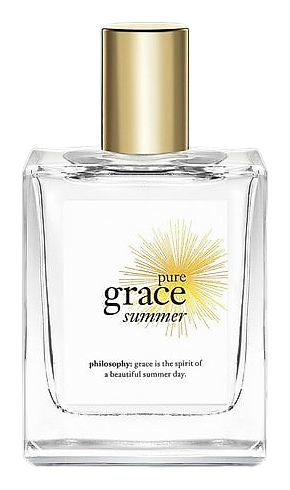
Brands
Brands known for Citron zest
Good to know
Questions, answered
The essentials on Citron zest in perfumery: how it smells, where it comes from, and how it behaves on skin.
How is citron zest oil extracted for perfume?
Cold expression extracts the oil. Perfumers score the fruit peel and press it under mechanical plates, rupturing oil glands without heat. This preserves volatile compounds that give citron zest its characteristic freshness. California and Sicily are major production regions.
What does citron zest smell like?
Citron zest smells bright and effervescent, with sharp citrus brightness. The scent carries green undertones beneath the initial burst of sunshine-like lemon. It reads as clean, energizing, and immediately uplifting in fragrance compositions.
How long does citron zest last in a fragrance?
Citron zest acts as a top note, lasting roughly 15 to 30 minutes on skin before evaporating. Blenders often pair it with longer-lasting citrus materials to extend the fresh impression throughout wear.
Is citron zest natural or synthetic in perfume?
Both natural and synthetic versions exist. Natural citron zest comes from cold-pressed citrus peel. Synthetic versions replicate key aroma molecules like limonene and citral, offering consistency and sometimes better longevity in formulas.
Which part of the citrus fruit yields this ingredient?
The outermost rind, called the zest or flavedo, yields the aromatic oils. This colored layer contains concentrated oil glands. The inner white pith (albedo) is spongy and carries minimal fragrance value.
What is the difference between lemon zest and citron zest?
Lemon zest offers bright, sharp acidity. Citron zest, from Citrus medica, tends toward a more complex, slightly sweet citrus with deeper floral nuances. Perfumers select based on the specific brightness profile needed.
Is citron zest common in men's fragrances?
Citrus oils appear across men's and women's fragrances. Citron zest specifically suits masculine compositions, often appearing in colognes and fresh aquatic or fougère fragrances as a top-note opener.
Does citron zest expire in perfume?
Natural citrus oils oxidize faster than many fragrance materials, typically lasting two to three years in a bottle. Storing away from heat and light extends shelf life. Synthetic versions offer much longer stability.