
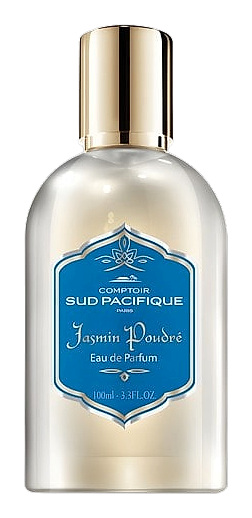
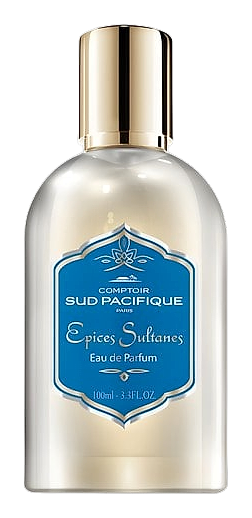
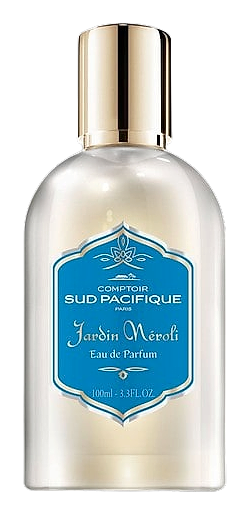
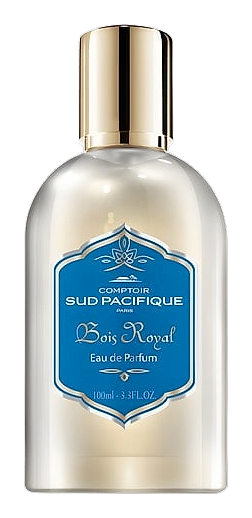


The Heritage
The Story of Comptoir Sud Pacifique
Comptoir Sud Pacifique is a French fragrance house established in Paris in 1974, recognized for its early and sustained focus on edible, tropical, and coastal scent profiles at a time when such directions were uncommon in perfumery. The house built its identity around vanilla, coconut, tropical florals, and gourmand accords, drawing continuous inspiration from Pacific and Indian Ocean destinations. Under current ownership led by Valerie Pianelli, the brand maintains its Paris roots while distributing internationally. Signature compositions like Vanille Mokha, Amour De Cacao, and Coeur d'Ylang reflect a distinctive approach blending creamy vanilla bases with exotic ylang-ylang, cocoa, and spice notes. The house occupies a distinct position between mainstream luxury and niche perfumery, appealing to fragrance wearers drawn to warm, accessible, and sensory-rich compositions.
Heritage
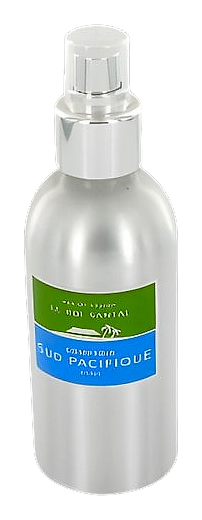
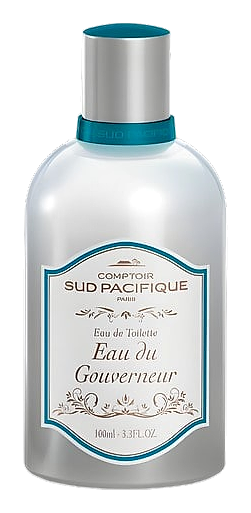
Comptoir Sud Pacifique emerged from a family initiative in Paris, with the founding couple channeling their personal travels across the globe, particularly through tropical regions, into olfactory form. The house traces its origins to 1974, placing it among the earlier independent fragrance operations that helped define the niche perfume category in France. From the beginning, the founders prioritized translating sense memories of distant places into wearable fragrance. Over the following decades, the operation expanded from its family origins to include a broader team, though detailed public documentation of this growth remains limited. Notable fragrance releases marked key periods in the house's development, including Vanille Mokha in 1976 and Barbier des Isles in 1978, establishing the vanilla and tropical coconut directions that would become house signatures. The 1980s and 1990s brought further expansion of the collection, with releases like L'Eau du Gouverneur in 1980, Le Roi Santal in 1988, and Amour De Cacao in 1993 broadening the house's range into sandalwood and chocolate territories. Valerie Pianelli, identified in an interview as the current owner, represents continuity in family stewardship, with the brand reportedly remaining inspired by the couple's original ethos of travel-driven scent creation.
Craftsmanship
Public documentation regarding Comptoir Sud Pacifique's specific production methods, ingredient sourcing protocols, or quality certifications remains limited, and detailed perfumer attribution for individual releases is not widely available in independent sources. What can be observed from fragrance compositions is the house's consistent use of warm, edible materials: vanilla extracted from various origins forms the backbone of numerous formulations, while tropical coconut notes appear both as主角 and supporting elements. Ylang-ylang sourcing from Indian Ocean and Pacific regions aligns with the house's geographic inspirations, and cocoa beans feature prominently in Amour De Cacao and related preparations. The brand's positioning between mass luxury and niche markets suggests a manufacturing scale appropriate to both retail availability and quality standards, though specific supply chain details are not extensively documented. Community reviews and fragrance databases indicate consistent olfactory quality across releases, with batch variations addressed through standard quality control measures expected at the production level. The house maintains Paris-based operations while distributing internationally, suggesting centralized quality oversight despite broader market presence.
Design Language
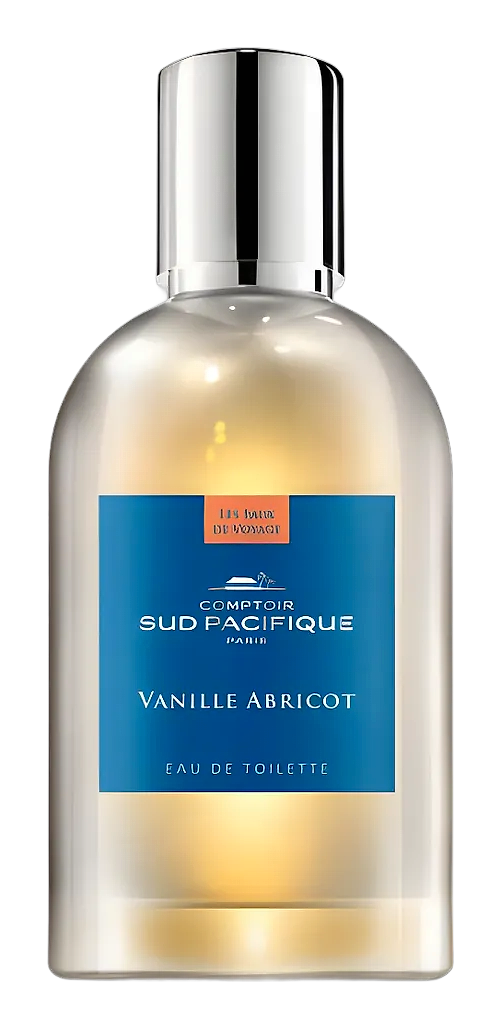
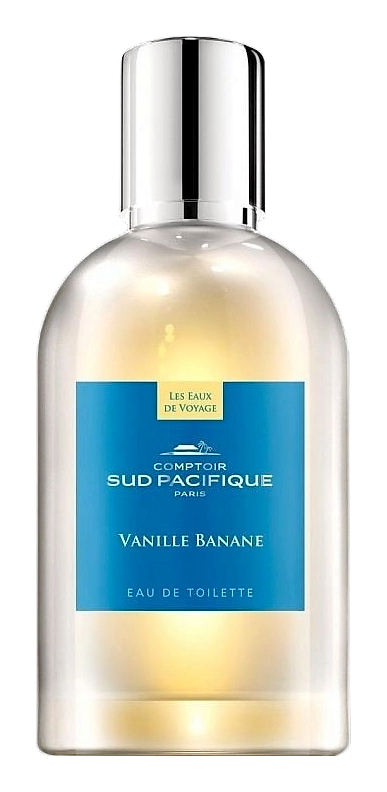
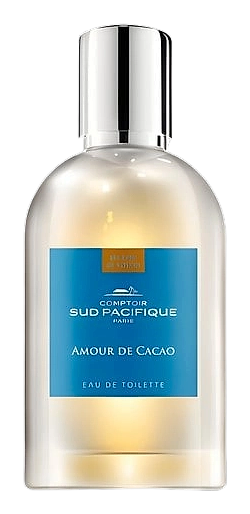
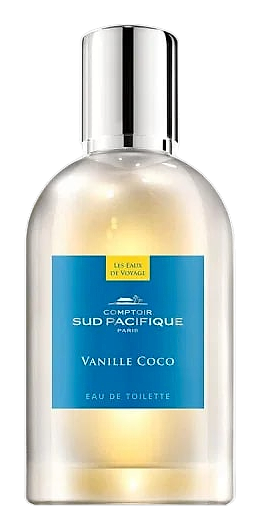
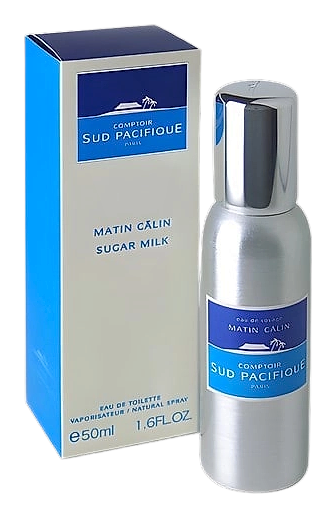
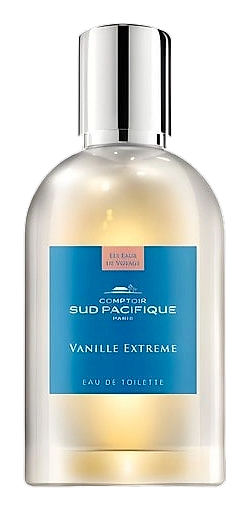
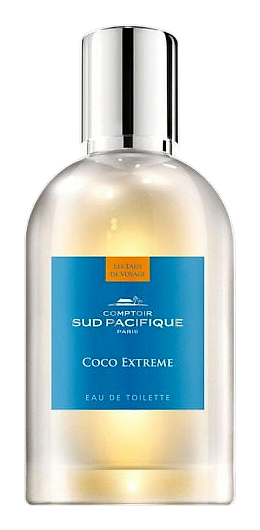
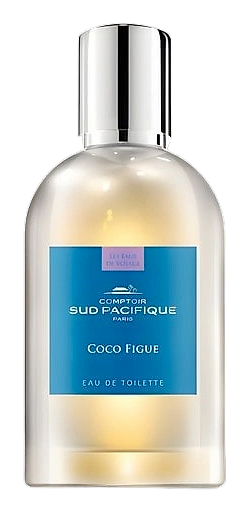
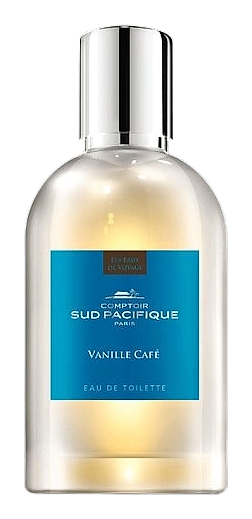
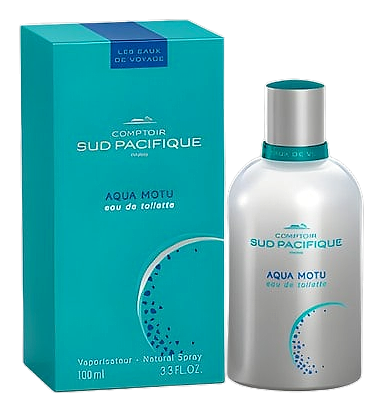
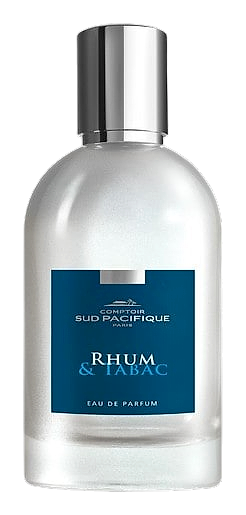
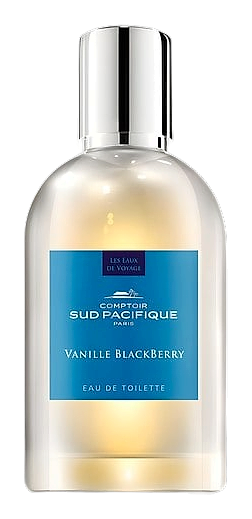
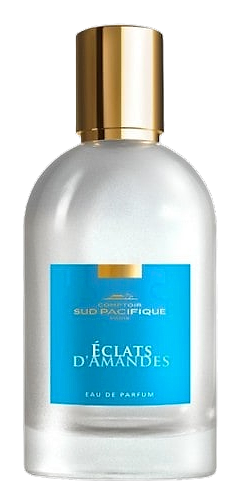
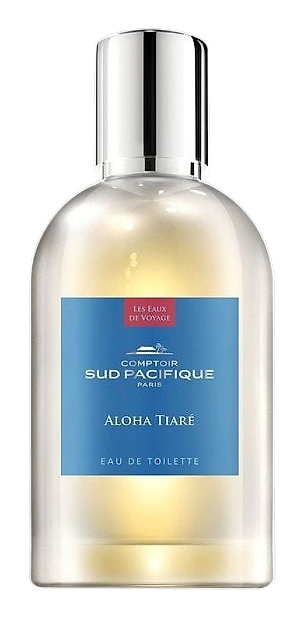
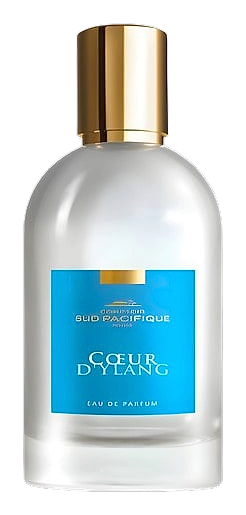
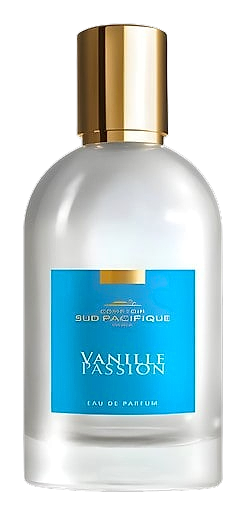
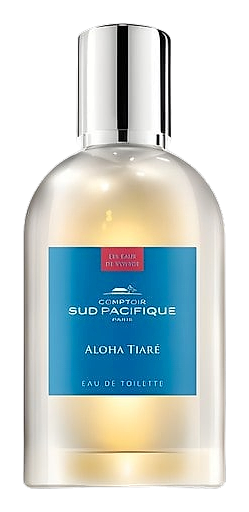
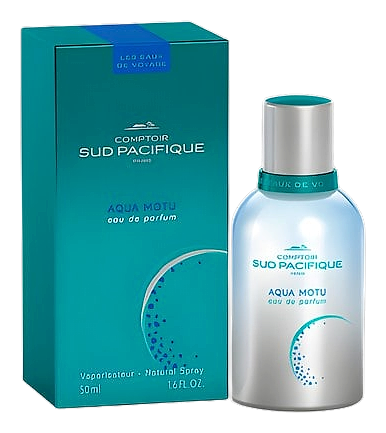
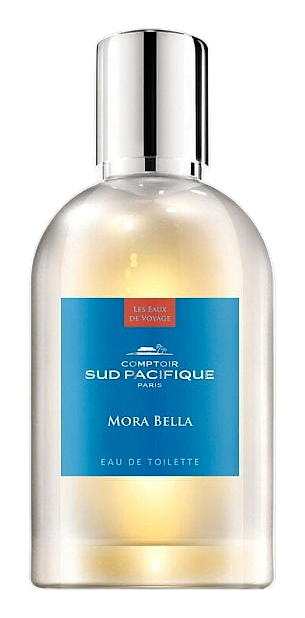
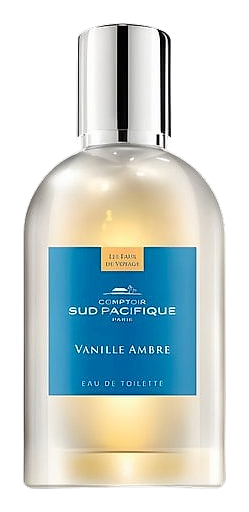
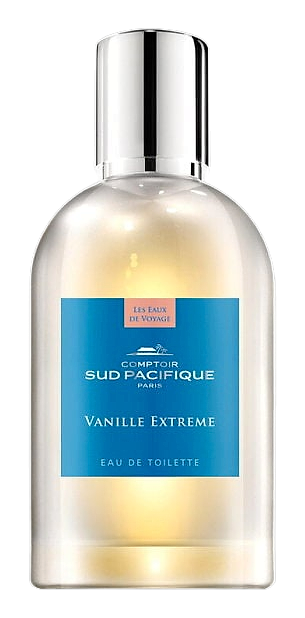
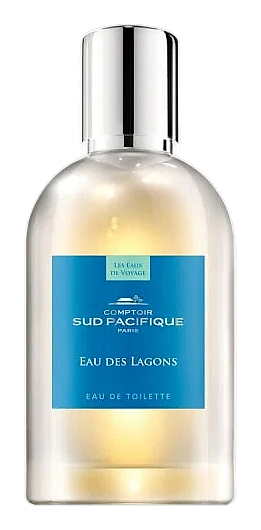
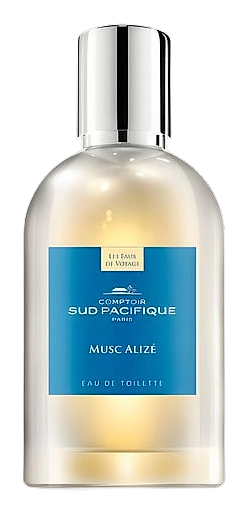
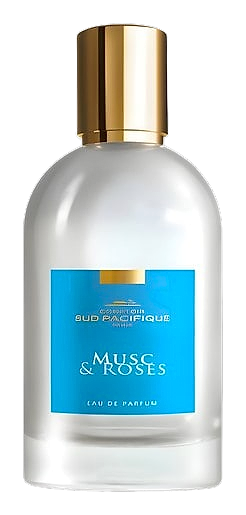
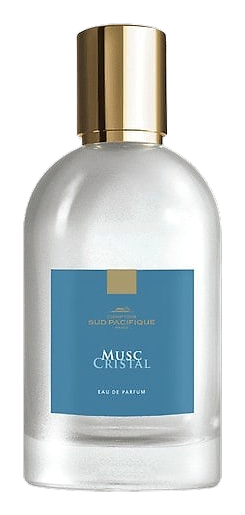
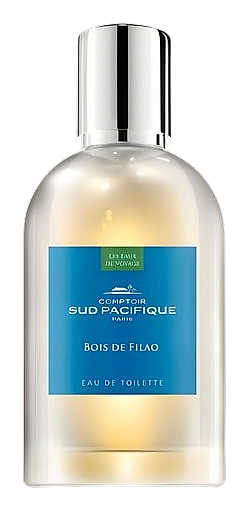
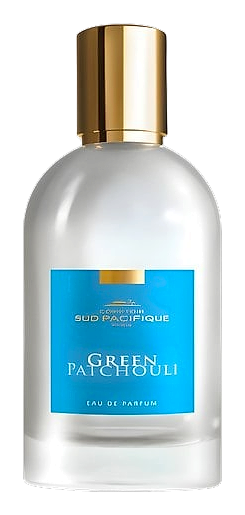
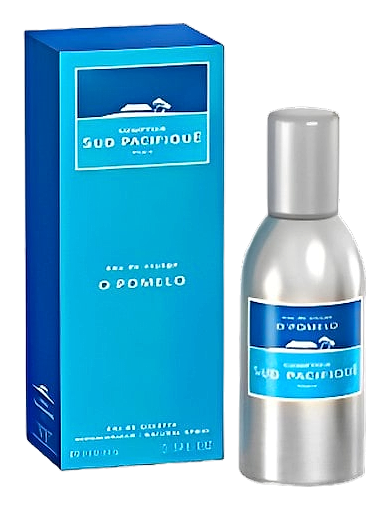
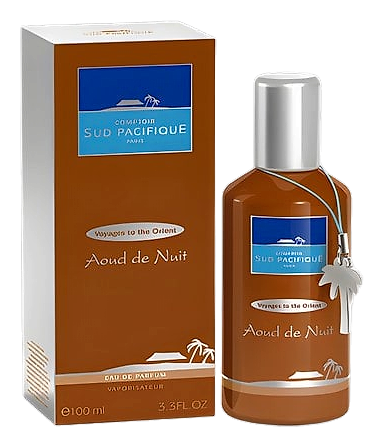
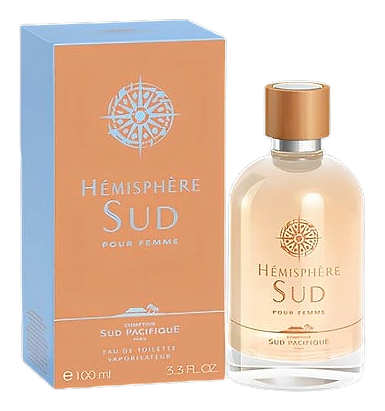
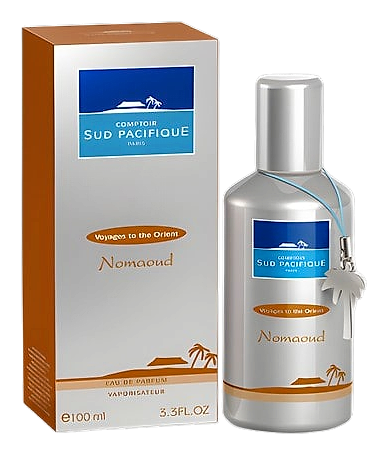
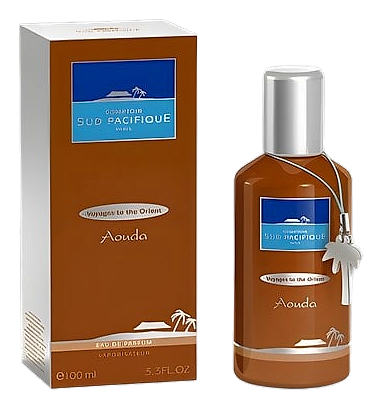
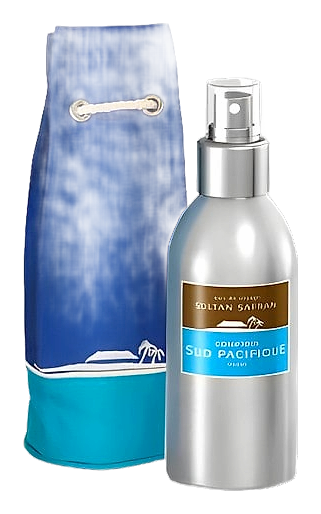
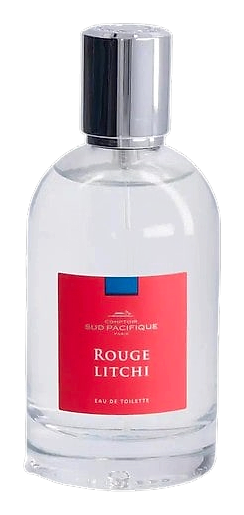
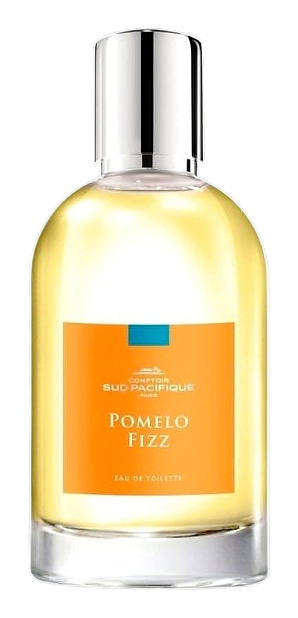
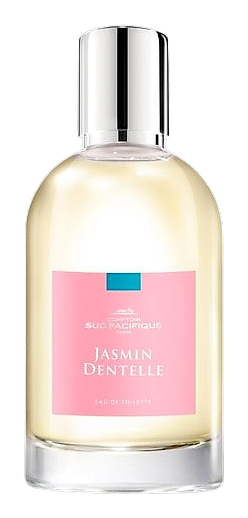
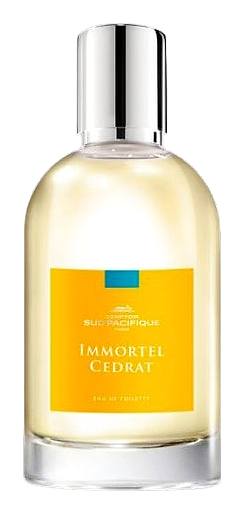
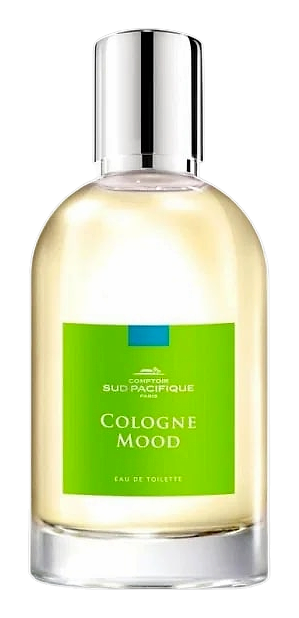
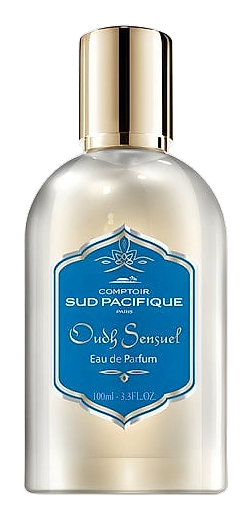
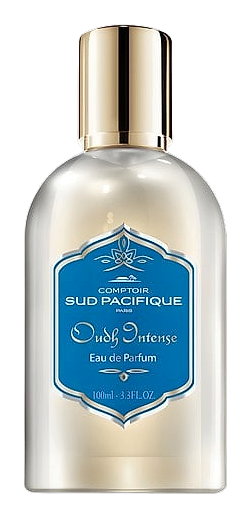
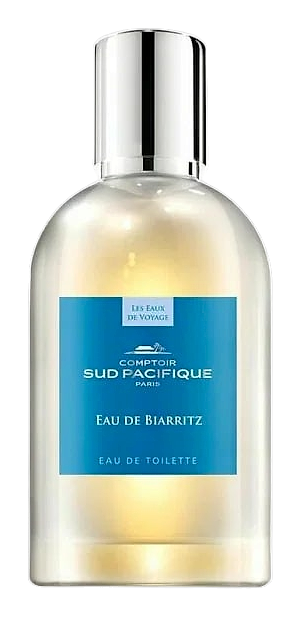
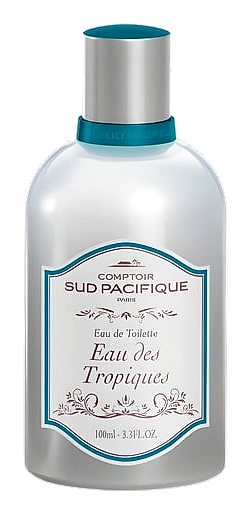
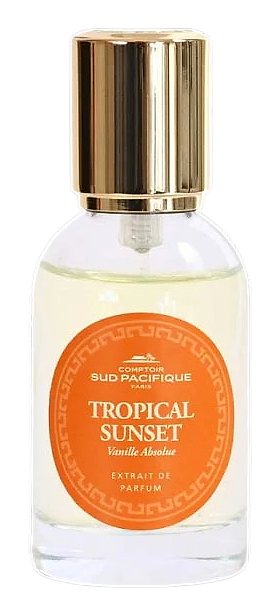
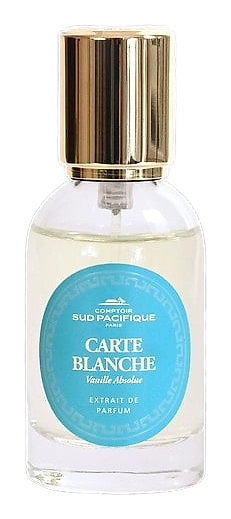
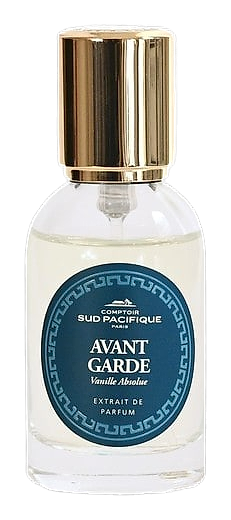
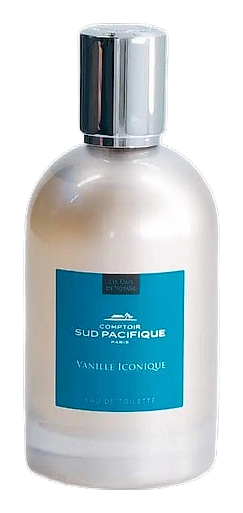
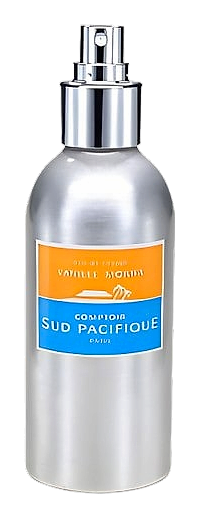
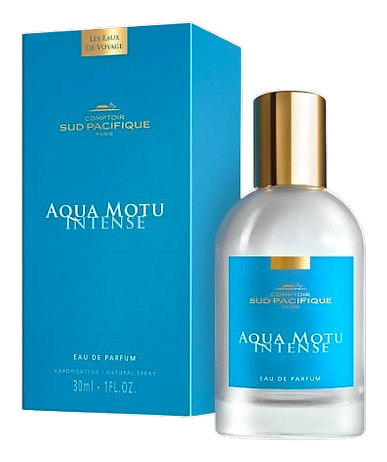
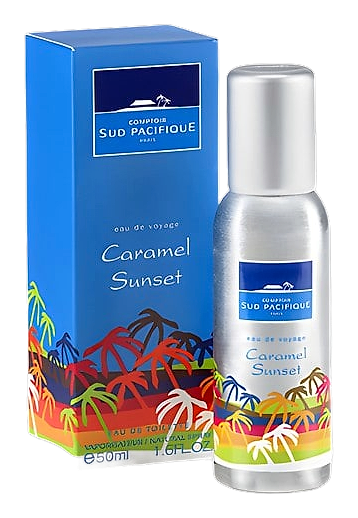
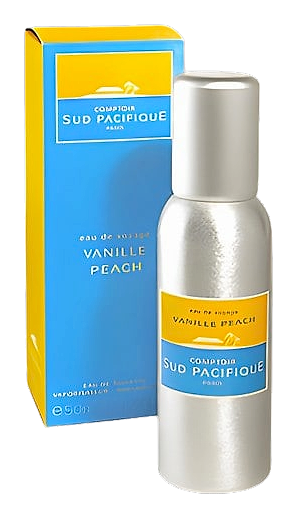
The visual identity of Comptoir Sud Pacifique reflects its tropical and oceanic inspirations through color palettes dominated by deep blues, warm whites, and natural textures. Fragrance bottles typically feature clean, cylindrical forms with minimal ornamentation, allowing the scent names and note compositions to carry conceptual weight. Packaging design incorporates reference to Pacific and Indian Ocean imagery, with some releases featuring wave motifs or coastal color schemes that reinforce the travel and destination themes. The overall aesthetic project positions the brand as simultaneously sophisticated and accessible, neither aggressively modern nor aggressively traditional in presentation. Brand photography and advertising, where visible, emphasize settings evoking tropical islands and beach leisure, grounding the abstract fragrance experience in concrete geographic fantasy. The visual language consistently supports rather than competes with the edible, warm character of the fragrances themselves, creating a coherent brand world around vanilla, coconut, and exotic florals.
Philosophy
The guiding philosophy behind Comptoir Sud Pacifique centers on translating the sensory experience of tropical destinations into intimate, wearable form. Rather than abstract fragrance construction, the house approaches perfumery as olfactory memory and armchair travel, evoking beaches, gardens, island breezes, and exotic markets. Vanilla functions as a foundational pillar, treated not merely as a single note but as a versatile medium through which the house explores chocolate, almond, coconut, and spice combinations. The gourmand direction, which the house pursued before such compositions became fashionable in the broader market, reflects a belief that perfume can satisfy emotional as well as aesthetic needs. Tropical florals, particularly ylang-ylang, jasmine, and frangipani, anchor the house's floral heritage while maintaining warmth and sensuality rather than seeking conventional elegance. Community fragrance discussions frequently position Comptoir Sud Pacifique as offering accessible luxury, with approachable price points relative to niche competitors, and a consistent house style prioritizing comfort, warmth, and sensory pleasure over intellectual provocation.
Key Milestones
1974
Comptoir Sud Pacifique founded in Paris by a couple drawing inspiration from their international travels
1976
Release of Vanille Mokha, establishing the house's signature vanilla direction with coffee nuances
1978
Launch of Barbier des Isles, expanding the tropical coconut and island imagery
1993
Introduction of Amour De Cacao, a chocolate-vanilla composition that gained lasting popularity
2003
Release of Vanille Cannelle, combining vanilla with warm spice notes
2016
Launch of Coeur d'Ylang, highlighting ylang-ylang as a protagonist note
At a Glance
Brand profile snapshot
Origin
France
Founded
1974
Heritage
52
Years active
Collection
2
Fragrances released
Avg Rating
4.0
Community sentiment
Release Rhythm


