Thomas Fontaine
Thomas Fontaine caught the perfumery bug at eleven, standing next to a friend of his parents who was wearing Chanel Pour Monsieur. The smell never left him. He pursued formal training at ISIPCA in Versailles, then spent several years working behind the scenes at aroma houses including Mane, Charabot, and Technico Flor before joining Procter & Gamble, where he learned the rigorous, consumer-tested side of fine fragrance creation. A move in-house to luxury houses followed: Lubin, Jean Patou, L'Occitane, Dolce & Gabbana, Sonia Rykiel. He went independent in 2009, founding the consultancy Pallida. His reputation for bridging past and present crystallized when Jean Patou brought him on in 2011 to revisit the house's archive, reinterpreting Chaldee and creating Joy Forever. In 2020, he was elected president of the Osmothèque, the international conservatory of perfumes founded in 1990, a role that formalized his standing as a guardian of the craft's history. Fontaine now divides his time between consulting for heritage and niche brands, and a steady stream of new creations that carry that history forward.
The hits
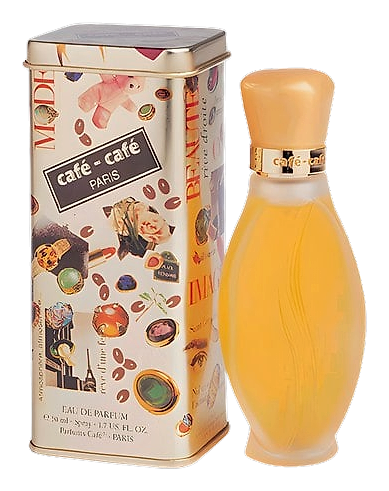
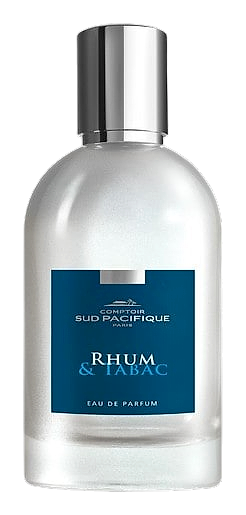
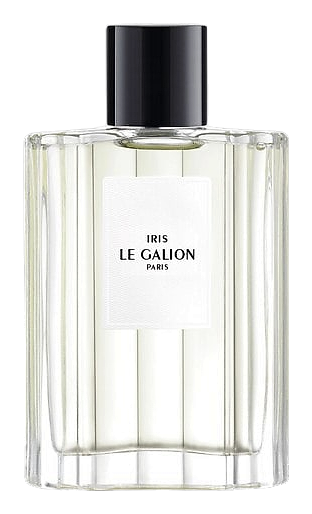
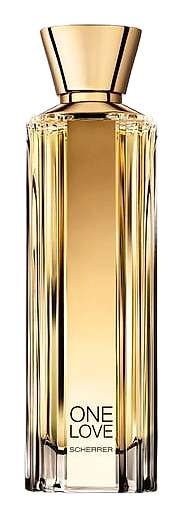
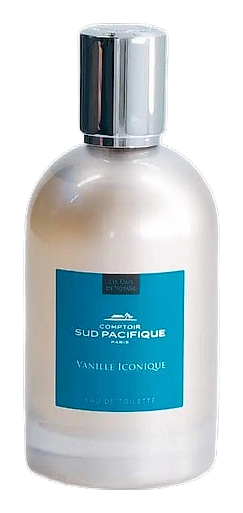
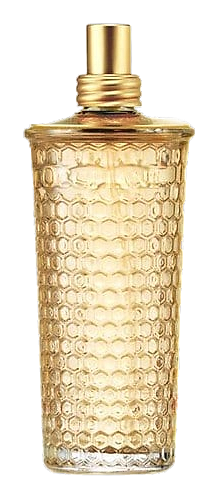
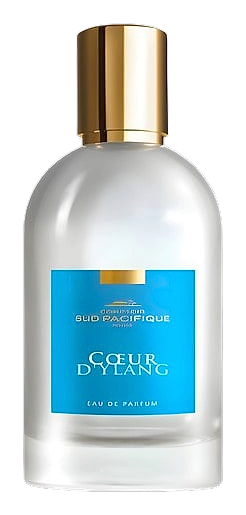
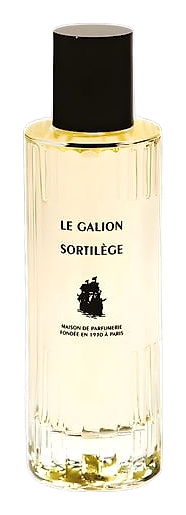
Notable creations
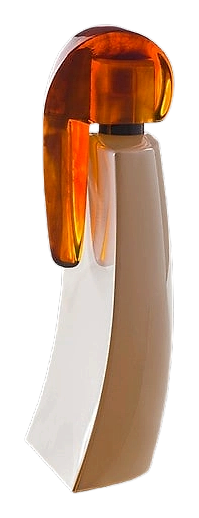
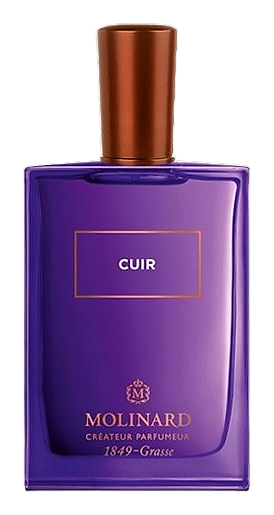
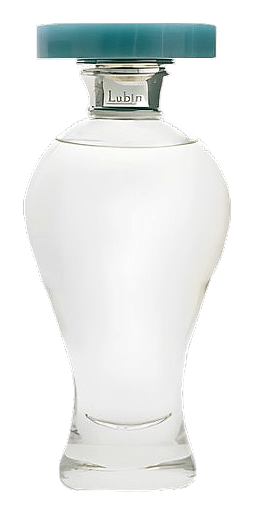
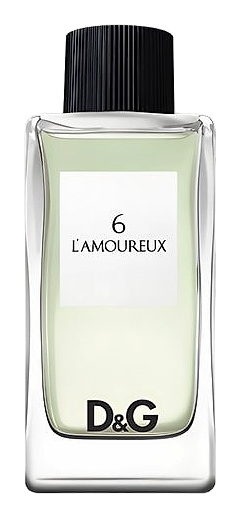
The signature
How Thomas composes
Fontaine is drawn to natural ingredients and classical perfumery structures, favouring compositions with depth, clarity, and a sense of time embedded within them. He has demonstrated a particular skill with tuberose and rose-jasmine accords, visible across his Jean Patou work, and with the bright, effervescent citrus-herbaceous style that defines his revivals for Lubin. His approach to restoration work tends to preserve the emotional silhouette of an original while tightening its construction for modern nose and regulatory standards. Whether adapting a 1920s legend or composing a new niche piece, his signatures include an architectural clarity and a respect for ingredient quality that lets raw materials speak on their own terms.
Philosophy
What drives Thomas
Fontaine describes himself as a fragrance archaeologist. He finds equal pleasure in decoding old formulas and inventing contemporary accords. For him, the past is not a constraint but a living resource, and the perfumer's job is to understand what made a formula work at its moment while asking what it needs to remain vital now. He resists launching fragrances simply to fill a gap; when a house has nothing compelling to say, he argues, it should stay silent. His creative process draws freely from classical music, gastronomy, and history, treating scent as a language that connects to memory, culture, and time. Preserving heritage and crafting modern fragrance are, in his view, not opposing forces but two facets of the same responsibility.
In the same league