    Brand Profile

    Lubin traces its roots to the turbulent years after the French Revolution, when Pierre‑François Lubin opened a modest shop on rue Sainte‑Ann…More

    France·Est. 1798·Site

    3.6

    Rating

    50
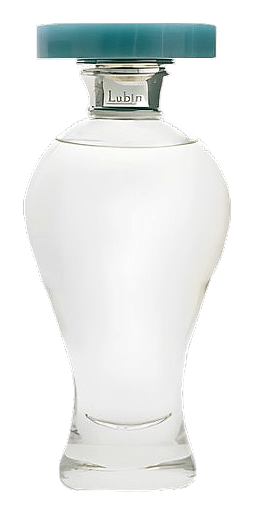
    Princesses de Malabar by Lubin
    3.6

    Princesses de Malabar

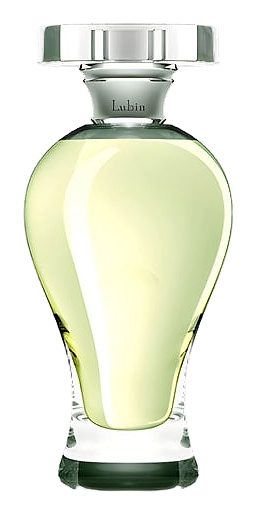
    Eau de Lubin (Eau Vivifiante Lubin) by Lubin
    Best Seller
    4.6

    Eau de Lubin (Eau Vivifiante Lubin)

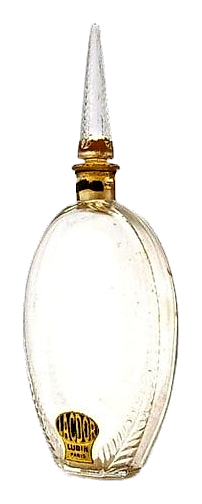
    Lacdor by Lubin
    Best Seller
    4.5

    Lacdor

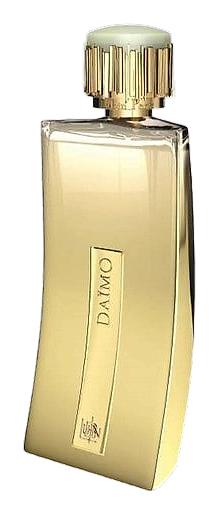
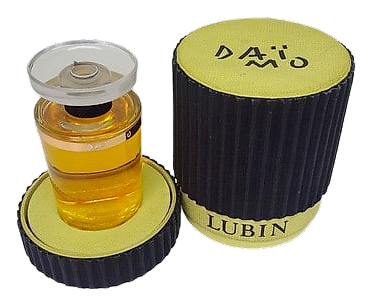
    Dai Mo by Lubin
    Best Seller
    4.5

    Dai Mo

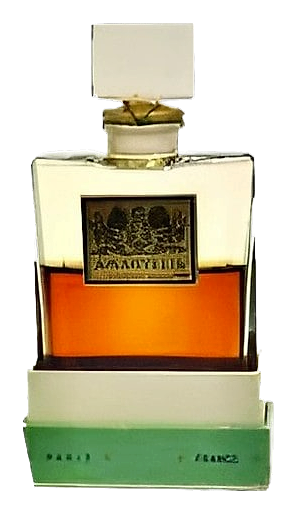
    Amaryllis by Lubin
    4.5

    Amaryllis

    Enigma by Lubin
    4.5

    Enigma

    Fumee by Lubin
    4.5

    Fumee

    L'Ocean Bleu by Lubin
    4.5

    L'Ocean Bleu

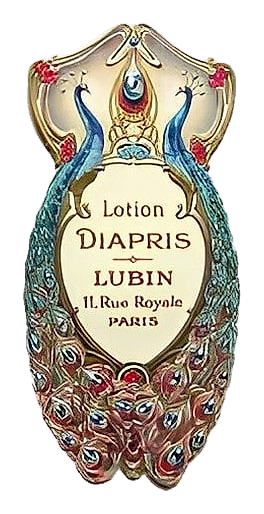
    Diapris by Lubin
    4.5

    Diapris

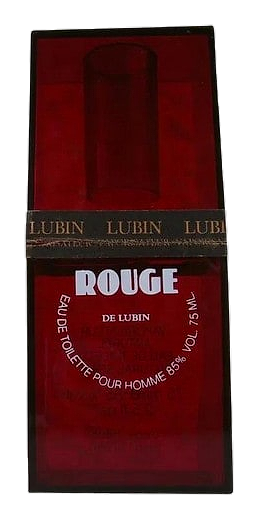
    Rouge by Lubin
    4.5

    Rouge

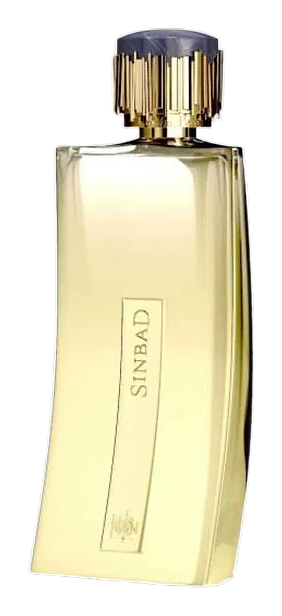
    Sinbad by Lubin
    4.4

    Sinbad

    Akkad by Lubin
    4.3

    Akkad

    1 of 5

    The Heritage

    The Story of Lubin

    Lubin traces its roots to the turbulent years after the French Revolution, when Pierre‑François Lubin opened a modest shop on rue Sainte‑Anne in Paris. The house quickly earned a reputation for elegant, nature‑inspired scents that appealed to aristocrats and emerging bourgeoisie alike. Today the brand balances historic formulas such as the original Eau de Lubin with contemporary releases, offering collectors a living link to more than two centuries of French perfume heritage.

    Heritage

    Pierre‑François Lubin began his career as an apprentice to the royal perfumer Jean‑Louis Fargeon in 1784. After the Revolution, he founded his own house in 1798, positioning the workshop at rue Sainte‑Anne, Paris. Early commissions included fragrances for the restored monarchy, and the brand soon supplied scent to the courts of Louis XVIII and Charles X. In the 19th century Lubin expanded beyond Paris, establishing a production site in Cologne that later merged with the Mülhens factory near Bickendorf. The house introduced notable creations such as Amaryllis (1922), Lacdor (1920) and the smoky Fumée (1934), each reflecting the era’s evolving tastes. Post‑World War II, Lubin launched Dai Mo (1954) and Rouge (1981), demonstrating a willingness to explore oriental and modern palettes. A pivotal moment arrived in 1994 when the brand’s assets were acquired by the Mülhens group, ensuring continuity of the historic formulas while providing capital for renewed distribution. In the 21st century, Lubin revived classic scents under the Evocations and Classique collections and added contemporary entries like Sinbad (2019), illustrating a seamless dialogue between past and present. Throughout its history the house has maintained a focus on refined olfactory storytelling, preserving original recipes whenever possible and adapting them to modern safety standards.

    Craftsmanship

    Lubin produces its fragrances in a facility that blends historic French techniques with modern quality controls. The house still employs maceration, a process where botanicals steep in alcohol for weeks, a method that extracts nuanced aromatics while preserving the character of raw materials. When the original Eau de Lubin formula required a rare oakmoss variant, the brand sourced a certified substitute that meets contemporary allergen regulations, demonstrating a commitment to both authenticity and safety. Natural absolutes such as jasmine, rose and sandalwood arrive from farms in Grasse, Madagascar and India, where the company conducts periodic audits to verify ethical practices. Synthetic aroma chemicals complement the natural extracts, providing stability and extending the scent’s longevity on skin. Each batch undergoes organoleptic testing by senior perfumers, who assess balance, projection and evolution over time. The final product is filtered through fine membranes, then decanted into hand‑blown glass bottles that receive a hand‑applied wax seal, a nod to the house’s early packaging. This meticulous approach ensures that every Lubin fragrance delivers a consistent olfactory experience from the first spritz to the final dry‑down.

    Design Language

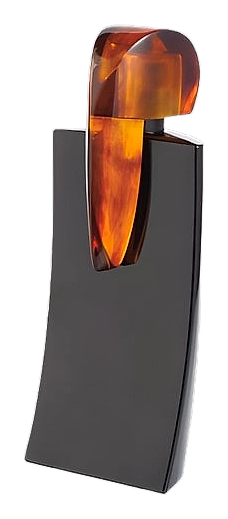
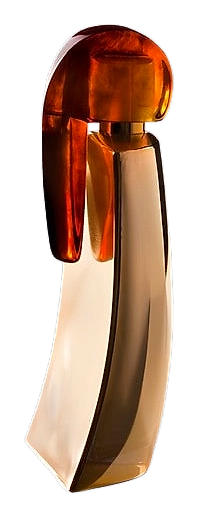
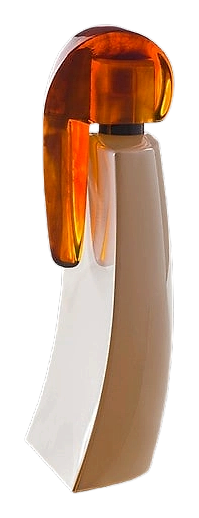
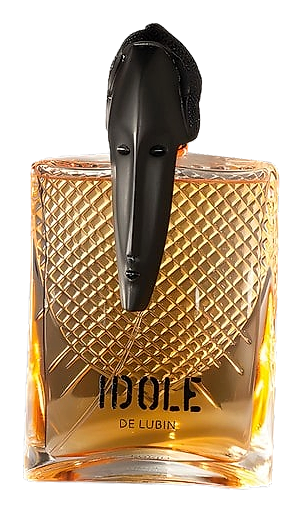
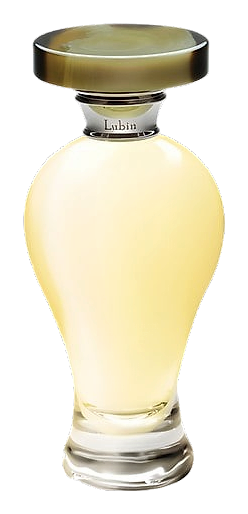
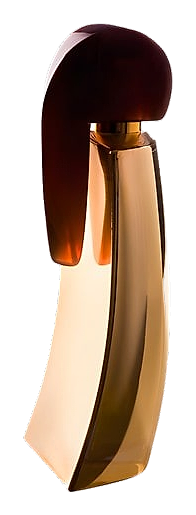
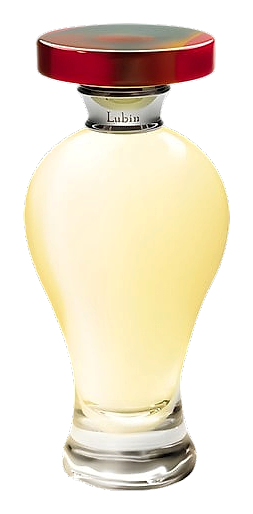
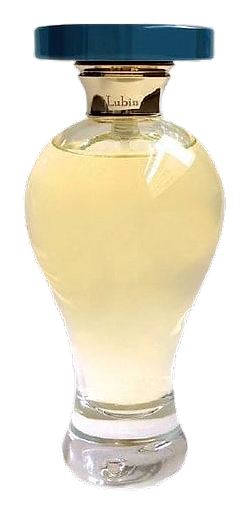
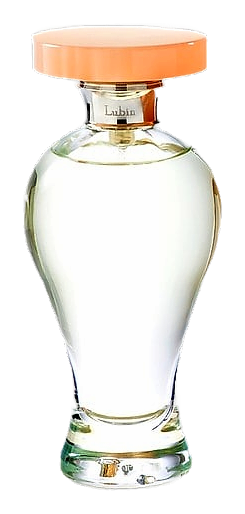
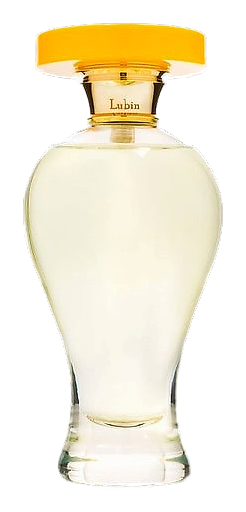
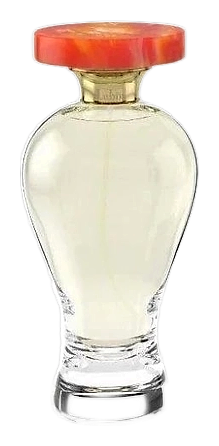
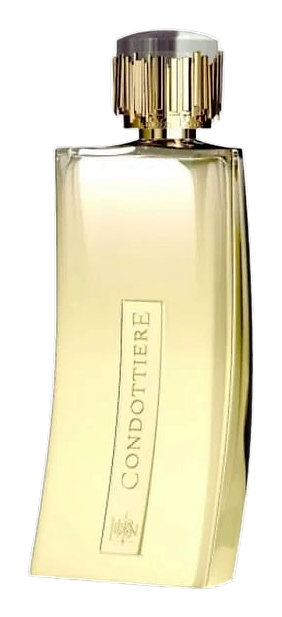
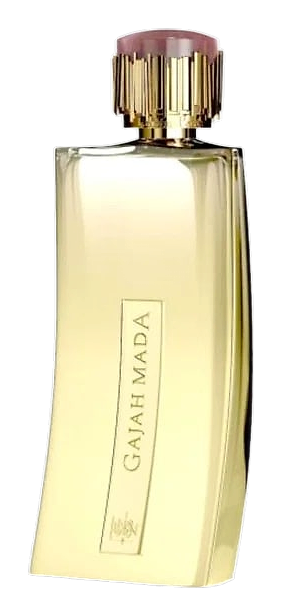
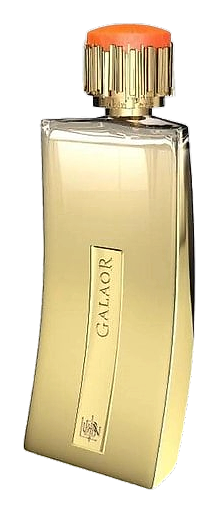
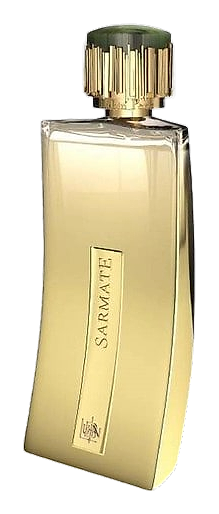
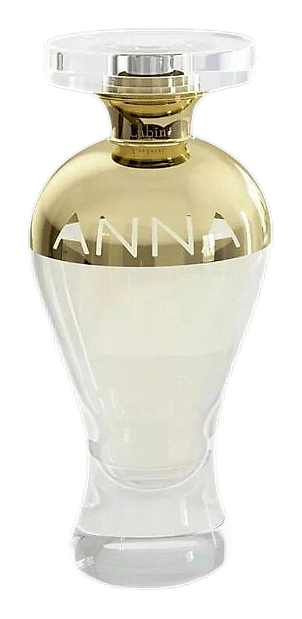
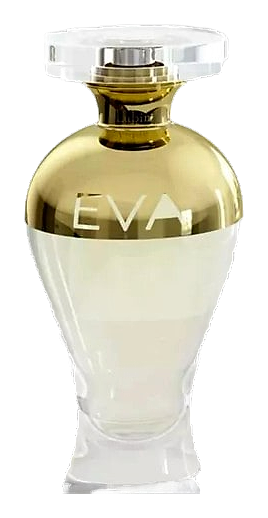
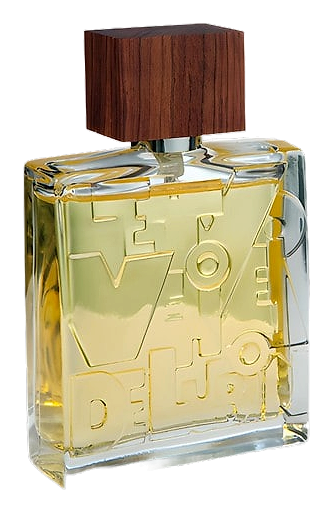
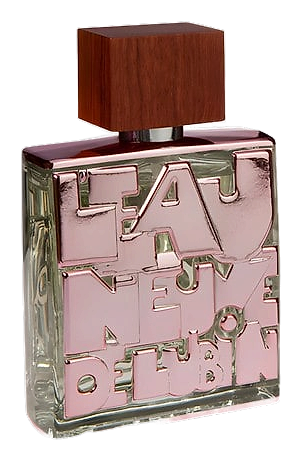
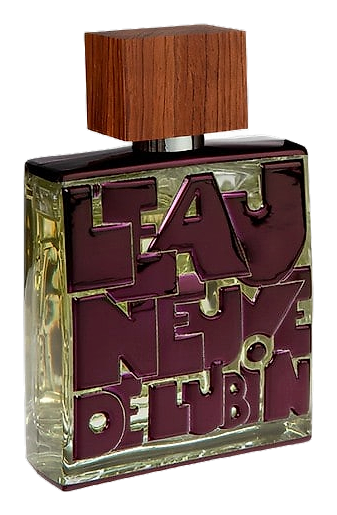
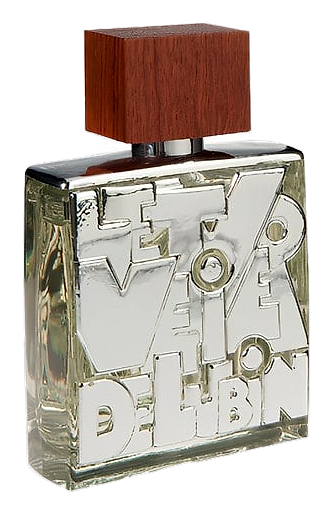
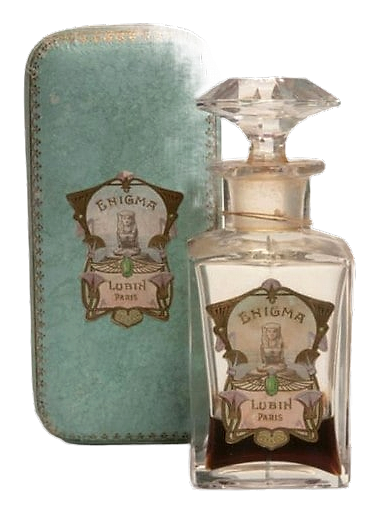
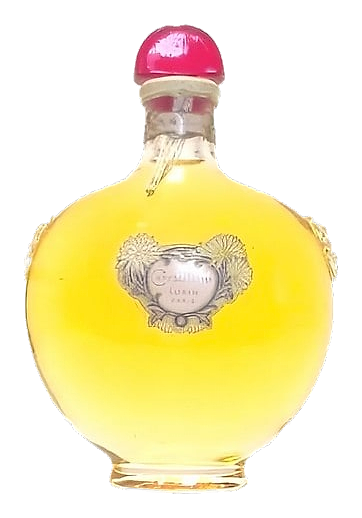
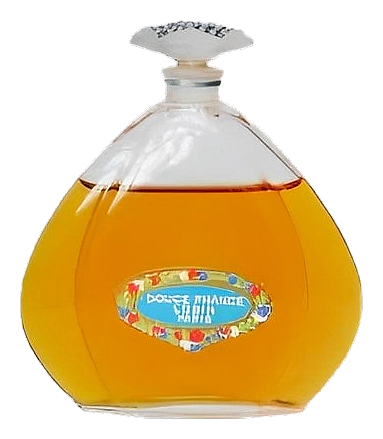
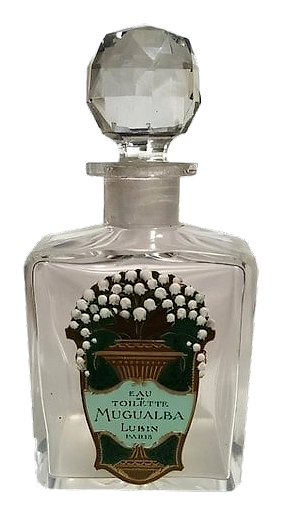
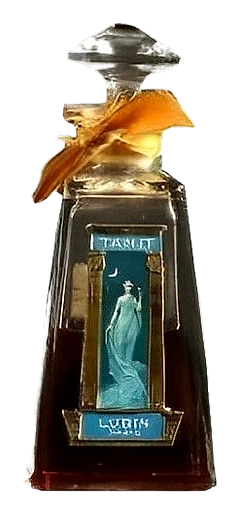
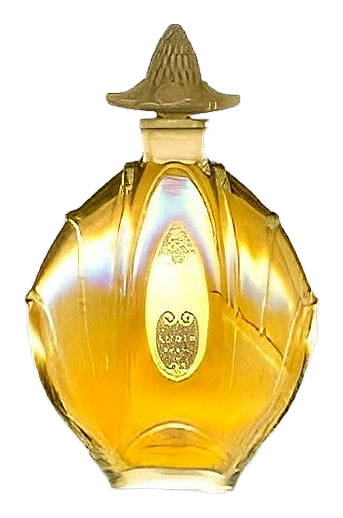
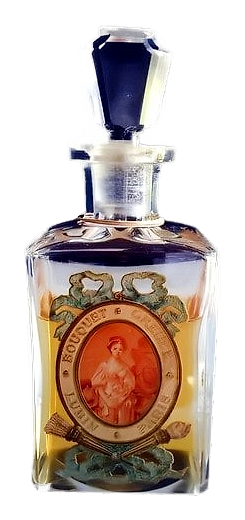
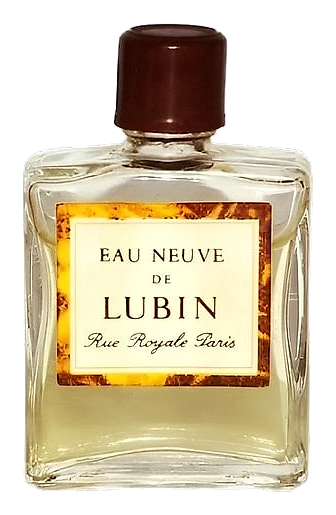
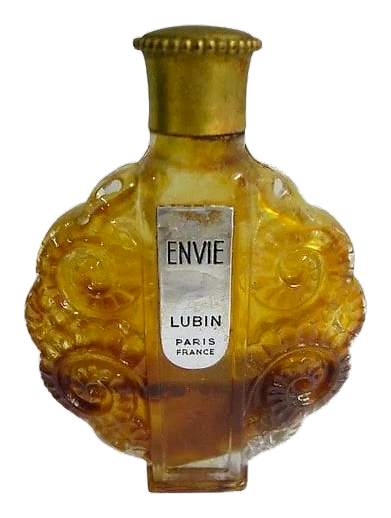
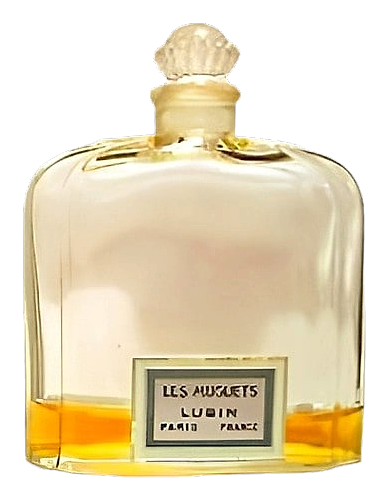
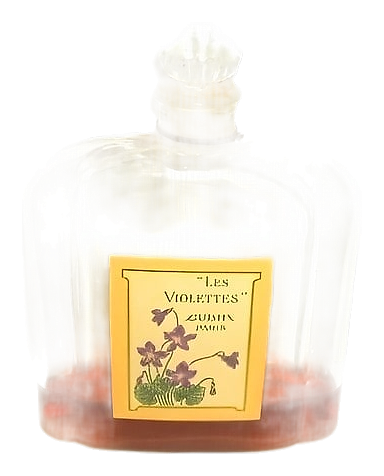
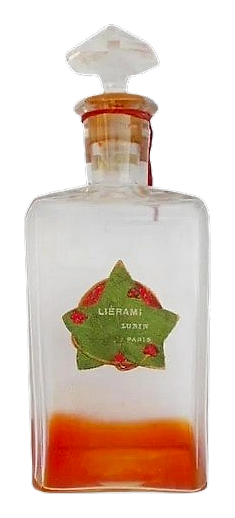
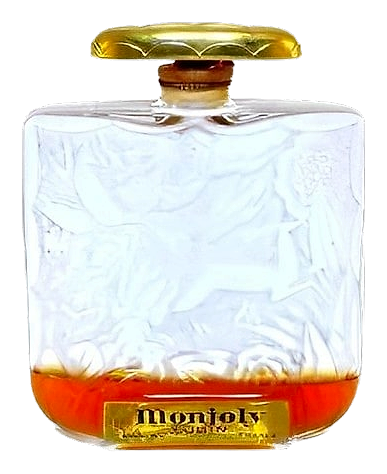
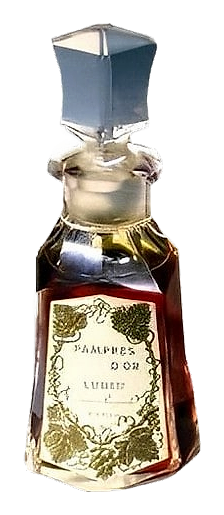
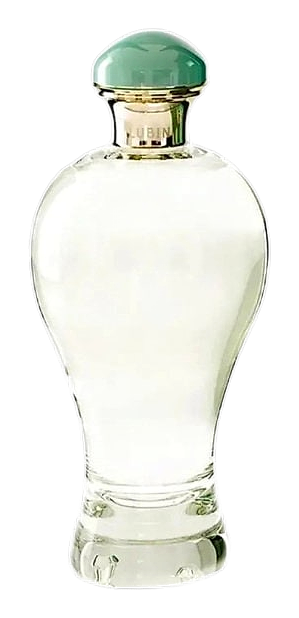
    Lubin’s visual identity draws on the elegance of the late‑18th and early‑20th centuries. Bottles feature clean lines, slender necks and a soft amber tint that hints at the warm, amber‑rich compositions inside. The brand’s logo, a stylized monogram of the letters “L” and “P,” appears in brushed gold on the cap, echoing the gilded accents of historic Parisian salons. Packaging often incorporates textured paper reminiscent of vintage perfume advertisements, while modern releases add subtle Art Deco motifs that reference the house’s 1930s heritage. In retail settings, Lubin displays its fragrances on dark wood trays, allowing the glass to catch ambient light and emphasize the subtle sheen of the wax seal. The overall aesthetic balances historic gravitas with a restrained contemporary polish, inviting collectors to explore the lineage without feeling overwhelmed by overt branding.

    Philosophy

    Lubin treats perfume as a narrative medium, aiming to capture a moment, a place or a memory in a single bottle. The house respects the integrity of its historic formulas, yet it does not shy away from subtle reinterpretation when raw‑material availability changes. Transparency guides its sourcing policy; the brand prefers ingredients that can be traced to sustainable farms or reputable cooperatives. Lubin values craftsmanship over trend, allowing each scent to develop its own lifespan rather than chasing fleeting fashions. The creative team collaborates with perfumers who share an appreciation for balance, ensuring that top notes, heart, and base unfold with measured elegance. By honoring the founder’s original vision—creating fragrances that enhance daily life rather than dominate it—Lubin positions itself as a quiet steward of French olfactory tradition.

    Key Milestones

    1798

    Pierre‑François Lubin opens his perfume house on rue Sainte‑Anne in Paris.

    1820

    Lubin receives a royal warrant from Louis XVIII, supplying fragrance to the French court.

    1920

    Launch of Lacdor, marking the brand’s expansion into modern, lighter compositions.

    1934

    Fumée debuts, showcasing Lubin’s skill with smoky, incense‑type accords.

    1994

    Mülhens group acquires Lubin, preserving historic formulas while modernizing production.

    2019

    Sinbad releases, reflecting Lubin’s renewed focus on adventurous, narrative scents.

    At a Glance

    Brand profile snapshot

    Origin

    France

    Founded

    1798

    Heritage

    228

    Years active

    Collection

    1

    Fragrances released

    Avg Rating

    3.6

    Community sentiment

    Release Rhythm

    2021
    3
    2019
    6
    2018
    3
    2017
    4
    2016
    2
    2015
    2
    2012
    3
    2011
    2
    lubin.com

    Did You Know?

    Interesting Facts

    Distinctive details and defining moments that shape the house personality.

    01

    The original Eau de Lubin formula was created in 1798 and is still offered today, making it one of the longest continuously produced perfumes in the world.

    02

    Pierre‑François Lubin apprenticed under the queen’s perfumer, giving him direct exposure to the royal fragrance traditions of pre‑revolutionary France.

    03

    During the early 20th century, Lubin supplied scented hand creams to the French navy, a little‑known partnership that highlighted the brand’s versatility.

    04

    Lubin’s production moved to Cologne in the 19th century, where it shared facilities with the historic Mülhens perfume factory, famous for the original Eau de Cologne.

    The Artisans

    The Perfumers