
The Story
Why it exists.
The beginning
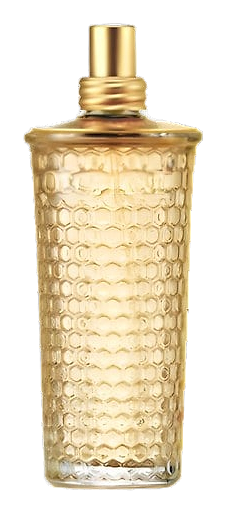
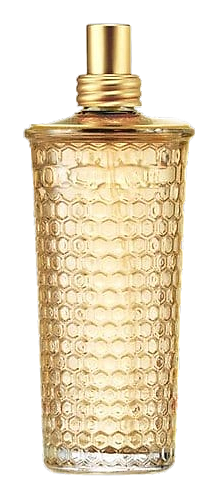
Thomas Fontaine built Miel & Citron around a single idea: what if honey were the protagonist, not the supporting cast? L'Occitane's botanical heritage gave him access to natural materials rooted in Provençal warmth, honey from local apiaries, citrus from the south of France. The brief wasn't complicated: take two recognizable notes and make them inseparable. Lemon opens sharp and clean. Cinnamon arrives seconds later, giving the citrus something to hold onto. The fragrance launched in 2007 with no fanfare, no celebrity endorsement, just a clear olfactory statement dressed in a rounded bottle that echoed the arched doorways of the Maison in Manosque.
What's interesting here is the structural choice. Lemon and cinnamon are both volatile, they arrive fast and fade fast. Honey, caramel, and vanilla are the opposite: slow to bloom, persistent once they arrive. Fontaine layered the pyramid so the bright top notes open the composition and immediately hand it over to the warm heart. By the time vanilla and patchouli appear in the base, the fragrance has already made its argument: honey is the point, and everything else is the case for it. The patchouli is subtle, more grounding than dramatic, keeping the sweetness from floating away entirely.
The evolution
Lemon hits first. Bright, almost biting. Then the cinnamon arrives like a door opening into a warmer room. Thirty seconds and the honey takes over, not the sharp medicinal kind, not the thin grocery-store variety. Real warmth, slow and amber. The caramel in the heart adds weight but not heaviness, like warm sugar dissolved in tea. This phase lasts the longest, maybe two to three hours, before the vanilla starts to surface and the patchouli quietly anchors everything underneath. By the fourth hour, it's skin-close. By the sixth, there's a faint warmth left, not the honey anymore, but vanilla settling into the skin like a memory.
Cultural impact
Miel & Citron has quietly accumulated fans who describe it as their first real fragrance, the one they remember from a grandmother's vanity or a childhood birthday gift. Reddit threads show people still searching for dupes years after its apparent discontinuation, which tells you something about its hold. It's not a fragrance that changed the industry. It's a fragrance that changed someone's idea of what they liked.
The House
L'Occitane en ProvenceL'Occitane en Provence is a French fragrance house rooted in the botanical traditions of southern France. Founded in 1976, the brand translates the scents of wild rosemary, lavender and almond into perfumes, body mists and skincare that feel like a walk through a Provençal market. Today the company ships its scented creations to more than 90 countries, yet each bottle still carries the imprint of the hills, stone houses and sun‑baked fields where the first essential oils were distilled. The line balances classic floral and warm amber notes with a modern sensibility for natural ingredients, offering a quiet alternative to the louder, synthetically driven offerings that dominate many shelves.
The Creator
Thomas FontaineFontaine is drawn to natural ingredients and classical perfumery structures, favouring compositions with depth, clarity, and a sense of time embedded within them. He has demonstrated a particular skill with tuberose and rose-jasmine accords, visible across his Jean Patou work,…