    Brand Profile

    Molinard is a historic French perfume house rooted in the town of Grasse, the cradle of modern fragrance. Founded in 1849 by a young chemist…More

    France·Est. 1849·Site

    6

    Fragrances

    3.9

    Rating

    50
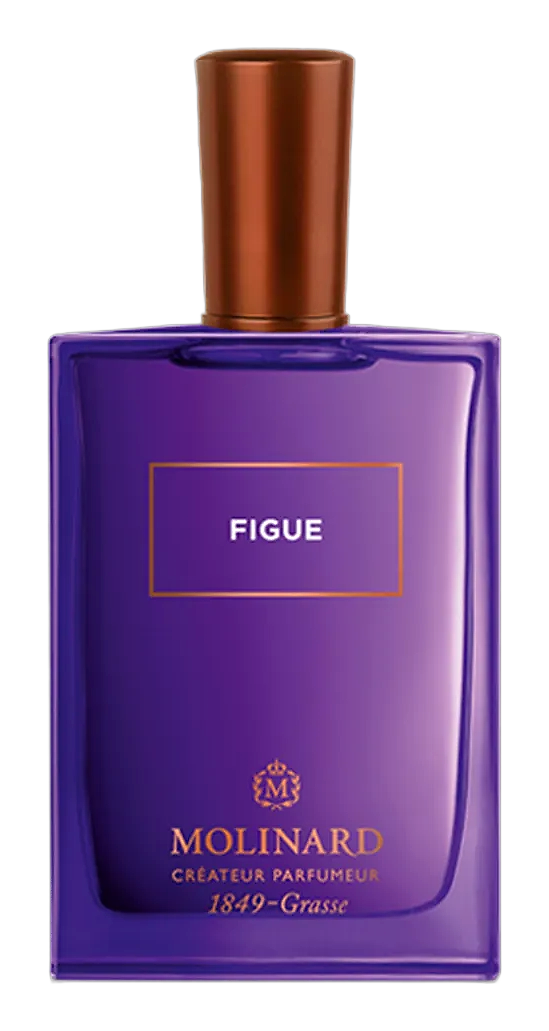
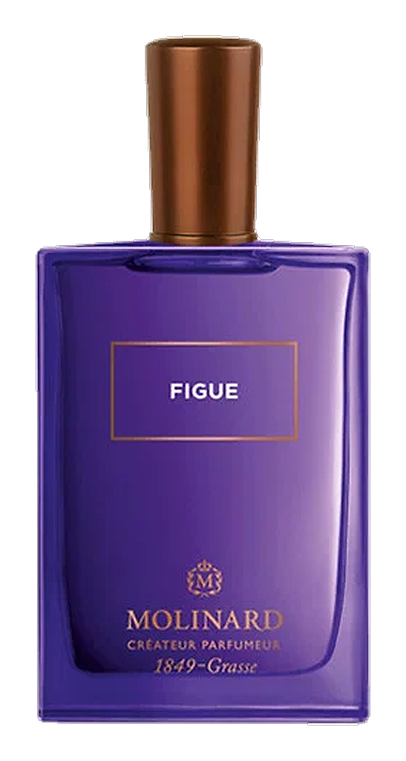
    Figue by Molinard
    4.1

    Figue

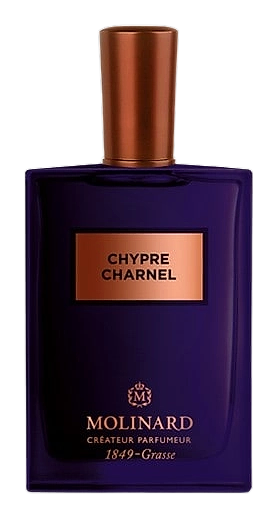
    Chypre Charnel by Molinard
    4.1

    Chypre Charnel

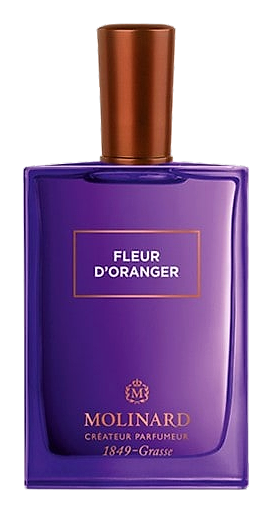
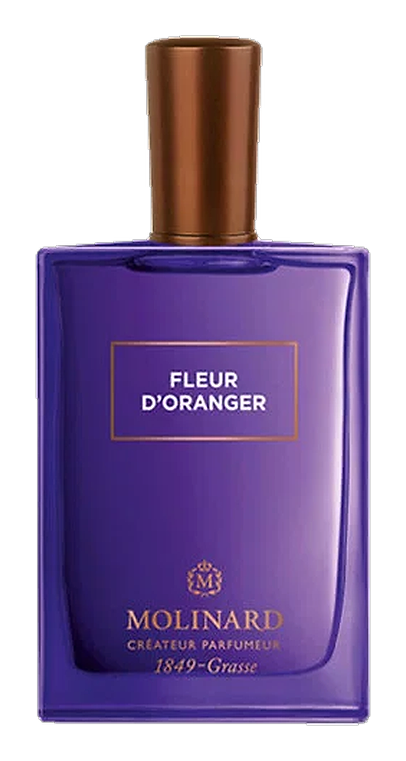
    Fleur d'Oranger by Molinard – Eau de Parfum
    4.0

    Fleur d'Oranger

    Eau de Parfum

    1849 Collection Iles D'Or by Molinard
    Best Seller
    4.5

    1849 Collection Iles D'Or

    Cologne France by Molinard
    Best Seller
    4.4

    Cologne France

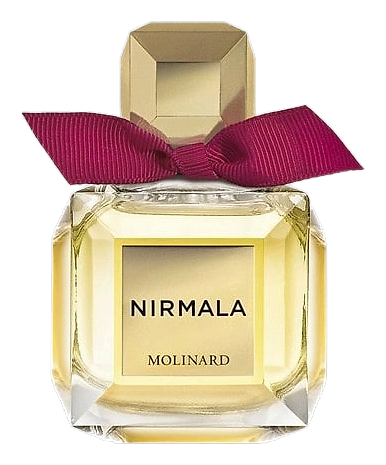
    Nirmala Baccarat Edition 2015 by Molinard
    Best Seller
    4.4

    Nirmala Baccarat Edition 2015

    Autour de la Vanille Reglisse by Molinard
    4.4

    Autour de la Vanille Reglisse

    Double Fraîcheur by Molinard
    4.4

    Double Fraîcheur

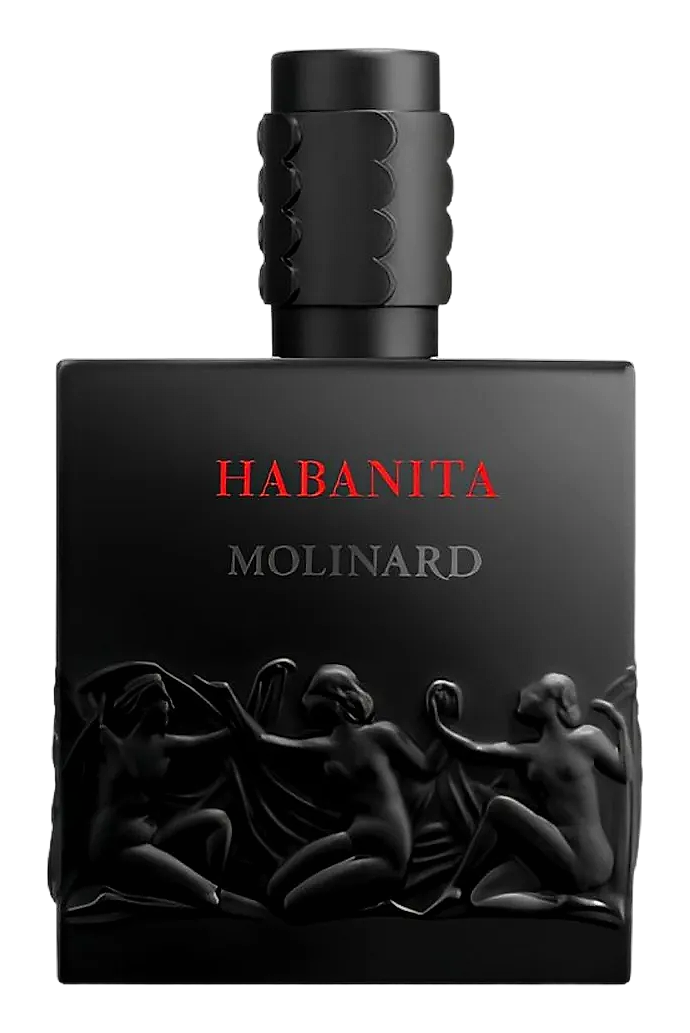
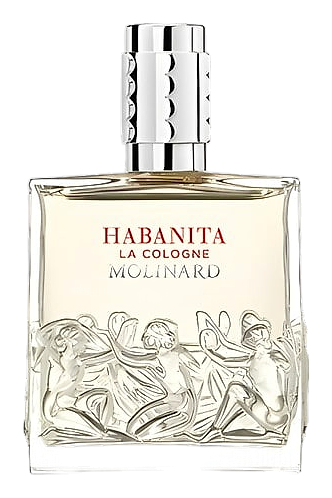
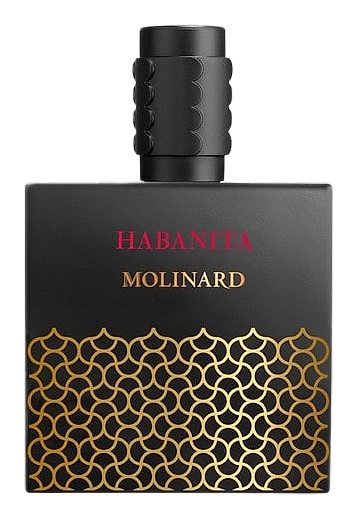
    Habanita Exclusive Edition by Molinard
    4.4

    Habanita Exclusive Edition

    Verveine et Fleurs by Molinard
    4.3

    Verveine et Fleurs

    Eau de Verveine by Molinard
    4.3

    Eau de Verveine

    Musc et Fruits by Molinard
    4.3

    Musc et Fruits

    1 of 5

    The Heritage

    The Story of Molinard

    Molinard is a historic French perfume house rooted in the town of Grasse, the cradle of modern fragrance. Founded in 1849 by a young chemist named Molinard, the maison has remained in family hands for five generations. It creates scented oils, colognes and niche perfumes that draw on the region’s native blossoms and the house’s own distillation tradition. Today the brand balances a heritage of artisanal craft with a modest portfolio of contemporary releases, ranging from the 1849 Collection Iles D'Or (2007) to the Habanita Exclusive Edition (2019). Molinard’s products are sold through specialty boutiques and a curated online platform, inviting collectors to experience a scent lineage that spans more than a century and a half.

    Heritage

    The story of Molinard begins in 1849 when a chemist named Molinard opened a small laboratory in Grasse, Provence. Early on the workshop supplied scented oils to local artisans and produced eau de colognes that featured the region’s freshly harvested flowers. By the turn of the twentieth century the family had acquired a country estate on the outskirts of Grasse; in 1900 the estate housed a historic factory, a laboratory for new creations, a museum of perfume heritage and a period‑style distillery. The house commissioned renowned glass artist René Lalique to design the bottle for Calendal, a move that linked Molinard’s scent craft with French decorative art. Throughout the twentieth century the brand survived two world wars, maintaining production by adapting to material shortages while preserving its core techniques. In 1994 the fifth generation of Molinard perfumers opened a dedicated perfume workshop, reaffirming the family’s commitment to hands‑on creation. The workshop introduced a line of limited‑edition fragrances that highlighted rare ingredients, such as the 1998 Vanille Marine and the 2000 Double Fraîcheur. The early 2000s saw a renewed focus on botanical authenticity, resulting in releases like Eau de Verveine (2005) and Verveine et Fleurs (2003). Recent milestones include the 2015 Nirmala Baccarat Edition, a collaboration that paired the house’s scent with Baccarat crystal, and the 2019 Habanita Exclusive Edition, which showcased a modern interpretation of tobacco notes. Over its 170‑year history Molinard has remained a family‑run operation, with each generation adding its own layer to the house’s narrative while respecting the original commitment to Grasse’s fragrant terroir.

    Craftsmanship

    Production at Molinard unfolds within the historic factory on its Grasse estate, where the house maintains a period‑style copper distillation still used for extracting essential oils. The process starts with hand‑picked blossoms, herbs and resins that arrive at the laboratory within hours of harvest. Skilled technicians perform steam distillation, solvent‑free extraction or enfleurage, depending on the botanical’s profile. The resulting absolutes are stored in temperature‑controlled vats before being blended by the perfumers in small batches. Molinard’s laboratory retains many original 19th‑century tools, yet it incorporates modern analytical equipment to verify purity and stability. Quality control includes organoleptic testing by senior perfumers and independent laboratory analysis to confirm concentration levels. The house sources several key ingredients from local growers who practice sustainable agriculture, reducing the carbon footprint of transport and supporting the regional economy. For rarer components, such as certain oud or exotic spices, Molinard works with vetted suppliers who can provide traceability certificates. Once a formula reaches its final stage, it is transferred to the bottling line, where glass vessels are hand‑filled and sealed with waxed corks. Each bottle receives a handwritten batch number, linking the product to its specific production run. The entire workflow reflects a balance between heritage techniques and contemporary standards, ensuring that every fragrance carries the imprint of Grasse’s terroir and the house’s meticulous attention to detail.

    Design Language

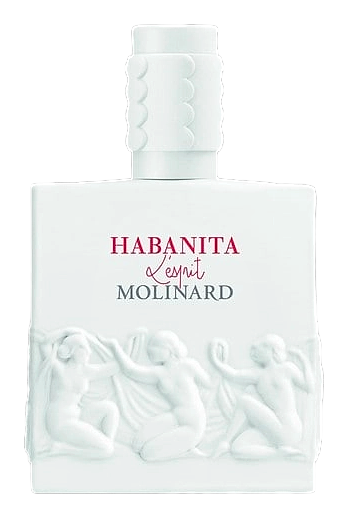
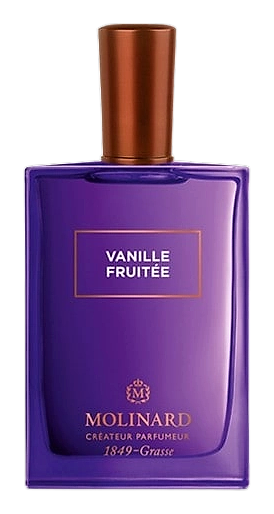
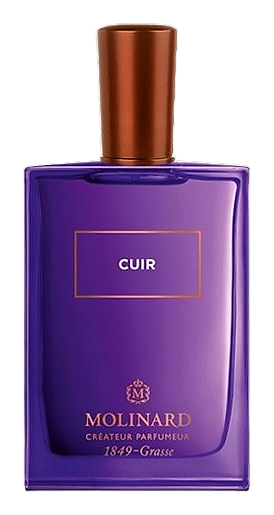
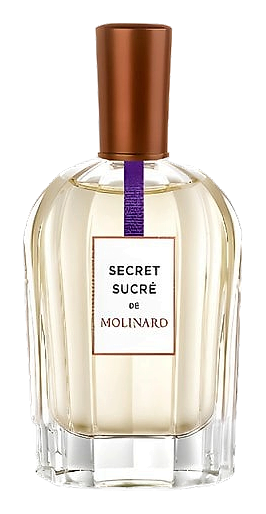
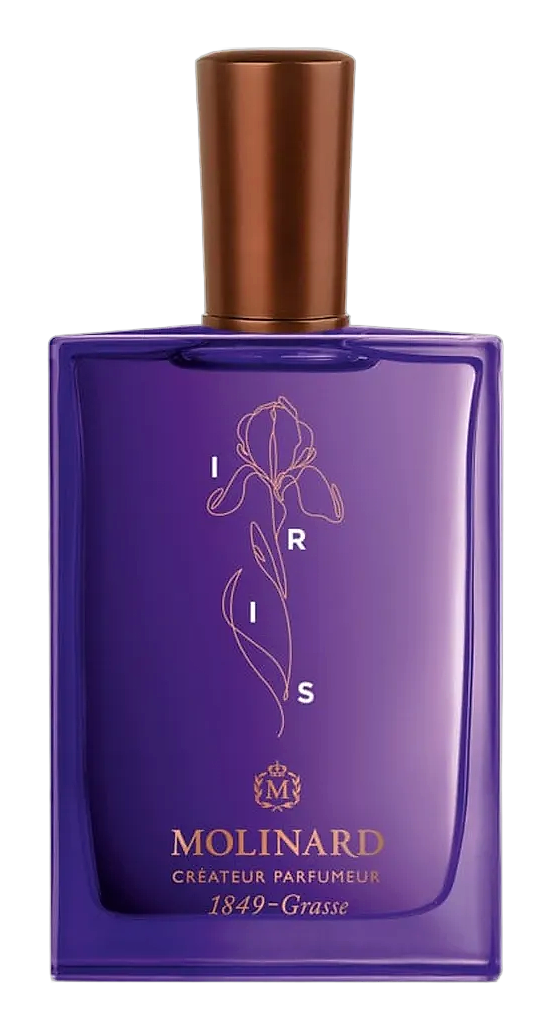
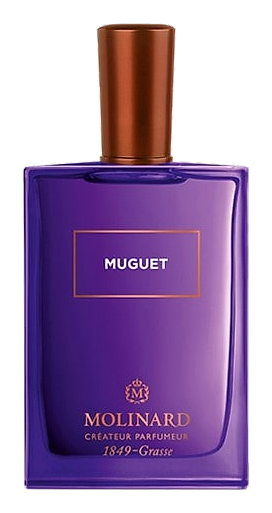
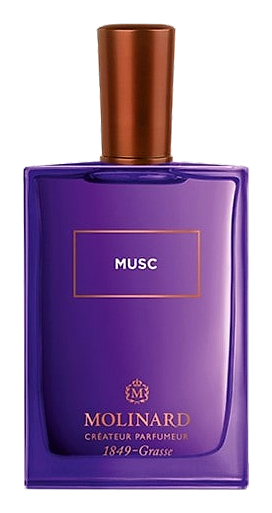
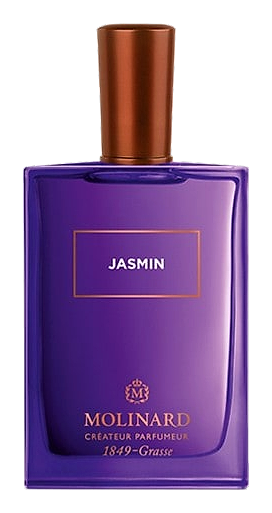
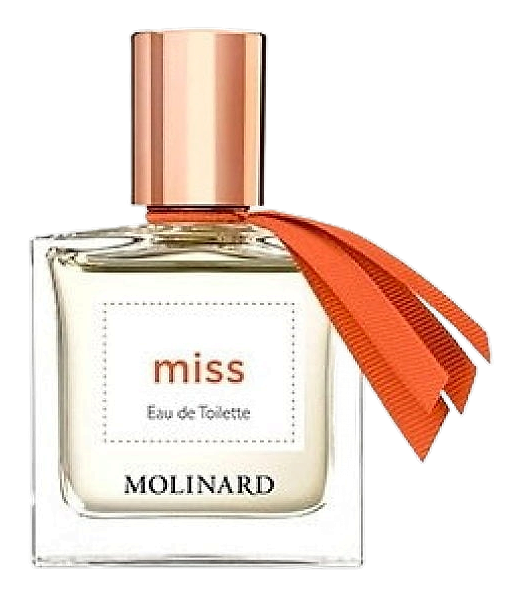
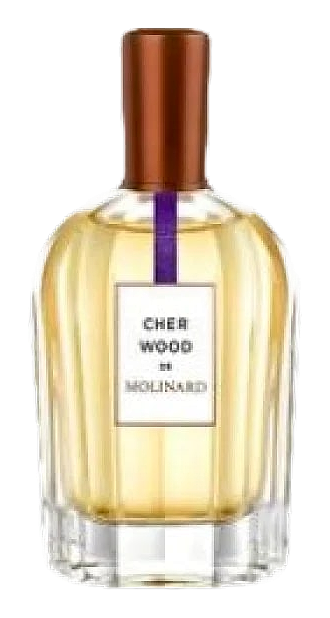
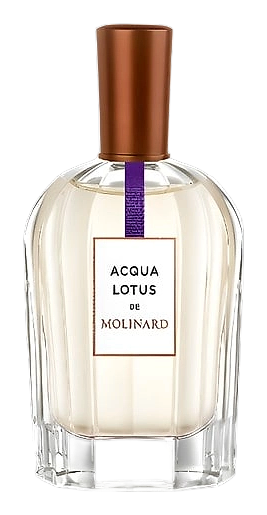
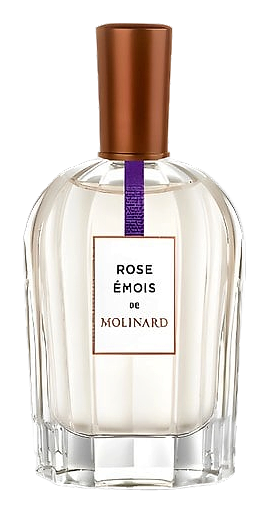
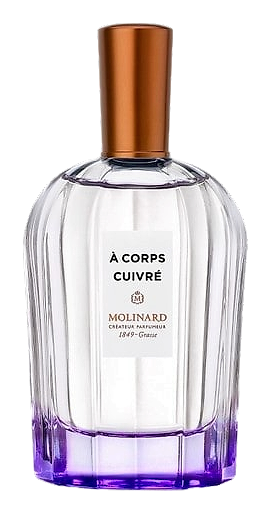
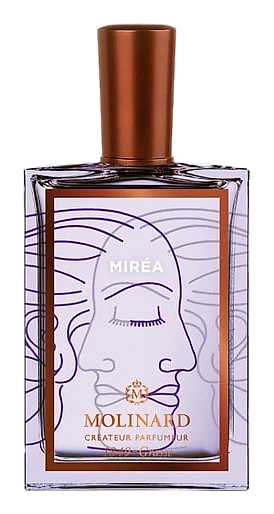
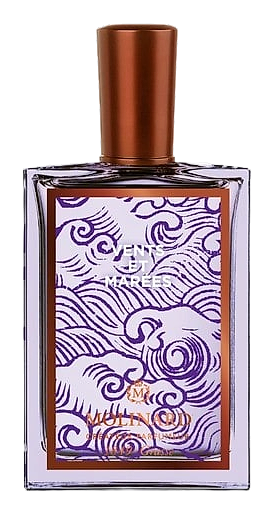
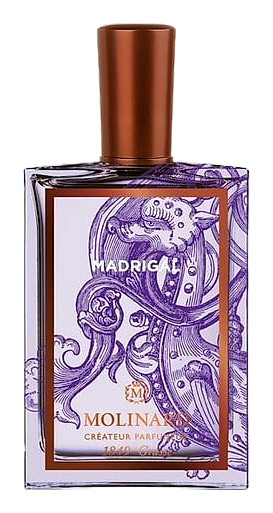
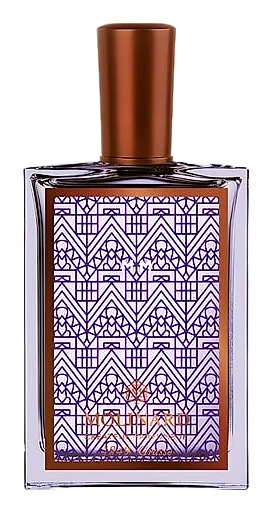
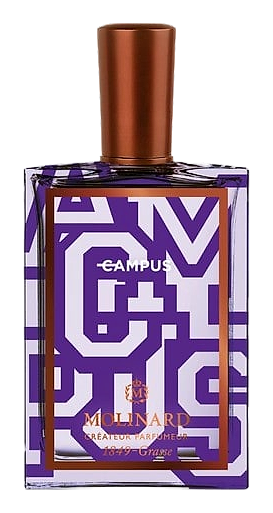
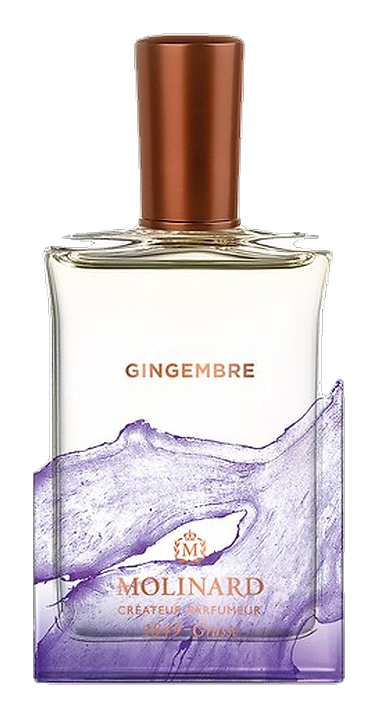
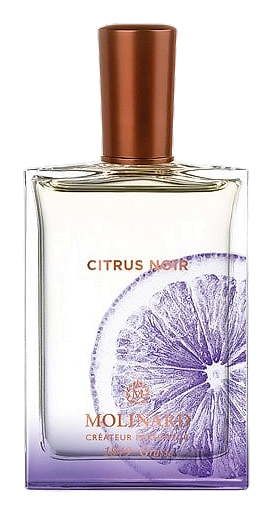
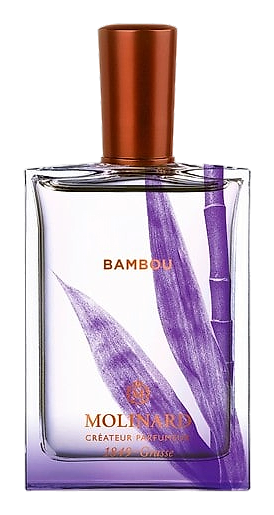
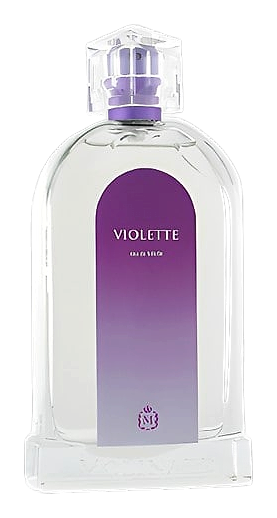
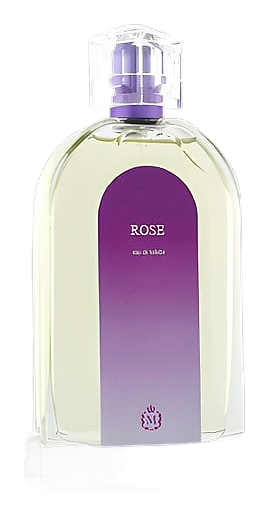
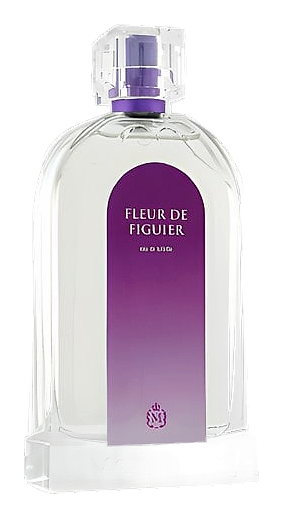
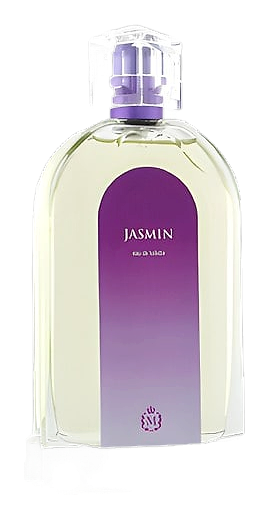
    Molinard’s visual identity mirrors its understated elegance. The brand favors clear glass bottles with simple, rounded silhouettes that showcase the perfume’s colour rather than ornate decoration. Early twentieth‑century collaborations, such as the Lalique‑designed Calendal bottle, introduced Art Nouveau lines and frosted crystal accents, setting a precedent for occasional artistic partnerships. Modern releases often feature pastel‑toned caps and minimalist labels that display the fragrance name in a classic serif typeface, reinforcing a sense of timelessness. The estate’s museum and boutique interiors echo this aesthetic, using natural wood, muted stone walls and soft lighting to evoke the scent‑filled workshops of the past. Promotional imagery typically presents the bottles against botanical backdrops, highlighting the raw ingredients that inspire each composition. The overall brand image conveys a quiet confidence: a house that trusts its heritage to speak for itself, allowing the scent and the subtle design details to become the primary points of connection with the consumer.

    Philosophy

    Molinard frames its creative vision around three guiding ideas: respect for place, continuity of craft, and quiet innovation. The house believes that the character of a perfume begins in the soil where the raw material grows, so it sources many of its floral absolutes directly from farms surrounding Grasse. It treats each harvest as a seasonal chapter, allowing the scent palette to shift with the natural rhythm of the region. Continuity appears in the house’s dedication to family stewardship; five generations of Molinard perfumers have overseen formulation, ensuring that knowledge passes from mentor to apprentice without interruption. Rather than chasing trends, the brand seeks subtle evolution, introducing new accords that complement its historic DNA. This approach manifests in limited‑edition releases that experiment with unexpected pairings—such as the vanilla‑marine blend of Vanille Marine—while still honoring classic structures. Molinard also values transparency, inviting visitors to its museum and distillery to witness the steps from flower to bottle. By keeping the creative process visible, the house reinforces a belief that perfume should be both an art and a shared experience, rooted in authenticity rather than hype.

    Key Milestones

    1849

    Chemist Molinard establishes a perfume laboratory in Grasse, marking the birth of the Maison.

    1900

    The Molinard country estate opens, housing a historic factory, laboratory, museum and period distillery.

    1910

    René Lalique designs the Calendal bottle, linking the house with French decorative art.

    1994

    Fifth generation opens a dedicated perfume workshop, reinforcing family‑run production.

    2005

    Release of Eau de Verveine, emphasizing fresh botanical notes.

    2015

    Nirmala Baccarat Edition launches, pairing fragrance with Baccarat crystal.

    At a Glance

    Brand profile snapshot

    Origin

    France

    Founded

    1849

    Heritage

    177

    Years active

    Collection

    6

    Fragrances released

    Avg Rating

    3.9

    Community sentiment

    Release Rhythm

    2021
    2
    2019
    3
    2017
    3
    2016
    2
    2015
    8
    2014
    2
    2012
    1
    2011
    1
    molinard.com

    Did You Know?

    Interesting Facts

    Distinctive details and defining moments that shape the house personality.

    01

    Molinard has operated continuously in the same Grasse estate for more than 120 years, a rarity among French perfume houses.

    02

    The house maintains its own copper distillation still, a piece of equipment that dates back to the 19th century and is still used for extracting essential oils.

    03

    René Lalique, famed for his glass art, created a bottle for Molinard’s Calendal perfume, representing one of the earliest collaborations between a perfumer and a designer of fine crystal.

    04

    Five generations of Molinard family members have served as perfumers, each adding personal touches while preserving core techniques.