The Heritage
The Story of Le Galion
Le Galion whispers Parisian elegance from a modest mansion on the Left Bank. Founded in 1930, the house survived war, quiet years, and a recent renaissance, offering scents that feel like a private salon rather than a mass‑market label. With a handful of timeless classics and a new generation of refined releases, Le Galion invites collectors to experience French perfume at its most discreetly luxurious.
Heritage
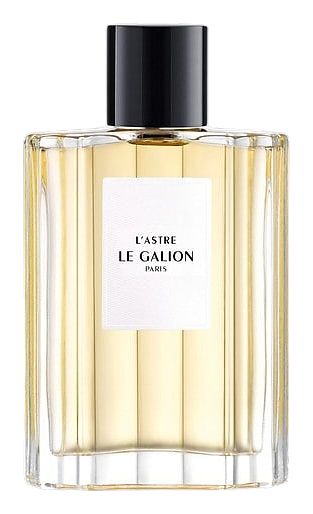
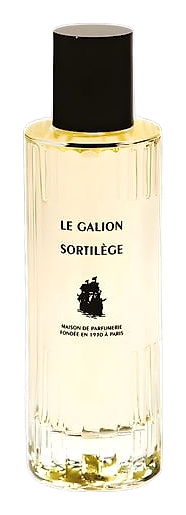
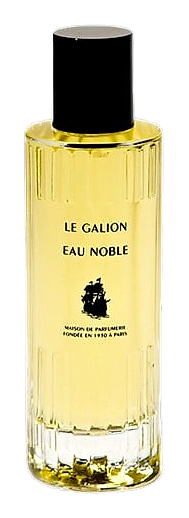
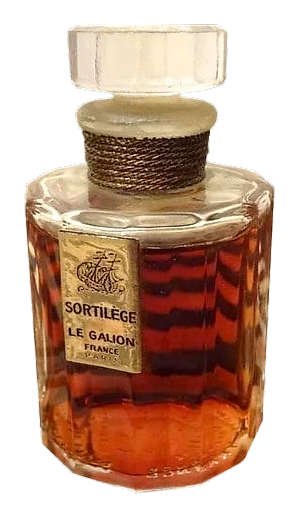
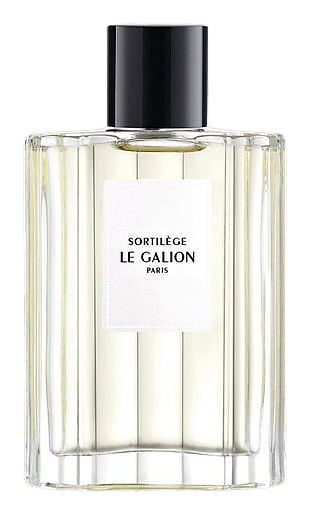
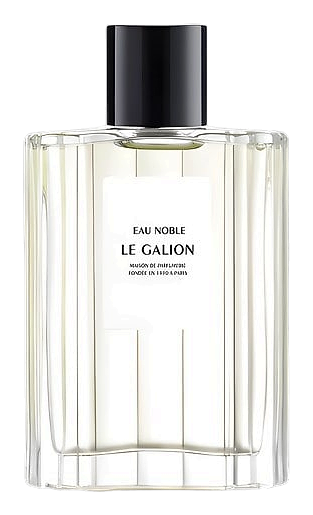
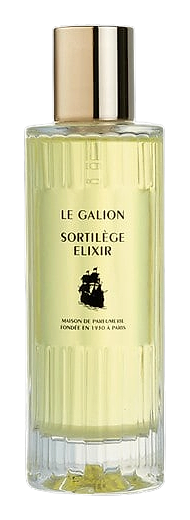
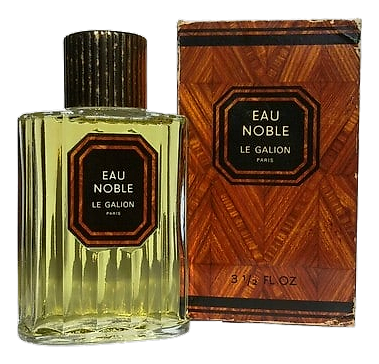
Le Galion emerged in 1930 under the patronage of Prince Murat, a descendant of Napoleon’s family who wanted a perfume house that reflected aristocratic taste. The venture quickly attracted Paul Vacher, a young perfumer already known for his work with luxury houses. In 1935 Vacher acquired the brand, registered its trademarks in 1936 and began shaping its scent language. His first major success, Sortilège (1937), blended bright citrus, violet leaf and warm amber, earning a place in Parisian salons and later in Hollywood circles. Throughout the 1940s the house supplied the French elite, but the post‑war market shift and the rise of mass‑produced fragrances reduced its visibility. By the 1970s Le Galion released Eau Noble, a refined fougère that hinted at the brand’s lingering craftsmanship. The 1980s and 1990s saw the label slip into dormancy, its archives gathering dust in the original Paris mansion. A turning point arrived in 2014 when Nicolas Chabot, a descendant of the original founders, assumed the role of CEO and artistic director. Chabot partnered with contemporary perfumers such as Jean‑Christophe Hérault and Julien Rasquinet, reviving forgotten formulas like the original Chypre (2020) and introducing new creations such as L’Astre (2023). The house now balances its historic DNA with a modern, boutique‑scale production, positioning itself as a quiet champion of French elegance.
Craftsmanship
Le Galion crafts each fragrance in a small atelier attached to its historic Paris mansion. Ingredients arrive from established growers in Grasse, Madagascar, Brazil and the Middle East, where the house selects only the most mature raw materials. Natural absolutes are extracted by cold‑press or solvent‑free methods, preserving nuance. Vacher‑era formulas still guide the blending process: perfumers weigh each component on a brass scale, allowing the oil to rest for weeks before final adjustment. The house ages many of its base accords in oak barrels, a practice borrowed from fine wine making, to deepen complexity. Once the perfume reaches its intended balance, it is hand‑filled into crystal or tinted glass bottles, sealed with a brushed‑gold cap, and stored in temperature‑controlled rooms. Quality checks occur at every stage, from raw material verification to final scent testing by a panel of senior noses. This meticulous approach ensures that every Le Galion release carries the same level of refinement that defined its early classics.
Design Language
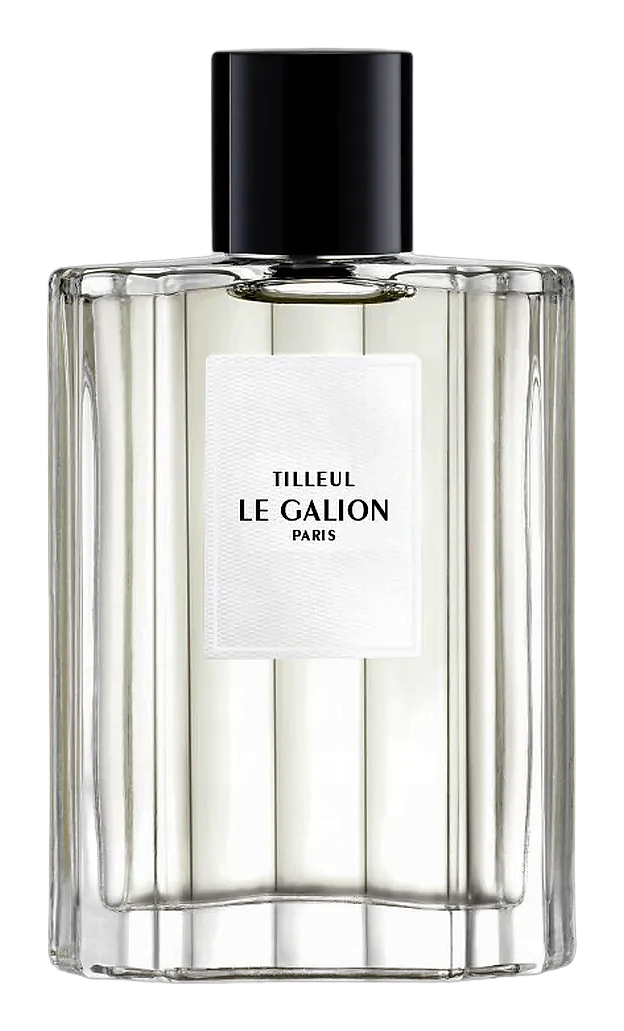
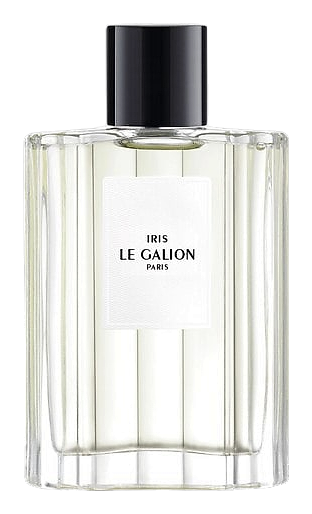
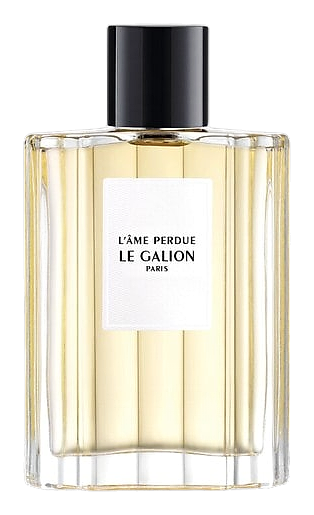
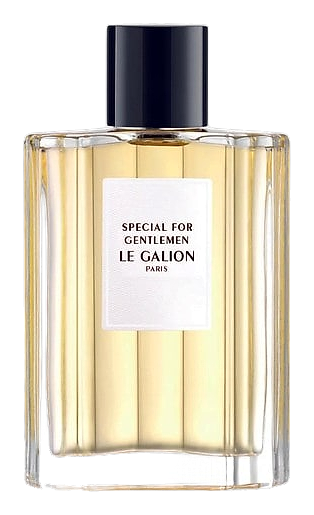
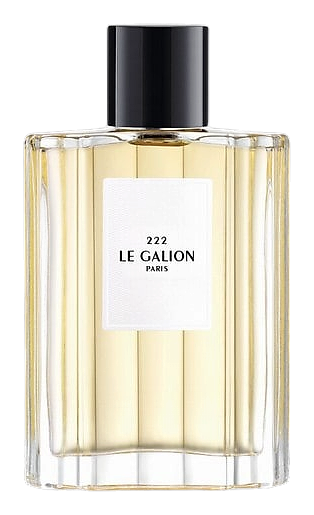
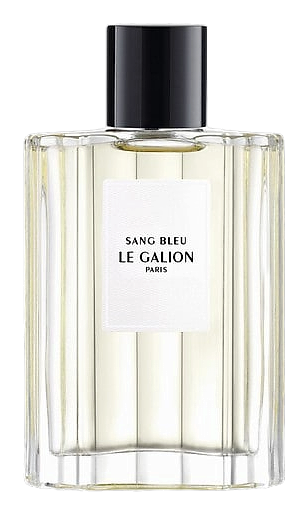
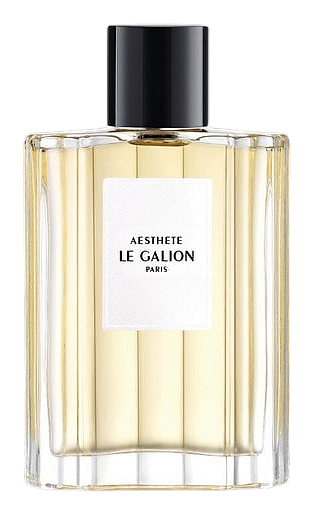
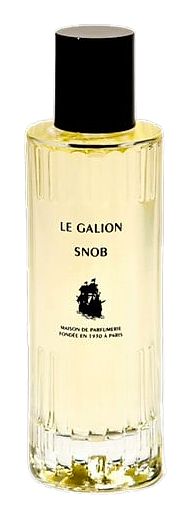
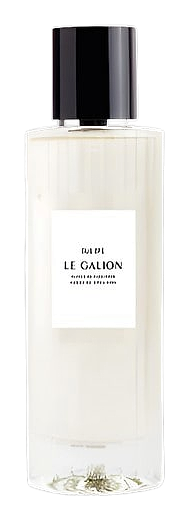
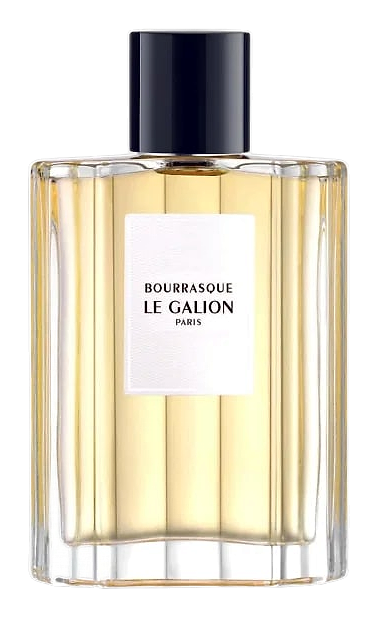
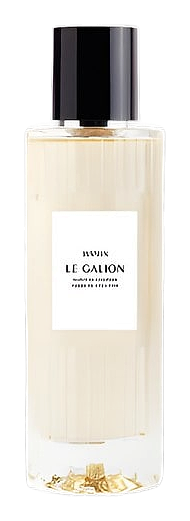
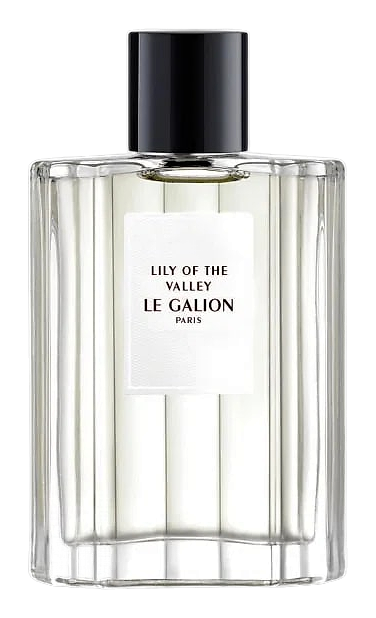
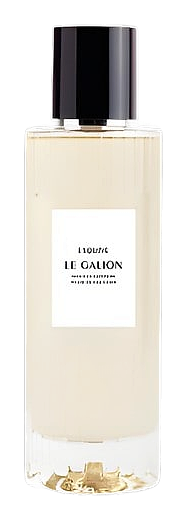
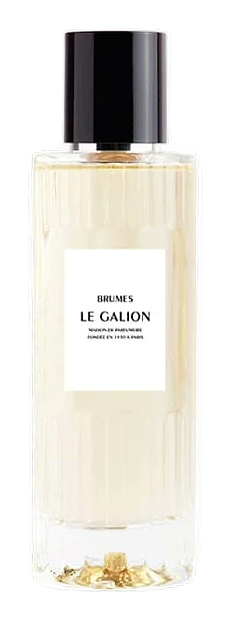
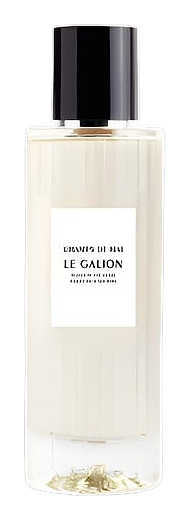
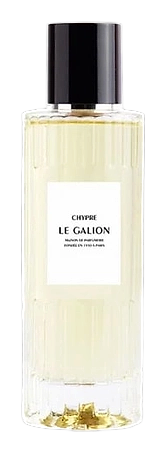
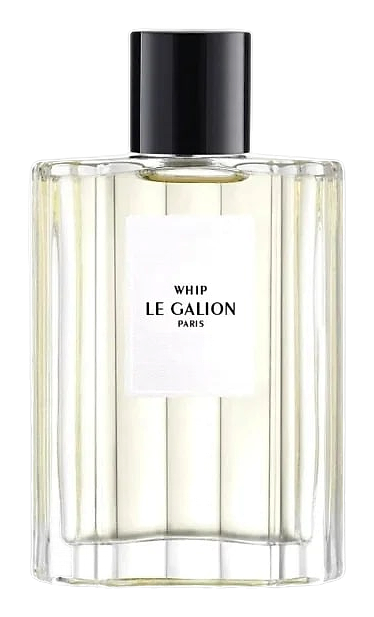
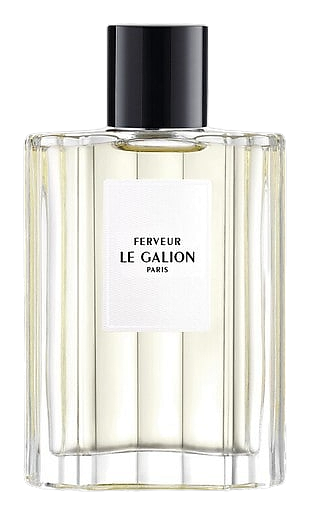
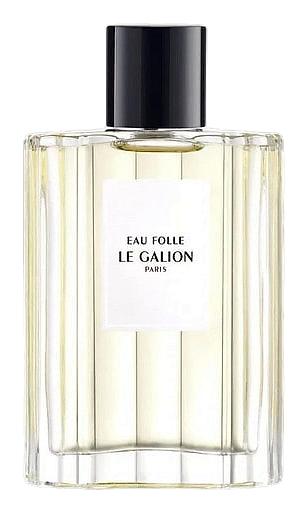
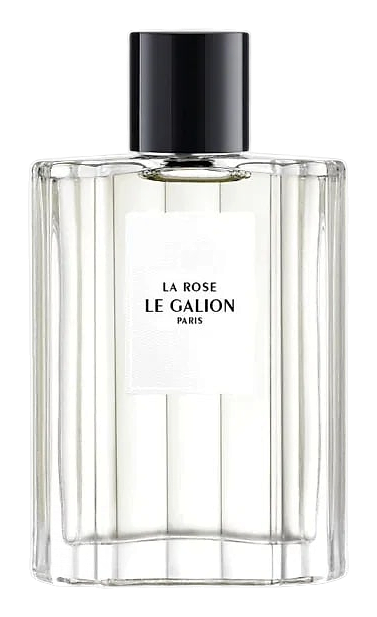
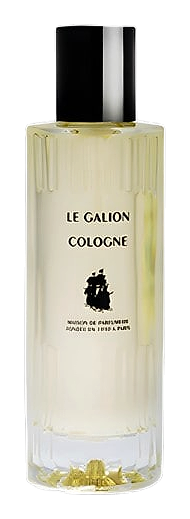
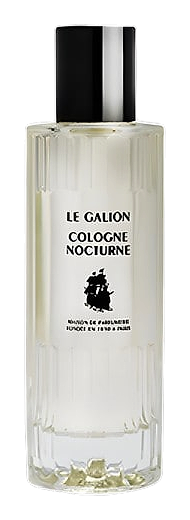
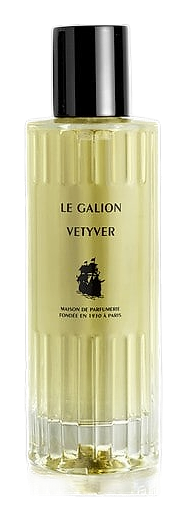
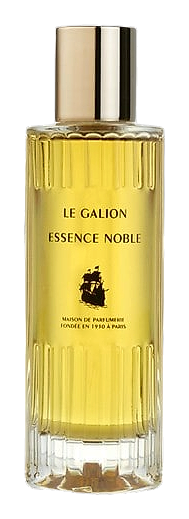
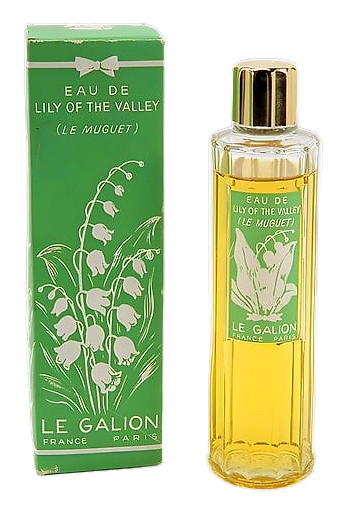
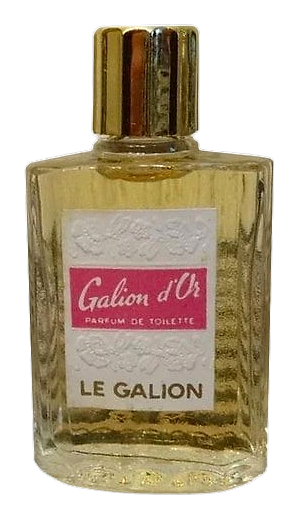
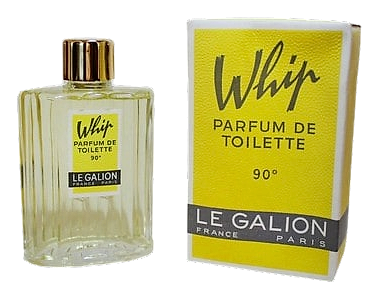
The visual identity of Le Galion mirrors its understated scent philosophy. Bottles feature simple, rounded silhouettes of clear or lightly tinted glass, often capped with brushed gold or polished pewter. Labels display a thin serif typeface in muted tones, echoing the elegance of 1930s Parisian stationery. Packaging boxes use heavyweight matte paper, occasionally embossed with the house’s monogram—a stylized galion ship—providing a tactile cue of quality. Recent releases introduce subtle color accents, such as the deep teal of L’Astre or the soft ivory of Chypre, but never overwhelm the clean lines. Store displays keep the focus on the bottle itself, using soft, diffused lighting that highlights the liquid’s hue. The overall aesthetic feels like a private collection, inviting the owner to keep the perfume on a personal vanity rather than a crowded shelf.
Philosophy
Le Galion’s philosophy rests on restraint and respect for classic French structure. The house believes a perfume should reveal itself slowly, rewarding patience rather than demanding instant attention. It favors compositions that echo the perfume salons of the 1930s, where citrus, floral and woody notes intertwined with subtle animalic accents. Modern collaborators are asked to honor this language while injecting a personal signature, resulting in scents that feel both familiar and freshly personal. The brand also insists on authenticity: every ingredient is traced to its origin, and each bottle is presented without superfluous branding, allowing the scent itself to speak. In this way Le Galion positions itself as a curator of quiet luxury, offering collectors a chance to own a piece of perfume history that still feels relevant today.
Key Milestones
1930
Prince Murat establishes Le Galion in Paris.
1935
Perfumer Paul Vacher acquires the brand and registers its trademarks.
1937
Sortilège launches, becoming the house’s first iconic fragrance.
1978
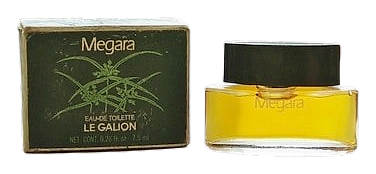
Megara releases, reinforcing the house’s classic style.
2014
Nicolas Chabot becomes CEO and artistic director, initiating a revival.
2020
Jean‑Christophe Hérault re‑issues the original Chypre formula.
At a Glance
Brand profile snapshot
Origin
France
Founded
1930
Heritage
96
Years active
Collection
1
Fragrances released
Avg Rating
4.7
Community sentiment
Release Rhythm


