









Heritage
A house, in its own words
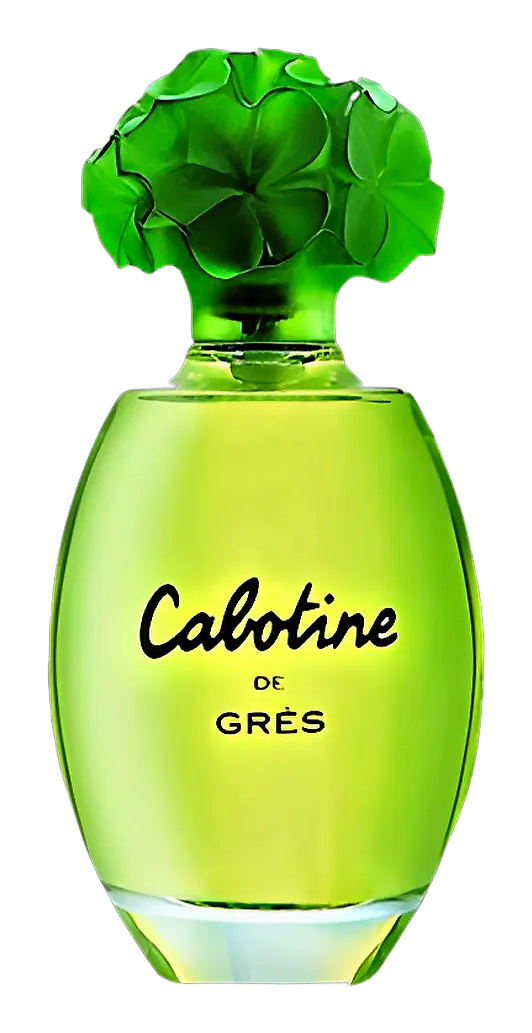
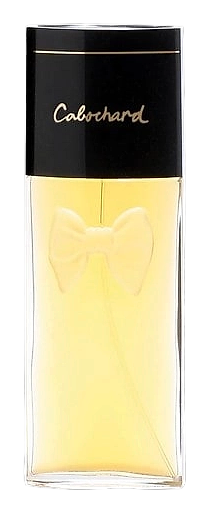
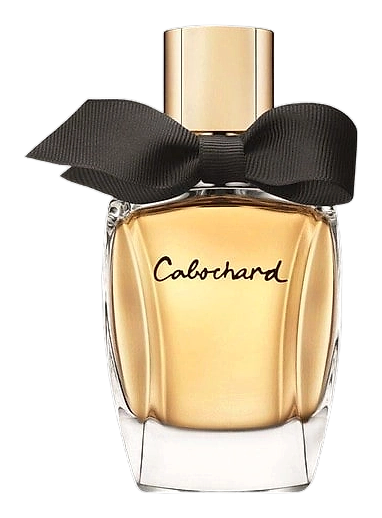
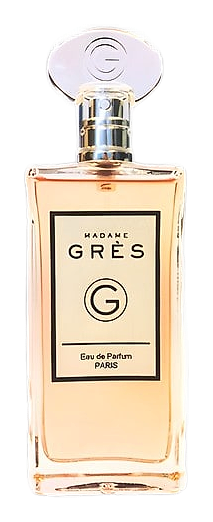
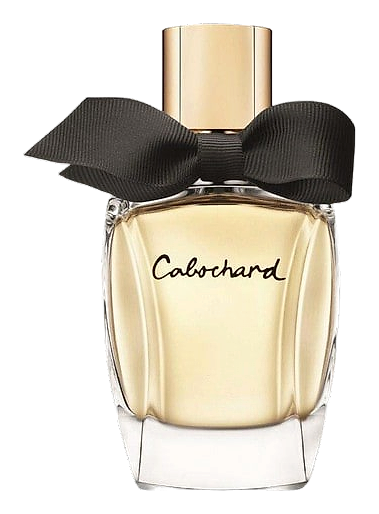
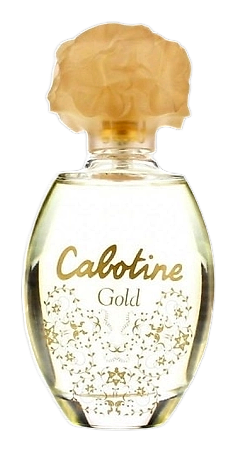
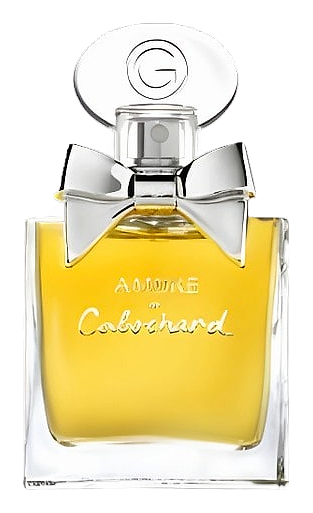
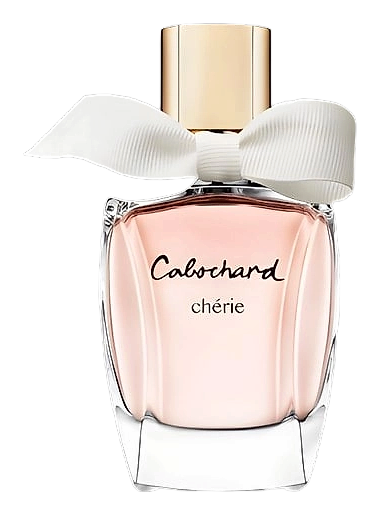
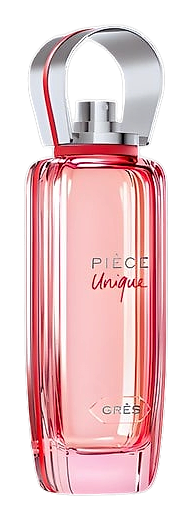
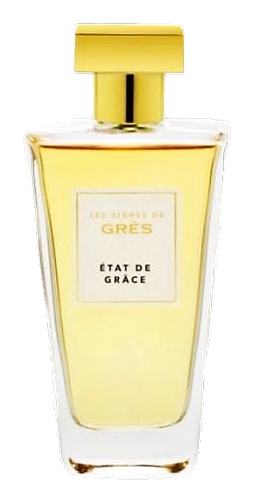
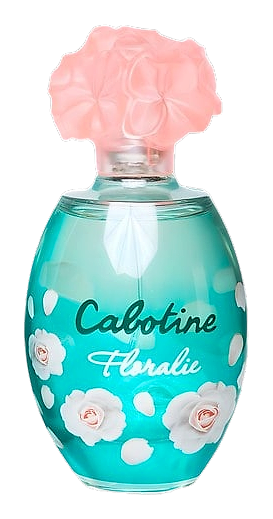
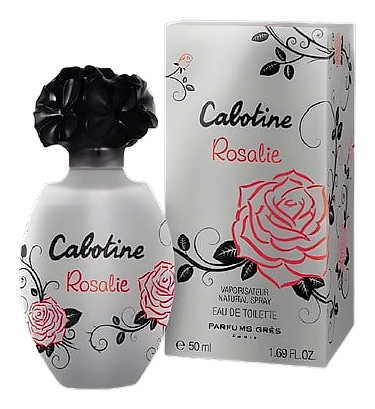
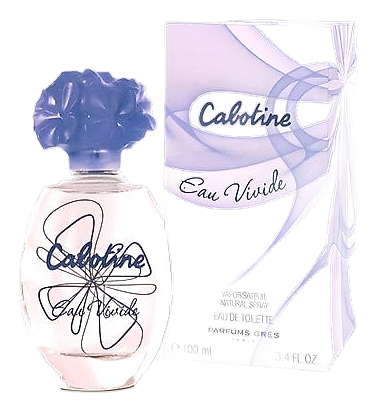
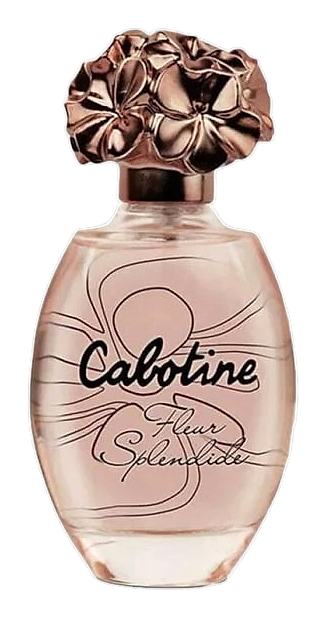
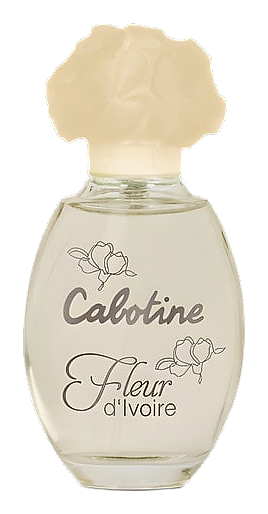
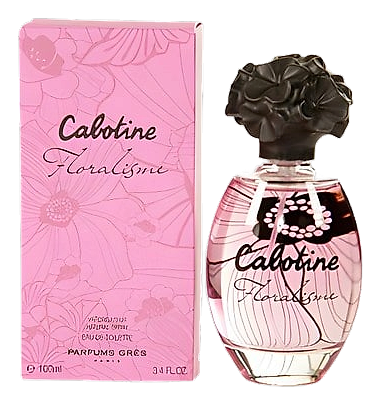
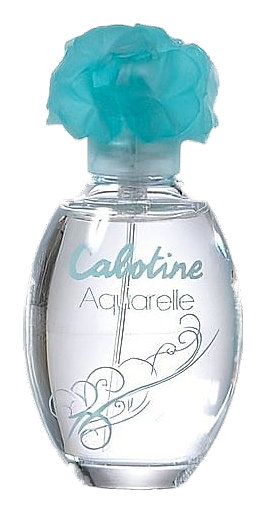
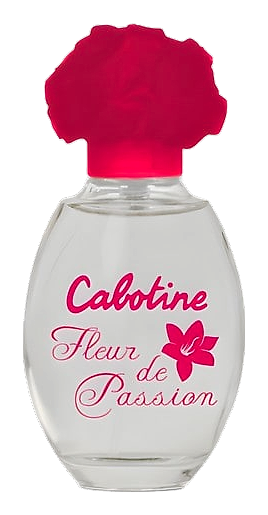
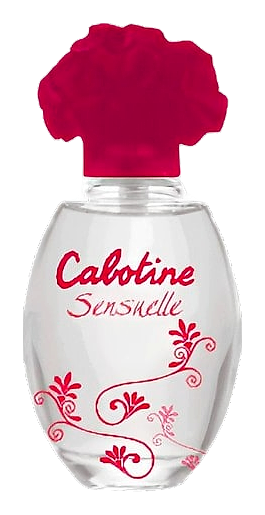
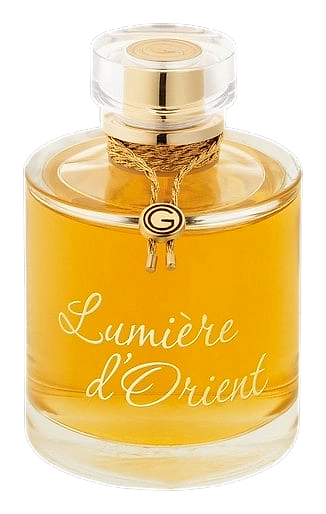
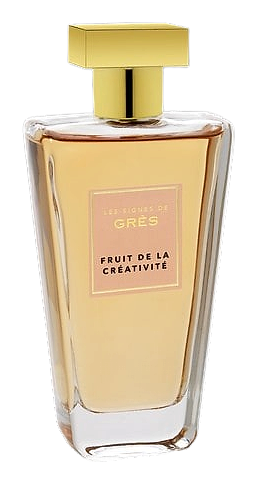
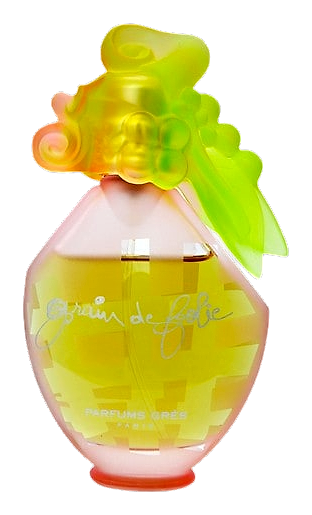
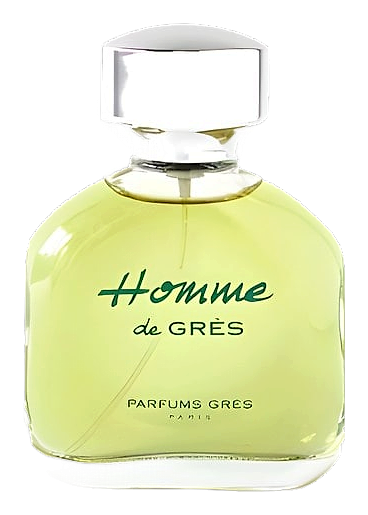
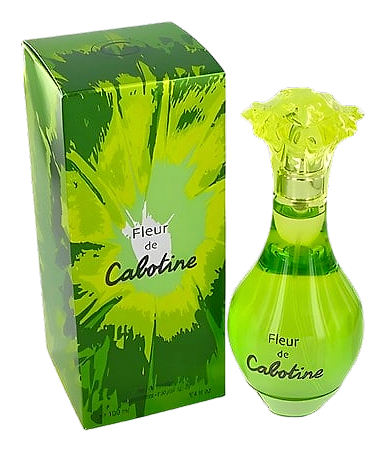
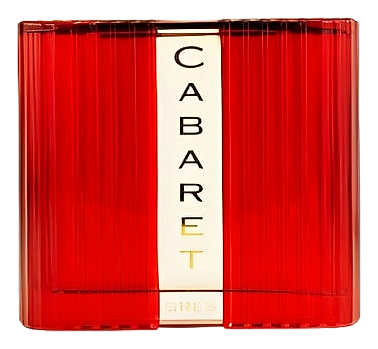
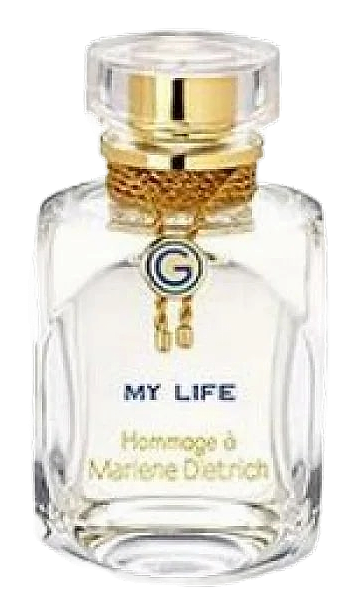
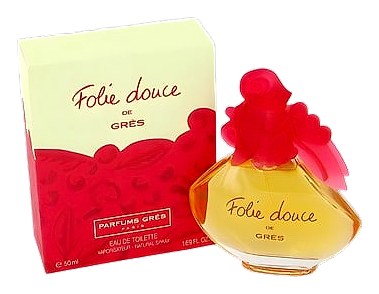
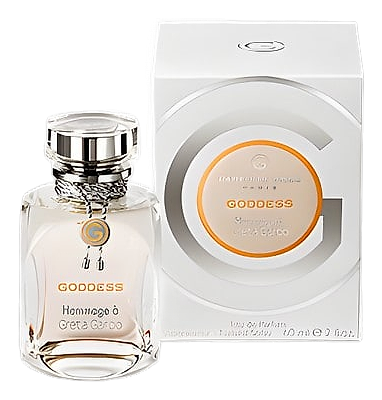
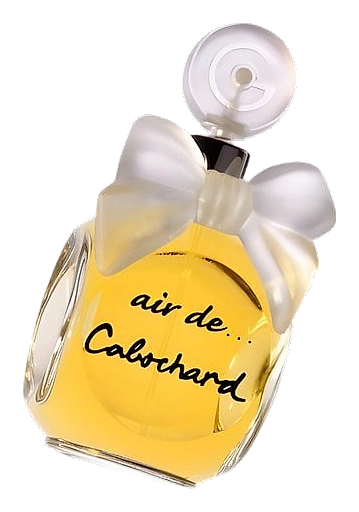
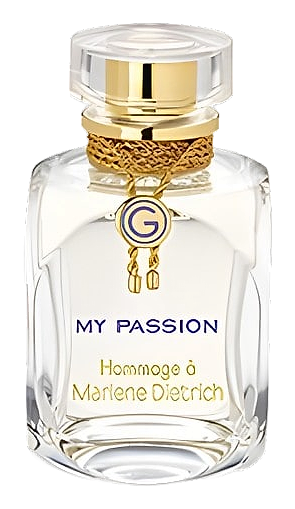
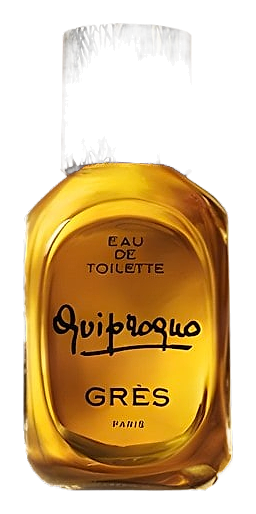
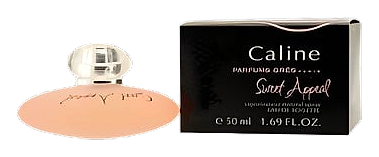
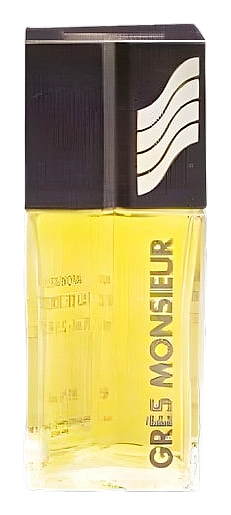
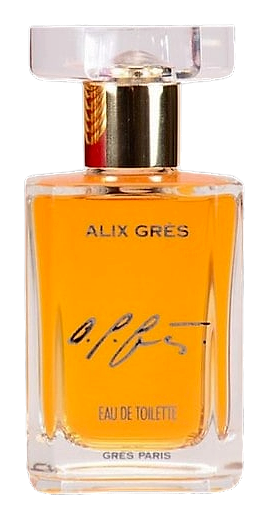
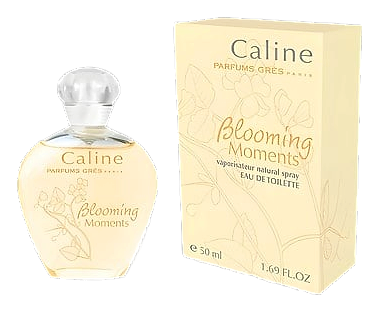
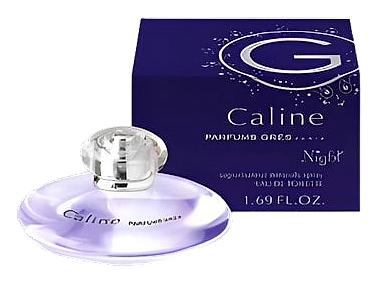
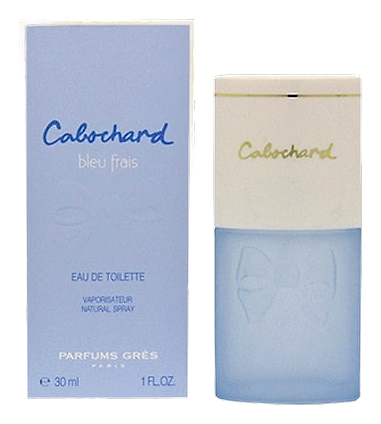
Parfums Grès grew out of the couture house founded by Germaine Emilie Krebs, known first as Alix Barton and later as Madame Grès. She began designing in the 1930s and, in 1942, sold her shares in Maison Alix to establish her own maison on Rue de la Paix in Paris, an act of independence that set the tone for everything that followed. The couture house closed during the Second World War and reopened in Paris in 1945, rebuilding its reputation through Madame Grès's signature Grecian draping, a technique she treated as architecture for the body. The fashion side built legends; the fragrance side would soon follow. In 1958, the house unveiled its signature perfume, Cabochard, a green chypre composed by Bernard Chant that became a cornerstone of postwar French perfumery. Over the following decades, the brand expanded its wardrobe of scents, from the romantic Cabotine line to the more sculptural Monsieur and the modern Homme de Grès, each one extending the couture vocabulary into olfactory form. The fashion house ceased operations in the 1990s, but Parfums Grès endured. It has been under Swiss ownership since 2001, continuing to release fragrances while honoring the founder's uncompromising creative standards. Today, it stands as one of the rare perfume houses whose lineage leads directly back to a couturier, not a perfumer. Madame Grès believed in discipline, silence, and the supremacy of form. She treated cloth the way a sculptor treats marble, removing everything unnecessary to reveal a pure line. That same reductive instinct shaped the perfume house she left behind. Parfums Grès operates on a simple conviction: a great fragrance should feel tailored. Each composition is built around a central idea, a single posture, whether it is the poised confidence of Cabochard, the playful femininity of Cabotine, or the fresh clarity of Caline. The house does not chase trends; it edits them. This is also a house comfortable with reinvention. Recent years have seen quieter, more conceptual releases such as État de Grace, Pièce Unique, and Lumière d'Orient, suggesting a willingness to explore modern oud and amber territory while keeping the brand's classical spine intact. The roster of perfumers, including Christine Nagel, Michel Almairac, Thierry Wasser, Marie Salamagne, and Nathalie Lorson, reflects a deliberate pairing of established voices with newer talents, each entrusted to interpret rather than reinvent the house codes. Underneath it all runs an old-fashioned idea: perfume, like couture, is a craft of patience, precision, and restraint.