The Story
Why it exists.
The beginning
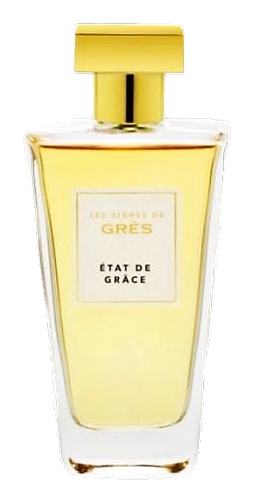
Karine Dubreuil-Sereni wanted to build a particular amber, one that left a trail unlike the usual suspects. Launched in 2017, État de Grace translates that ambition into a composition that balances warm oriental depth with an aromatic freshness borrowed from the Mediterranean light Madame Grès loved. The name itself is the concept: a state of grace, an elevated elegance that doesn't announce itself. Rose and sandalwood echo the house's couture legacy, fabric draped on skin, shaped without squeezing.
What sets État de Grace apart is the way its cool and warm halves coexist without fighting. Rosemary and violet open the composition with an herbal, almost cool mineral quality. Bulgarian rose and cinnamon arrive next, warming the air without sweetening it. The real architecture lives in the base: amber and labdanum create a honeyed resinous depth, while patchouli and white woods keep the whole thing from tipping into heaviness. It's Oriental restraint, bold material, measured hand.
The evolution
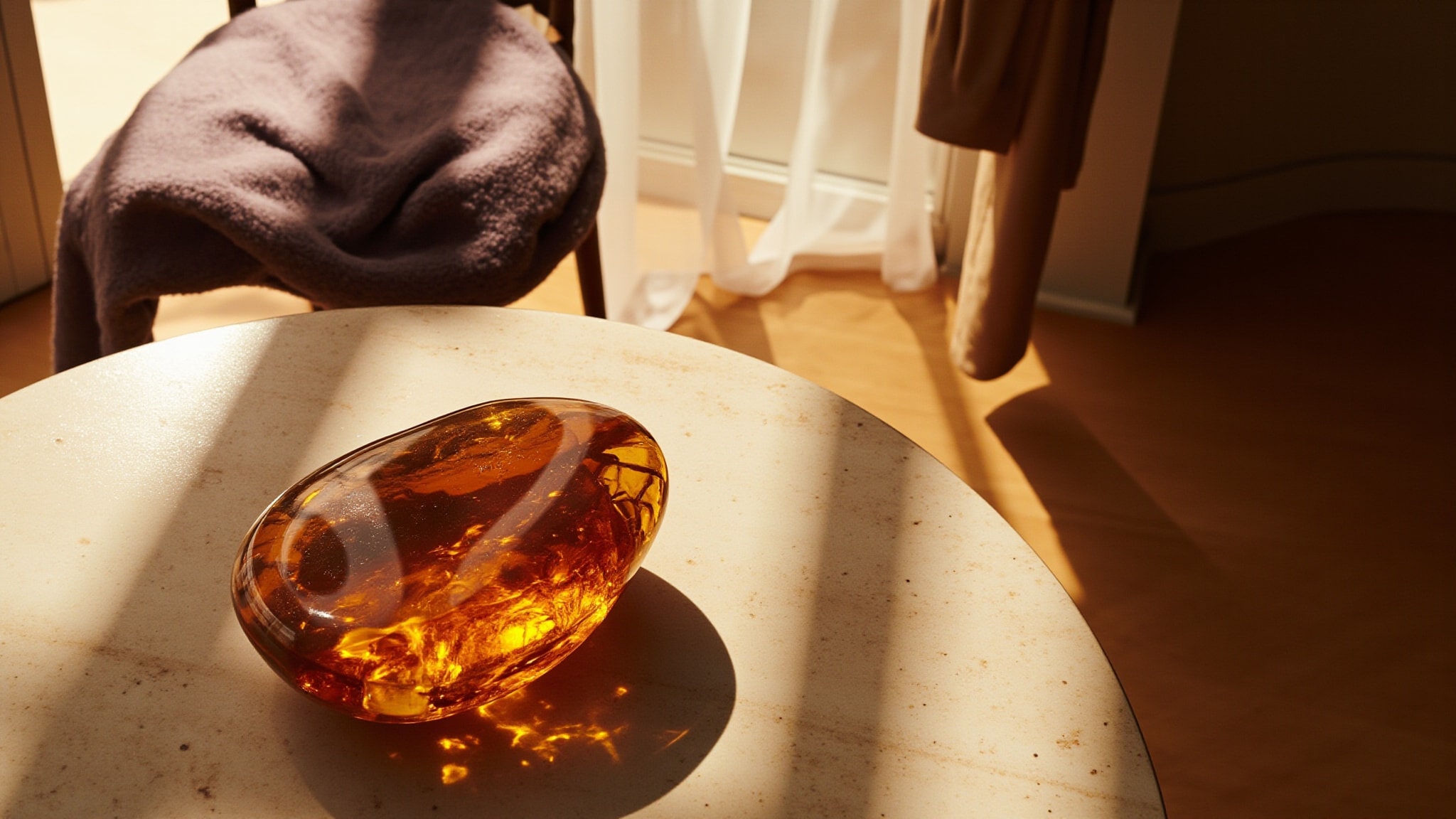
The opening is cool and aromatic. Rosemary hits first, green and slightly camphoraceous, quickly joined by violet's powdery softness and bergamot's citrus lift. Within minutes the heart takes over, Bulgarian rose blooming in place, cinnamon threading warmth through the florals without making them sweeter. The drydown is where it earns its name. The rose and spice fade; amber and labdanum remain, resinous and honeyed, settling against patchouli and white woods in a warm, close embrace. On most skin, the cinnamon announces itself for the first few hours, then yields to amber as the dominant note through the long quiet finish.
Cultural impact
État de Grace arrived in 2017 from Grès, the historic French couture house founded by Madame Grès in the 1930s. The launch came during a period when warm amber compositions were experiencing a renewed appreciation among fragrance enthusiasts seeking alternatives to the lighter, aquatic trends that dominated the preceding decade. The Mediterranean sensibility that perfumer Karine Dubreuil-Sereni brought to the composition reflected a broader cultural interest in materials that evoke sun-drenched landscapes and herbal landscapes. The fragrance's placement within a couture house gave it cultural context that niche-only releases lacked, connecting it to conversations about heritage, craftsmanship, and the enduring appeal of amber in perfumery.