The Story
Why it exists.
The beginning
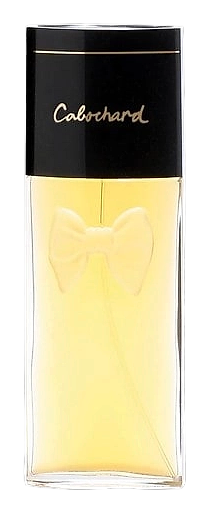
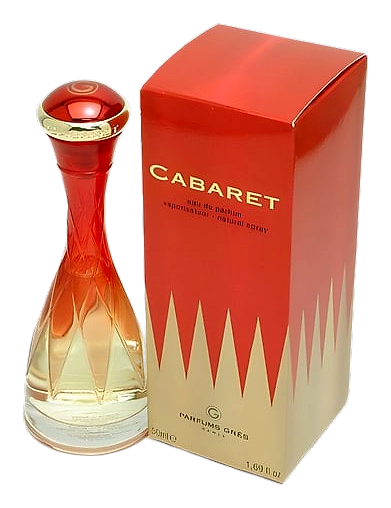
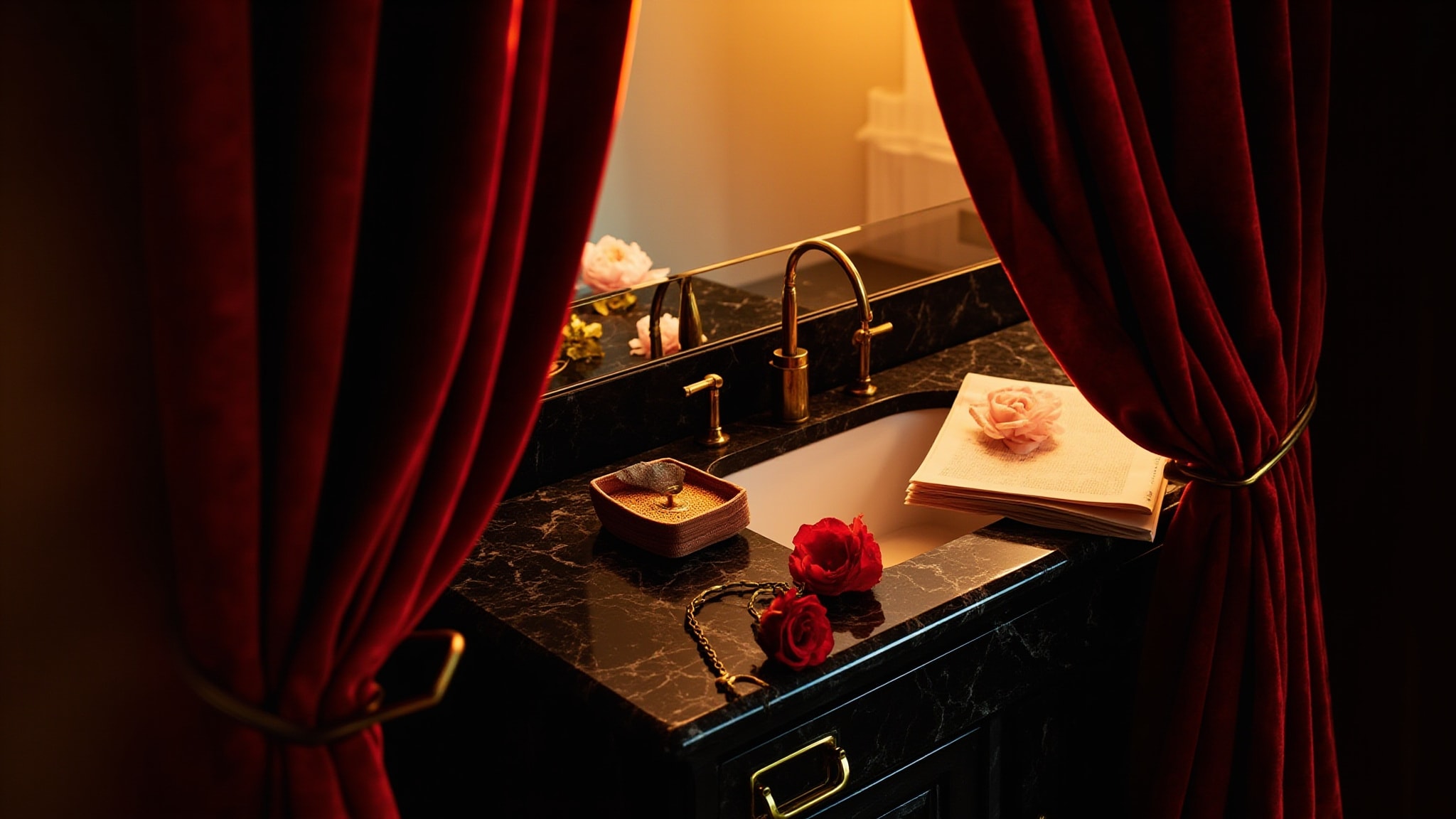
Cabaret was born from a metaphor: the French cabaret, that mystical stage where performers become larger than life through costume, light, and presence. Michel Almairac designed this fragrance in 2002 as a counterpoint to the minimalism dominating perfumery at the time. Where others stripped back, Cabaret leaned in, building a bold rose at its center, surround it with peony and lily of the valley, then anchoring the theatricality in incense, iris, and violet for a smoky, powdery drama. The base of musk, sandalwood, and patchouli grounds the spectacle in something intimate. As if the stage lights dimmed but the warmth remained. The name is not casual. Cabaret carries the weight of performance, the ritual of becoming someone else, or perhaps becoming more of who you already are. Almairac called it a cabaret life, and the fragrance delivers exactly that: a parade of florals, a smoky interlude, and a warm close that stays close to the skin.
The key to Cabaret's structure is the tension between its florals and its incense. Peony and lily of the valley bloom against a smoky backdrop, an unusual pairing that gives the heart its theatrical character. The oleander in the base adds a slightly bitter, almost green edge that prevents the composition from becoming saccharine. Frankincense and iris create a smoky, powdery bridge between the bright opening and the warm, woody landing. It is this middle passage, not quite floral, not quite resinous, that makes Cabaret distinctive. That is where the cabaret happens: between the obvious notes, in the space where performance becomes presence.
The evolution
The opening is immediate and confident. Rose announces itself without apology, joined by peony and lily of the valley in a trio that reads bright and slightly sweet. This phase lasts roughly 20 to 30 minutes before the hand-off begins. The heart is where Cabaret earns its name. Incense rises through the florals, adding a smoky, slightly resinous dimension that transforms the composition from a garden into a stage. Iris and violet bring powdery texture, and together these notes create a middle passage that feels theatrical but controlled, like a spotlight that knows exactly where to land. The drydown is warm and woody. Sandalwood and amber settle into the skin, with patchouli and musk leaving a trace that stays intimate and close. On most skin types this phase holds for 6 to 8 hours. The next morning there is still something there, a faint powdery warmth on fabric, the ghost of a performance that did not want to end.
Cultural impact
Cabaret arrived in 2002 as a quiet statement against the minimalist floral wave. Rather than stripped-back transparency, it offered drama, a rose that performed rather than whispered. The fragrance found its audience among those who appreciate craft over convention, and it remains a reference for anyone seeking a rose with real presence and a drydown that outlasts the workday.