    Brand Profile

    Jean Patou was a French couturier who built a perfume house from his couture practice in Paris. Born in Normandy in 1887, he worked in his f…More

    France·Est. 1914

    3.9

    Rating

    50
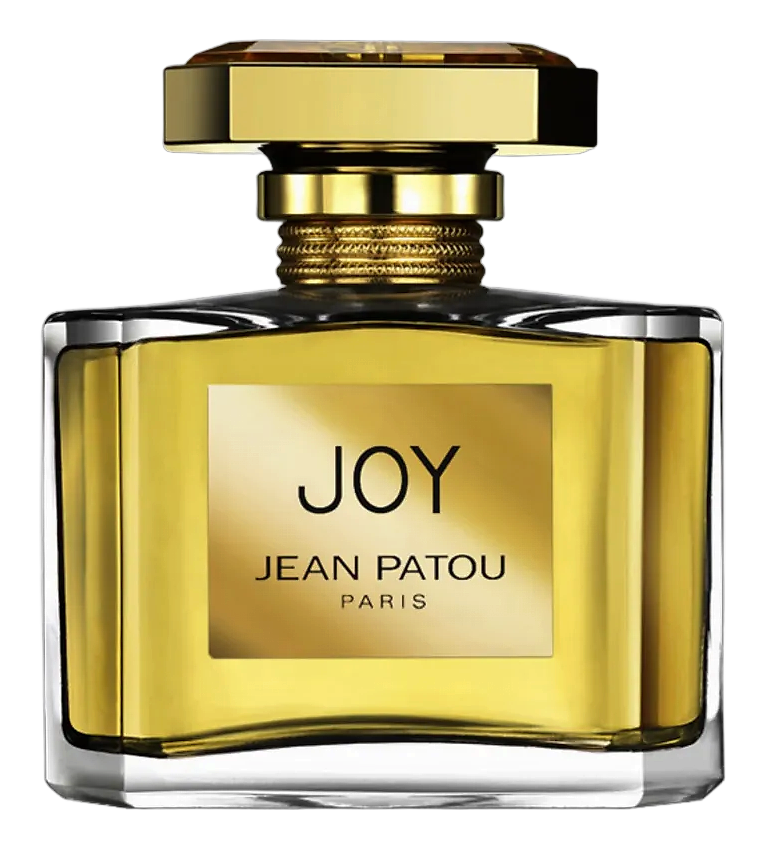
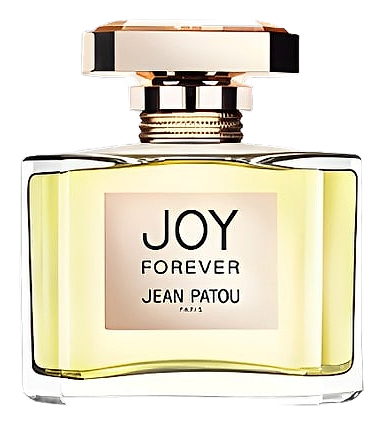
    Joy by Jean Patou – Eau de Parfum
    3.9

    Joy

    Eau de Parfum

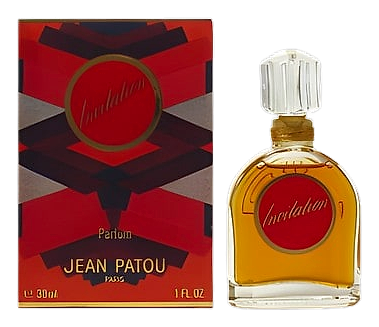
    Invitation by Jean Patou
    Best Seller
    4.9

    Invitation

    Lasso by Jean Patou
    Best Seller
    4.6

    Lasso

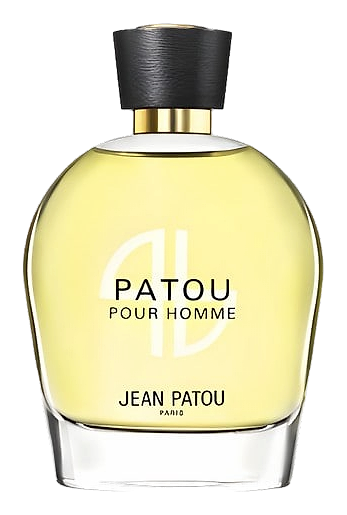
    Patou pour Homme by Jean Patou
    Best Seller
    4.6

    Patou pour Homme

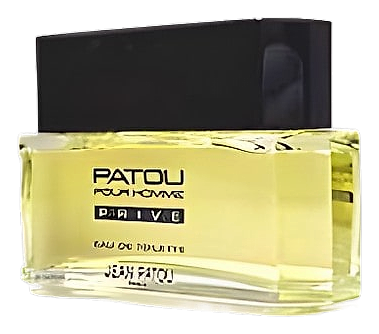
    Patou Pour Homme Prive by Jean Patou
    4.6

    Patou Pour Homme Prive

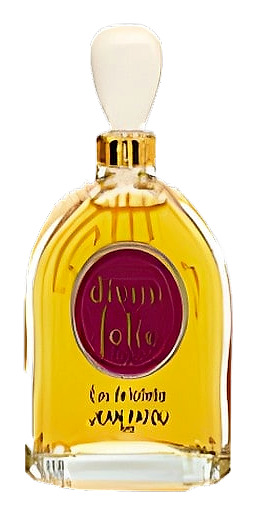
    Divine Folie Parfum by Jean Patou
    4.5

    Divine Folie Parfum

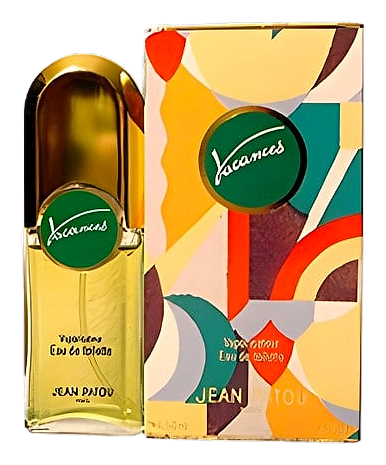
    Vacances by Jean Patou
    4.5

    Vacances

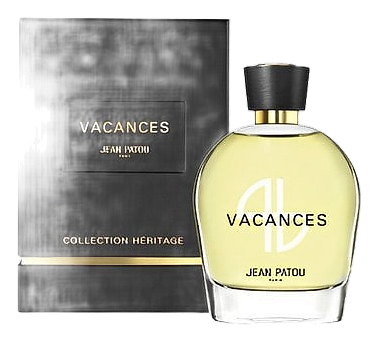
    Collection Heritage Vacances by Jean Patou
    4.5

    Collection Heritage Vacances

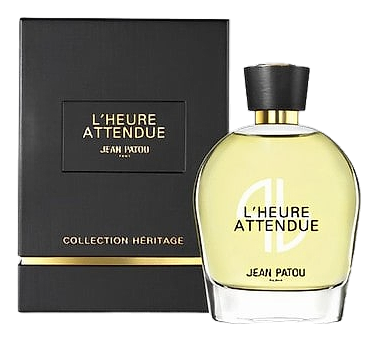
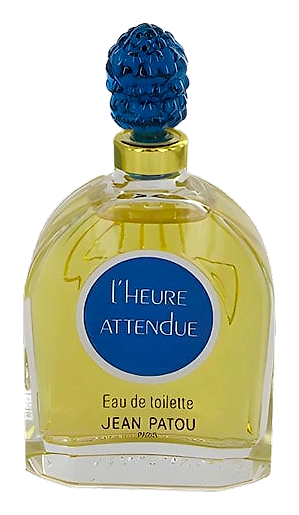
    Collection Heritage L'Heure Attendue by Jean Patou
    4.4

    Collection Heritage L'Heure Attendue

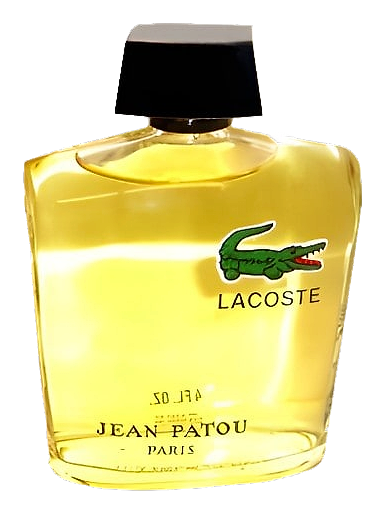
    Lacoste by Jean Patou
    4.4

    Lacoste

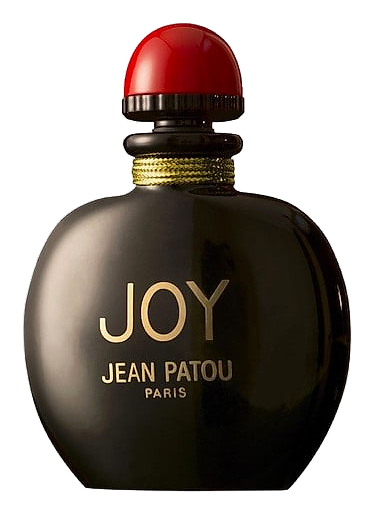
    Joy Collector's Edition Pure Perfume by Jean Patou
    4.4

    Joy Collector's Edition Pure Perfume

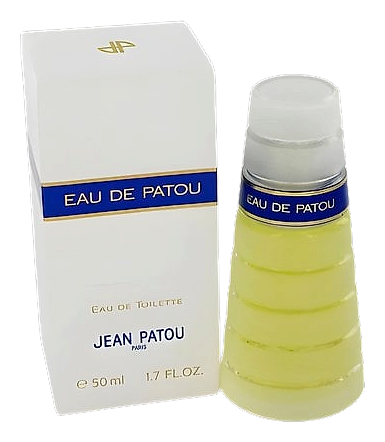
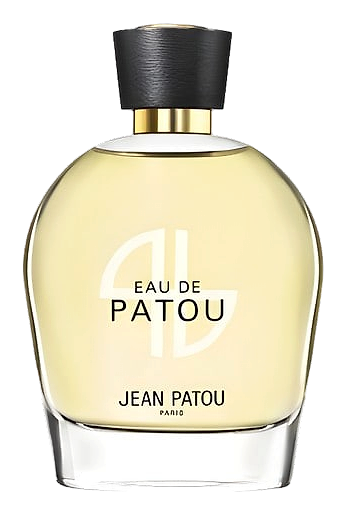
    Eau de Patou by Jean Patou
    4.4

    Eau de Patou

    1 of 5

    The Heritage

    The Story of Jean Patou

    Jean Patou was a French couturier who built a perfume house from his couture practice in Paris. Born in Normandy in 1887, he worked in his family's tannery business before establishing his fashion house in Paris in 1914. His approach centered on sporty, modern elegance, and he was among the first to introduce suntan preparations when he recognized his clients' newfound enthusiasm for sun and active summer leisure. His perfume collection launched in 1925 with three fragrances created by perfumer Henri Alméricas. The house produced signature scents across decades, from the jasmine-rich Joy (1932) to the sporty Lacoste (1967) and the effervescent Eau de Patou (1976). In 2019, LVMH acquired the house, and production of Patou fragrances was discontinued, leaving collectors and fragrance enthusiasts seeking remaining bottles.

    Heritage

    Jean Patou's story winds from a tannery in Normandy to the heart of Parisian couture. The family trade in leather prepared Patou with a deep understanding of materials and craftsmanship that would serve him in fashion and eventually fragrance. He moved to Paris and established his couture house in 1914 at the age of 27, joining a generation of designers reshaping women's fashion after World War I. His vision was athletic and modern, dressing clients for an active life including skiing and tennis. He popularized shorter hemlines for the beach and pioneered what would become leisurewear. When Patou turned his attention to fragrance, he collaborated with perfumer Henri Alméricas for that first collection of three scents in 1925. Designer Louis Süe created the original bottle. Patou understood that perfume extension was essential for a couture house, offering clients an aromatic presence beyond what they wore. The house became known for Joy, a towering jasmine and rose composition that remains legendary among fragrance connoisseurs, and Vacances, capturing the freedom of Mediterranean escapes. His men's line included Patou pour Homme (1980) and later Patou Pour Homme Privé (1994). By 2014, the Heritage Collections revisited ignored gems from the archives, including Vacances (originally 1936) and L'Heure Attendue (originally 1947). LVMH acquired the house in 2019 and discontinued perfume production, cementing these scents as artifacts of a distinctly French vision of elegance and insouciance.

    Craftsmanship

    Jean Patou perfumes showcase refined raw materials and intentional composition. Joy exemplifies this with a concentrated jasmine and Bulgarian rose heart that creates both radiant freshness and substantial presence. Vacances, both original and Heritage reissue, demonstrates Patou's talent for translating summer into olfactory form, balancing citrus brightness with warm, floral depth. Lasso (1956) showed the house could work in different registers, while Patou pour Homme (1980) brought that sporting elegance to men's fragrance. The Heritage Collections, released in 2014, revisit formulas from the house archives with contemporary precision. Vacances (labeled Collection Heritage) takes the 1936 original and applies updated methods while preserving the spirit. L'Heure Attendue (1947) receives similar treatment, allowing modern wearers to experience compositions that might otherwise remain footnotes. The perfumers working within the Patou atelier tradition treat each fragrance as a discrete study, balancing historic relevance with contemporary skin chemistry. Ingredients are processed to maintain quality across batches, and formulations undergo stability testing to ensure consistency. The process respects the original aesthetic while ensuring wearability. When LVMH discontinued production in 2019, it ended a system of fragrance creation tied directly to fashion house traditions rather than standalone perfume manufacturing. Collectors now treasure remaining bottles as examples of a particular approach: full-bodied florals, careful balance, and the sporting ease that defined the Patou woman.

    Design Language

    Jean Patou's visual identity reflects both couture heritage and sporting ease. The original perfume bottles, designed by Louis Süe in 1925, established a visual language of restrained elegance appropriate for a couture house. Subsequent releases maintained this sense of occasion without excessive ornamentation. Vacances, launched in 1936, brought a summery sensibility to packaging, using color and form to evoke coastal leisure. The Heritage Collection releases (2014) modernized historic designs while preserving period-appropriate details, demonstrating how heritage can inform contemporary aesthetics without becoming pastiche. Each fragrance has distinct packaging rather than conforming to a single house template, reflecting Patou's understanding that scent and presentation must align. The logo and wordmarks carry a typographic tradition from the fashion house. Advertising imagery emphasized women in motion, environments of sun and sea, and moments of unforced enjoyment. The house aesthetic is neither purely Parisian formal nor deliberately casual. It occupies the territory between them, the elegant ease of someone who has dressed for both the yacht and the tennis court. Packaging uses quality materials without ostentation. Bottles have weight and presence. The overall effect remains cohesive across decades despite the variety of designers and perfumers involved.

    Philosophy

    The Patou philosophy centered on sporty modernity. Patou believed women should move freely and dress for activity, not just observation. He designed for the tennis court and sunny terrace, introducing relaxed knits and shorter silhouettes when others remained restrictive. ThisAthletic sensibility informed his fragrance direction. While Joy represented the ultimate in floral opulence, other Patou scents suggested ease and movement. Vacances evoked warm coastal air and unhurried afternoons. Lacoste honored a partnership with the tennis apparel brand, translating sportswear's clean lines into scent. The tannery background shaped his aesthetic too. Leather and skin share a common vocabulary of texture and wear, and Patou understood how fragrances could become like a second skin,贴身 and intimate. His perfumes were never precious or standoffish. They had vitality. The house was always Paris but never stiff. Joy's excessive jasmine concentration (over 10,000 jasmine blossoms per ounce of absolute reported by some fragrance historians) demonstrated that opulence could still feel alive rather than overwhelming. When Patou went discontinued in 2019, it ended a fragrance philosophy that prioritized presence over projection, intimacy over announcement. The perfumes ask to be discovered rather than declared.

    Key Milestones

    1887

    Jean Patou born in Normandy, France, into a family tannery business

    1914

    Establishes his Haute Couture house in Paris at age 27

    1925

    Perfume business launches with three fragrances created by Henri Alméricas; Louis Süe designs the bottles

    1936

    Vacances released, capturing Mediterranean leisure and summer freedom

    1967

    Lacoste fragrance debuts, a partnership extending the sporty ethos into scent

    1976

    Eau de Patou becomes a signature of bright, approachable elegance

    At a Glance

    Brand profile snapshot

    Origin

    France

    Founded

    1914

    Heritage

    112

    Years active

    Collection

    1

    Fragrances released

    Avg Rating

    3.9

    Community sentiment

    Release Rhythm

    2016
    1
    2015
    2
    2014
    7
    2013
    3
    2002
    1
    2001
    2
    1998
    2
    1995
    1

    Did You Know?

    Interesting Facts

    Distinctive details and defining moments that shape the house personality.

    01

    Patou was among the first fashion houses to introduce suntan products in the 1930s, anticipating the cultural shift toward sun exposure as a sign of health and leisure

    02

    Joy perfume reportedly contains over 10,000 jasmine blossoms per ounce of absolute, making it one of the most concentrated floral fragrances ever produced

    03

    The original three Patou perfumes (1925) were all created by Henri Alméricas, the same perfumer associated with Jean Patou's early fragrance success

    04

    Jean Patou reportedly died in his Paris apartment, discovered unresponsive at home

    05

    The Heritage Collection (2014) brought renewed attention to ignored compositions from the house archive, treating original formulas as worth preserving rather than disposable

    The Artisans

    The Perfumers