
The Story
Why it exists.
The beginning
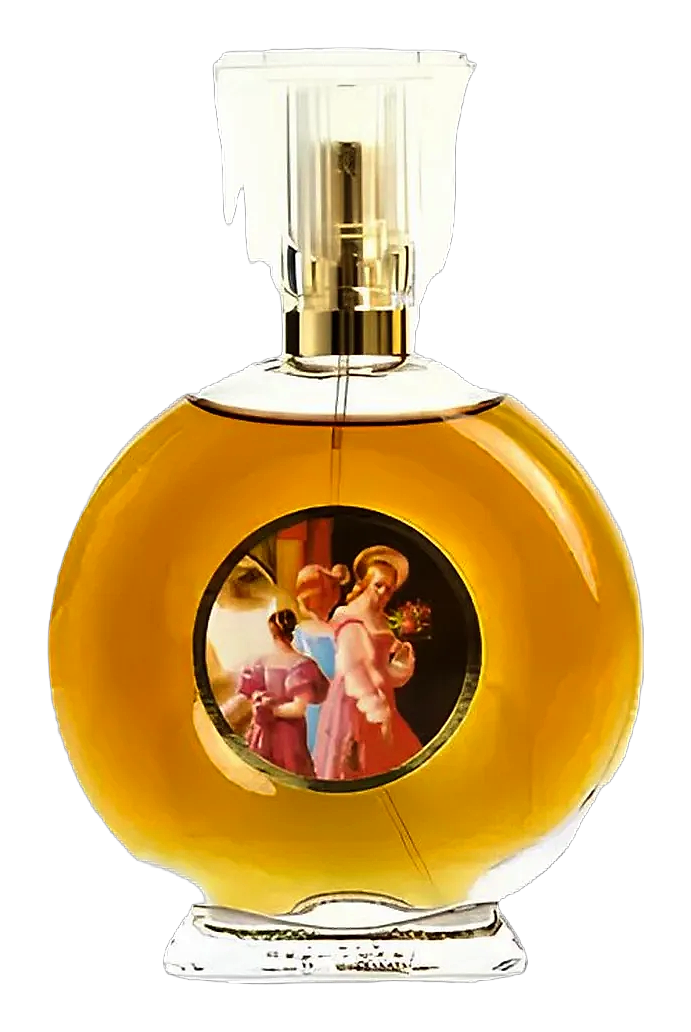
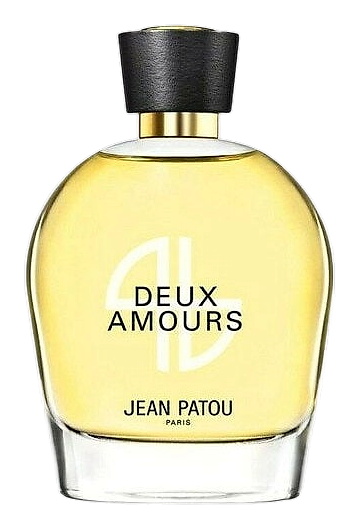
Thomas Fontaine composed Deux Amours in 2014 as part of Jean Patou's Heritage Collection, a reissue of the house's original Amour Amour. The name itself is a declaration: 'two loves' in French, echoing the romantic tradition that runs through the house's identity. Fontaine worked within a storied structure, reviving a formula that had already won devotion across decades. The composition opens with a bright, shimmering floral heart that feels both timeless and immediate, rose and jasmine intertwine with a powdery softness that recalls classic French perfumery. As the initial burst settles, deeper notes of sandalwood and warm resinous accords emerge, giving the fragrance a creamy, enveloping quality that lingers on the skin. Two loves: the original, and the new audience discovering it.
What makes Deux Amours structurally unusual is the balance between the powdery and the tropical. Most white floral compositions lean one direction, either crisp and green, or lush and enveloping. Here, ylang-ylang and tuberose share space with rose's inherent powder, and the combination creates something that reads simultaneously intimate and radiant. The styrax base anchors these florals with a resinous warmth that prevents any of them from flying too far into abstraction. It's composition as careful conversation, not competition.
The evolution
The opening arrives bright and brief, bergamot and neroli announce themselves, then yield within minutes to the heart. The handoff is seamless: jasmine rises first, then ylang-ylang thickens the air, then the rose appears like it was always there. The tuberose doesn't rush. It arrives midway through the heart phase and stays, adding a creaminess that the powder notes almost immediately begin to soften. By the fourth hour, sandalwood and styrax have taken over entirely, warm, resinous, and close to the skin. On fabric, Deux Amours outlasts skin by several hours, drydown included.
Cultural impact
Deux Amours occupies an interesting position within the Heritage Collection, it's the reissue that appeals most directly to those who associate powdery florals with a certain kind of French glamour. The original Amour Amour was composed in a tradition of romantic fragrance-making that Jean Patou mastered across decades. The revival brings that tradition forward, offering a rose-dominant floral with a soft, powdery character that feels both nostalgic and current. The fragrance opens with a luminous burst of fresh florals before settling into a warm, creamy base that includes sandalwood and gentle resinous notes.
The House
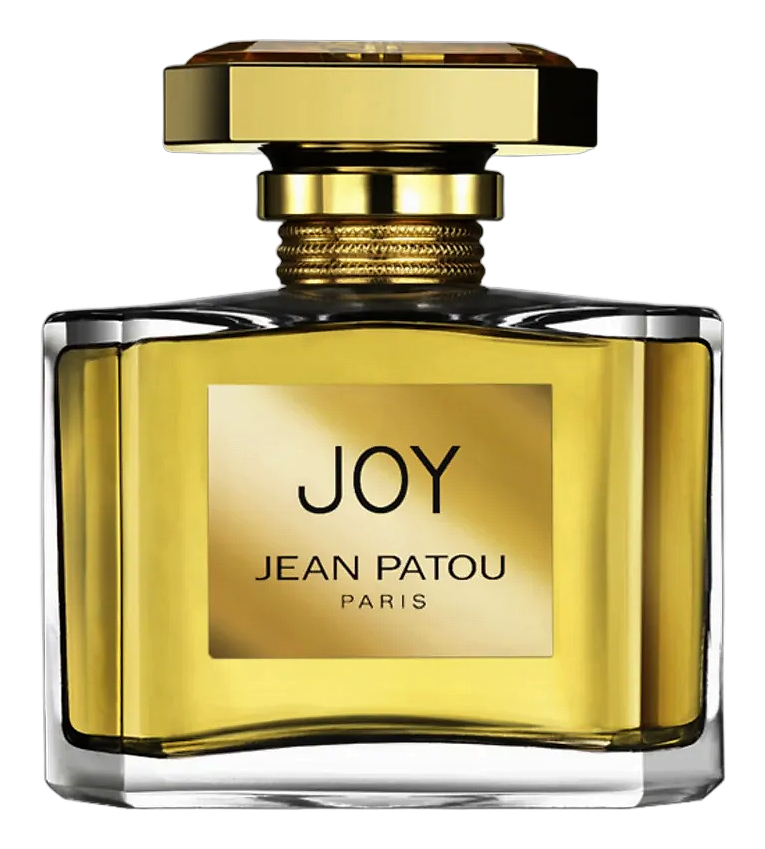
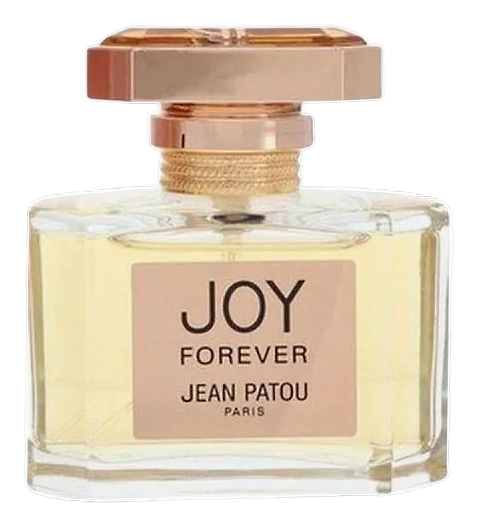
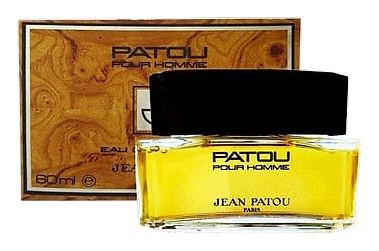
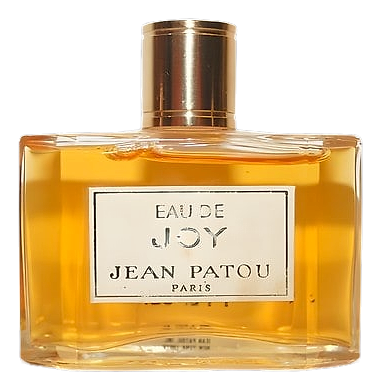
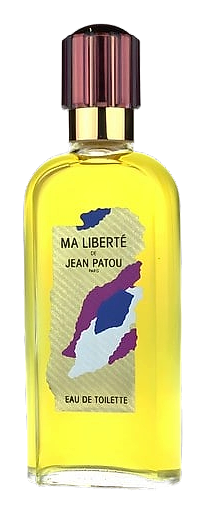
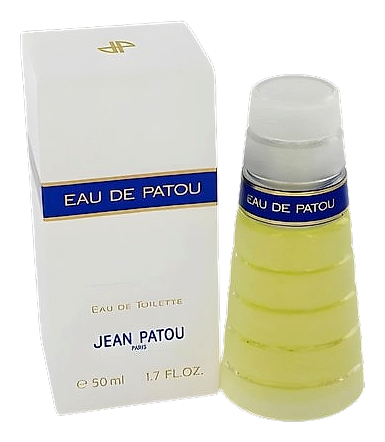
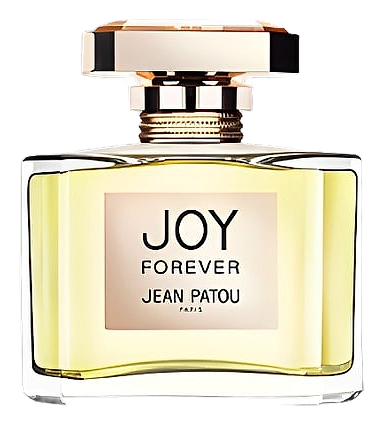
Jean PatouJean Patou was a French couturier who built a perfume house from his couture practice in Paris. Born in Normandy in 1887, he worked in his family's tannery business before establishing his fashion house in Paris in 1914. His approach centered on sporty, modern elegance, and he was among the first to introduce suntan preparations when he recognized his clients' newfound enthusiasm for sun and active summer leisure. His perfume collection launched in 1925 with three fragrances created by perfumer Henri Alméricas. The house produced signature scents across decades, from the jasmine-rich Joy (1932) to the sporty Lacoste (1967) and the effervescent Eau de Patou (1976). In 2019, LVMH acquired the house, and production of Patou fragrances was discontinued, leaving collectors and fragrance enthusiasts seeking remaining bottles.
The Creator
Thomas FontaineFontaine is drawn to natural ingredients and classical perfumery structures, favouring compositions with depth, clarity, and a sense of time embedded within them. He has demonstrated a particular skill with tuberose and rose-jasmine accords, visible across his Jean Patou work,…