
The Story
Why it exists.
The beginning
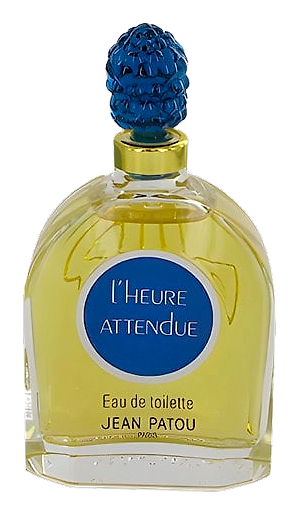
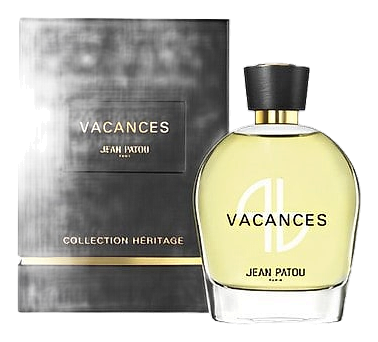
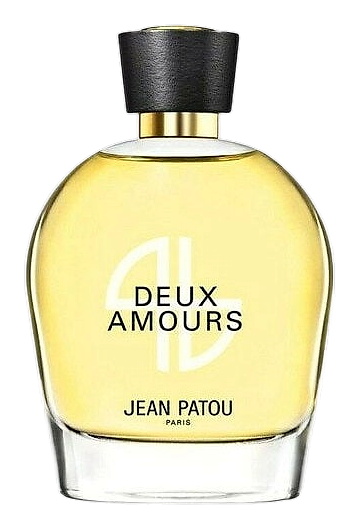
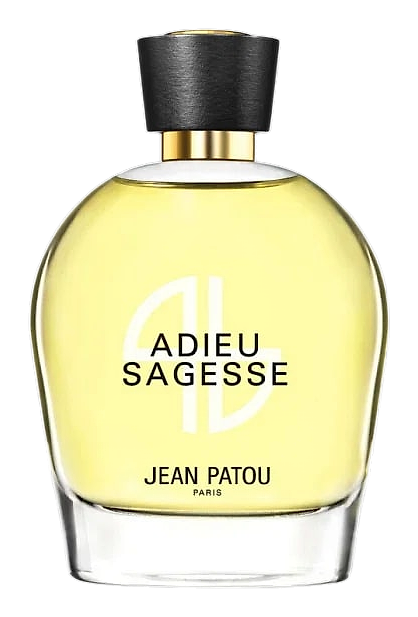
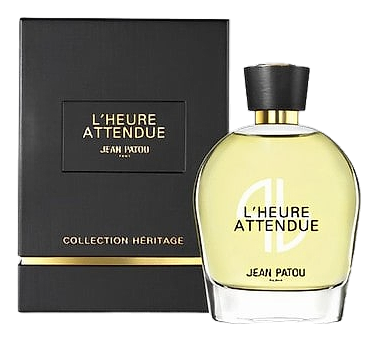
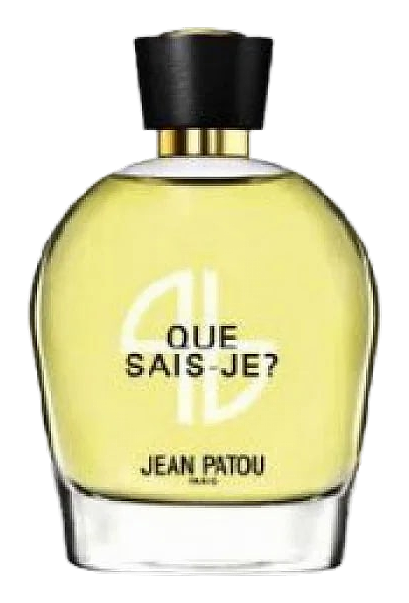
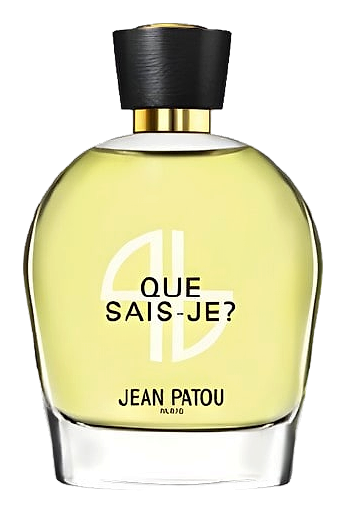
Thomas Fontaine created Que Sais-Je? in 2014 as part of Jean Patou's Heritage Collection, a revival of formulas from the house's archive. The name itself is a nod to Montaigne's philosophical essay, a question about knowledge and certainty. Fontaine worked within the house's legacy of chypre florals, reaching back to what made Patou's earlier compositions distinctive: the ability to pair radiant florals with something warmer, earthier underneath. The Heritage Collection gave him that access, and this is what he built with it.
The carnation-rose-jasmine triad is unusual in modern perfumery. Carnation carries a spicy, almost clove-like warmth that most perfumers either love or avoid entirely, it doesn't sit quietly in a composition. Pairing it with rose and jasmine creates a heart that reads as floral but carries unexpected depth. Add honey on top of patchouli in the base and you have a structure that moves from luminous fruit to warm spice to something that stays close to skin for hours. That's the architecture Fontaine chose, and it gives Que Sais-Je? a staying power that separates it from the typical fruity floral.
The evolution
The opening arrives quickly, apricot and peach burst forward with orange blossom brightening the edges. Thirty minutes in, the carnation announces itself. Not softly. The spice cuts through the sweetness like a dry thread in silk. Rose and jasmine arrive next, rounding the carnation into something more floral than sharp, but the warmth doesn't disappear. It deepens. By the second hour, honey emerges and patchouli settles underneath, keeping everything grounded. The drydown is intimate, honeyed skin, a trace of spice, patchouli that lingers close. On most skin types, it holds for six to eight hours. On dry skin, the opening lasts closer to ninety minutes before the heart takes over, and the base notes arrive as a quiet warmth rather than a statement.
Cultural impact
The 2014 Heritage Collection marked Jean Patou's deliberate return to its archival roots, reviving classic chypre floral formulas from the house's historical library. This release represented a broader industry trend of heritage houses mining their own histories to compete against the rising tide of niche perfumery. Thomas Fontaine's Que Sais-Je? specifically honored the house's legacy of sophisticated, restrained florals that defined 20th-century French fragrance culture. The collection arrived during a period when consumers were growing fatigued by loud, synthetic fragrances and seeking something more nuanced. By reviving archival techniques rather than simply reformulating bestsellers, Patou positioned the Heritage Collection as an educational project, reintroducing younger consumers to the house's original vision. The timing of the 2014 release coincided with renewed interest in vintage aesthetics and craftsmanship, making the collection feel timely rather than nostalgic. Its stone-fruit opening also reflected a shift toward approachable luxury, where traditional elegance could meet contemporary taste without feeling dated.
The House
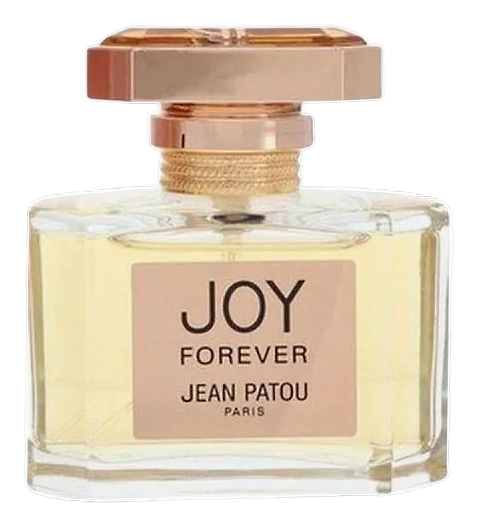
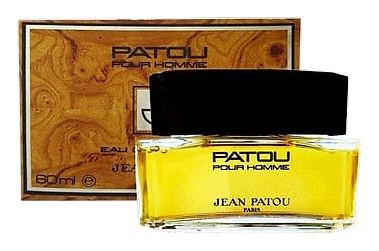
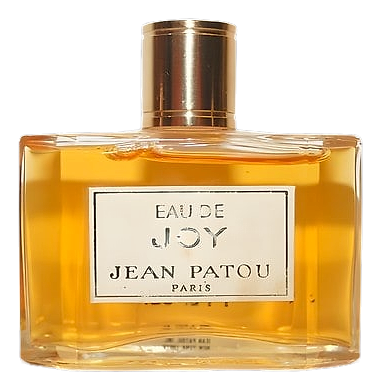
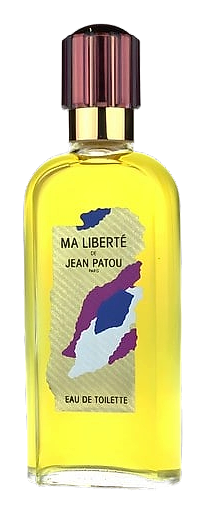
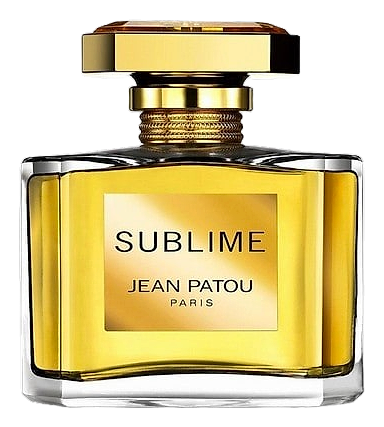
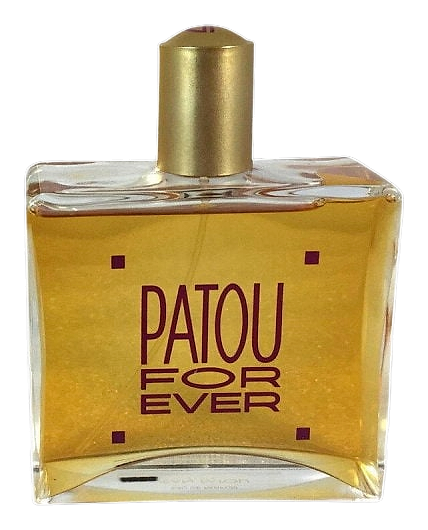
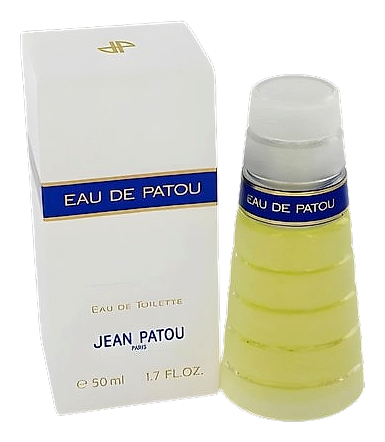
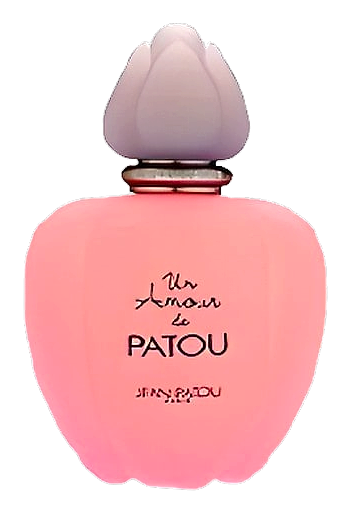
Jean PatouJean Patou was a French couturier who built a perfume house from his couture practice in Paris. Born in Normandy in 1887, he worked in his family's tannery business before establishing his fashion house in Paris in 1914. His approach centered on sporty, modern elegance, and he was among the first to introduce suntan preparations when he recognized his clients' newfound enthusiasm for sun and active summer leisure. His perfume collection launched in 1925 with three fragrances created by perfumer Henri Alméricas. The house produced signature scents across decades, from the jasmine-rich Joy (1932) to the sporty Lacoste (1967) and the effervescent Eau de Patou (1976). In 2019, LVMH acquired the house, and production of Patou fragrances was discontinued, leaving collectors and fragrance enthusiasts seeking remaining bottles.
The Creator
Thomas FontaineFontaine is drawn to natural ingredients and classical perfumery structures, favouring compositions with depth, clarity, and a sense of time embedded within them. He has demonstrated a particular skill with tuberose and rose-jasmine accords, visible across his Jean Patou work,…