
The Story
Why it exists.
The beginning
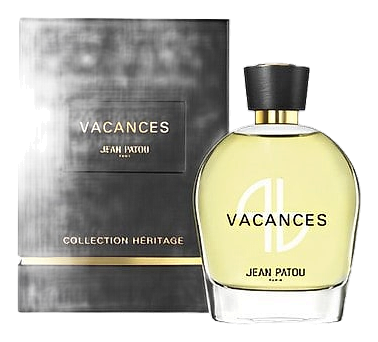
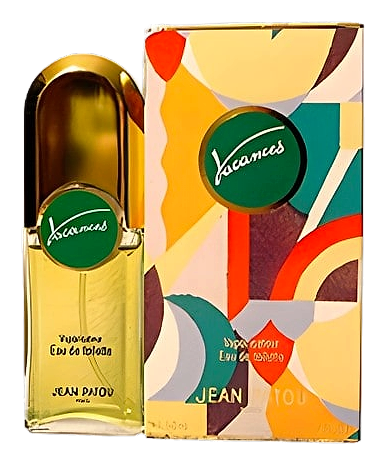
Henri Almeras created Vacances in 1936 as Jean Patou's translation of summer leisure into scent form. The name itself is the concept: Vacances means vacation, and the fragrance was built around the feeling of openness and light. But Almeras didn't reach for obvious vacation imagery, no coconut, no salt spray. Instead, he built from flowers. Hyacinth and hawthorn opened green and bright, lilac and mimosa softened into yellow floral warmth, and a musk base held everything close to the skin. The structure is deceptively simple, especially compared to the opulent floral compositions that would define Patou's Joy. But simplicity, here, was intentional. Vacances was designed to feel like a breeze, present, pleasant, and impossible to outstay.
What makes Vacances unusual is how little it tries to do. Where most Patou fragrances arrive with complexity, layer upon layer of raw materials stacked for presence and longevity, Vacances strips back. Lilac dominates. The collectors community notes it as the defining note, and that's no accident. Almeras built the composition around that specific green-floral character, letting mimosa and galbanum provide structure without competing. Galbanum, in particular, gives the heart its green edge, a slightly bitter, resinous quality that keeps the yellow florals from going sweet. The musk base doesn't project. It lingers.
The evolution
The opening arrives green and slightly sharp, hyacinth's bulbous, almost aquatic freshness sharpened by hawthorn's nuance. Within minutes, the lilac arrives and softens everything. The transition is seamless, the way spring moves into summer without a clear border. By the time you reach the heart, the green has warmed into yellow floral, mimosa's powdery sweetness balanced by galbanum's resinous edge. This middle phase is the fragrance's longest, a quiet interval where the composition breathes and shifts on your skin. The musk base emerges slowly, not replacing the florals but layering under them, adding warmth without weight. What remains after extended wear is intimate and close, a skin scent in the best sense, the kind of fragrance you catch when someone leans in rather than when they enter the room.
Cultural impact
Vacances arrived in 1936 as part of Patou's ongoing fragrance program. Reissues brought Vacances back to contemporary shelves. Collectors and enthusiasts often note its lilac-forward simplicity as both its strength and, for some, its limitation, a Patou that refuses to perform.
The House
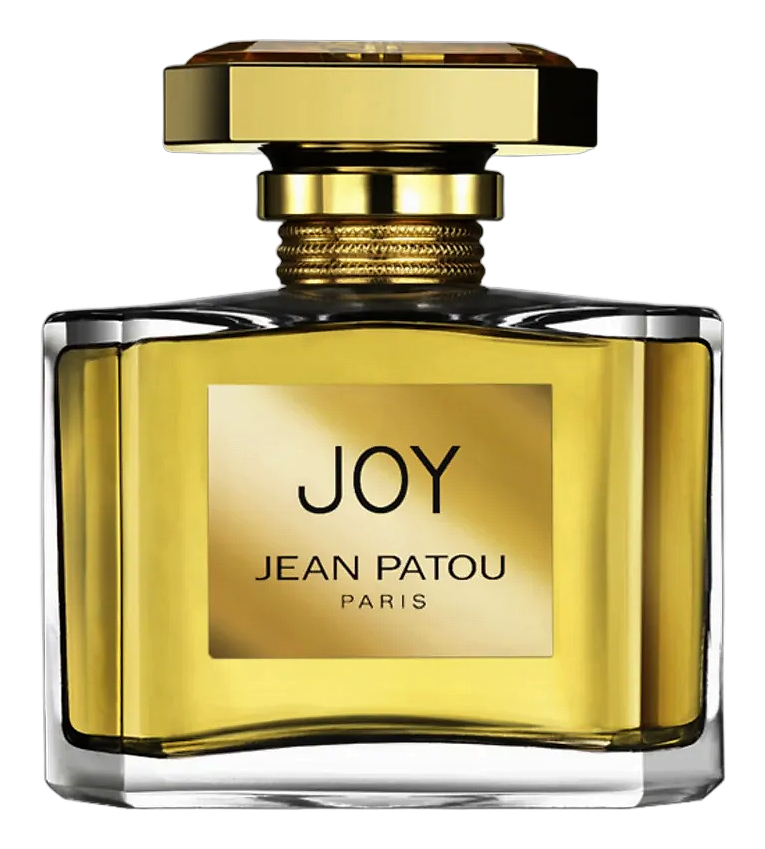
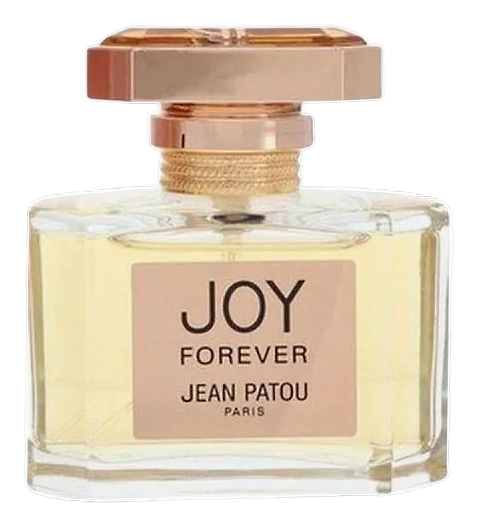
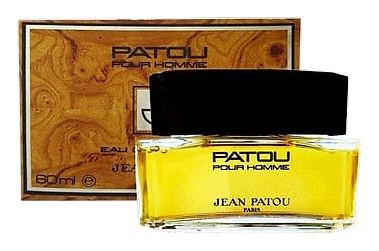
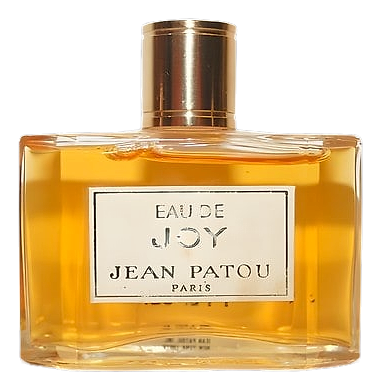
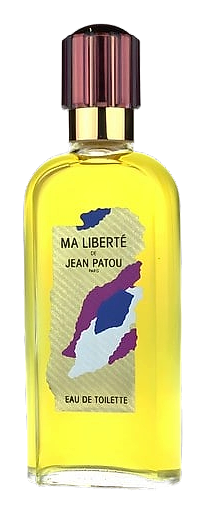
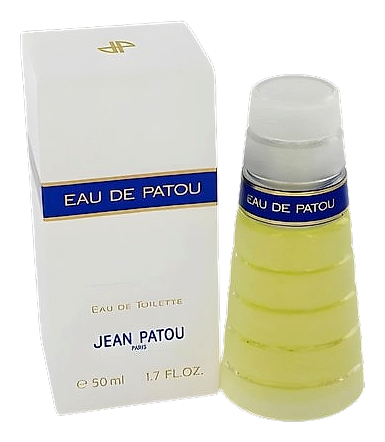
Jean PatouJean Patou was a French couturier who built a perfume house from his couture practice in Paris. Born in Normandy in 1887, he worked in his family's tannery business before establishing his fashion house in Paris in 1914. His approach centered on sporty, modern elegance, and he was among the first to introduce suntan preparations when he recognized his clients' newfound enthusiasm for sun and active summer leisure. His perfume collection launched in 1925 with three fragrances created by perfumer Henri Alméricas. The house produced signature scents across decades, from the jasmine-rich Joy (1932) to the sporty Lacoste (1967) and the effervescent Eau de Patou (1976). In 2019, LVMH acquired the house, and production of Patou fragrances was discontinued, leaving collectors and fragrance enthusiasts seeking remaining bottles.
The Creator
Henri AlmerasHis style favored lush, floral compositions anchored in natural materials. Jasmine, rose, and orange blossom appear throughout his work as signature elements, treated with a richness that bordered on theatrical.