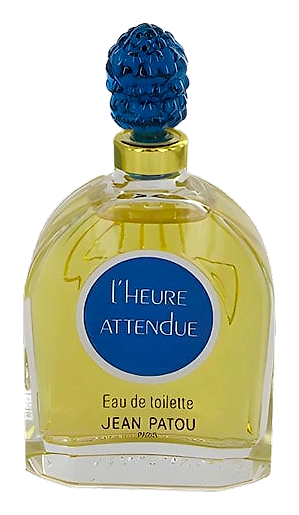
The Story
Why it exists.
The beginning
1946. Paris had been rebuilt, reordered, rediscovered. Couturier Jean Patou, already known for dressing women who moved through active lives, tennis courts, sunlit terraces, open-air everything, turned his attention to a fragrance that captured that particular quality of anticipation. Not arrival. Not memory. The held moment before something begins. Henri Almeras, who had worked with Patou since the house's first perfume collection in 1925, composed it with aldehydes as the structural spine, that waxy, luminous brightness that holds a composition together like a steel frame behind silk. The name was not metaphorical. L'Heure Attendue was built for the moment you stop waiting and step through the door.
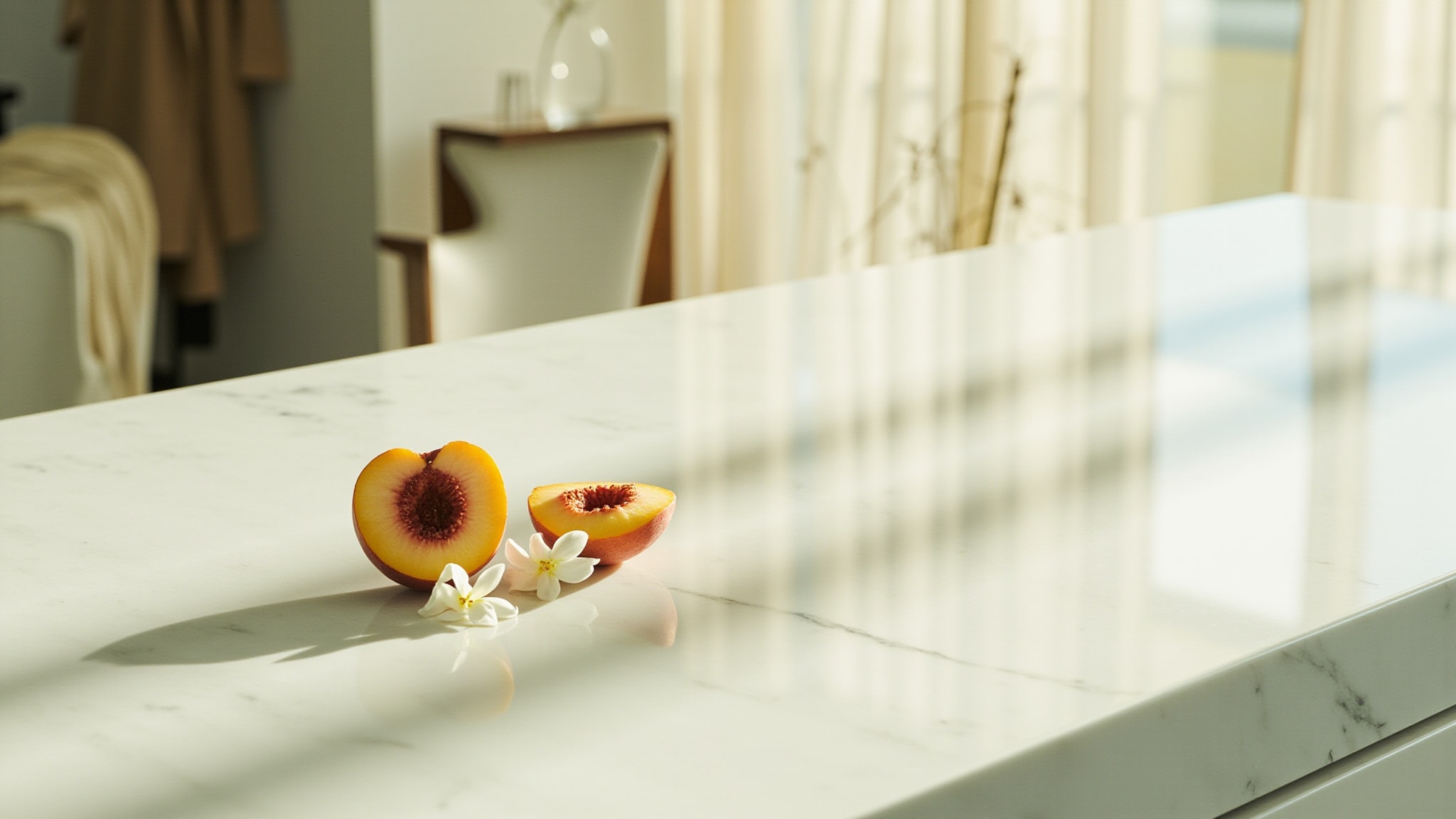
What makes this composition unusual is the way aldehydes and peach coexist in the heart. Aldehydes typically push a fragrance toward cool elegance, think Chanel No. 5, think Guerlain Liu. Here, they don't cool the fruit; they illuminate it. The peach doesn't become jammy or syrupy. It floats, bright and slightly abstract, held in that aldehydic glow like something seen through frosted glass. Ylang-ylang and jasmine round the floral heart into a soft, warm bloom that sits just below the surface of the powder, while sandalwood and patchouli in the base give the drydown staying power without heaviness.
The evolution
The opening arrives quickly, aldehydes don't wait. Mandarin orange and neroli give the first minutes a bright, almost citrus cleanliness before the aldehydes assert themselves fully. There's a waxy, slightly soapy quality here that some find startling if they came in expecting immediate sweetness. Don't mistake it for simplicity. The aldehydes are doing structural work, holding everything in tension. Within twenty minutes the heart opens: jasmine and ylang-ylang lift the peach into something richer, warmer, and the rose threads through without announcing itself, a quiet presence rather than a statement. The drydown begins around the third hour. Sandalwood and amber warm what was bright; patchouli adds a faint earthiness that prevents the powder from becoming dusty. By hour six, the fragrance has settled into a close, warm skin-scent, the kind that rewards proximity rather than projection. On fabric, it lingers well into the next day, faintly floral and powdery, like a memory of a room someone just left.
Cultural impact
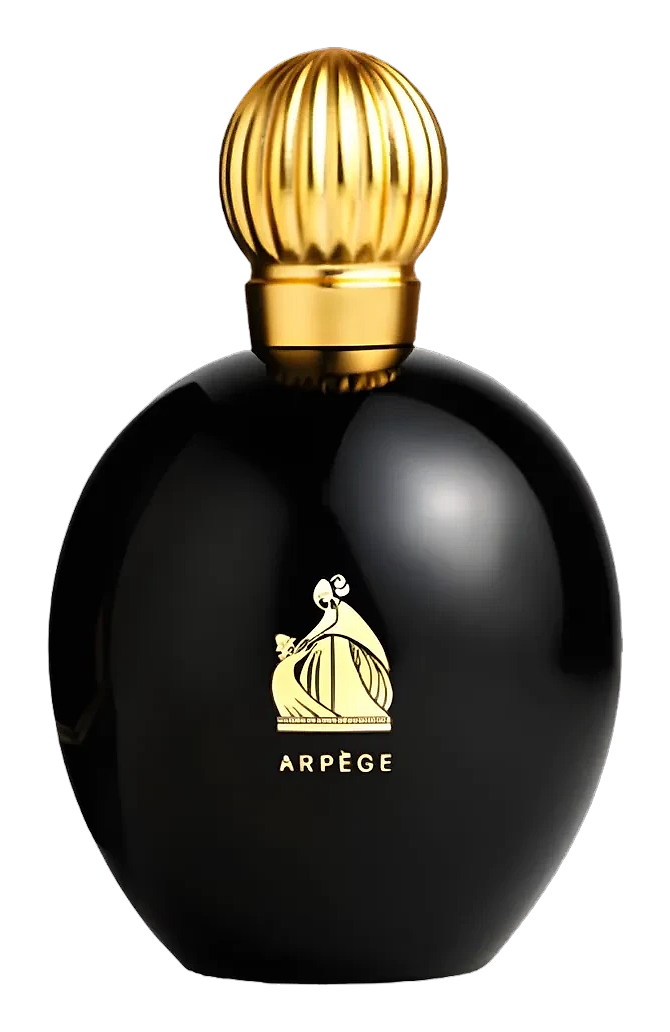
L'Heure Attendue arrived in 1946 as the perfume world was rebuilding after the war's disruption. Jean Patou, known for dressing women with sporty couture elegance, wanted a fragrance that matched that philosophy. Henri Almeras answered with an aldehydic-floral that broke from the sweet pre-war tradition, offering something more abstract and intellectual. This was not a love potion or a statement of luxury for its own sake. It was perfumery as conversation, as craft, as intelligence. The aldehydic trend it joined, Chanel No. 5, Arpège, established a vocabulary that designers still reference. L'Heure Attendue remains lesser-known but deeply appreciated among those who study perfume history.