
The Story
Why it exists.
The beginning
Yves Saint Laurent named this fragrance for the Left Bank of the Seine, the intellectual quarter of Paris where artists, writers, and women who smoked in public without apology gathered in bistros and debated the decade into existence. Introduced in 1971, at a moment when women's roles in society were being publicly, fiercely renegotiated, Rive Gauche arrived in a sleek metal canister that looked like nothing the perfume counter had seen before. The house had built its identity on contrast, the masculine and feminine held in tension, innocence alongside subversion, and Rive Gauche was no exception. Perfumer Daniela Andrier, working within that tradition, constructed the opening with aldehydes and bergamot, two materials that carry a particular cultural weight in French perfumery, referencing a certain Parisian elegance while remaining intentionally sharp.
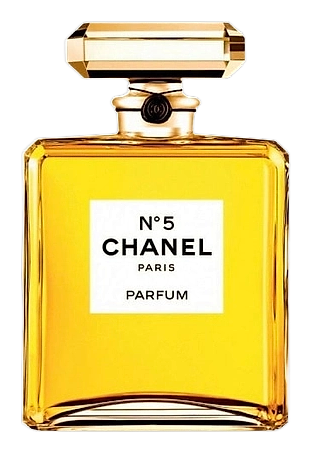
The note choices throughout Rive Gauche reflect a philosophy built on deliberate contrast. The aldehydic opening, derived from the same family of materials that made Chanel No. 5 iconic, signals a connection to the heritage of French feminine perfumery while the addition of bergamot and ylang-ylang pushes the composition in a more immediate, citrus-driven direction. Freesia serves a connective function, bridging the bright opening to the deeper heart with its clean, slightly cool floral character.
The evolution
The story of Rive Gauche EDT begins at the first spray. Aldehydes hit immediately with that characteristic soapy brightness that was almost a signature of an era, followed by bergamot's citrus clarity cutting through like a cool breeze across the Left Bank. Ylang-ylang adds an almost tropical sweetness that gives the opening unexpected richness while freesia introduces a clean, slightly powdery floral note that previews what is to come. This initial fifteen minutes is the fragrance announcing itself with confidence, asking for attention without begging for it. The heart emerges gradually as the aldehydic brightness softens, revealing rose and jasmine in a pairing that feels both timeless and specific to this composition. The jasmine contributes a warm, almost heady depth while rose adds a softer, petal-like quality that keeps the heart from feeling heavy. This is where the fragrance settles into itself, becoming intimate and composed rather than bold and declarative. The drydown marks the true character of Rive Gauche.
Cultural impact
Rive Gauche marked a specific moment in fragrance history, a departure from the delicate florals that had dominated women's scents. The metal canister packaging broke with traditional feminine fragrance presentation, more functional than ornamental. The aldehydic structure and white floral heart represented an alternative approach to feminine scent design. It's kept its identity across multiple reformulations, which is more than most fragrances from its era can claim. The canister's design reflected a different sensibility, one that prioritized substance over convention, making it stand apart from its contemporaries.