The Story
Why it exists.
The beginning
Kuznetsky Bridge is not just a street. It's a crossing point in Moscow's historic center where pre-revolutionary architecture meets Soviet-era density, a place that carries a century of footsteps. That's what this fragrance is named for. Not a postcard version of Moscow, but the actual weight of the city, the layers, the accumulated cold. The perfumer behind this composition worked with the idea of a bridge: connecting something to something else. Citrus opens clean and bright, but the iris is already there underneath, waiting. This is a fragrance about transition, the moment you step outside into cold air and the warmth finds you anyway.
The note structure is deliberately old-fashioned by design, not accident. Iris and oakmoss are the bones of chypre, a family that predates most of what you'll find in a department store today. Here they're paired with tobacco and amber, which gives the whole composition a different kind of weight. Not heavy in the literal sense, but dense with intention. The coriander adds a green, almost bitter edge that keeps the florals from becoming precious. What you're left with is a fragrance that smells like it belongs to a specific place and time, not because it's dated, but because it was built to last.
The evolution
The opening is quick and citrus-forward, bergamot and orange arriving together, sharp enough to cut through a Moscow morning. Within twenty minutes, the florals begin their take over. The lily of the valley stays near the surface, delicate and fleeting, while the iris digs in deeper, becoming the dominant impression. Ylang-ylang adds warmth underneath, but it's the oakmoss that begins asserting itself around the forty-minute mark, that mossy, almost mineral quality that gives chypre its signature. The tobacco doesn't arrive all at once. It creeps in slowly, blending with the amber to create a base that lingers. On fabric, this one holds for most of a day. The drydown is quieter, less about the florals and more about the earthiness, what remains is that oakmoss-tobacco thread, still present even as everything else softens.
Cultural impact
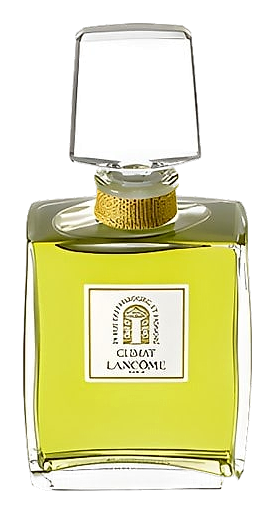
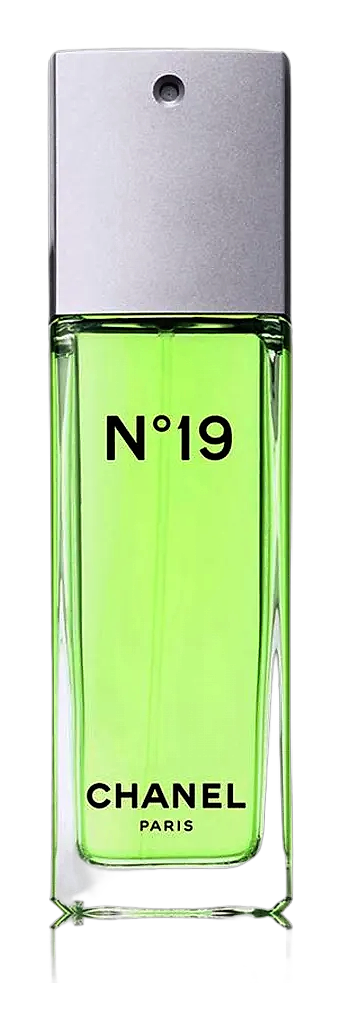
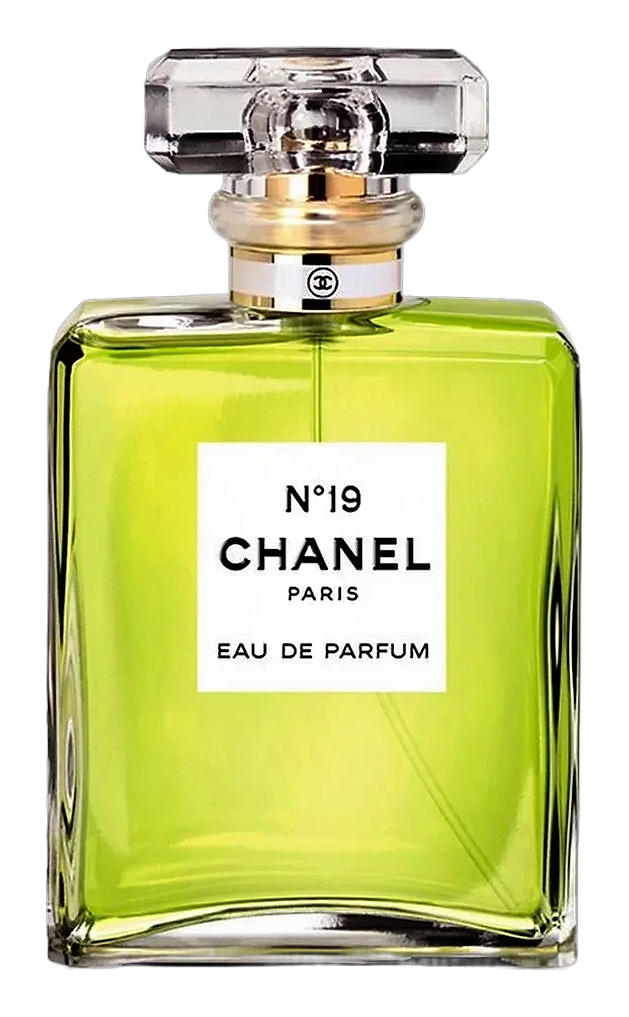
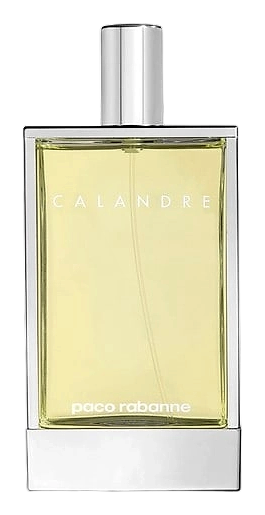
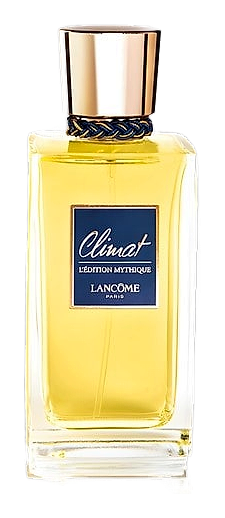
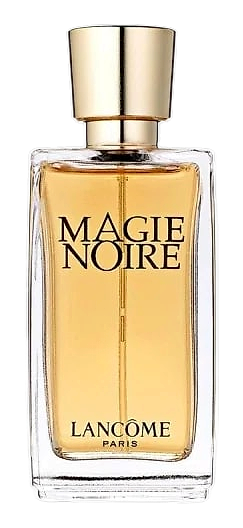
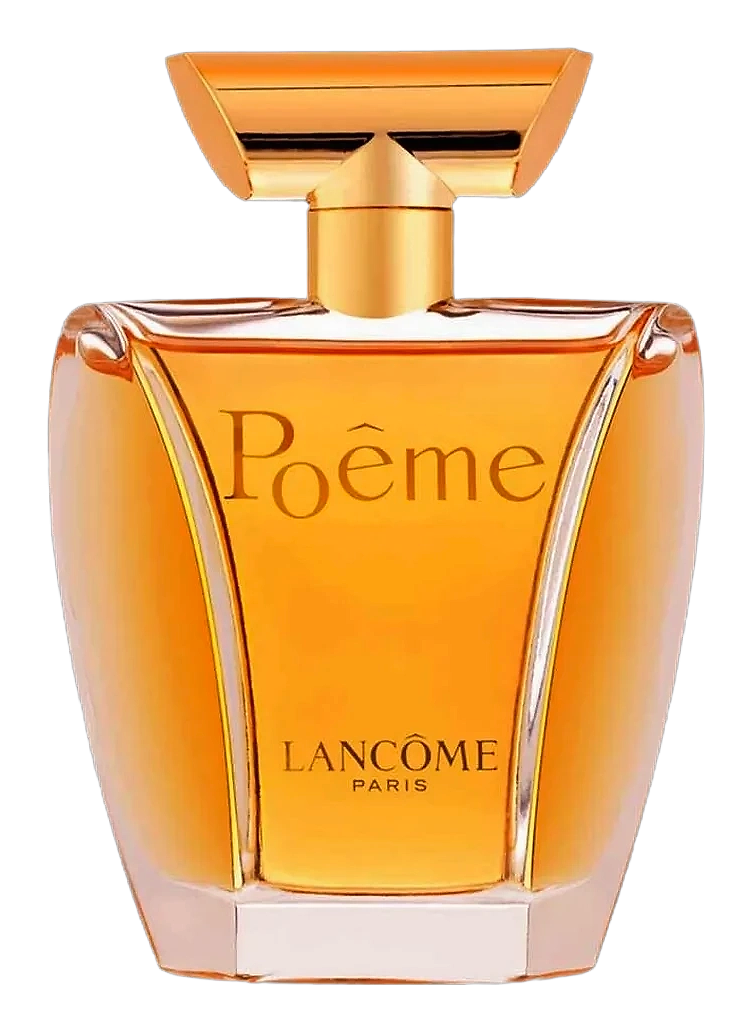
Kuznetsky Most sits at an interesting intersection: a Russian chypre in a market where the category has largely faded. It's not trying to compete with Western niche or designer fragrances, it's operating from a different tradition entirely. For wearers who seek it out, the appeal is specificity. This smells like something. Not a generalized idea of 'floral' or 'fresh' but a particular combination that rewards attention. The iris-tobacco base has drawn comparisons to older Lancôme compositions, which speaks to its structural ambition, it's building something with architectural intent rather than chasing trend.