
The Story
Why it exists.
The beginning
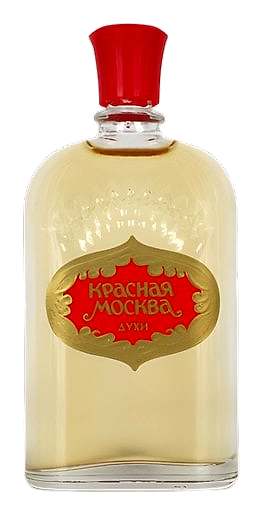
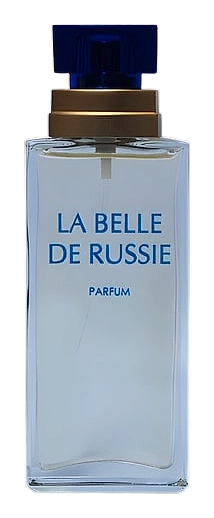
La Belle de Russie launched under the Novaya Zarya house. The name alone, Russian Beauty, in French, says something about the cultural position of the brand. Novaya Zarya treated perfume as cultural expression, not commerce. The blackcurrant and carnation opening creates an immediate impression that is both crisp and warming, the fruit brightness tempered by the spiced warmth of the clove-like carnation. As the fragrance develops, the powdery heart emerges, a soft, almost velvety haze that settles against the skin. The blackcurrant stays present throughout, maintaining its tartness even as the floral notes deepen, creating a layering effect that feels both bright and intimate.
What makes La Belle de Russie's composition interesting is its bridge between Western and Eastern European sensibility. Carnation adds a warmth that Western noses might associate with older formulations, drier, spicier, less sweet. The result is a fragrance that feels simultaneously familiar in its fruity-floral structure yet foreign in its powder quality, darker, earthier, closer to Russian autumn than Parisian powder room. The blackcurrant stays prominent throughout the development, maintaining its tartness even as the floral and powdery elements deepen and evolve.
The evolution
The opening arrives quickly: blackcurrant dominates, tart and bright, with carnation cutting through like dry spice and lotus providing an unexpected coolness underneath. This phase lasts roughly 15 minutes before the heart takes over. Apricot emerges next, softened immediately by iris and jasmine, the powdery floral character that defines the fragrance's middle hours. Musk amplifies the intimacy here, making the scent project close to the skin rather than outward. Around hour four, the base notes assert themselves. Patchouli's earthiness grounds the sweetness; sandalwood and cedarwood add dry, woody depth. Vanilla and amber provide warmth without sweetness, the drydown reads as warm powder rather than dessert. On fabric, this lingers into the next day. On skin, plan to reapply after six hours.
Cultural impact
A Russian-made perfume named in French carried something peculiar in its contradiction, simultaneously aspirational and deeply domestic. The naming itself was an ambition toward something beyond the domestic, yet the formulation remained something else entirely. For the wearer, this created something that carried both worlds at once, a tension that felt both aspirational and authentic. Today, the fragrance maintains a quiet following among enthusiasts outside Eastern Europe, a reminder that sophisticated perfumery was being made beyond Paris and Milan throughout the Cold War.