
The Story
Why it exists.
The beginning
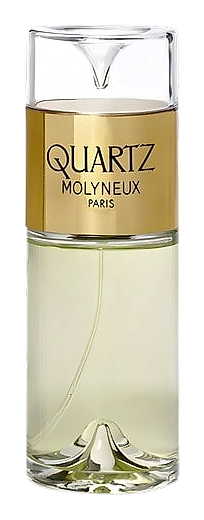
Raymond Chaillan created Quartz in 1977 for a perfume house that understood restraint. Molyneux had spent decades building a reputation for elegance without excess. The perfumes followed the same logic. The fragrance presents itself with clarity and precision, each element arriving with purpose rather than decoration. The name evokes transparency, a crystalline quality that suggests something cut and faceted rather than muddy or obscured. Quartz does not reach for preciousness. It offers something more useful: a scent that does exactly what it intends to do, without apology or overstatement.
The structure here is classical Chypre, but stripped back. The citrus top is aggressive in its cleanliness, four different expressions of bright, none of them sweet. Bergamot, grapefruit, lemon, and mandarin arrive in quick succession and establish the mineral register immediately. The heart is where the house DNA shows. Honeysuckle leads, but jasmine and rose provide depth without weight. Carnation adds a faint spiced quality that prevents the florals from floating away. Then the base takes over, oakmoss and patchouli anchoring everything in green, earthy territory.
The evolution
The opening hits fast. Citrus oils hit the skin and expand within seconds, bergamot and mandarin creating that characteristic brightness. The grapefruit adds a slight bitterness that prevents sweetness. Thirty minutes in, the honeysuckle begins to assert itself. Not aggressive, but present. The jasmine follows, and together with rose and carnation, they form a floral heart that feels classical without being dated. By the second hour, the base begins to emerge. Oakmoss and patchouli form a green, earthy foundation that grounds the florals and keeps everything from becoming too pretty. Sandalwood adds warmth. Vetiver adds depth, that slightly smoky, mineral quality that gives the fragrance its particular character.
Cultural impact
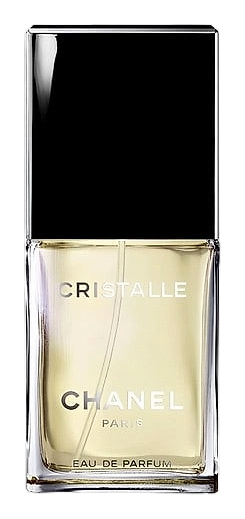
Quartz has accumulated a devoted following over the years, particularly among those who appreciate a mineral approach to fragrance. The citrus-to-oakmoss structure places it firmly in the classical Chypre tradition, and its clean character appeals to those who find mainstream florals overly sweet. Comparable in spirit to Cristalle, Diorella, and Eau de Rochas from the same era, all share that mineral-floral character that defines a certain type of French elegance. The fragrance occupies a specific niche: for those who want something sophisticated without being heavy, something present without being loud.