Grapefruit zest
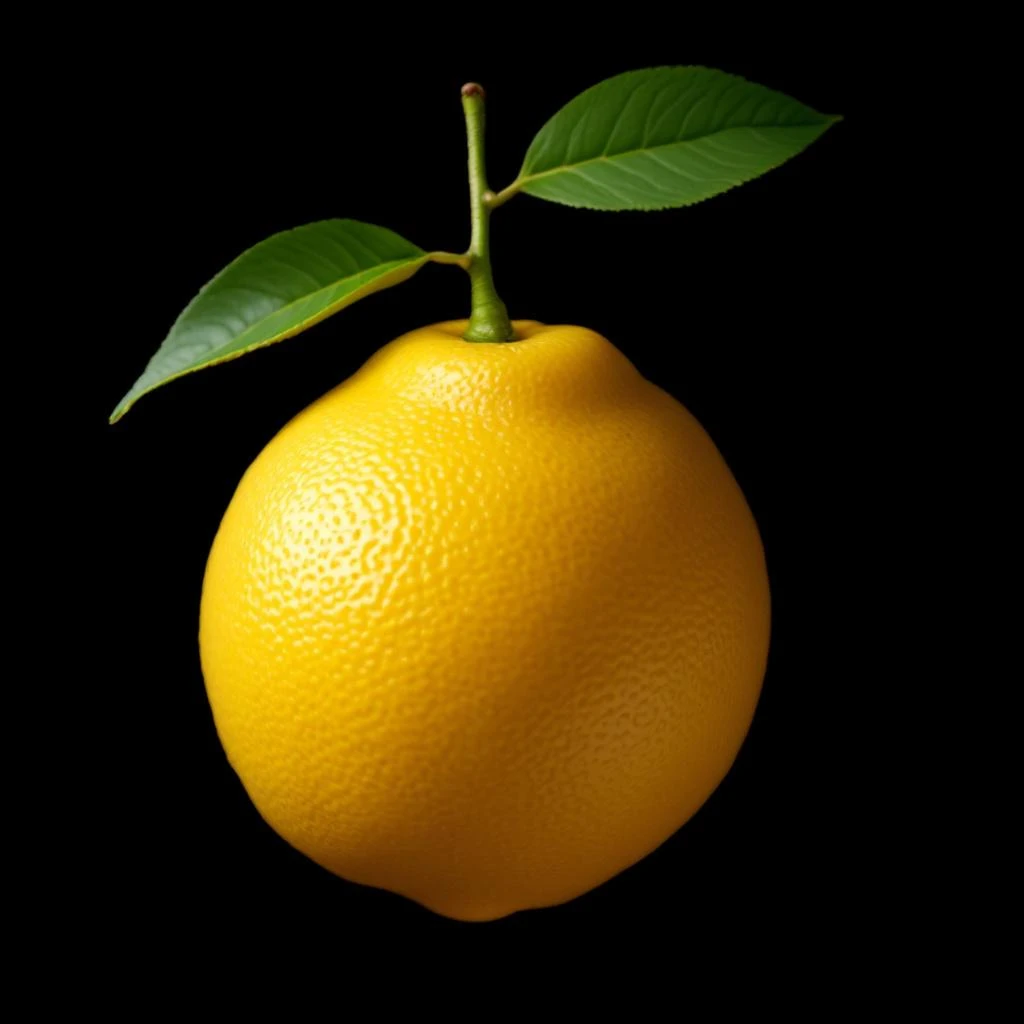
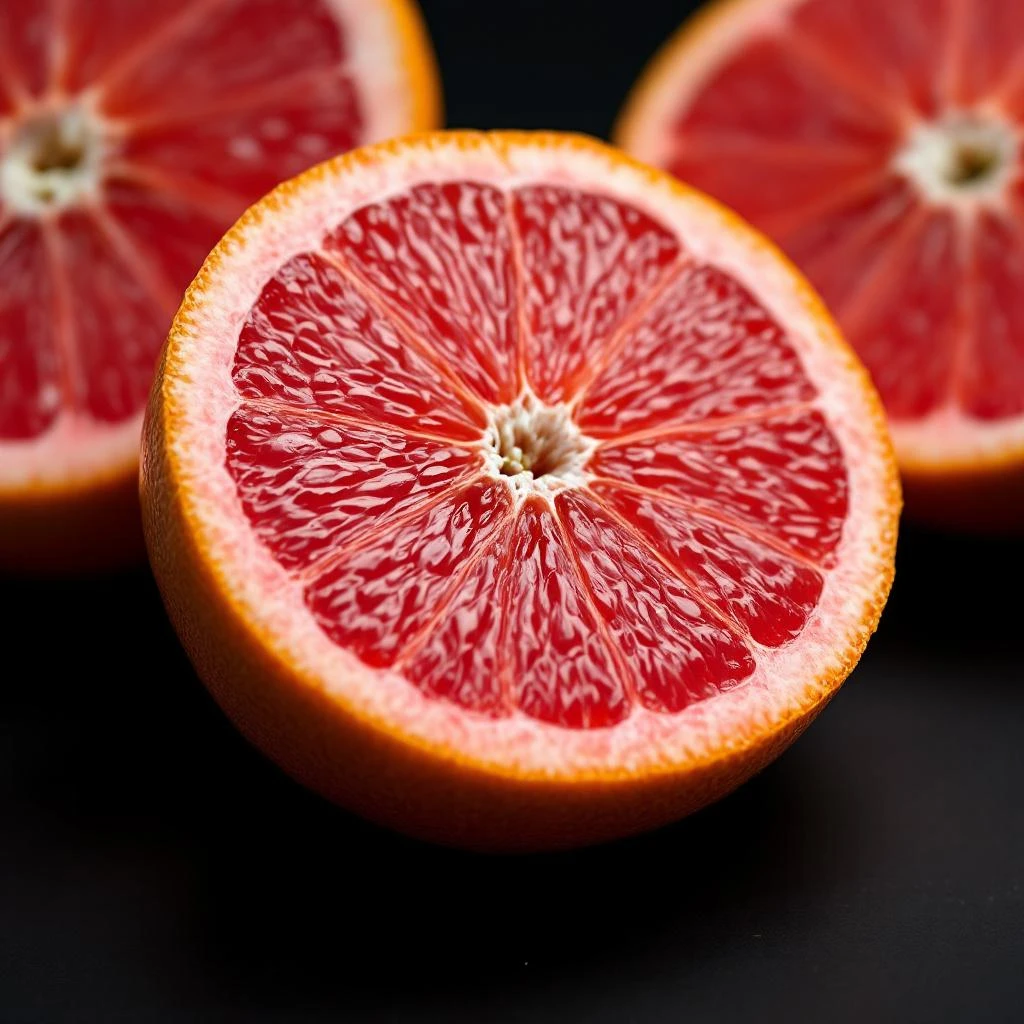
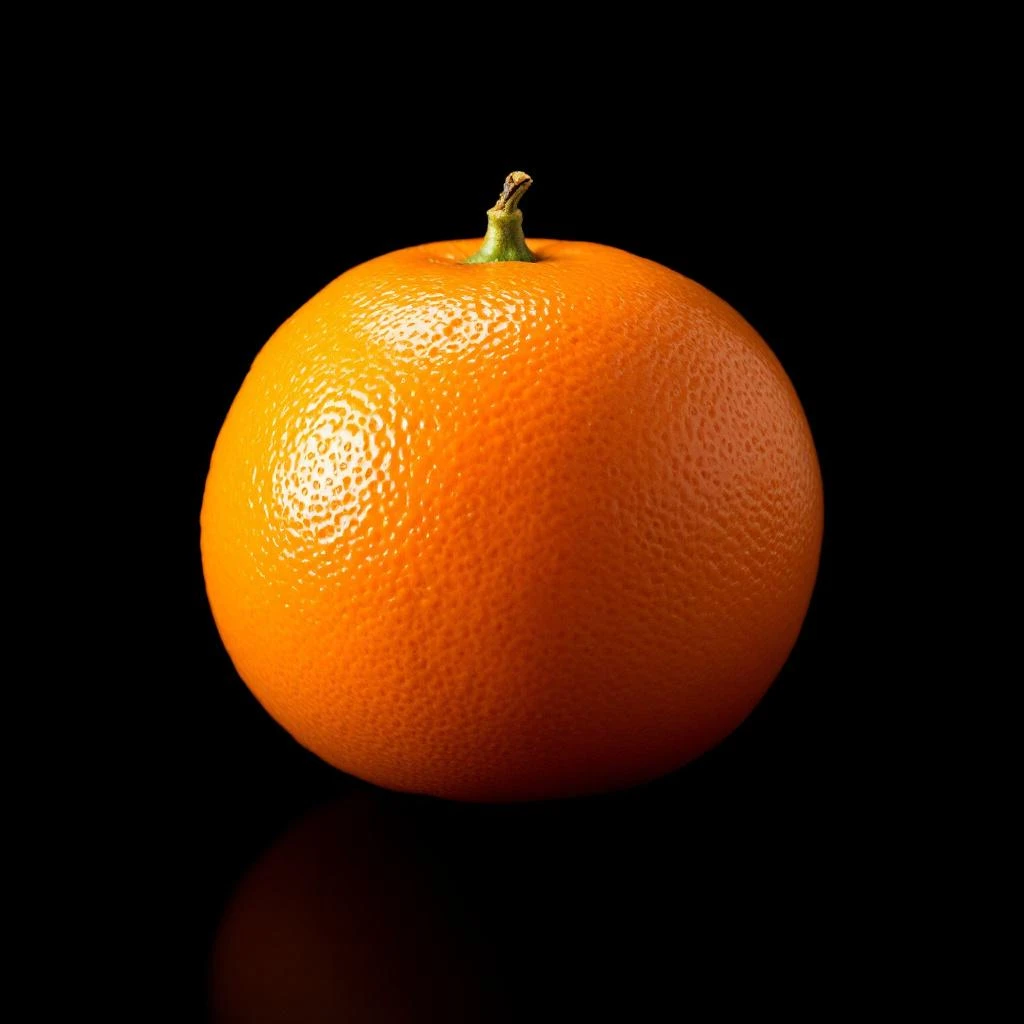
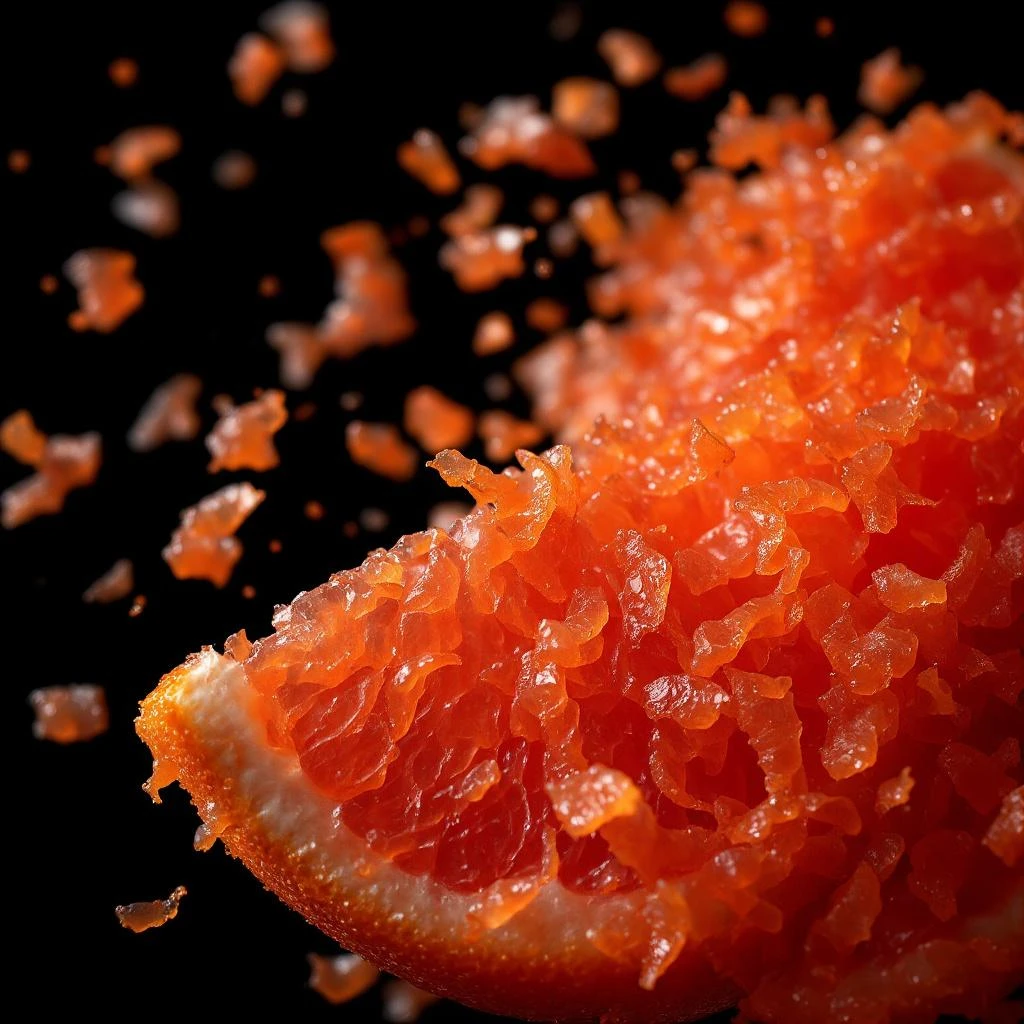
Grapefruit zest delivers a burst of sun-drenched brightness: tart, slightly bitter, and irresistibly energizing. This vibrant citrus note transforms opening accords with sparkling, modern character that awakens the senses.
Character
How it smells
Bitter, bright, and refreshingly modern.
Grapefruit owes its name to how it grows—golden clusters resembling grapes—which earned it the botanical label Citrus paradisi.








Origin
Barbados
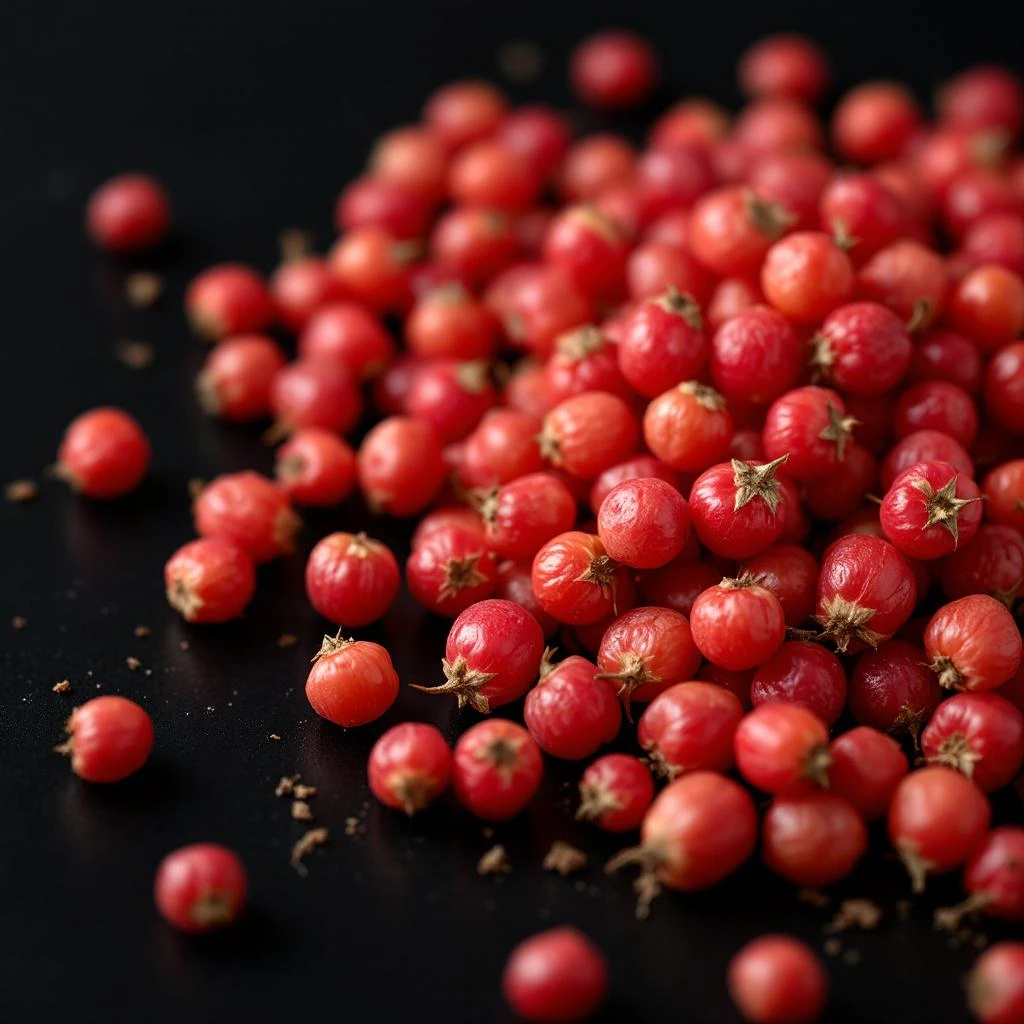
Grapefruit arrived late to the botanical stage—a natural hybrid of pomelo and sweet orange that emerged in Barbados around the mid-1600s. Rev. Griffith Hughes, a Welsh clergyman, first documented the fruit in 1750, naming it the forbidden fruit.
The citrus spread quickly across Caribbean islands before reaching Florida in the early 1800s, where warm sunshine and sandy soil produced fruit with exceptional aromatic intensity. Florida's grapefruit industry exploded during the 20th century, and in 1933, the state produced its first batches of grapefruit essential oil specifically for perfumery. That milestone transformed grapefruit from a breakfast staple into a fragrance material.
Meanwhile, Chinese cultivation produced distinct varieties with different aromatic profiles, showing how geography shapes botanical materials. Today, grapefruit zest appears in countless modern fragrances, valued for its clean, energizing character that signals freshness and vitality in opening accords.
Wears it best
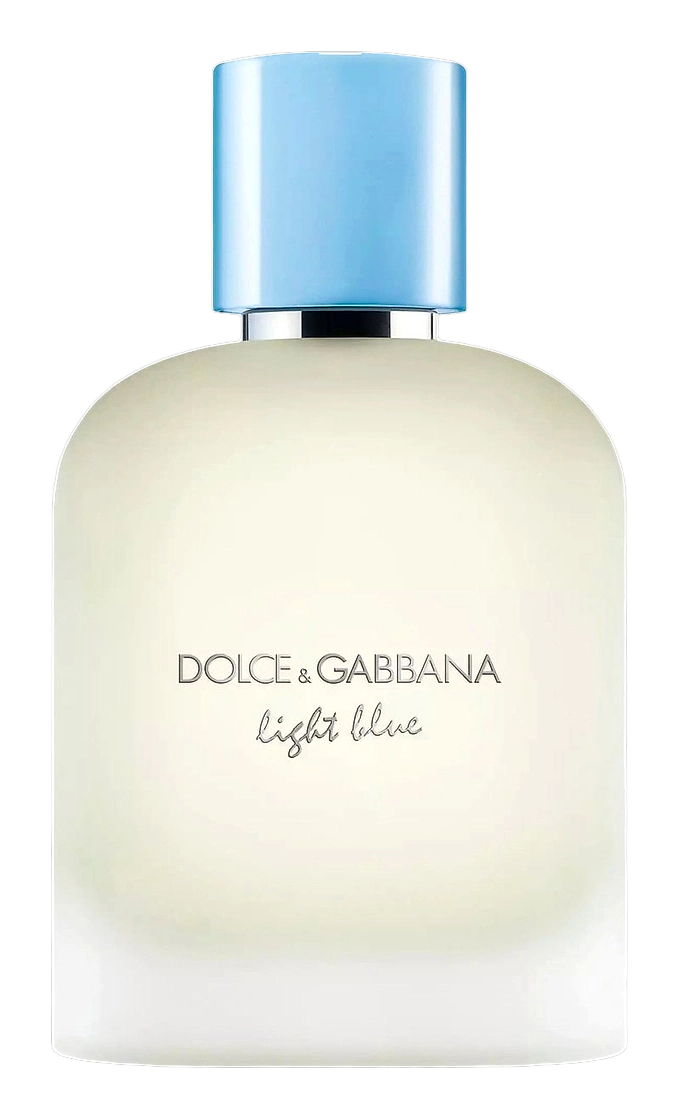
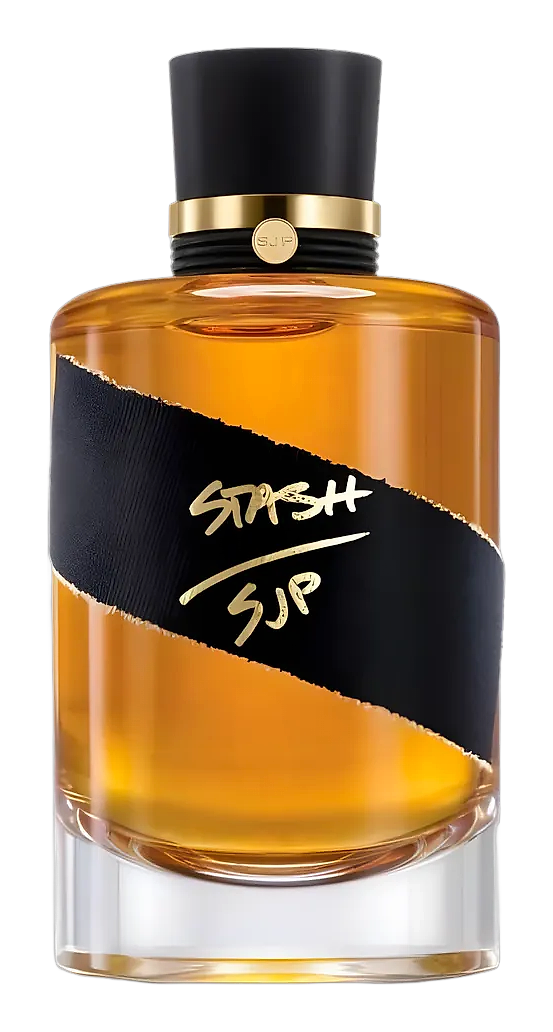
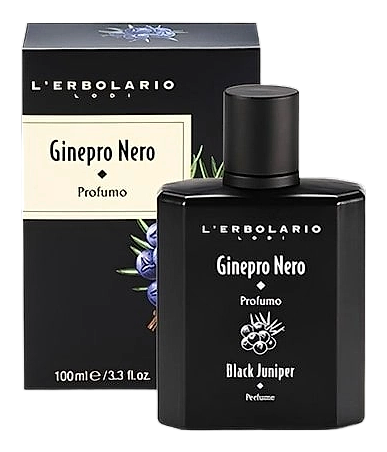
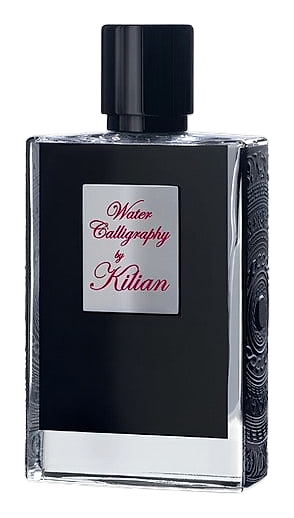
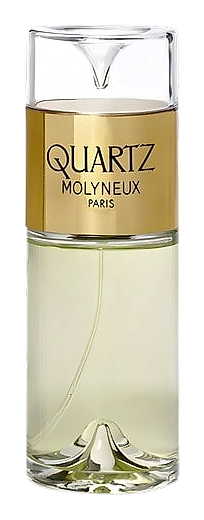
Fragrances featuring Grapefruit zest

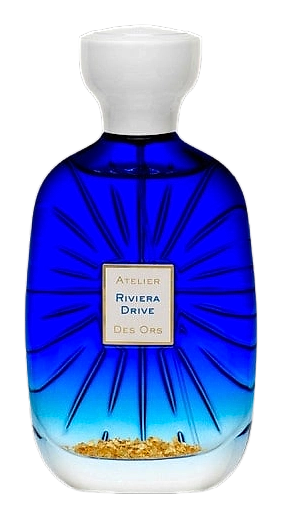
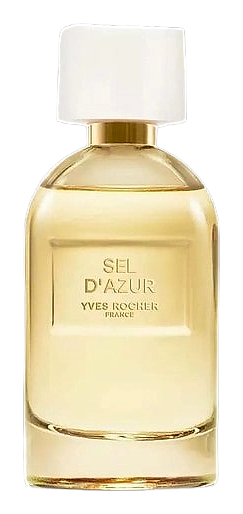
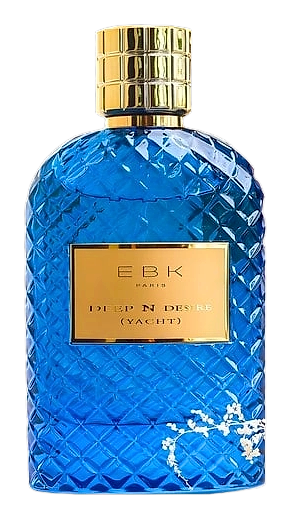
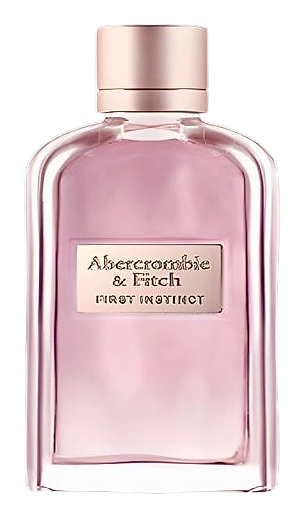


Brands
Brands known for Grapefruit zest
Good to know
Questions, answered
The essentials on Grapefruit zest in perfumery: how it smells, where it comes from, and how it behaves on skin.
What does grapefruit zest smell like?
Grapefruit zest smells sharp, tangy, and slightly bitter with a sweet undertone. The combination creates a refreshing, modern aroma that energizes fragrance openings.
How is grapefruit essential oil extracted for perfumery?
Cold expression extracts oil directly from the fruit's rind. This mechanical process punctures the peel without heat, preserving the fresh, vibrant character of the oil.
When did grapefruit enter the fragrance industry?
Grapefruit became significant in perfumery in 1933, when Florida produced its first batches of grapefruit essential oil. Before this, other citrus materials dominated fragrance formulations.
Where does grapefruit used in perfumery grow?
Major producers cultivate grapefruit for perfumery in Florida, California, and Mediterranean regions. Florida remains the historical center of grapefruit oil production.
Is grapefruit essential oil natural or synthetic?
Grapefruit oil in perfumery is natural, extracted through cold expression. Synthetic versions exist for consistency, but natural grapefruit maintains superior aromatic complexity.
What fragrance families feature grapefruit zest?
Grapefruit zest appears primarily in citrus and fresh fragrance families. Perfumers also use it in modern fougère and chypre compositions to add bright opening notes.
How long does grapefruit zest last in a perfume?
Grapefruit zest functions as a top note, typically lasting 15 to 30 minutes on skin. Its light molecular structure evaporates quickly, revealing the heart and base.
What causes grapefruit's characteristic bitter note?
Limonene and naringin create grapefruit's distinctive bitterness. These compounds distinguish it from sweeter citrus materials and add sophisticated depth to compositions.