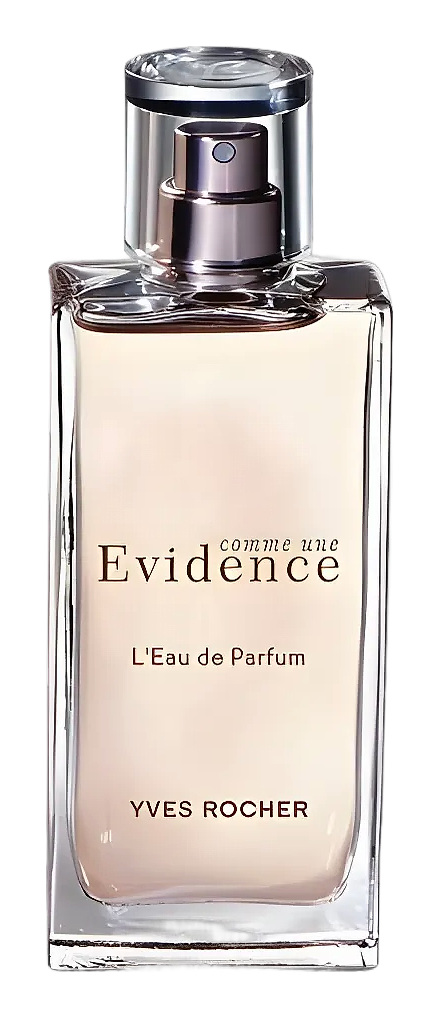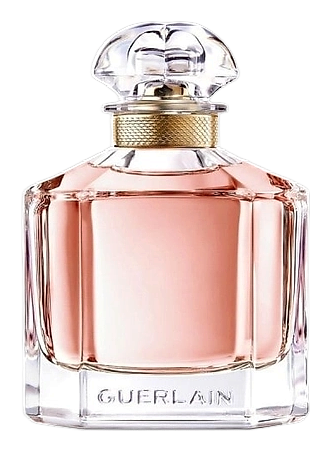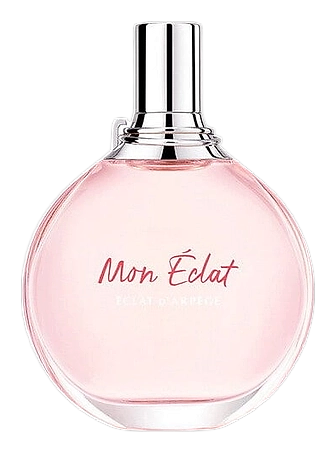

The Story
Why it exists.
The beginning
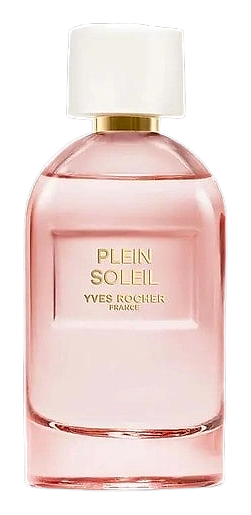
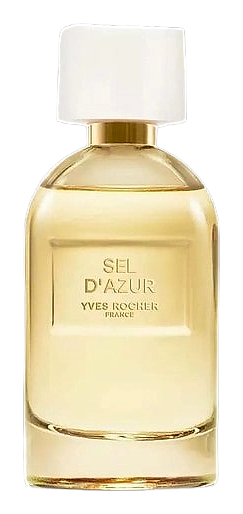
Marie Salamagne designed Sel d'Azur in 2019 around a single tension: the precise taste of sea air. The name is the concept, azure salt. Grapefruit opens with sharp, biting citrus zest, a bitterness that cuts rather than sweetens. Cedar brings dry, woody weight that anchors the composition. Vetiver adds mineral earthiness that grounds the brightness. Three materials, each contributing a distinct character, together creating something cohesive rather than complicated. The fragrance appeals to those who find heavily layered summer scents overwhelming, who prefer direct coastal clarity to elaborate perfumery stories.
The grapefruit and vetiver pairing requires careful balance. The citrus can tip toward harshness without proper grounding, or toward sweetness without enough depth. In Sel d'Azur, the vetiver provides that counterweight, giving the brightness somewhere to settle. Cedar bridges the two notes, woody enough to matter, dry enough not to compete for attention. Three materials, each doing one thing clearly, together creating a cohesive olfactory landscape rather than a simple list of notes. The combination reads as intentional rather than arbitrary, each element supporting the others.
The evolution
The drydown reveals the fragrance's true character. Grapefruit cedes to cedar as the scent develops, and cedar becomes the defining presence. Dry, assertive, certain of itself. The base settles into something mineral and intimate: vetiver that stays close to the skin rather than projecting outward. The sillage remains moderate throughout wear. On fabric, the scent lingers into the next day, a faint reminder of the initial application. The progression feels natural rather than dramatic, each phase emerging without abrupt transitions.
Cultural impact
Yves Rocher occupies a particular space, botanical and accessible, French without pretense. Sel d'Azur fits that positioning exactly. Community reviews suggest the value-for-money proposition resonates with consumers. The scent itself generates discussion: some appreciate its restraint and directness, while others find it less substantial than expected for the price point. That tension between appreciation and critique reflects the broader conversation around minimalist fragrance design.