
The Story
Why it exists.
The beginning
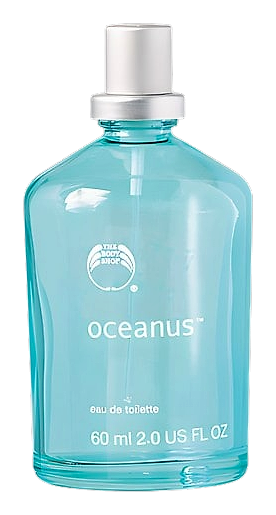
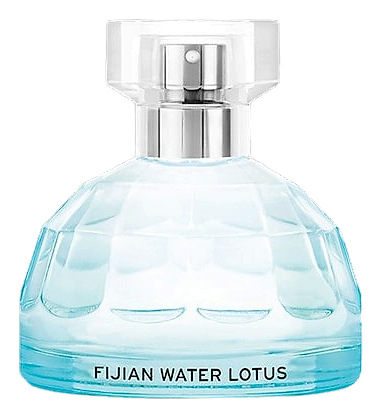
Fijian Water Lotus arrived in 2014 from perfumer Véronique Nyberg, part of The Body Shop's Scents of the World collection, a line designed to bottle specific places rather than abstract moods. The name is the brief: Fiji, the South Pacific, lotus flowers on still water. Nyberg built the composition around that image, a fragrance that could stand in for a place rather than a feeling. The collection included EDT, perfume oil, body butter, fragrance mist, and body lotion, all in turquoise-bluish packaging that showed the landscape before you smelled it.
What makes this structure interesting is the ambergris anchor. Most aquatics use white musks or synthetic musks to hold the water note. Here, ambergris does the work, animalic, salty, close to skin, the kind of base that reads differently on everyone. Combined with green notes and mandarin, it keeps the lotus from becoming another generic floral. The result is a fragrance that smells like a specific kind of wet rather than a concept of clean.
The evolution
The mandarin opens sharp and citrus-bright, thirty seconds of immediate impact before the green notes arrive to soften it. The lotus doesn't push. It rises slowly through the mid-section, aquatic and calm, while the mandarin fades to a background sweetness. The ambergris announces itself in the drydown, bringing a salt-animalic warmth that clings to skin for hours. On fabric, it softens into something quieter, the scent of sheets dried by open air, not the dryer sheet kind.
Cultural impact
Fijian Water Lotus was part of The Body Shop's Scents of the World line, designed to translate specific geographies into fragrance. The collection ran alongside the brand's ethical sourcing program, with alcohol from Cotopaxi, Ecuador, and packaging that referenced the Fijian landscape. The fragrance has since been discontinued, which has created a small cult of collectors who describe it as irreplaceable, the kind of scent that can't be replicated because the formula was built around a specific ingredient story rather than a market brief.