






Heritage
A house, in its own words
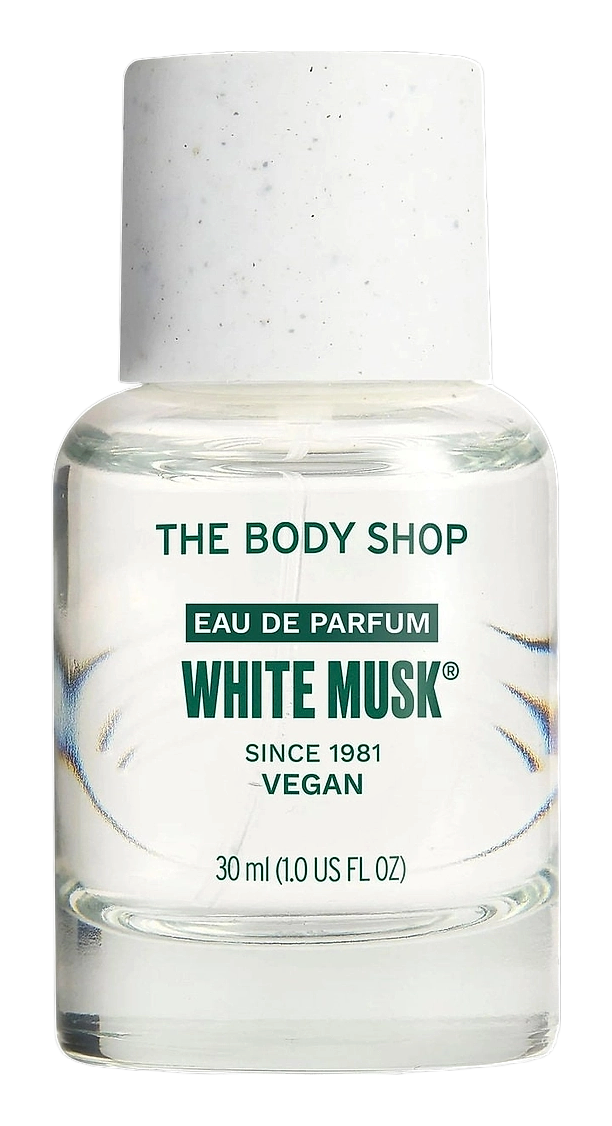
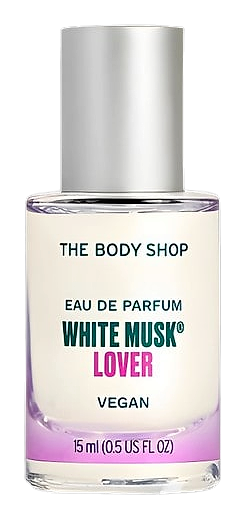
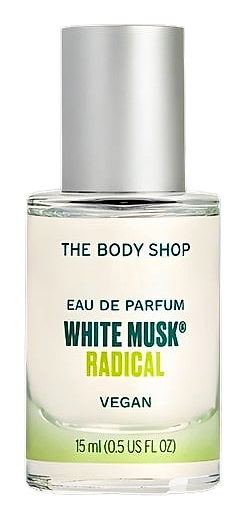
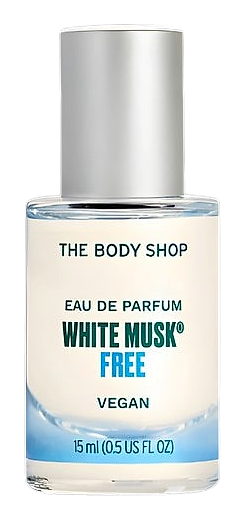
The Body Shop began as a modest green storefront on Brighton’s Western Road in 1976. Anita Roddick, a former schoolteacher and activist, used the space to sell fair‑trade soaps she had sourced from Kenya and Ghana. The shop’s open‑plan layout invited customers to touch and smell each product, a practice that set a new retail tone in the UK. By 1979 the brand opened a second shop in London and began experimenting with scented body care. In 1981 it released White Musk, the first fragrance to carry the Body Shop name, and the scent quickly became a staple in the chain’s expanding portfolio. The late 1980s saw the formalisation of the Community Trade programme, a network that linked smallholder farmers in countries such as India, Brazil and Tanzania with the brand’s ingredient needs. The programme introduced transparent pricing and profit‑sharing, and it remains a core part of the company’s supply chain. Throughout the 1990s The Body Shop grew to more than 1,000 stores across Europe, Asia and the Americas, positioning itself as a socially conscious alternative to mainstream cosmetics. In 2006 French cosmetics giant L'Oréal purchased the company for $652 million, a move that sparked debate among activists but also provided capital for further expansion. The brand changed hands again in 2017 when Brazilian group Natura &Co acquired it, pledging to deepen the existing sustainability commitments. Today the company operates in over 60 markets, maintains a catalogue of fragrance oils that spans more than four decades, and continues to reference its Brighton origins in corporate communications. The Body Shop’s creative direction rests on a set of principles rather than a single aesthetic. Its fragrance development team prioritises ingredients that can be traced to a community‑trade partner, allowing the scent story to begin with a farmer’s field rather than a laboratory. The brand insists on cruelty‑free testing, a stance that Anita Roddick championed publicly as early as the late 1970s and that remains codified in corporate policy. Sustainability informs every decision: packaging is designed for recyclability, and refill options are offered where store space permits. The company also frames fragrance as a vehicle for empowerment, encouraging shoppers to select scents that reflect personal memory rather than seasonal trends. By foregrounding transparency, the brand invites consumers to ask where a note of sandalwood or a drop of jasmine originated, and it answers with documented sourcing data on its website. This approach blends the tactile pleasure of scent with a broader social narrative, positioning each perfume oil as both a personal accessory and a small contribution to a global community.