The Story
Why it exists.
The beginning
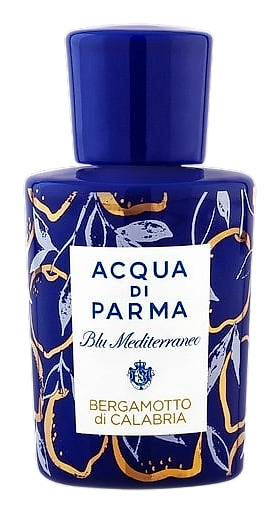
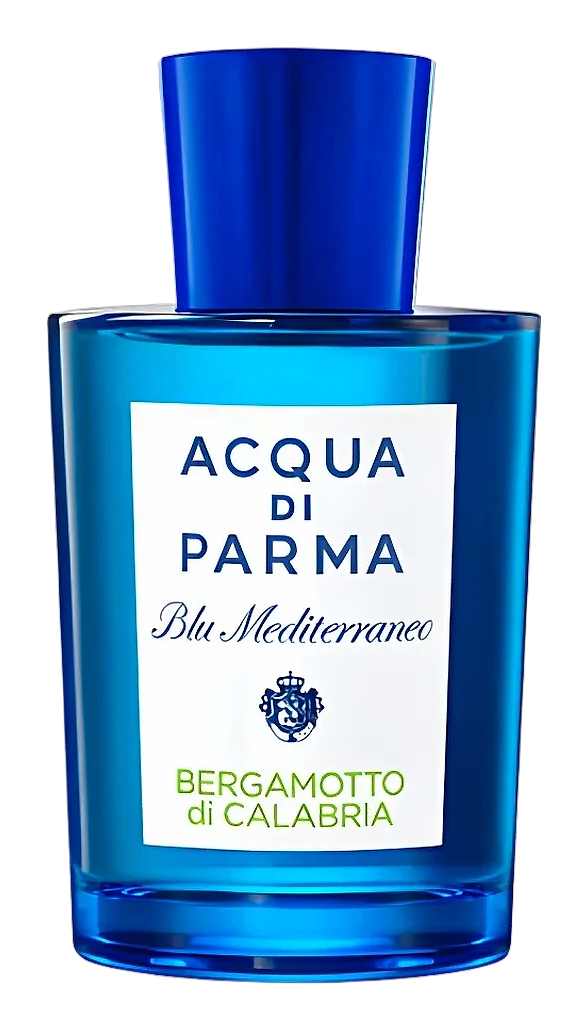
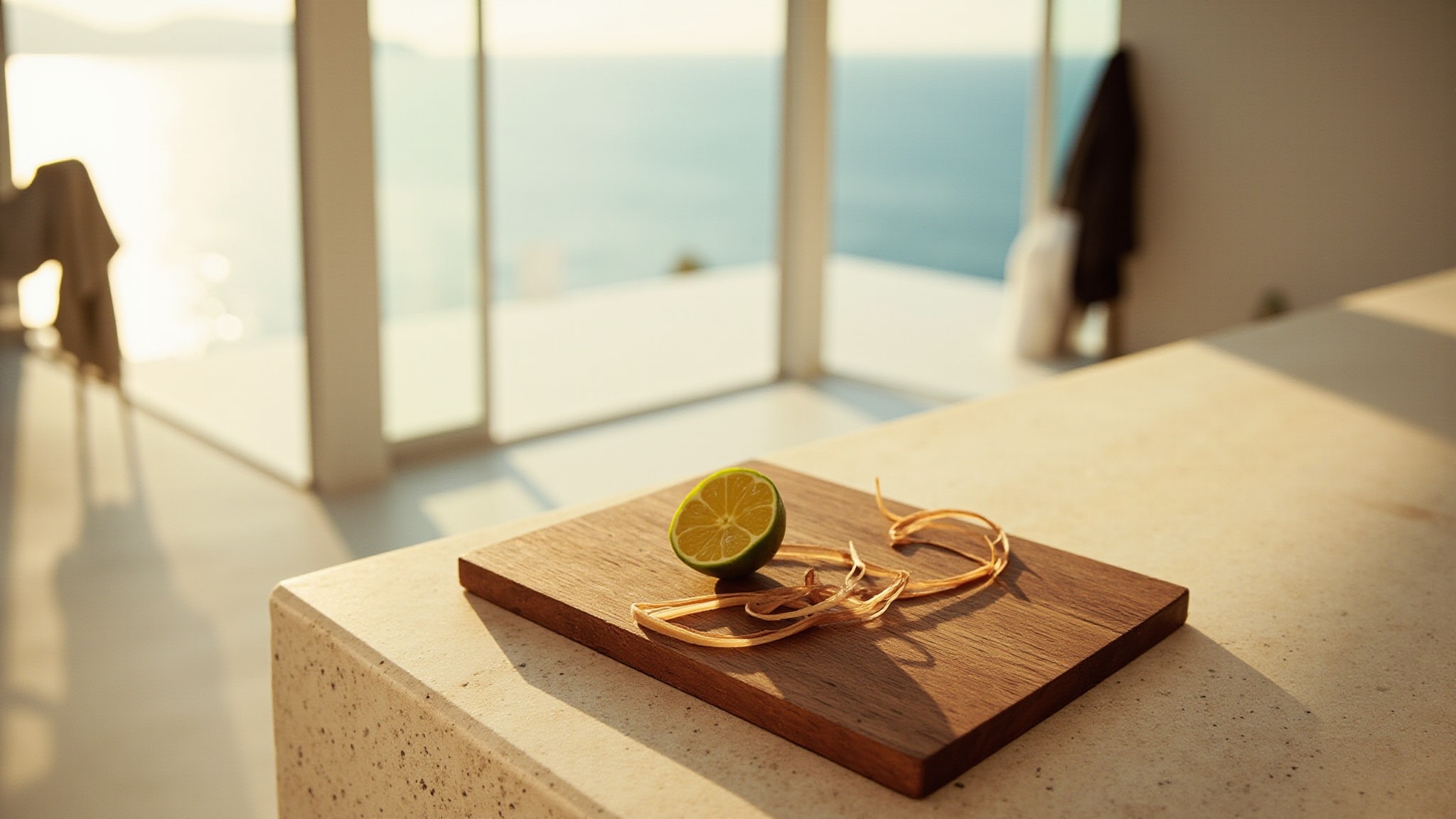
Bergamotto di Calabria arrived in 2010 as part of Acqua di Parma's Blu Mediterraneo collection, a line dedicated to capturing the sensory landscape of the Italian coastline. The fragrance opens with the bright, citrusy-fresh character of Calabrian bergamot, a note that is well-known in perfumery but here receives a focused, respectful treatment. Rather than pushing the ingredient in an unexpected direction, the composition lets the bergamot express its natural tartness and green undertones, creating a crisp, uplifting introduction that feels both familiar and distinctly Italian. The overall effect is clean and sunny, evoking the Mediterranean air without veering into generic citrus territory.
Bergamot can skew medicinal, skittish, or generic depending on how it's handled. In this composition, the citrus note carries a depth that goes beyond simple brightness, giving it an almost tangible presence on the skin. Red ginger appears in the heart, adding a clean, spicy warmth that blends with the bergamot rather than overpowering it. Cedar softens the sharper edges of the citrus, contributing a smooth, woody quality that balances the composition.
The evolution
The opening features Calabrian bergamot and citron, delivering a crisp, effervescent quality that feels bright and immediate. The citrus character is prominent but not overwhelming, with the bergamot providing a tart, green backbone while the citron adds a clean, slightly tart edge. As the fragrance develops, red ginger and cedar emerge, softening the initial citrus burst and introducing a warmer, more aromatic dimension. The transition moves the scent from sharp brightness toward something with more texture and complexity. Vetiver and benzoin arrive in the later stages, replacing the spicier top notes with a resinous, skin-close quality that lingers without becoming heavy. The overall arc of the fragrance moves from crisp citrus to warm, aromatic depth, with the different note layers weaving together as the scent evolves.
Cultural impact
Bergamotto di Calabria belongs to the Blu Mediterraneo collection, which draws on Mediterranean ingredients like bergamot, cedar, and vetiver. These materials carry associations with a specific landscape and climate, offering a sensory connection to the Italian coastline that goes beyond generic freshness. The collection uses these ingredients to create fragrances that feel rooted in a particular place and tradition, appealing to those who appreciate the sensory richness of Mediterranean perfumery.