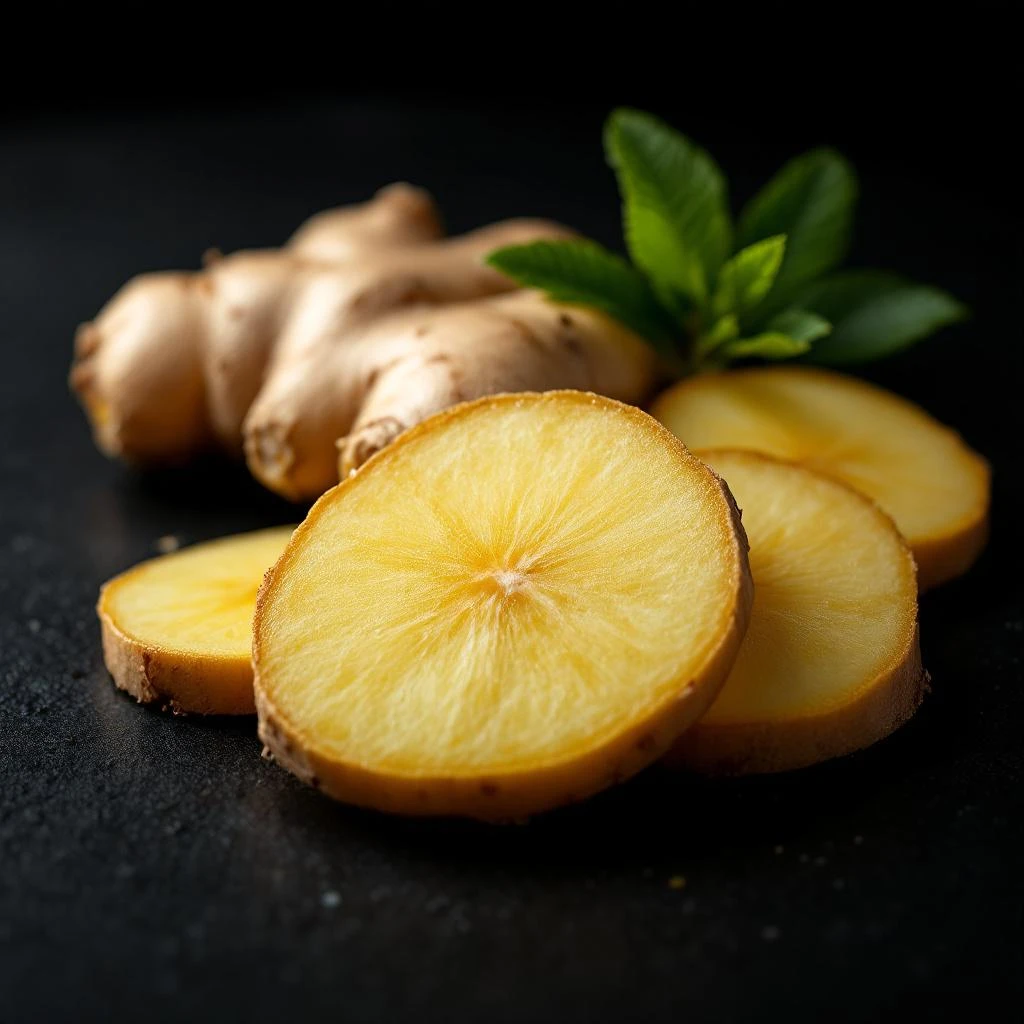
Red Ginger
Red ginger brings a fiery, aromatic intensity to perfumery. Its scent blends citrus brightness with peppery heat and warm, woody undertones that energize and uplift fragrance compositions.
Character
How it smells
Spicy, warm, and unmistakably vibrant.
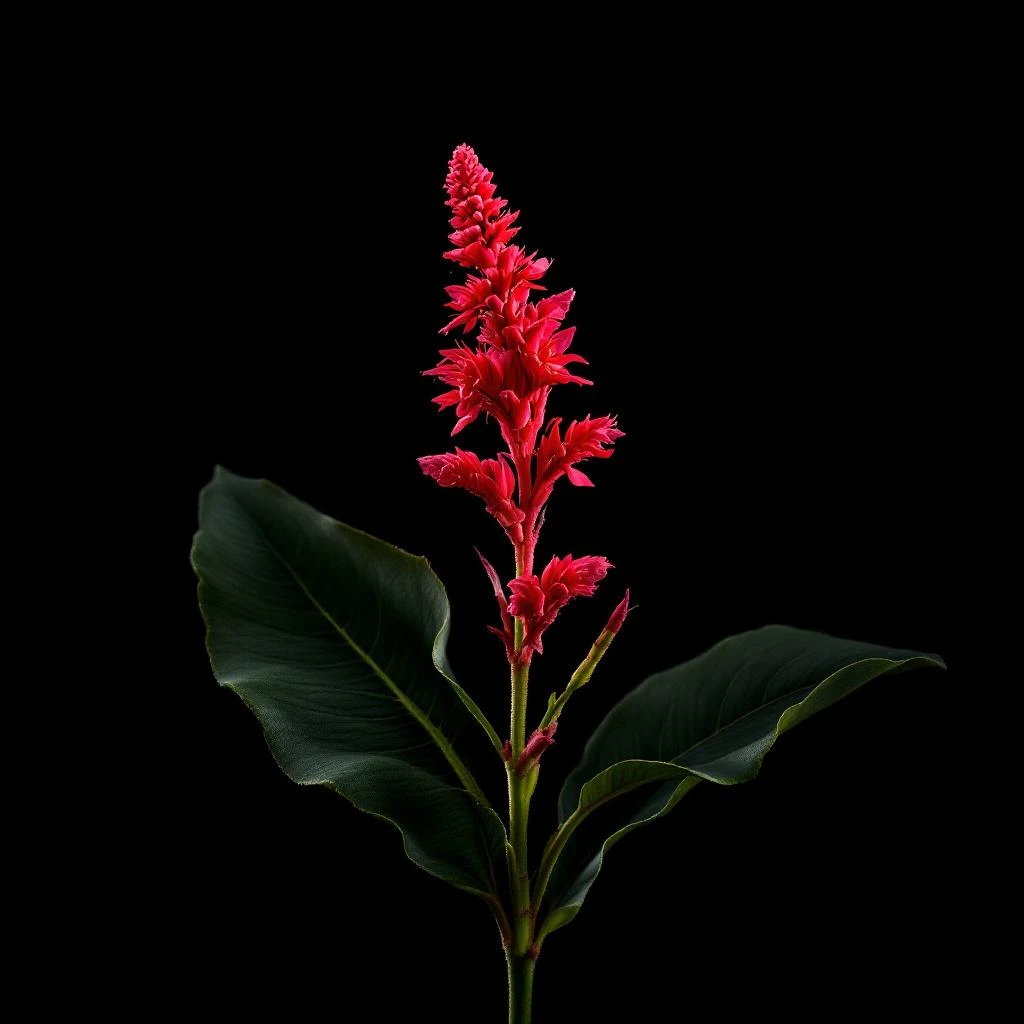
Ginger is technically a flowering plant. The ginger root used in perfumery is actually an underground rhizome, not a true root.







Origin
India
Ginger has been valued for thousands of years across multiple civilizations, long before its introduction to perfumery. Ancient Chinese texts mention ginger in medicinal contexts dating back over 5,000 years, while Indian Ayurvedic traditions utilized the rhizome extensively for its therapeutic properties. The Greeks and Romans prized ginger as a luxury spice and aromatic substance.
The word itself derives from the Sanskrit 'shringavera,' meaning 'antler-shaped,' a reference to the rhizome's branching form. Perfumers began incorporating ginger distillates several hundred years ago following advances in extraction technology. The ingredient found its place in oriental fragrances and spicy compositions, valued for its ability to add warmth and energy to fragrance pyramids.
Today, ginger remains a staple note in both traditional and contemporary perfumery, particularly in men's fragrances and spicy oriental compositions.
Wears it best
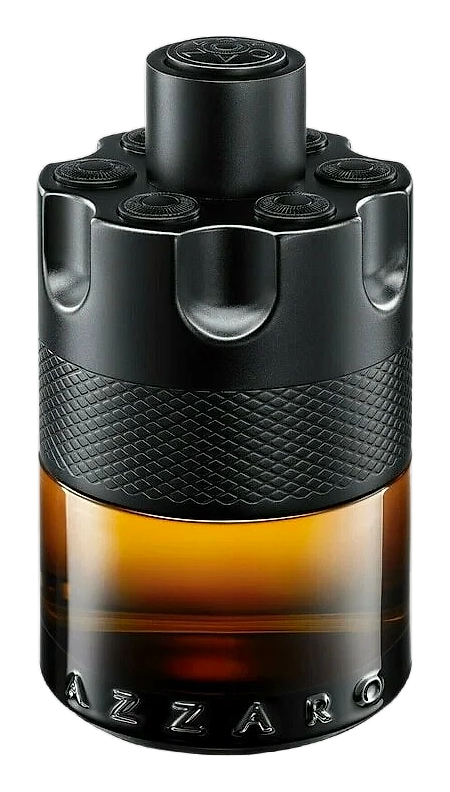
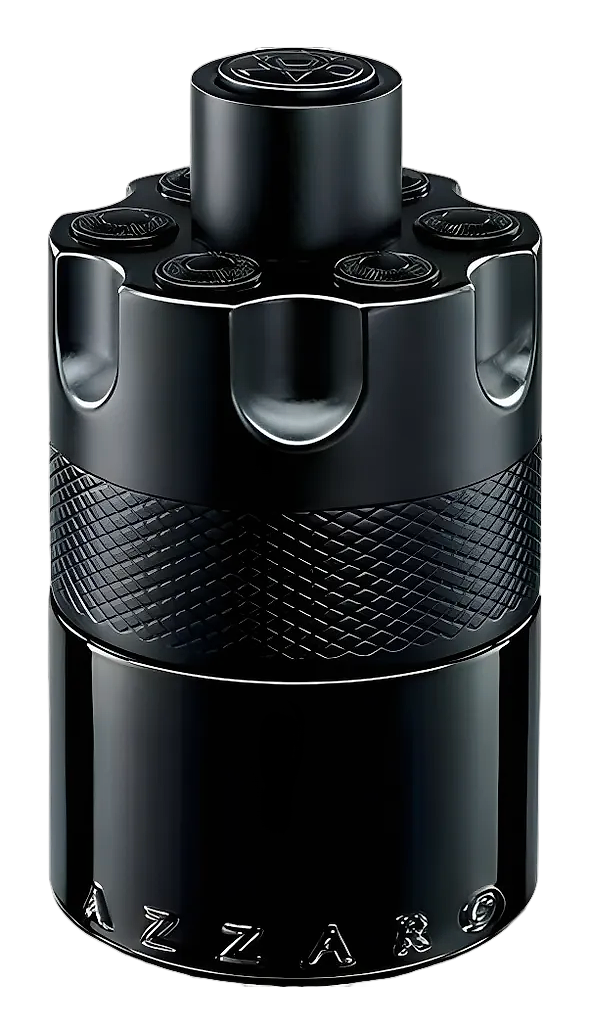
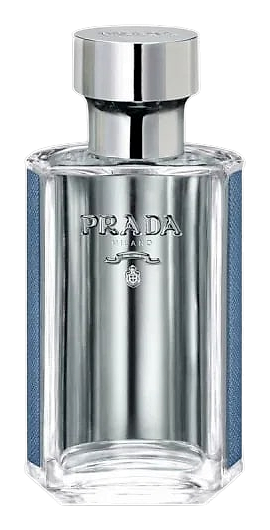
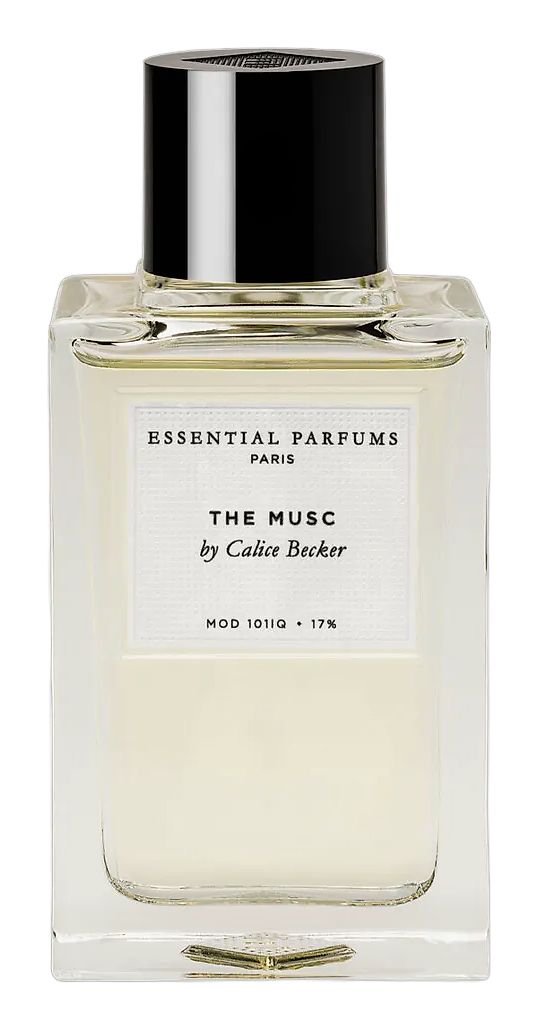
Fragrances featuring Red Ginger
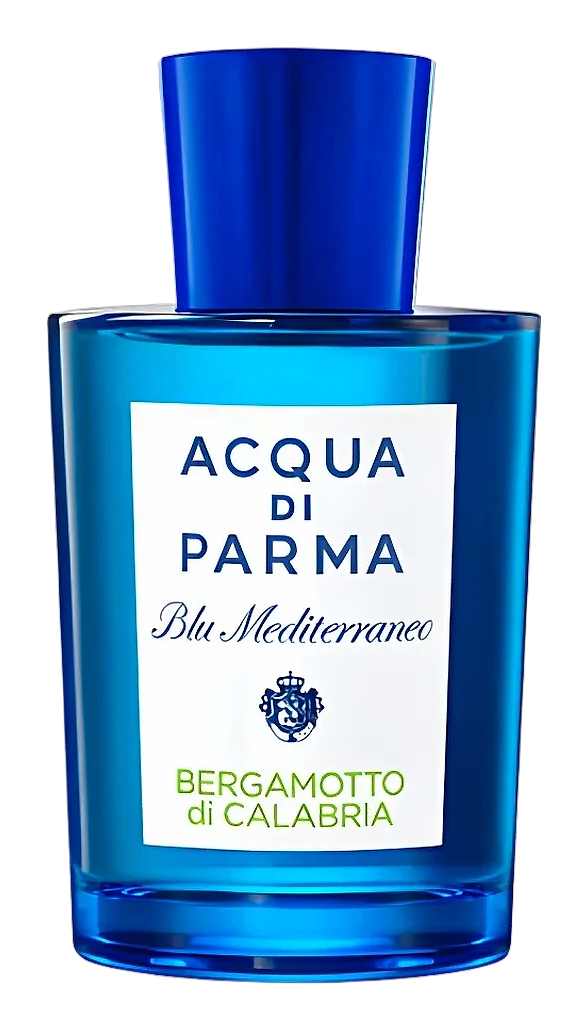
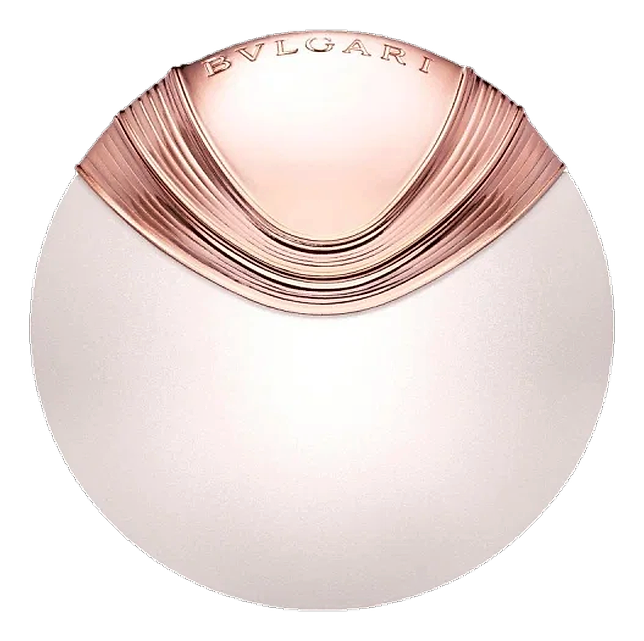
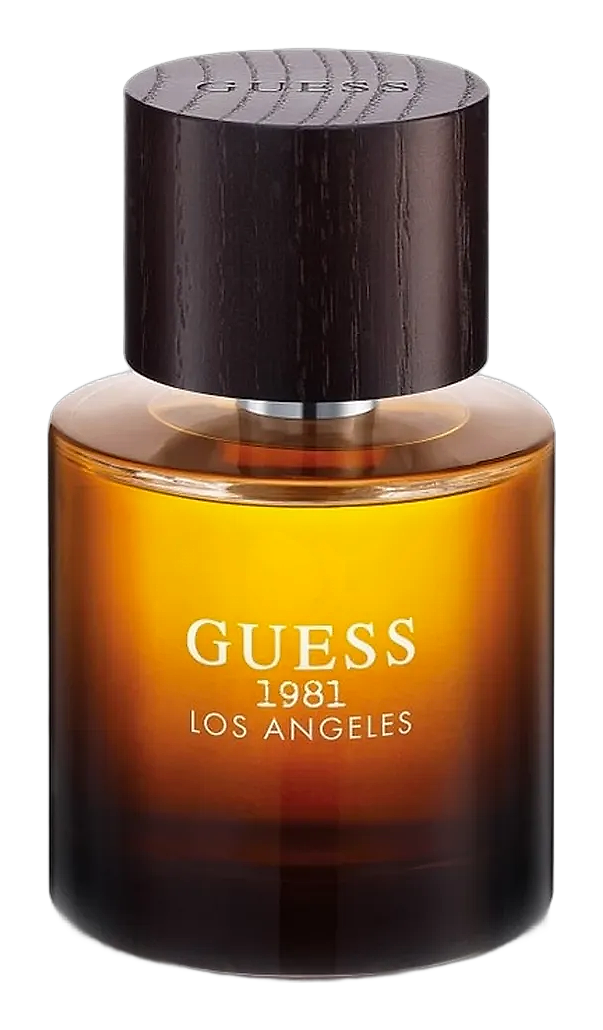
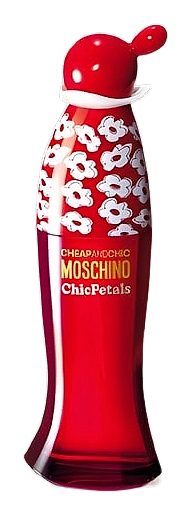
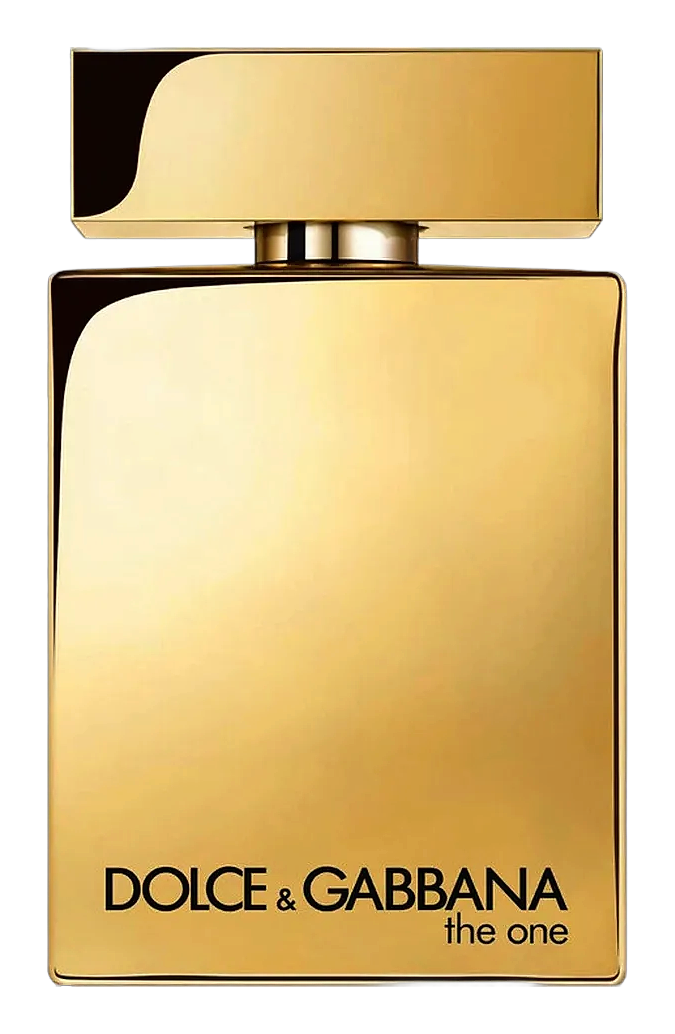
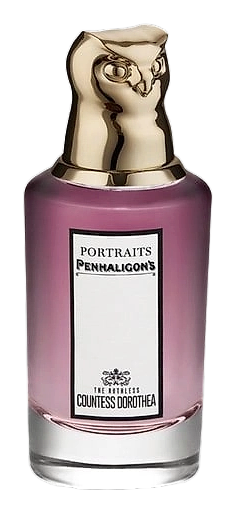
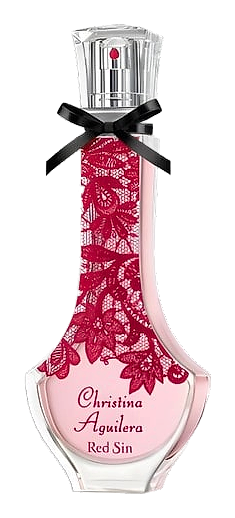
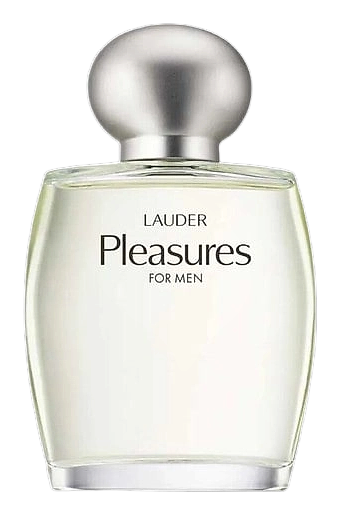
Brands
Brands known for Red Ginger
Good to know
Questions, answered
The essentials on Red Ginger in perfumery: how it smells, where it comes from, and how it behaves on skin.
What does red ginger smell like in perfume?
Red ginger offers a warm, spicy aroma with bright citrus top notes, peppery heat in the heart, and subtle woody undertones. It adds energizing warmth and a lively kick to fragrance compositions.
Is red ginger oil natural or synthetic?
Red ginger oil is naturally extracted through steam distillation of the plant rhizomes. Synthetic ginger aroma compounds exist but natural extraction preserves a more complex scent profile.
Which part of the ginger plant is used for perfumery?
Perfumers use the rhizomes, the underground horizontal stems. Both fresh and dried rhizomes are suitable, with fresh material typically yielding more vibrant aromatic compounds.
How long has ginger been used in perfumery?
Ginger essential oil has been used in perfumery for several hundred years, following advances in steam distillation technology that enabled extraction of the aromatic compounds.
What type of fragrances feature red ginger?
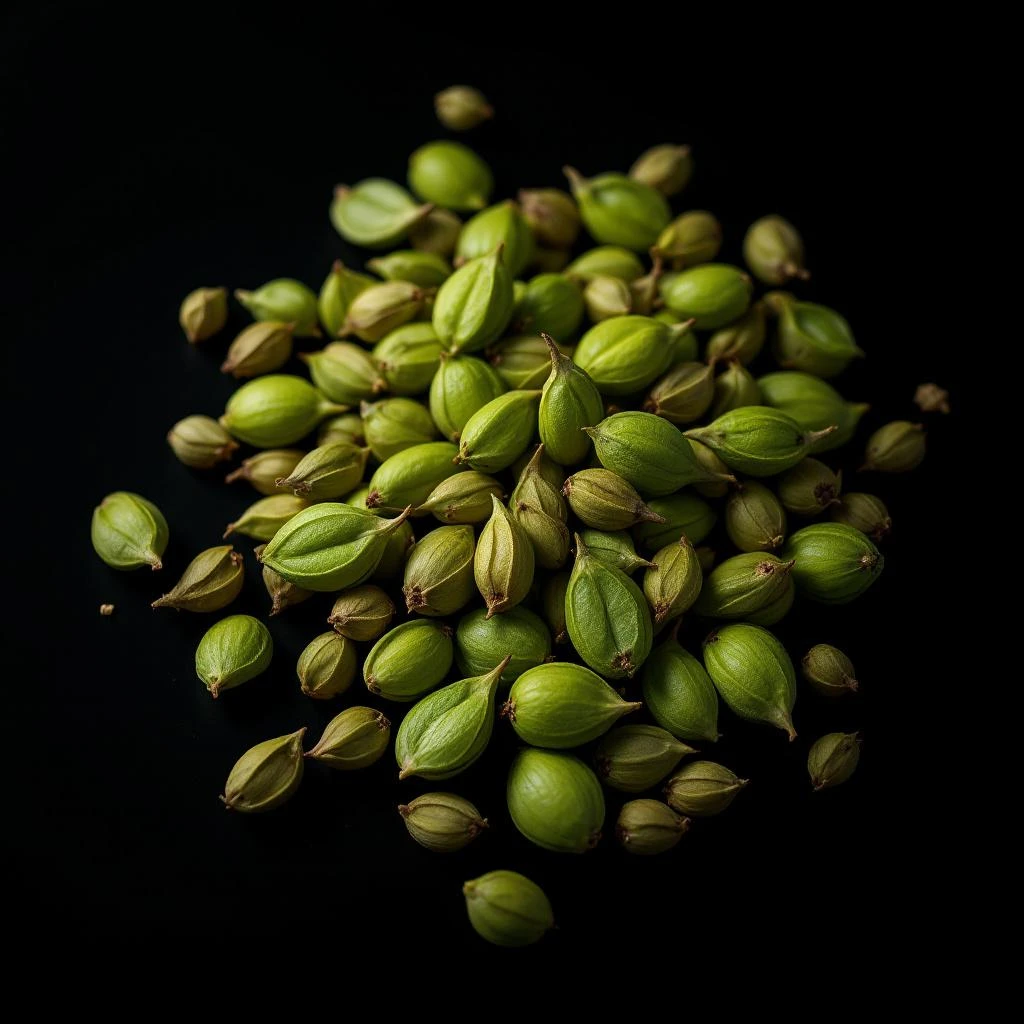
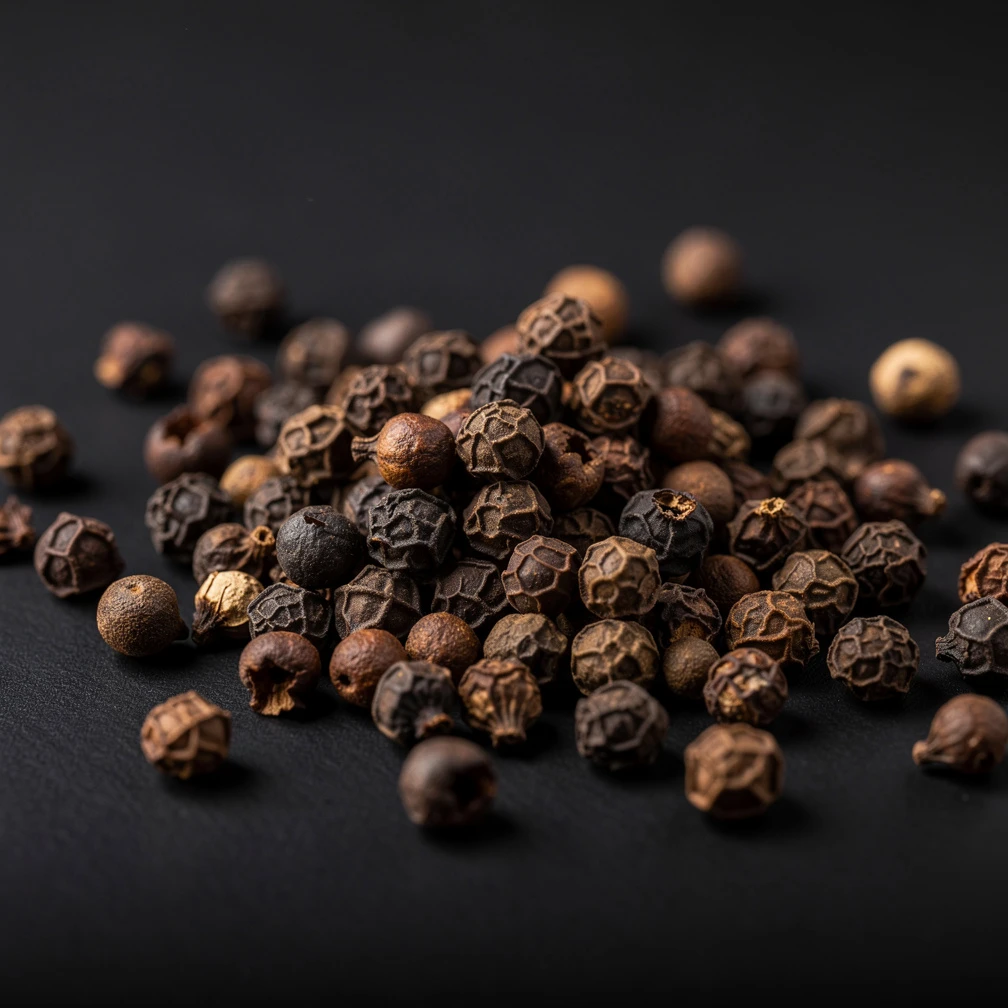
Red ginger appears frequently in oriental fragrances, spicy compositions, and men's fragrances. It pairs well with woods, resins, citrus, and other warm spices like cardamom and pepper.
Does red ginger have therapeutic properties in fragrance?
Ginger aromatics are associated with energizing and uplifting effects. The scent is often described as invigorating, though perfumery focuses primarily on olfactory qualities.
How much ginger oil comes from one kilogram of rhizomes?
Ginger root yields approximately 1-3% essential oil through steam distillation. Around 50-100kg of rhizomes produces just 1kg of finished oil, making quality ginger oil relatively concentrated.
Where does the best perfumery-grade ginger come from?
India produces the world's largest ginger crop, though China, Japan, and Laos also cultivate high-quality varieties. The origin affects the specific aromatic profile of the resulting oil.